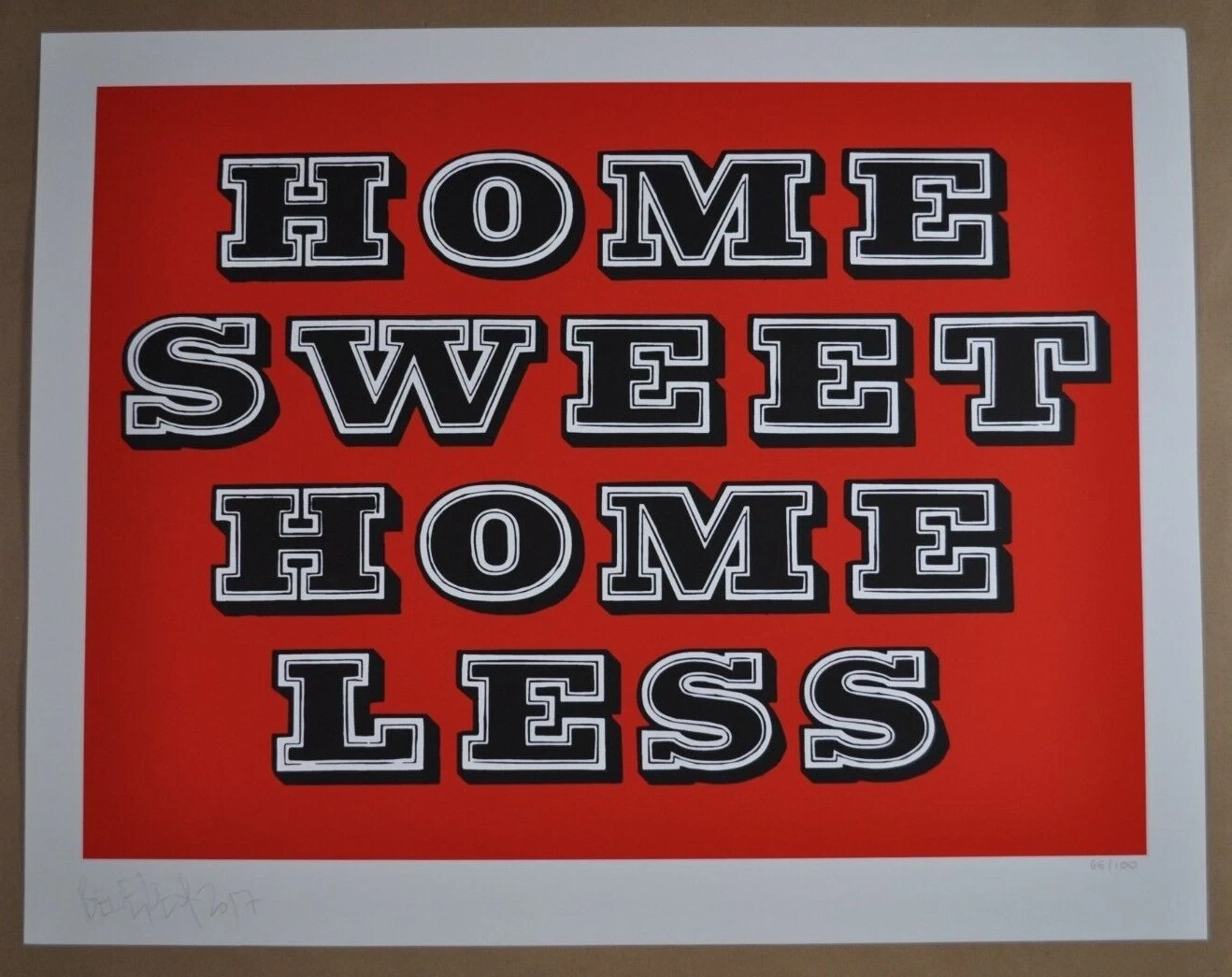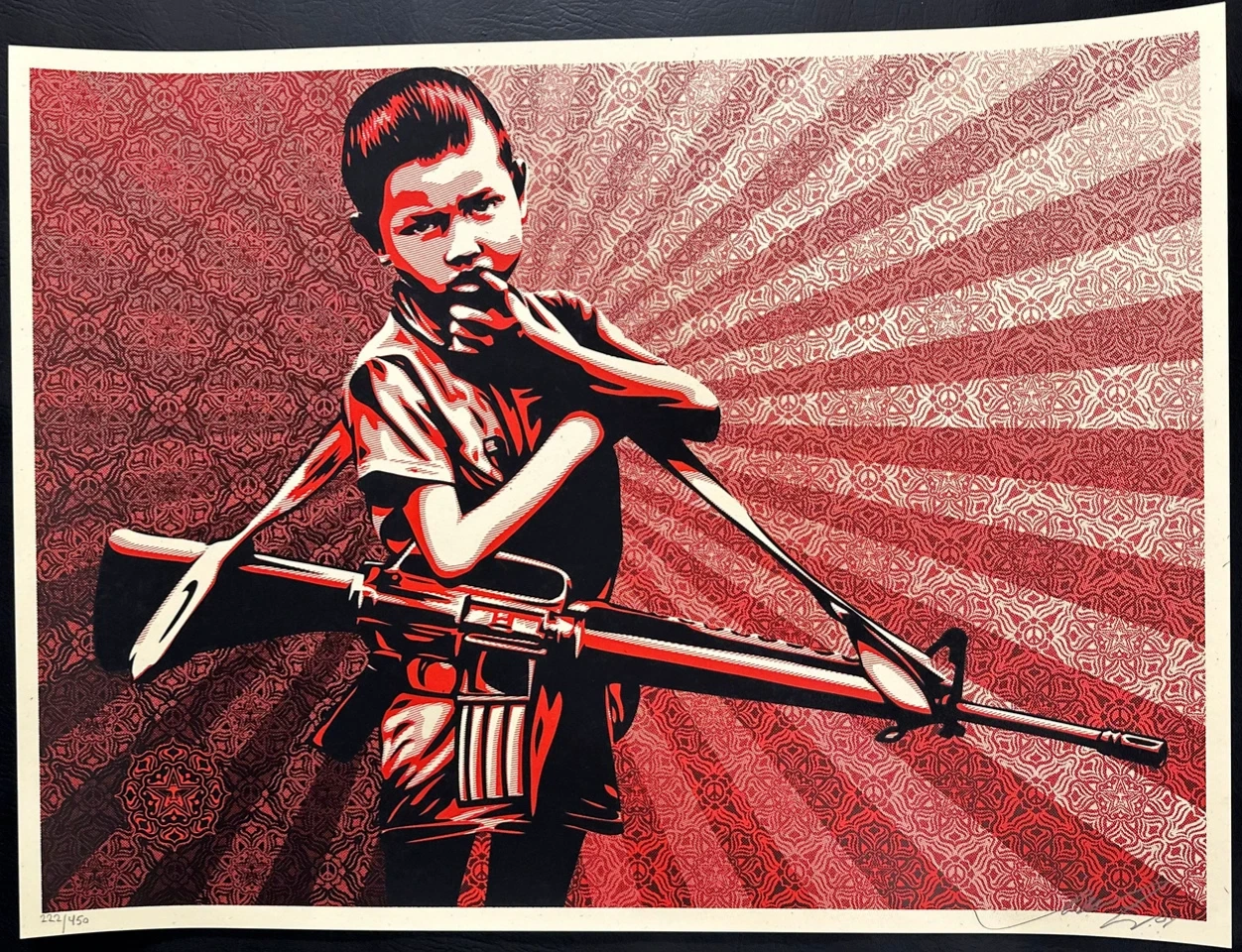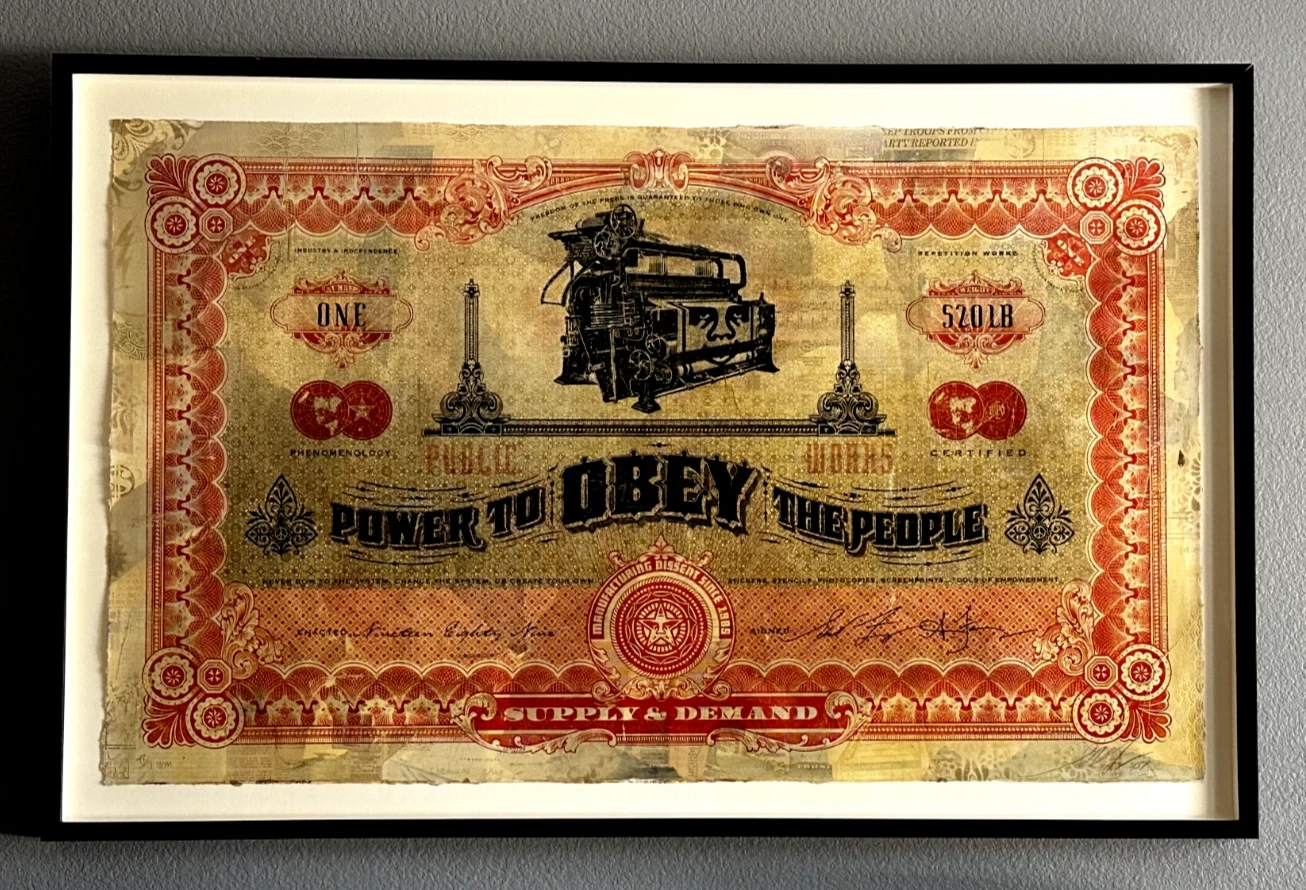
Identify each work as clearly as possible
Provide the artist's name, title and year when known. Describe whether the work is a print, painting, sculpture or another format, using the information available to you. Record visible signatures, edition numbers or other inscriptions exactly; do not reinterpret an unfamiliar mark as a confirmed identification.
Include approximate dimensions and say whether they describe the image, sheet, framed piece or object. If several works are involved, give each a simple reference number that also appears in your description. This makes it easier to match photographs, condition notes and supporting records to the correct piece.
Photographs for an initial review
Begin with an unobstructed view of the whole work. Use even light and avoid filters or adjustments that change its color. For framed art, minimize reflections without removing the work from its frame simply to complete this inquiry.
Additional views should show the details you reference in your description. Photograph any labels or inscriptions accessible without disassembly. Do not remove backing, lift mounted paper or attempt repairs to provide more information.
- The entire front of the work, with a separate view including its frame if applicable.
- Readable signatures, edition numbers and other visible inscriptions.
- The reverse and accessible labels when these can be photographed safely.
- Close-ups of visible marks, tears, creases, fading or other condition concerns.
- Several angles for three-dimensional works, plus relevant packaging or accompanying documents.
Explain condition and available documentation
Describe visible condition in plain language and identify areas hidden by a frame or mount. Mention known repairs, restoration, mounting or long-term storage issues. If you have not inspected the back or the work outside its frame, say so rather than assuming those areas are undamaged.
Include available purchase receipts, gallery paperwork, edition information or certificates in your description. Explain where and when you acquired the work if known. Such records can assist a review, but their presence alone does not establish authenticity. For inherited or previously owned pieces, distinguish your own knowledge from information passed along to you.
State what a potential sale would include
Tell us whether you wish to sell selected works or the entire collection, and whether frames, packaging and documents are included. Provide your location and note unusually large or fragile pieces. If you have an approximate value in mind, include it with its basis; an unknown value is acceptable.
Submit the details using the form and retain the artwork while the inquiry is reviewed. TrendingArt can contact you if the work aligns with current purchasing interests or additional information is needed. The form does not provide an appraisal or establish shipping arrangements. Do not send artwork before a separate next step has been agreed.
Common questions
Do I need a certificate of authenticity to submit art?+
No. Describe the documentation you have and any gaps in the history. A submission can be reviewed without implying that authenticity has been established.
Should I remove a print from its frame?+
Do not dismantle framing just to complete this inquiry. Photograph the accessible areas and explain which details are obscured.
Can I submit several artists together?+
Yes. Identify each work separately and make clear whether you want the group considered together or as individual pieces.