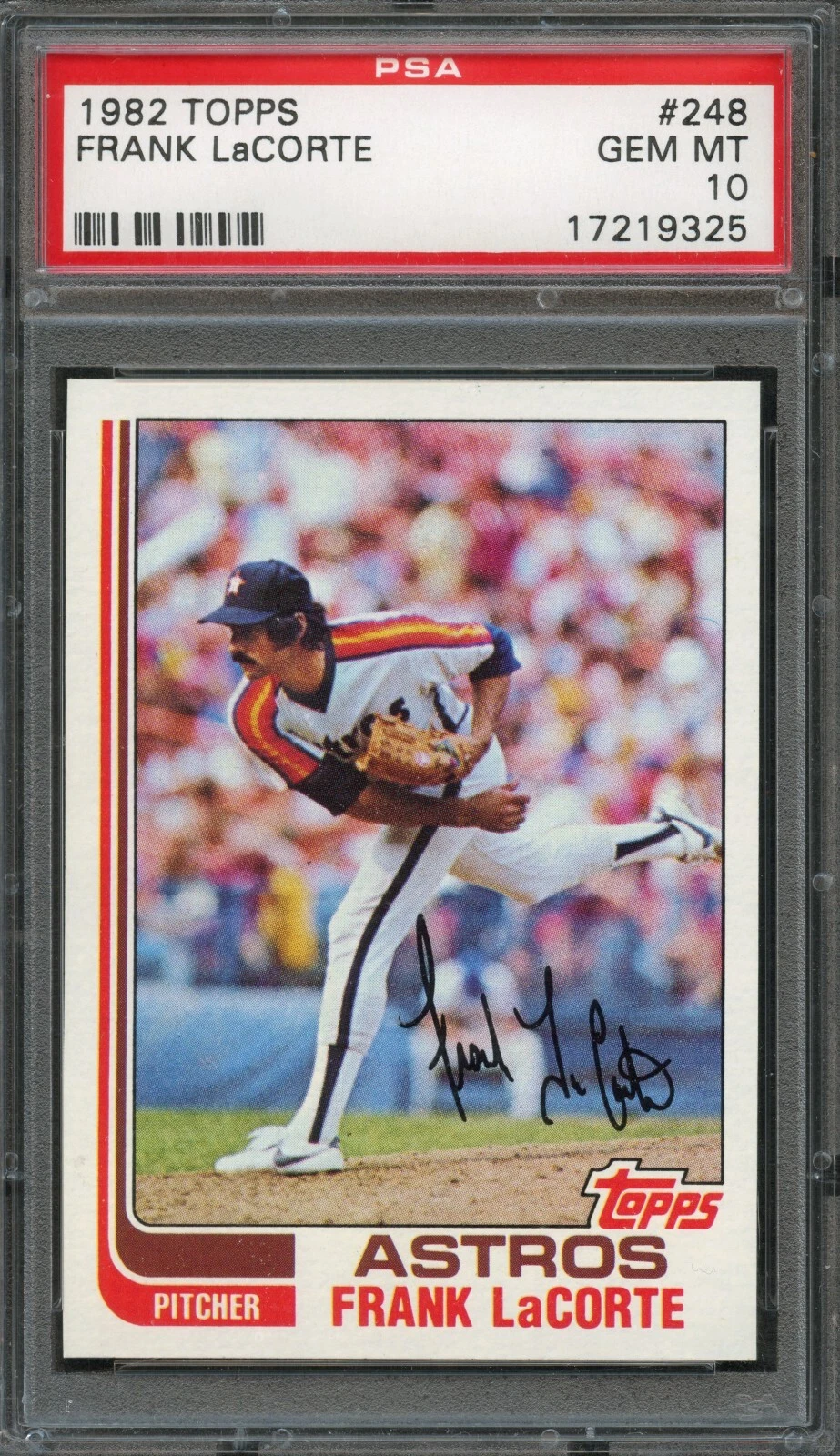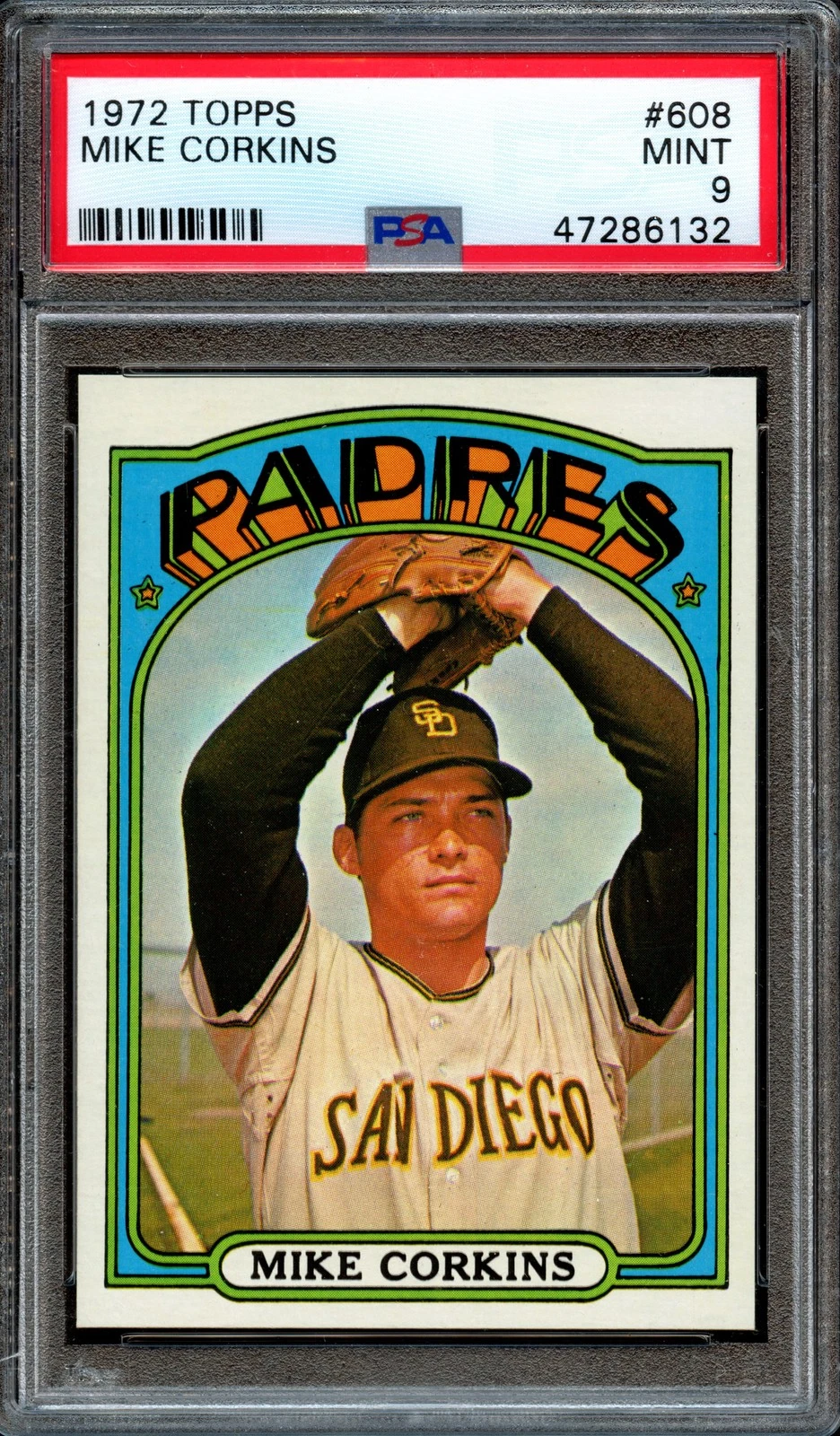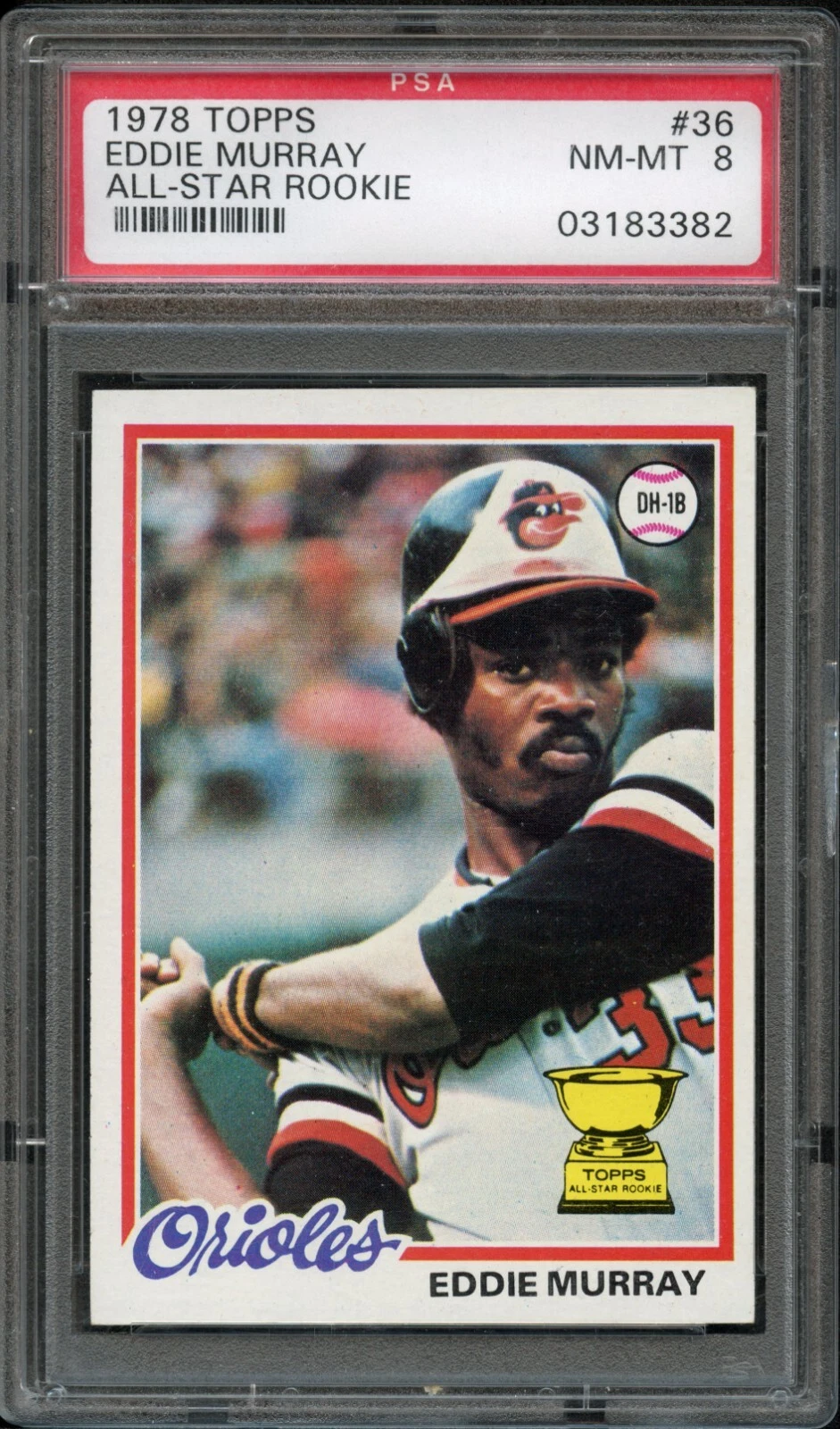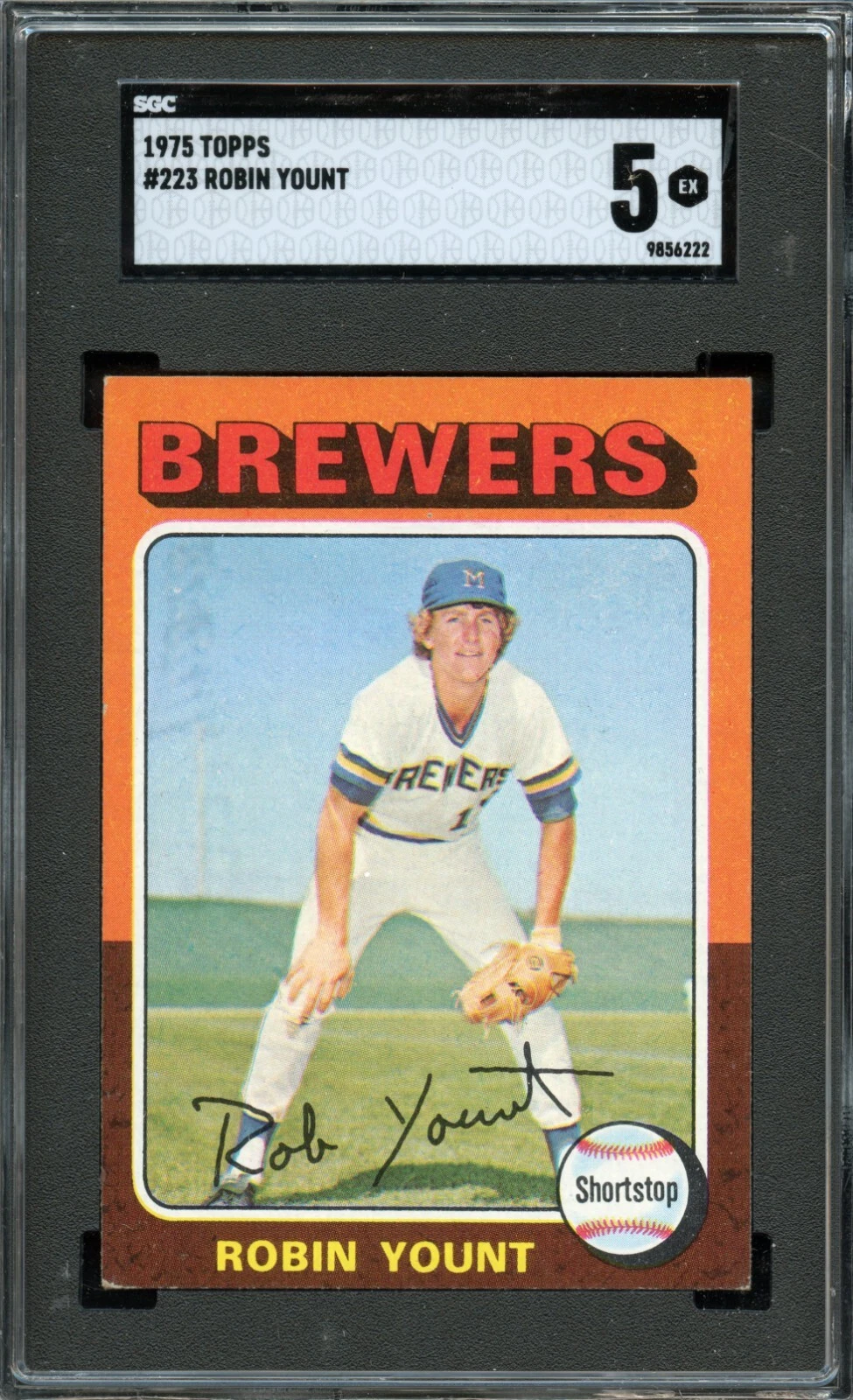
Choose a sport and a collecting direction
Baseball offers several deeper routes on this site, including vintage cards, PSA-graded cards, Topps, Bowman and individual set guides. Football and basketball have their own browsing pages with questions tailored to those sports. Begin with the area you enjoy following, then choose a manageable focus.
A collection can center on one player, a favorite team, a year, a design or a set checklist. Write down its boundaries. A clear focus makes it easier to recognize a useful addition and avoids buying a card merely because the listing appears alongside something you wanted.
Identify the complete card
Record year, manufacturer, product or set, player, card number and any relevant variation. A familiar photograph or player name can appear on multiple issues. The back of the card often supplies details that a front image leaves out, so review both sides whenever possible.
For a parallel, autograph or serial-numbered card, ask what distinguishes that version and whether the listing photographs show it. Do not treat a similar color or an abbreviated title as a complete identification. The exact issue determines which comparisons are meaningful.
Read the grading label and inspect the card
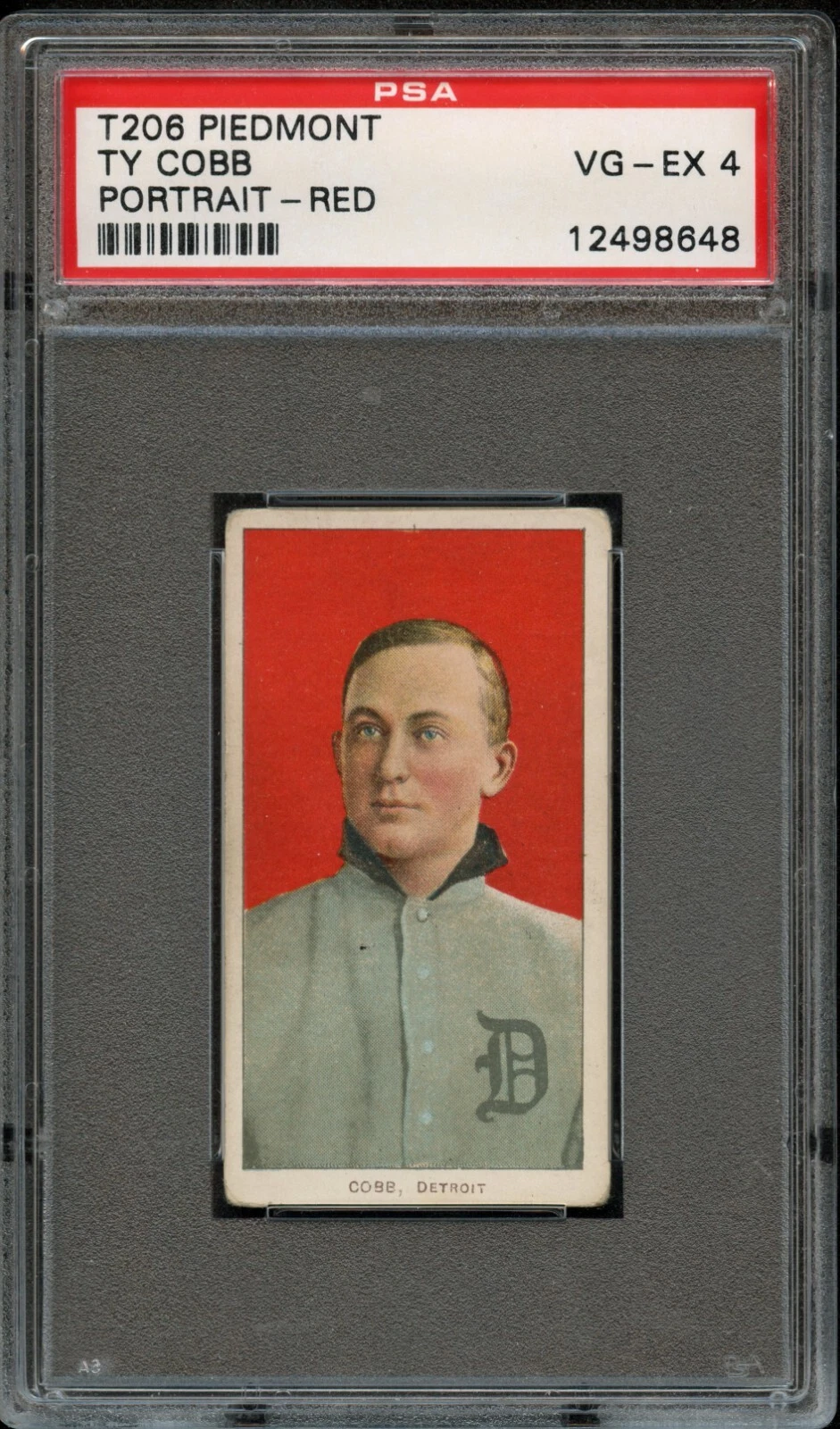
A grading label provides a structured identification and assessment under that company’s standards. Read the full label rather than only the large number. Then examine the card’s centering, corners, edges and visible surface, recognizing that photographs cannot reveal every detail.
Use the grading company’s official certification lookup where available and compare its record with the card and holder shown. PSA states that verification alone does not eliminate risk. A matching number is useful evidence, but the physical item and its photographs still matter.
Compare examples that answer the same question
If you want a particular card for a set, compare the same issue and variant. If you are choosing between grades, decide whether the visual difference matters to your purpose. A higher label number and better personal eye appeal are not always the same buying preference.
Separate the card’s condition from the holder’s condition. A scratched slab can obscure the view of a card; a clean slab does not remove flaws in the card itself. Ask the seller to distinguish marks on the plastic from marks on the collectible.
Build a record as the collection grows
Keep the card’s identifying details, grade, certification number when present and purchase record together. Add photographs that show the front and back. For a set collection, maintain a checklist with exact card numbers so duplicates and missing cards are easy to recognize.
Document uncertainty instead of guessing. If a variation has not been established, mark it unresolved until an appropriate checklist or clear photograph answers the question. A small amount of organized information saves repeated research later.
Move from research to current listings
Use the sport and category pages to choose the right inventory destination. Each listing should be evaluated on its own photographs, description, included items and terms. This site provides evergreen context; the marketplace listing determines whether a particular card is offered and what the transaction includes.
Plan storage before the cards arrive. Protect holders from unnecessary rubbing, use appropriately sized supplies and keep the collection in a stable location. When considering a sale, photographs, a card list and grading information make a collection submission much easier to review.
Sources & further reading
Primary references for the terminology and factual details discussed above.
Explore the actual listings.
Read the item description, photographs, condition notes and terms on eBay. Selection and availability change.
Browse Current Sports Cards Inventory ↗Explore Sports Cards ↗