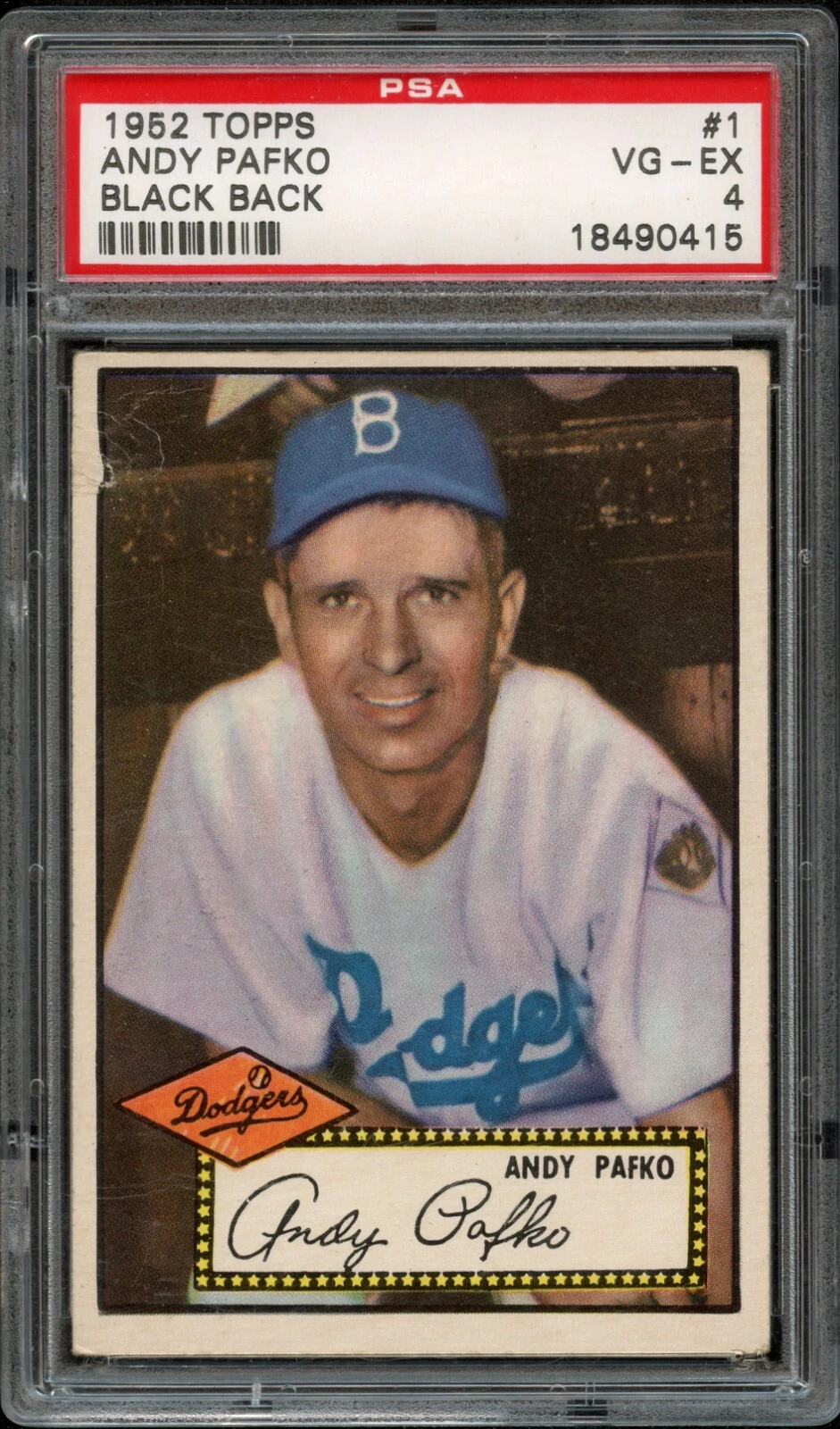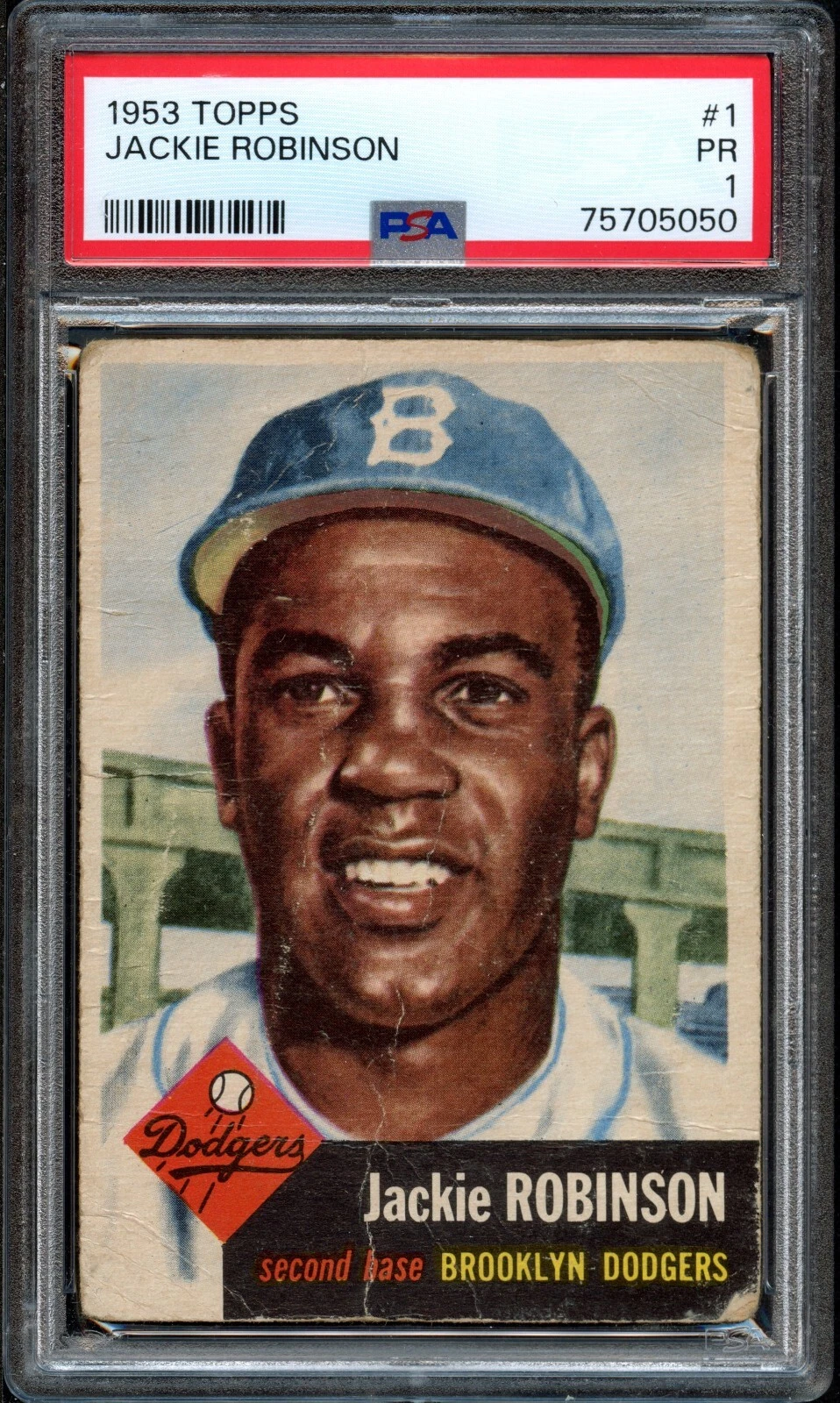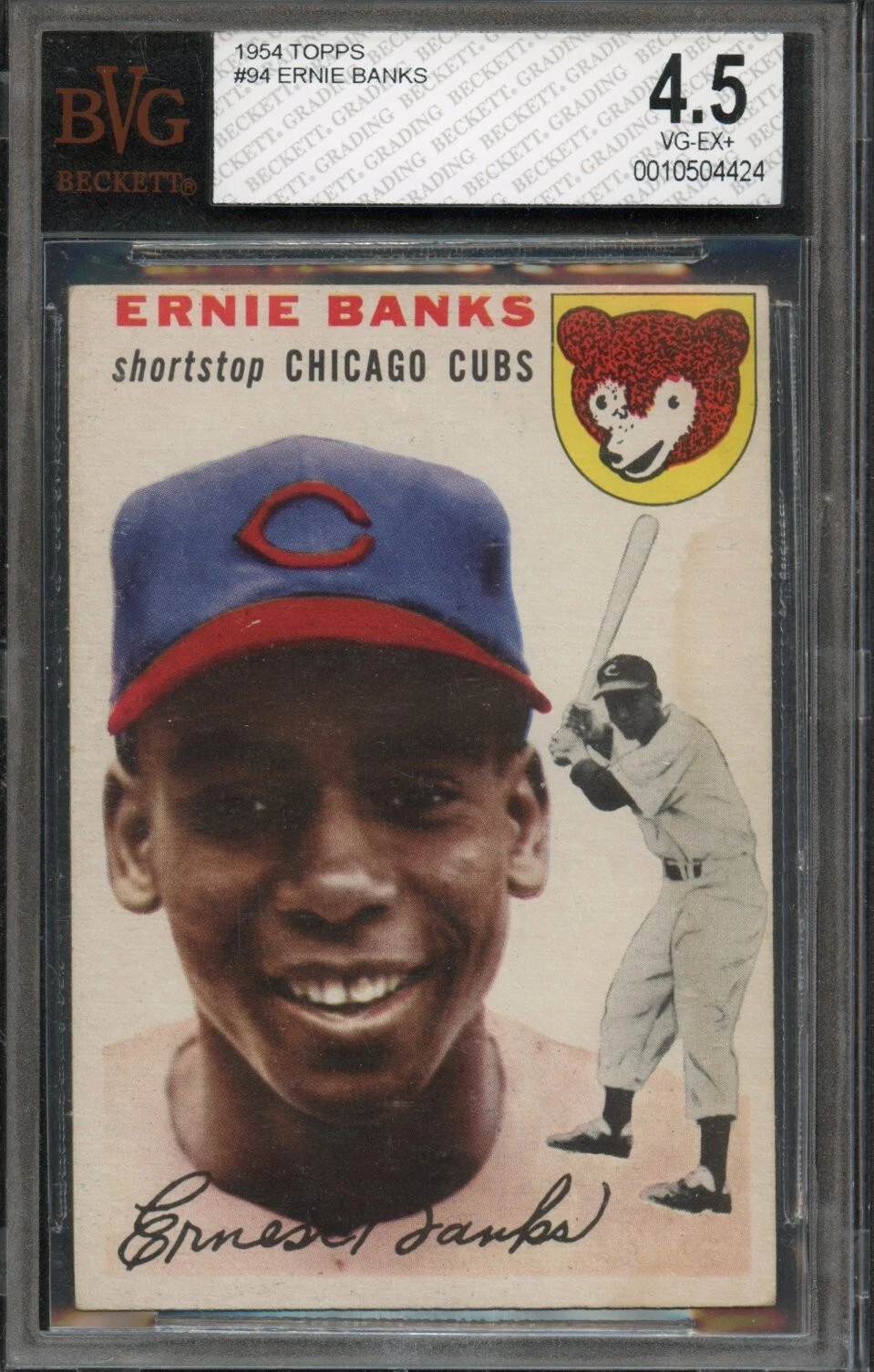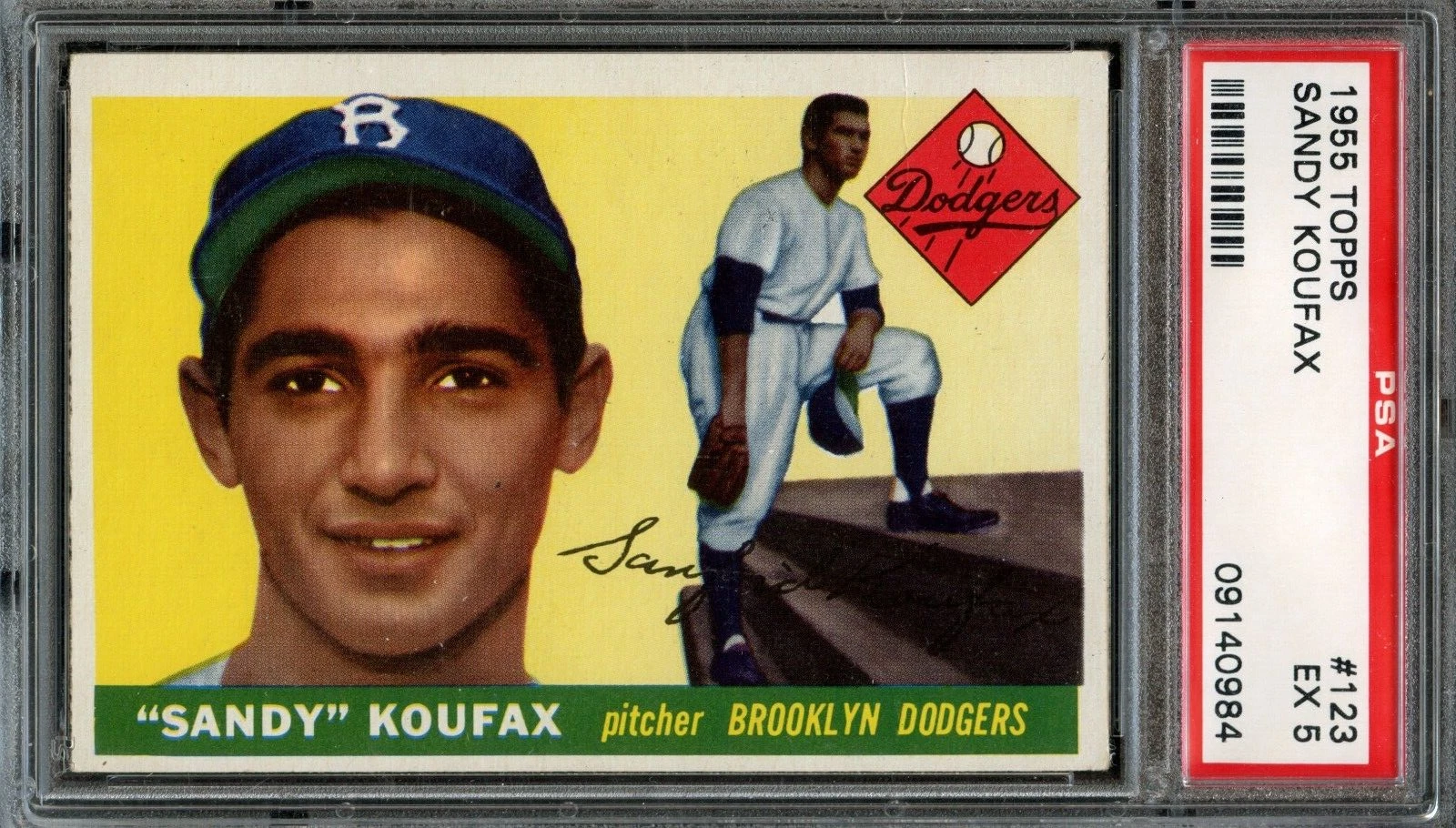
Browse by era with a specific objective
An era is a useful way to narrow the field, but it does not identify a card on its own. If you are interested in older baseball issues, choose whether your goal is one representative card, a favorite team or a larger set. That decision changes how much condition consistency and checklist completeness matter.
Terms such as pre-war, post-war, vintage and modern are broad organizing labels. Use the year and exact set to make a purchase comparison. The vintage baseball page develops that approach and links to set-level information rather than treating all older cards as equivalent.
Explore Topps and Bowman as separate routes
The Topps and Bowman pages help you navigate two substantial collecting areas. Begin with the year and full product name, then check the card number. Similar brand names across different releases do not establish that two cards belong to the same set.
For a player collection, distinguish a prospect issue, a rookie-designated card and later career cards through the actual checklist and card details. A seller’s shorthand may omit those distinctions. Choose the type you want to collect before comparing asking prices or grades.
Use set guides to understand the whole card
The guide library covers selected Topps sets from the 1950s through the early 1970s. Read the relevant year before you buy if you need help identifying the design, understanding checklist context or spotting questions worth asking. A set guide remains useful even when the card you wanted sells.
When building a set, maintain a list of exact card numbers and the condition range you find acceptable. Decide how to handle duplicates and upgrades. This makes each purchase a deliberate addition rather than an isolated bargain that does not advance the checklist.
Evaluate graded cards as individual examples
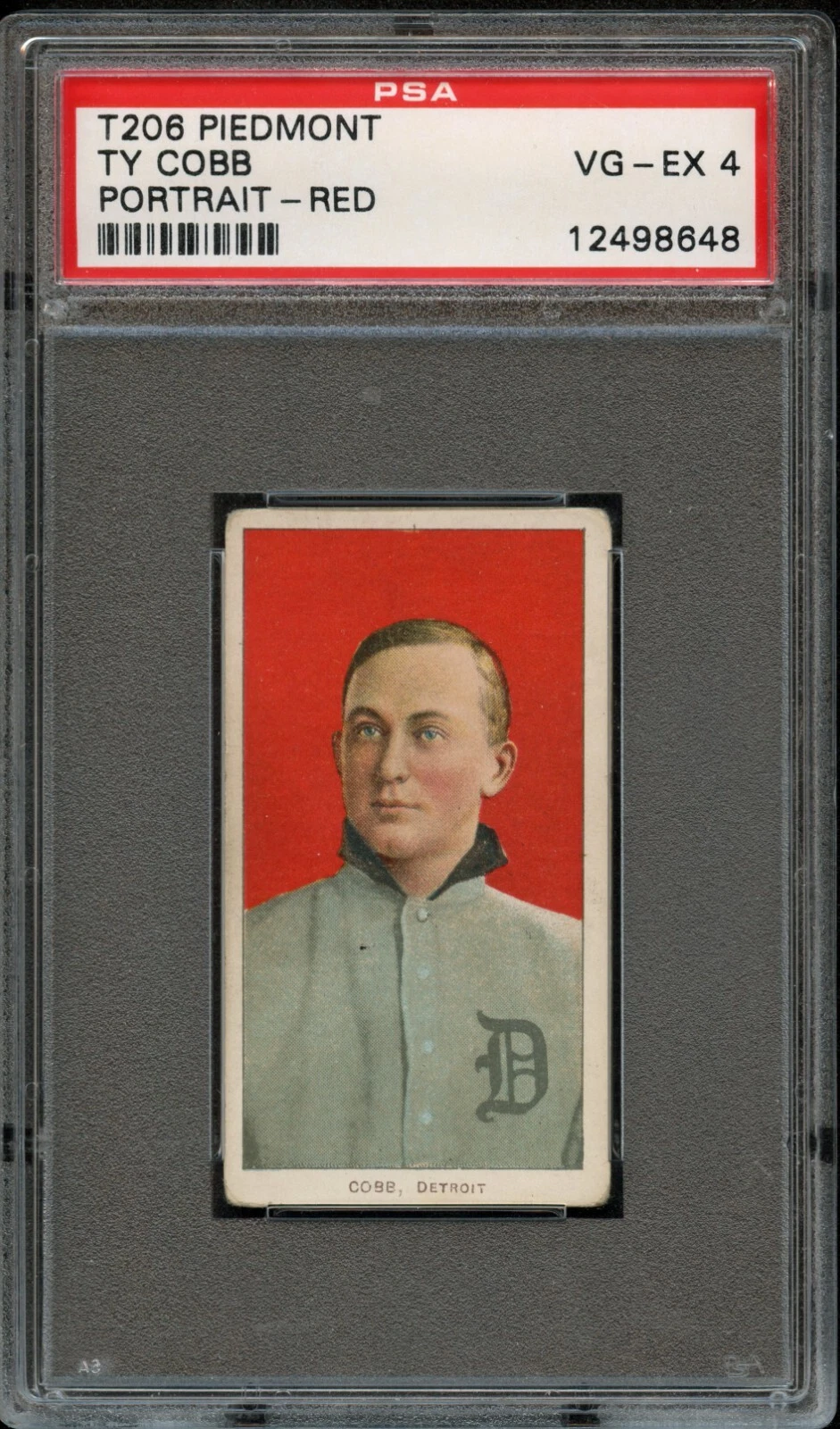
The PSA-graded baseball page explains how to use the label and certification information. Read the complete identification and compare it with the card photographs. Review front and back, then distinguish an issue on the card from a reflection or scratch on the holder.
Two cards with the same numerical grade can still look different to you. Centering, image clarity and the placement of visible wear may influence your preference. Use the grade as part of the evaluation and inspect the example you will actually receive.
Keep descriptions and comparisons exact
A useful comparison includes the same year, set, card number and variation, followed by condition and grading details. If those fields differ, explain the difference before deciding one listing is cheaper. Reprints and later commemorative versions also require their own descriptions rather than being grouped with an earlier issue by image alone.
For raw cards, photographs and a clear condition description carry more of the review. Ask for missing information instead of assigning a hypothetical future grade. The card should make sense to you in the condition and form in which it is offered.
Browse inventory or prepare a collection submission
Follow the appropriate category link to current TrendingArt eBay inventory, then check the individual listing for availability, photographs and purchase terms. Search with the identifying information you established here: player, year, set and card number where known.
If you are selling a baseball collection, start with an overview and a list of significant groups. Include grading labels, approximate quantity, years or sets represented and clear sample photographs. Avoid promising yourself a value from an incomplete list; the collection needs to be understood before it can be reviewed meaningfully.
Sources & further reading
Primary references for the terminology and factual details discussed above.
Explore the actual listings.
Read the item description, photographs, condition notes and terms on eBay. Selection and availability change.
Browse Current Sports Cards Inventory ↗Explore Graded & Collectible Sports Cards ↗