Build around a team or a player
A team collection needs clear boundaries. You might collect players shown in that team’s uniform, cards issued during a particular season or a chosen manufacturer’s team subset. Those approaches can produce different checklists. Decide which one you mean before searching so every new card follows the same rule.
For a player collection, consider whether you want career milestones, one representative card per season or a focused group of issues. A manageable checklist can be more satisfying than trying to acquire every variation without a plan. Include the exact product and card number in your notes.
Read rookie descriptions precisely
A player may appear on different cards around the start of a professional career. Determine what a listing actually offers: the year, release, card number, imagery and any printed rookie designation. If the seller’s use of “rookie” is central to your decision, verify the issue through an appropriate checklist.
Do not assume two cards are equivalent because both titles use the same abbreviation. A college-uniform image, a professional-uniform image and different products may serve different collecting goals. Identify the object first, then decide which version you prefer.
Distinguish parallels and special features
If a listing claims a parallel, serial number, autograph or memorabilia feature, inspect the photographs that support it. Record the full version name and the visible numbering. A particular color in a photograph may be useful evidence, but lighting and similar designs can create confusion.
For an autograph or memorabilia card, read the manufacturer’s wording and the full grading label when present. Establish what is being described and assessed. Do not infer additional claims about a signature or material beyond what the card and documentation actually state.
Compare condition and grade together
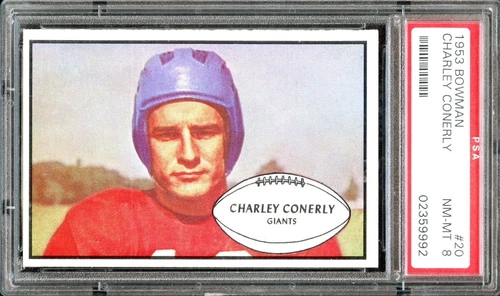
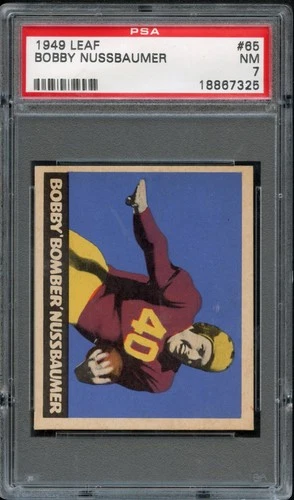
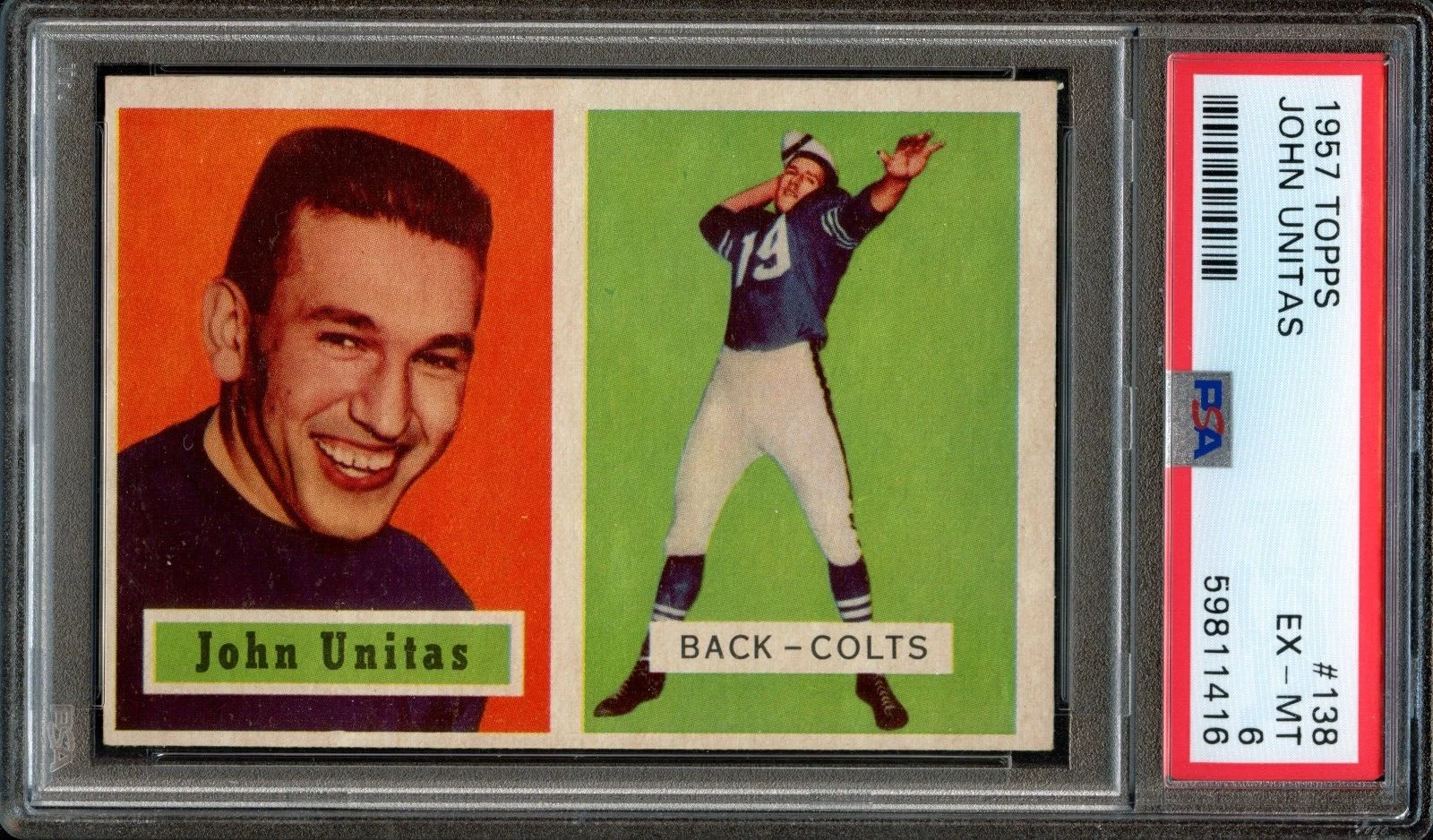
Read the grading company, numerical grade and complete card description. Then inspect the image itself, including centering, corners, edges and visible surface. Ask for a clearer view when glare makes a material area difficult to assess. A label cannot tell you whether you personally prefer one example’s appearance.
With a raw card, evaluate the offered condition and photographs without assuming a future grading outcome. With a graded card, inspect the holder separately for scratches or damage. If a mark could be on either surface, ask the seller to clarify it.
Keep the comparison consistent
Compare the same issue and version before drawing conclusions from price differences. A base card, a parallel and an autograph may show the same player but answer different collecting questions. Condition, documentation and included items should also be part of the comparison.
If you are collecting a set, decide whether consistent visual presentation matters more than uniform label numbers. A checklist with grade, certification number and a short condition note helps you understand what you own and which purchases would actually improve the collection.
Review the available listings
Use TrendingArt’s football inventory link for the current selection. Read each listing’s photographs, description, shipping and return terms, and confirm whether a listing contains one card or a group. Inventory can change, so this category page describes how to browse rather than promising a particular player or issue.
Keep purchase records and front-and-back images with your collection notes. If you want to sell a football collection, submit an overview, approximate quantity and clear examples, including grading labels where applicable. Organized information helps identify the collection’s scope before any purchasing decision is made.
Sources & further reading
Primary references for the terminology and factual details discussed above.
Explore the actual listings.
Read the item description, photographs, condition notes and terms on eBay. Selection and availability change.
Browse Current Sports Cards Inventory ↗Explore Graded & Collectible Sports Cards ↗