Choose the story your collection will tell
A player collection can follow a career through teams, seasons and card designs. A team collection might focus on a single roster or a longer era. Define the scope clearly enough that you can explain why a new card belongs. That keeps browsing connected to a collection you actually want to build.
You can also collect visually: portrait cards, action photography or a particular design approach. If appearance is the main goal, allow it to influence your choice of example. A grade or edition label should inform that decision rather than replace your response to the card.
Identify the full product and version
Record year, manufacturer, product, player and card number. Add the parallel or variation where relevant. The same player can appear across several designs and formats, and a cropped listing thumbnail may make them look more alike than they are. Review the back as well as the front.
When a listing names a special finish or numbered version, request a photograph that shows it. Keep the exact version name in your notes. An incomplete title is a reason to ask a question, not to fill in the missing details from another seller’s similar card.
Review rookie-card claims in context
If you are collecting rookie issues, decide which release you are seeking and why. A printed rookie designation, a seller’s description and a broader claim of an early appearance can refer to different aspects of a card. Check the issue against an appropriate manufacturer checklist when the distinction matters.
Avoid grouping every early-career card into one comparison. Different products, parallels and autograph versions may appeal to different collectors. The precise identification makes the choice understandable without assuming that every card carrying a rookie label has the same status.
Balance grade with the actual appearance
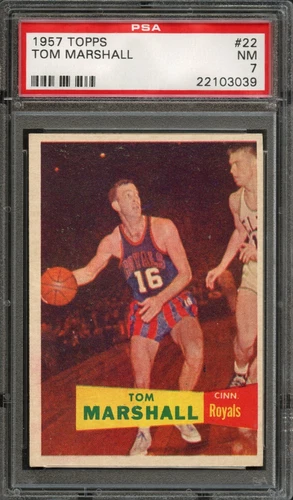
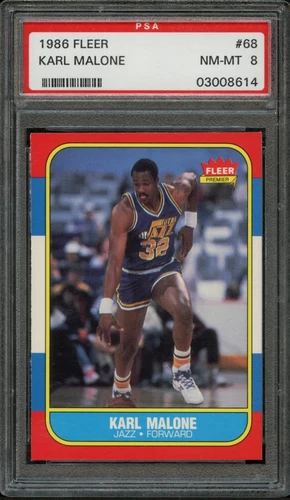
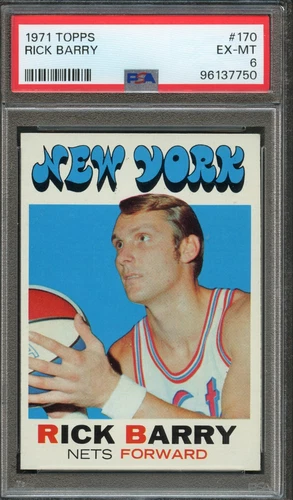
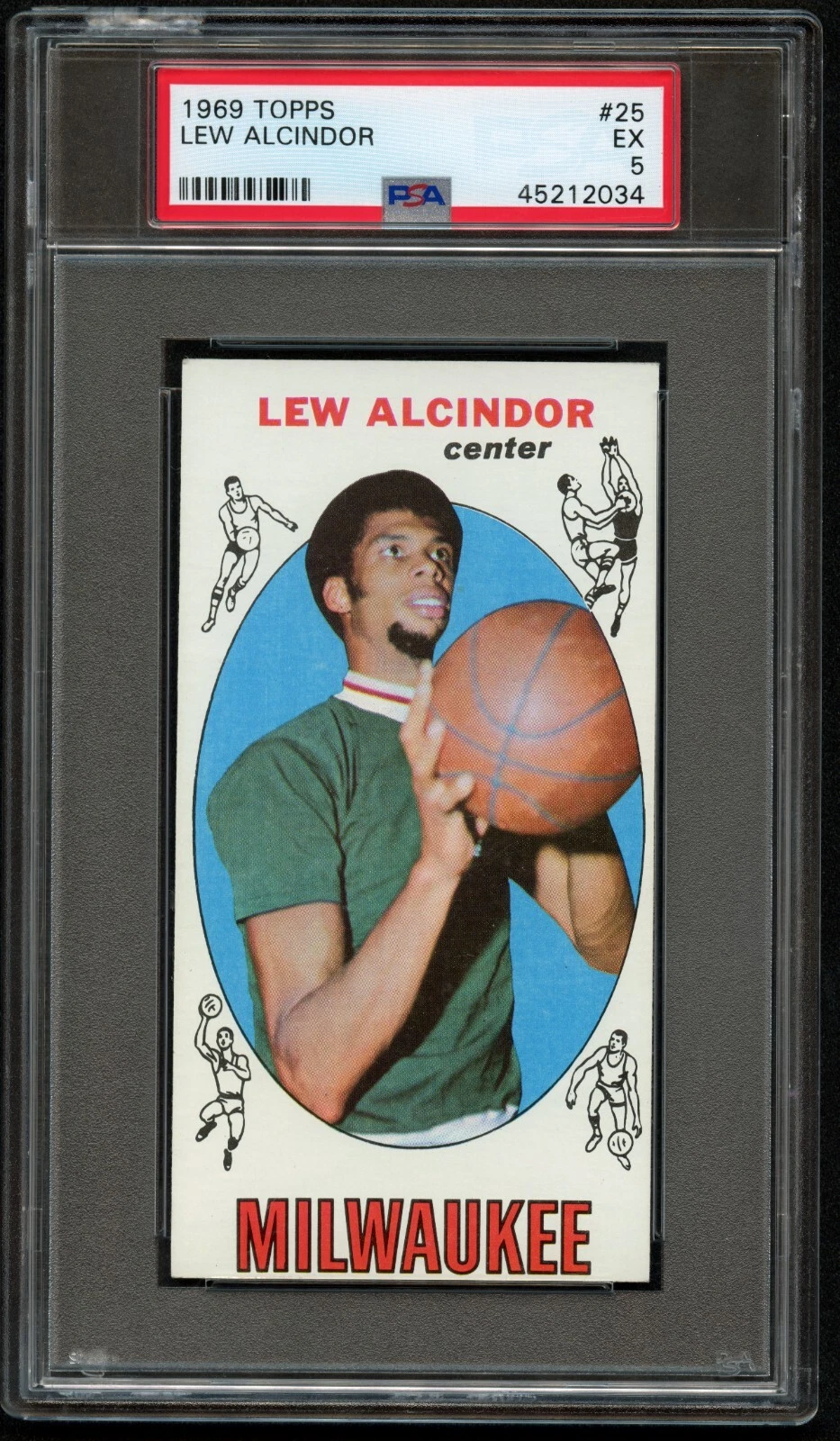
For a graded example, read the complete label and inspect the card photographs. Look at centering, corners, edges and visible surface, then decide how those details affect your display preference. A numerical grade is not a photograph and does not remove the need to review the particular card.
Glossy or reflective surfaces can be difficult to evaluate under strong light. Ask for another angle if a reflection obscures an area. Also distinguish the card’s surface from scratches on the holder. A simple clarification can prevent a buyer from misunderstanding what is actually marked.
Compare the whole purchase
Put matching issues beside one another and compare version, condition, grading company, grade and holder condition. Include the listing’s contents and transaction terms. If one offer is a group or includes a different parallel, the comparison needs to account for that before focusing on price.
For a set project, maintain a card-number checklist and record duplicates deliberately. For a player collection, keep product names complete so that similarly named releases do not become confused. Photographs and certification numbers, where present, make the record easier to verify later.
Browse and care for your collection
Follow TrendingArt’s basketball inventory link for current listings, then review the actual photographs and description. The available selection changes; this evergreen category page does not guarantee that a specific player, year or grade remains in stock. Use the individual listing for purchase details.
After buying, store the card or holder in an appropriately sized protective arrangement and keep records together. If you have a basketball collection to sell, include approximate quantity, years or sets represented and clear front-and-back examples. Show grading labels and describe whether you are submitting individual cards or the entire collection.
Sources & further reading
Primary references for the terminology and factual details discussed above.
Explore the actual listings.
Read the item description, photographs, condition notes and terms on eBay. Selection and availability change.
Browse Current Sports Cards Inventory ↗Explore Graded & Collectible Sports Cards ↗