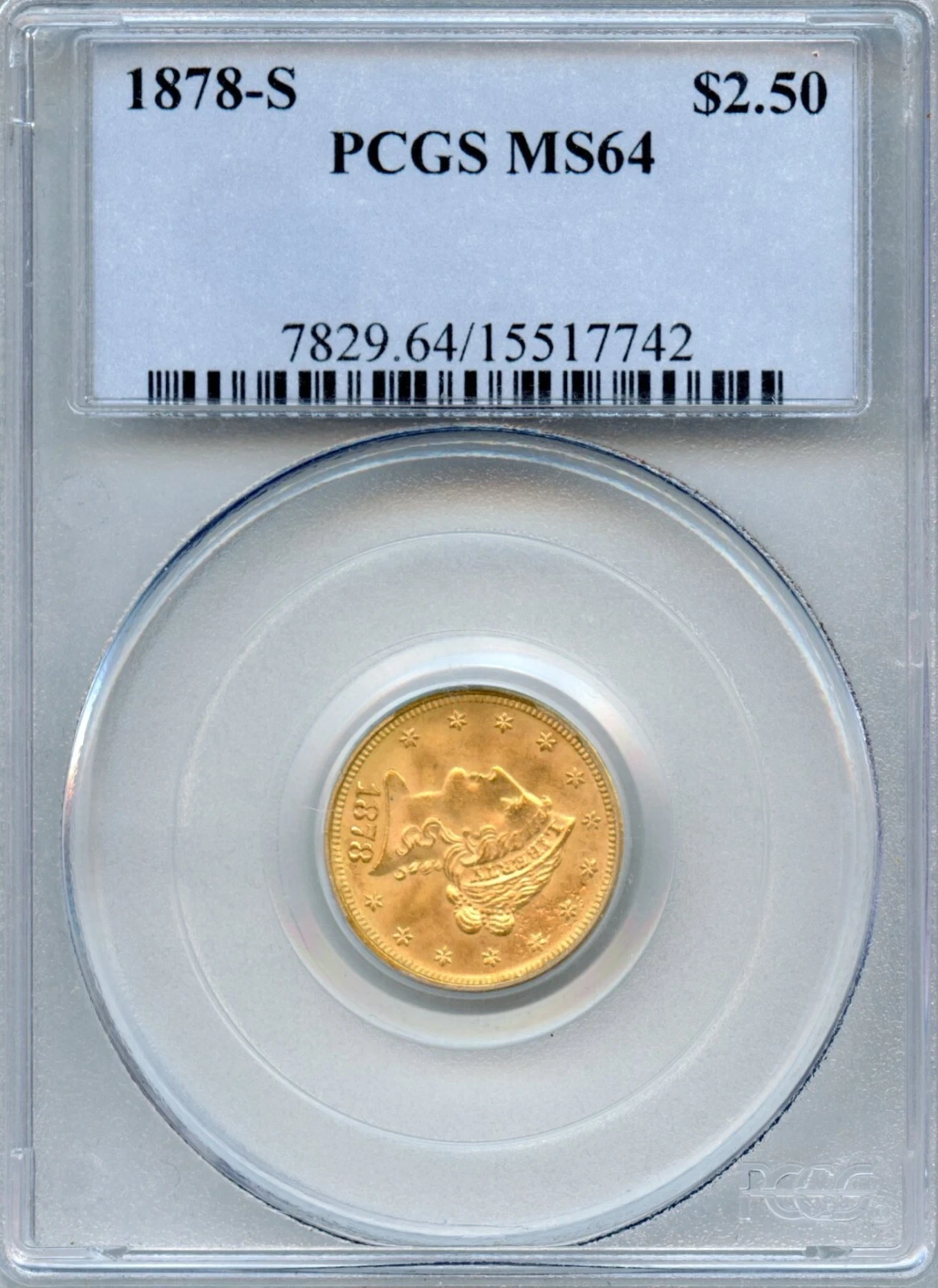
Find a collecting direction
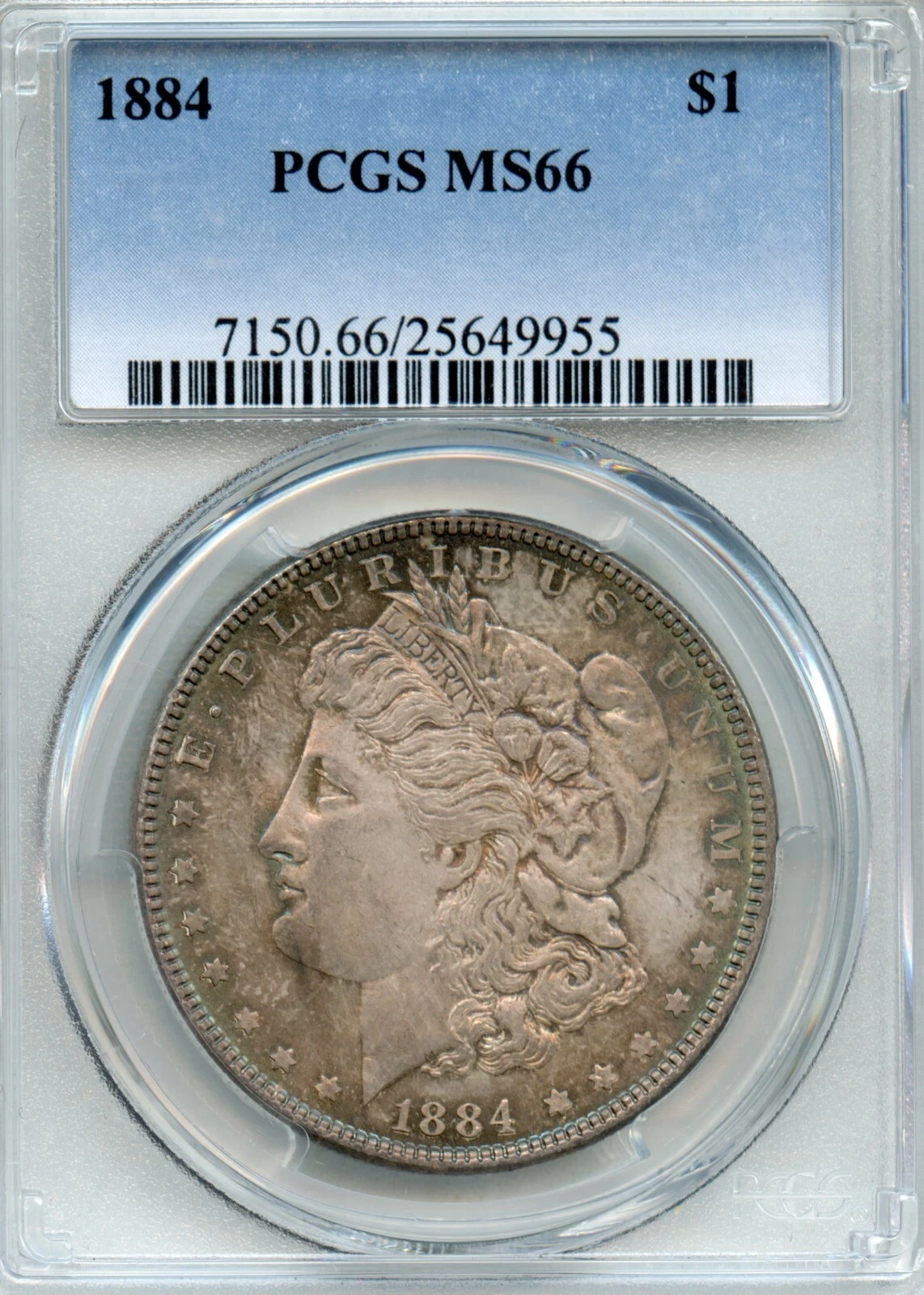
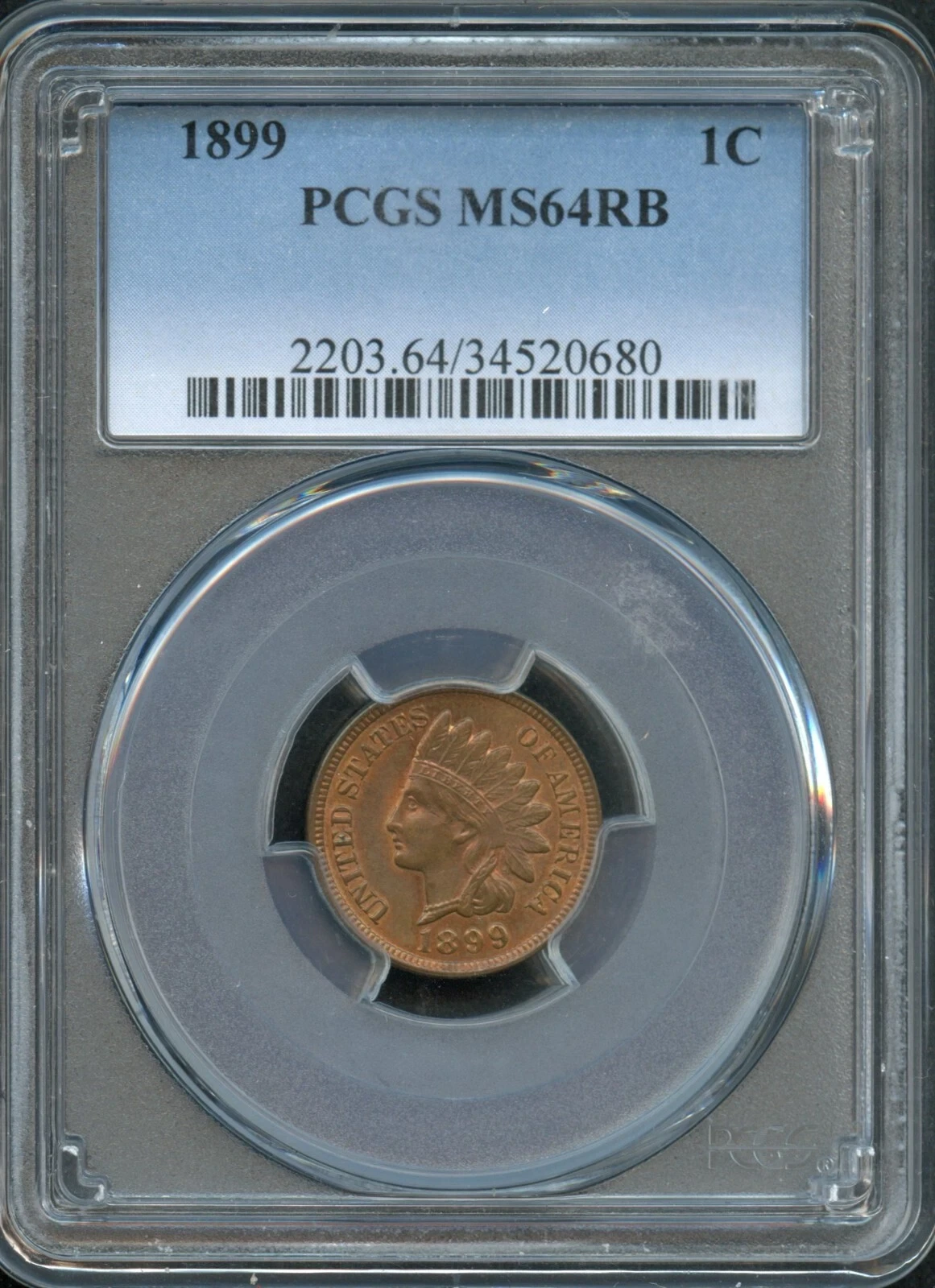
Morgan dollars offer a large format for comparing portraits, mint marks and surfaces. Buffalo nickels and Indian Head cents provide different designs and useful type distinctions. Mercury dimes and Walking Liberty half dollars let you explore related work by Adolph A. Weinman across two denominations. American Silver Eagles introduce modern issues and collector finishes. Each category page explains the details that matter within that series.
Ancient coins call for a different organizing approach. A ruler, city, denomination or reverse subject can define a focused project. Attribution references and documented ownership history deserve attention alongside the appearance of the coin. Begin with one topic you can research rather than assuming that every old coin belongs in the same kind of checklist.
Decide what belongs in your collection
A type collection uses representative examples to show different designs. A date collection follows a chosen sequence of years. A date-and-mint collection distinguishes where the coins were made as well as when. You can also build a personal group around meaningful dates or a small number of visually appealing specimens.
Write down the scope before browsing. Decide whether raw and certified coins both belong, whether you want a consistent condition range, and which varieties require separate entries. These choices help you compare listings for a reason. An attractive coin can be worth studying without automatically belonging in your own collection.
Identify the coin before comparing condition
Record the denomination, series, date and mint information first. Add a finish, type or variety when it distinguishes the issue. A familiar design does not establish the complete identity: modern and historic coins can share design elements, and one year can contain more than one relevant type.
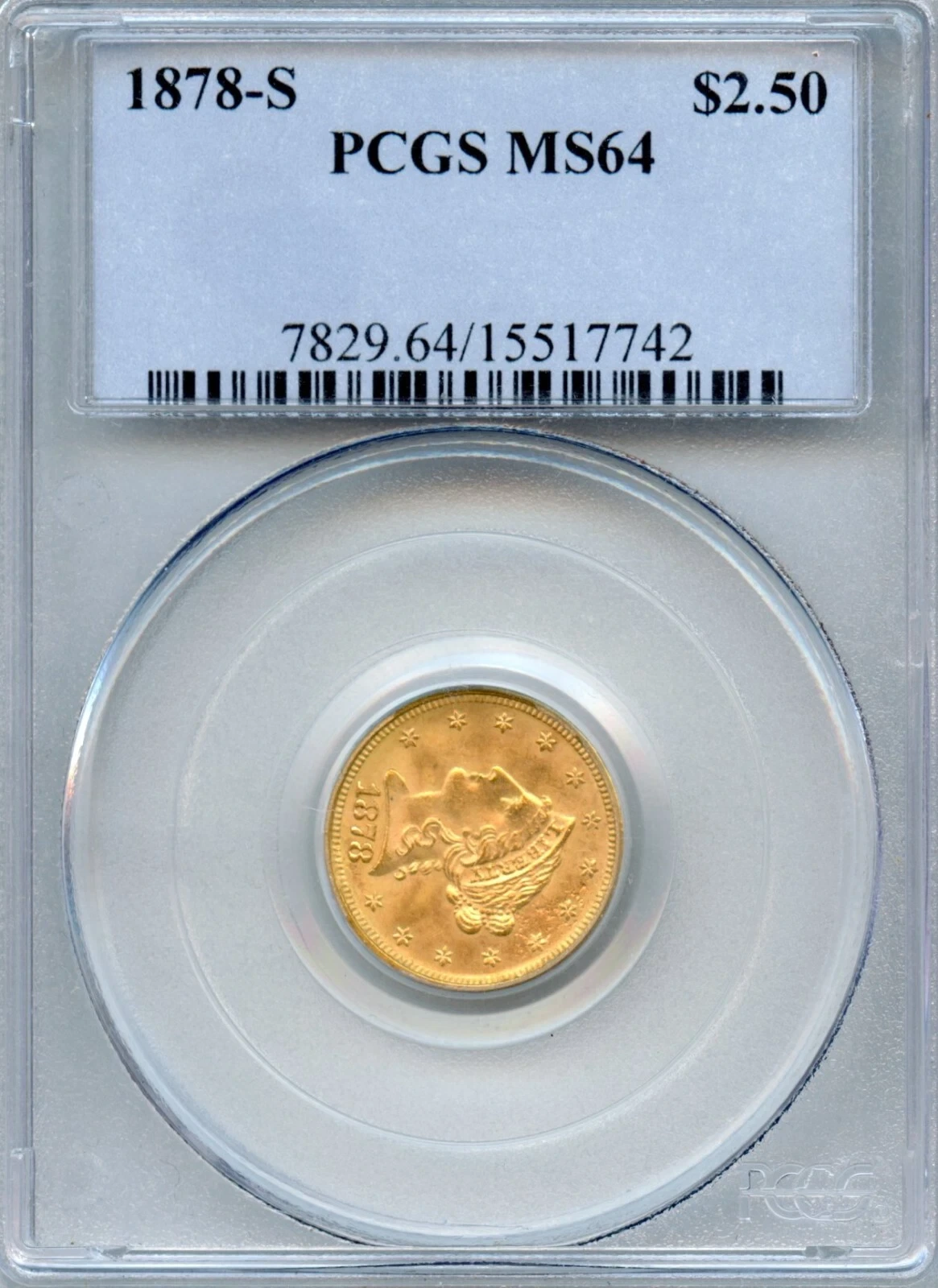
Review both sides of the actual coin. For a certified example, read the full label and compare its information with the grading service's record. For a raw example, distinguish the seller's description from details you can verify in the photographs. If a key identifying feature is unclear, ask for a closer image before treating the attribution as settled.
Understand what condition information can tell you
A grade provides a condition assessment under a particular framework. It does not tell you everything about color, mark placement or personal appeal. Additional wording can disclose surface issues or describe a feature important to a particular series. Read the entire description rather than extracting only a numerical grade.
Our grading guide explains common terms, while the raw-versus-graded guide compares the evidence available in the two buying formats. Use those references to form better questions. A photo can show a feature clearly without resolving its cause, and the most useful next step may be clarification rather than a more confident guess.
Browse individual listings and retain the record
The category links lead toward relevant TrendingArt eBay inventory, where the specific coin, photographs, description and transaction terms are available. Confirm those details on the actual listing. Evergreen category pages explain the collecting subject; they do not imply that every date, mint or grade is available.
After selecting a coin, retain the complete description, images, certification details if present and your own notes. For a collection you may wish to sell, that same record helps organize the submission: clear front-and-back images and an accurate inventory are more useful than unsupported estimates or broad claims about rarity.
Sources & further reading
Primary references for the terminology and factual details discussed above.
Explore the actual listings.
Read the item description, photographs, condition notes and terms on eBay. Selection and availability change.
Browse Current Coins Inventory ↗Explore Coins ↗