Choose a collection with a clear purpose
A title run organizes a collection around sequential issues. A creator-focused group follows a writer or artist across titles. A cover collection may emphasize imagery and display, while a reading collection puts access to the story first. These purposes can overlap, but they do not always point toward the same copy or format.
Write down the scope you intend to follow. Decide whether alternate covers, later printings and collected editions belong or should remain separate. A clear rule prevents a search result with familiar artwork from being mistaken for the precise issue needed. It also helps you evaluate a lot that contains both wanted books and material outside the project.
Identify the exact publication
Record the title, issue number, publisher, publication information and any edition or printing details supplied. Where a series has been relaunched or renumbered, a title and number alone may not be enough to distinguish the intended book. Compare the cover and label with the listing description rather than relying solely on a short search-result title.
If a particular variant or printing is the reason for your interest, look for evidence supporting that identification. Ask which visible feature or publication information distinguishes it. Keep the answer with your collection record. A dramatic cover image is useful for browsing but does not establish every bibliographic detail.
Compare raw and graded copies thoughtfully
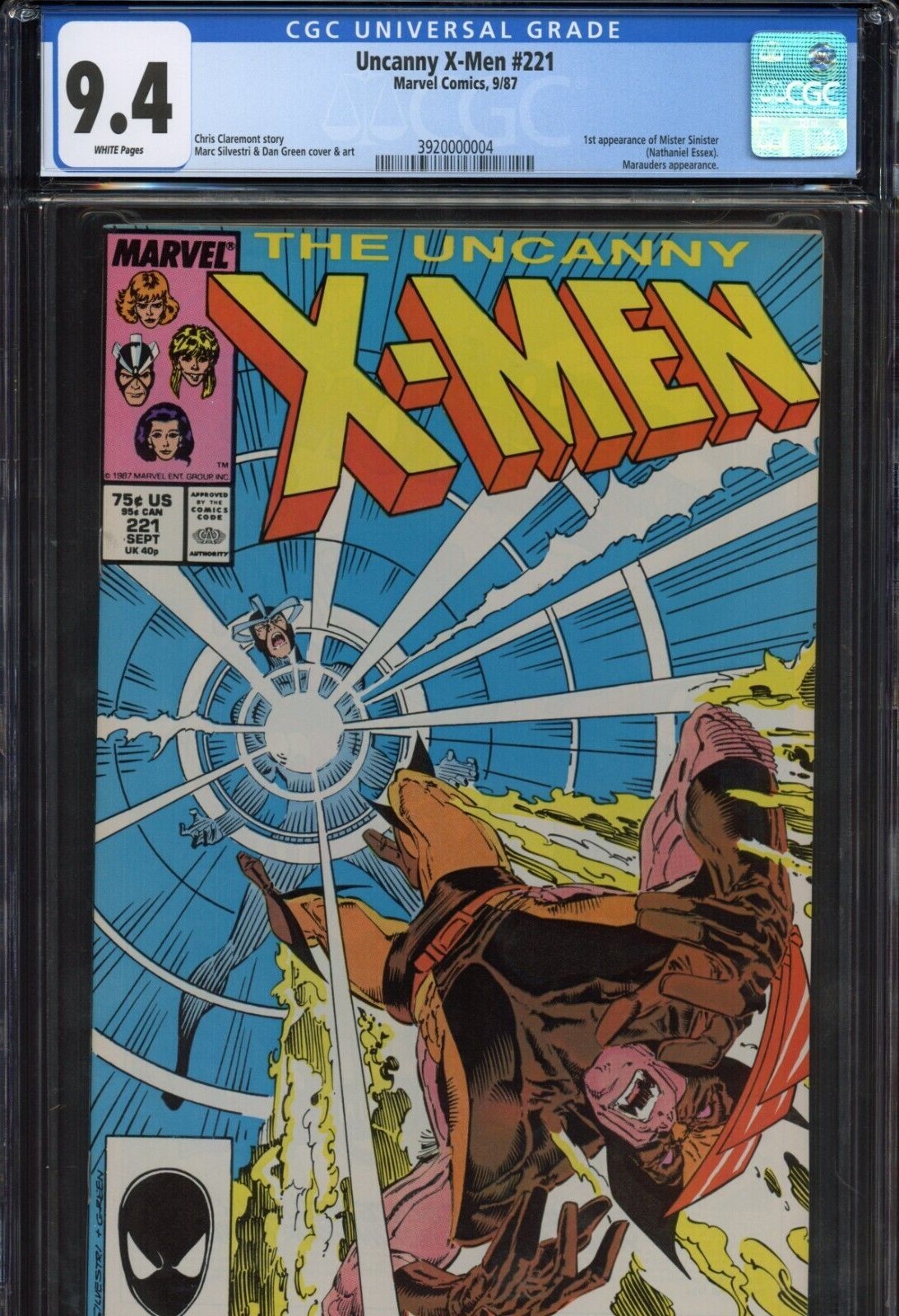
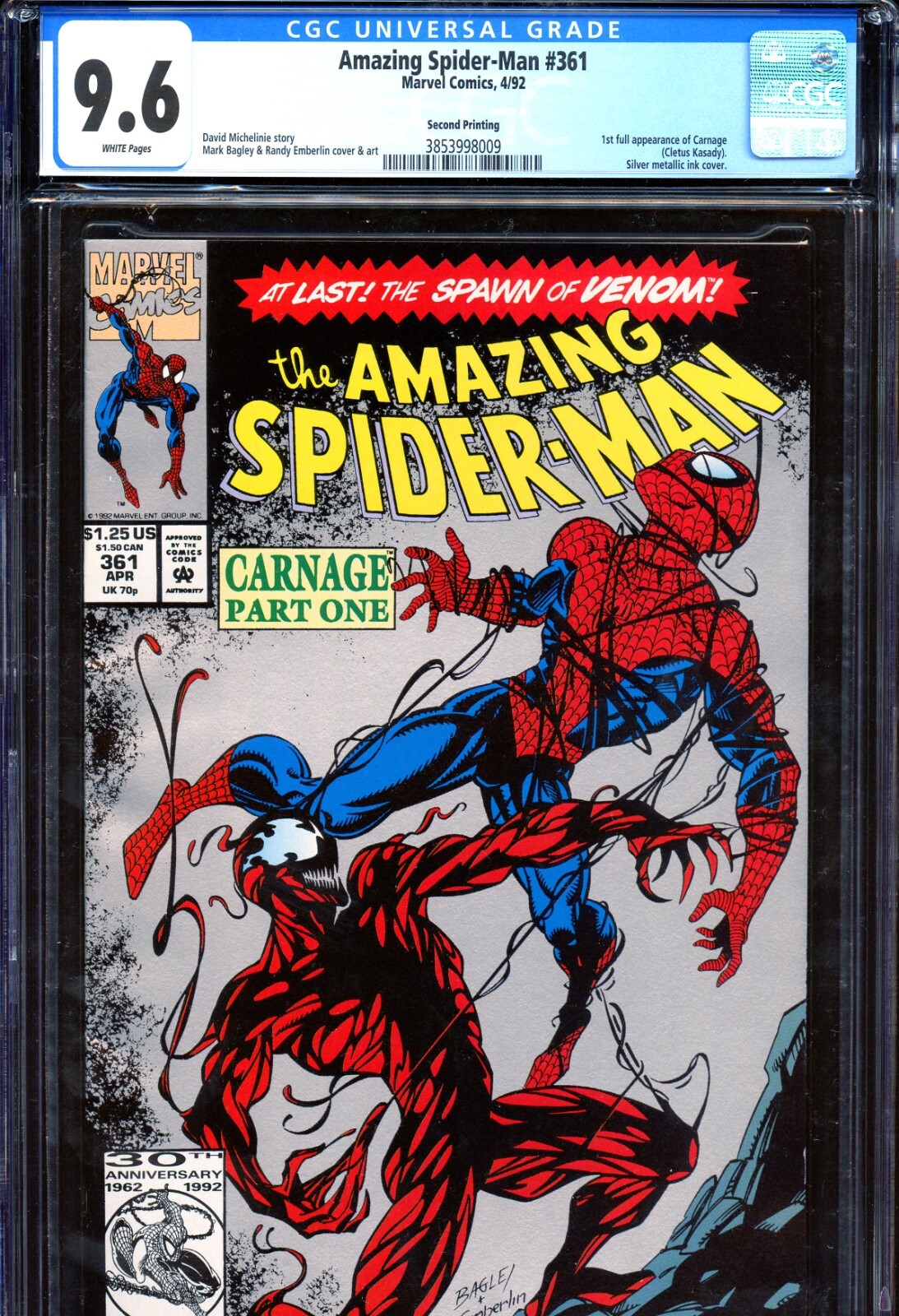
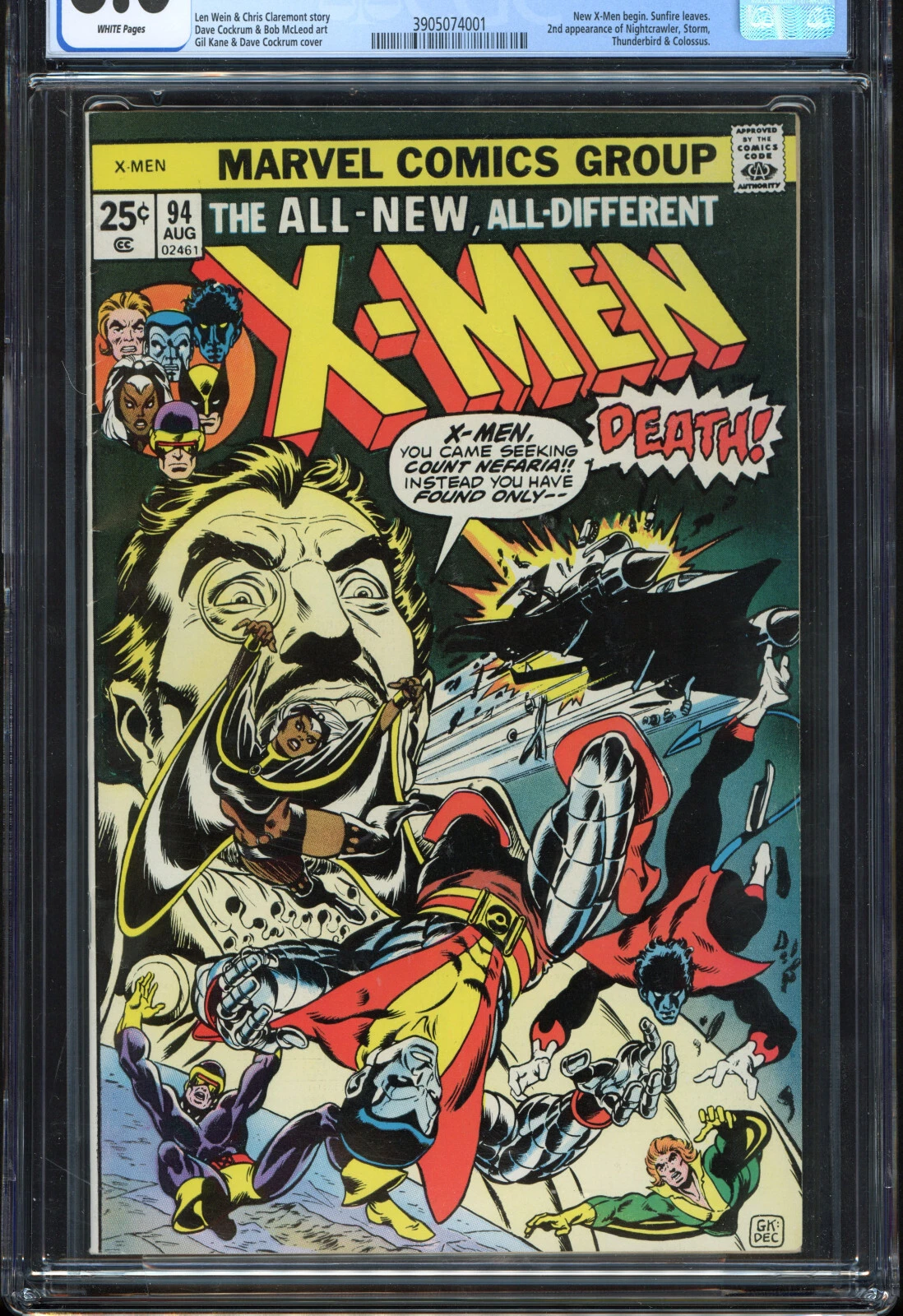
A raw comic permits direct examination and reading when handled appropriately, while a certified comic carries a grading company's documented assessment in a holder. For a graded copy, read the entire label, including edition information, condition notes and any special designation. Verify the certification through the service's own tools when available.
For a raw copy, ask about completeness and disclosed damage in addition to the overall condition description. A cover photograph cannot show every interior issue. If the purchase depends on details that are not visible, additional photographs or clarification are more useful than assuming the description covers them.
Read condition beyond a single number
CGC distinguishes its standard grading scale from page-quality and restoration information. That separation is a useful reminder to review the whole assessment. A number alone is not a complete explanation of a book's condition history, and label wording should remain part of any comparison.
Inspect the front and back covers, spine, corners and any photographed problem areas. Consider whether a visible mark belongs to the holder or the comic. For certified copies, grader notes may provide additional context when available. For all copies, retain disclosures about restoration, conservation, missing material or other alterations rather than reducing the record to a favorable summary.
Use individual listings to make the final comparison
TrendingArt's linked eBay inventory provides the actual books, photographs and transaction terms. Confirm whether the offer is for one issue, a group of issues or another format, and review what is included. Category content helps explain the collecting subject; it does not promise that a particular title or issue is available.
After purchase, keep an inventory entry with the full identification, images and grading information if applicable. Record your own observations separately from the seller's statements. If you are preparing a collection for review, organize it by title and issue and photograph representative books along with any specifically identified pieces. Clear organization makes the collection easier to understand without relying on unsupported claims.
Sources & further reading
Primary references for the terminology and factual details discussed above.
Explore the actual listings.
Read the item description, photographs, condition notes and terms on eBay. Selection and availability change.
Browse Current Comics Inventory ↗Explore Comics ↗