Choose a theme before chasing completeness
A character collection can compare different depictions of one Pokémon. A set project follows an expansion checklist. A visual collection can prioritize artwork and presentation over completing a numerical run. None requires collecting every card that appears in a search result. A small group with a clear purpose can be easier to enjoy and document than an undefined accumulation.
Decide how language, version and condition fit that purpose. If you mix languages, note that choice explicitly. If the goal is one version of each card, define what counts as a separate version before filling the checklist. Clear boundaries make it easier to recognize a duplicate and to understand why a particular card is still missing.
Identify the printing, not only the character
A Pokémon's name is a starting point, not a complete card identity. Record the set or expansion, collector number, language and any relevant edition or finish description. Compare those fields with the photographed card. The official Pokémon card database supports searches by expansion and other characteristics and can help establish a reference point.
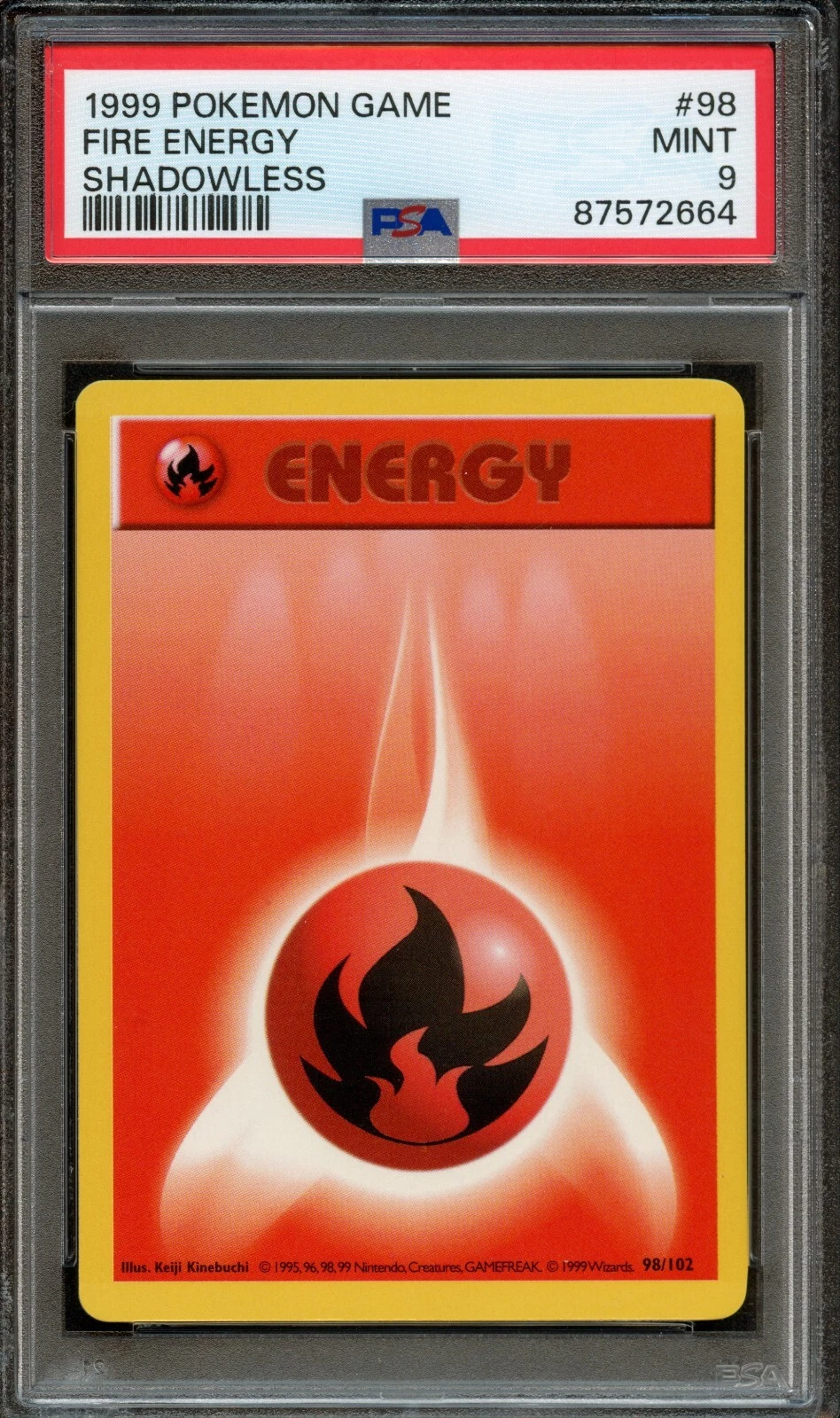
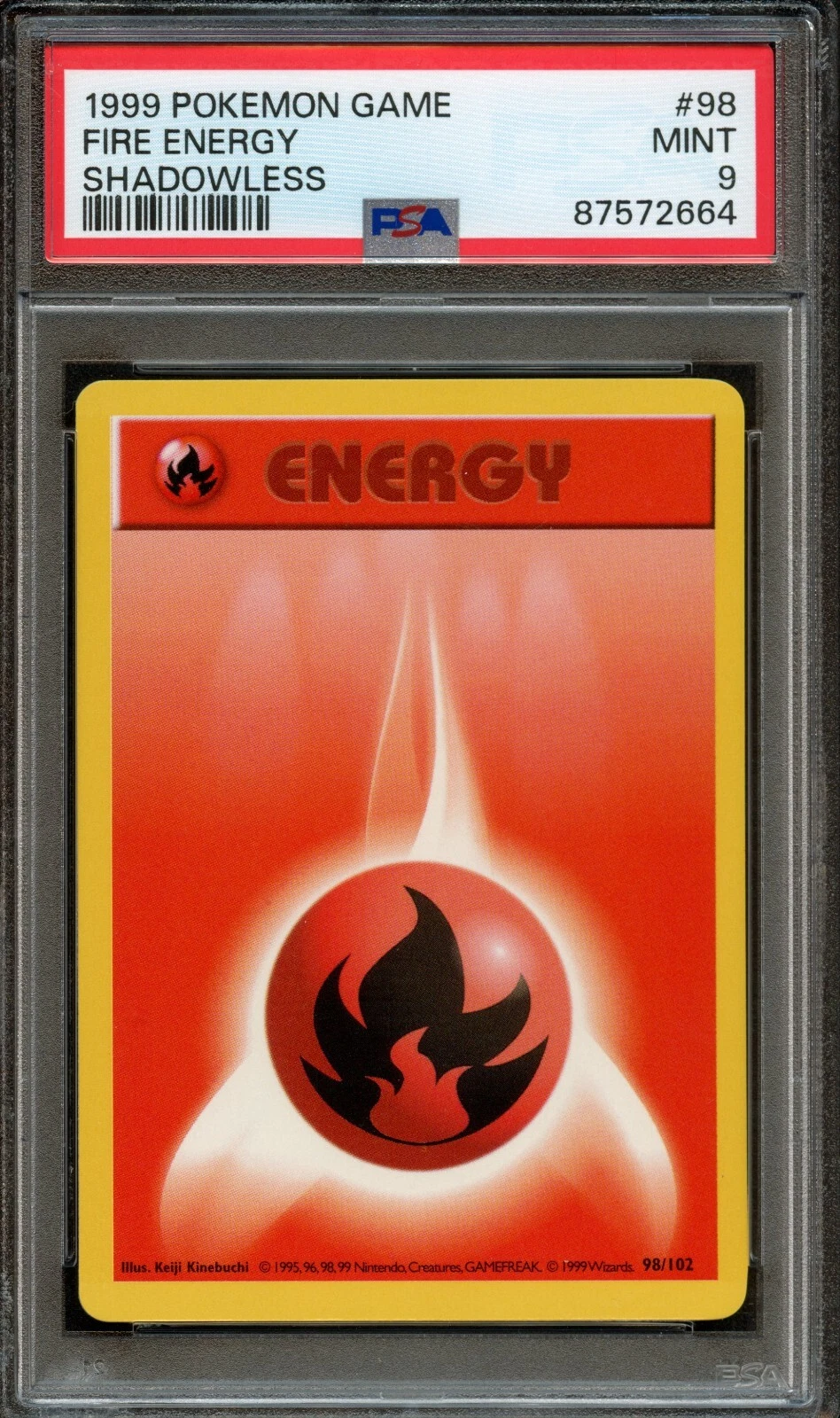
When a listing uses terms such as first edition, unlimited or shadowless, check the feature being described rather than treating the words as interchangeable signals of age. These distinctions require the correct card and printing context. If you cannot see the area that supports the claim, request an image that makes the identification review possible.
Treat grading as one layer of information
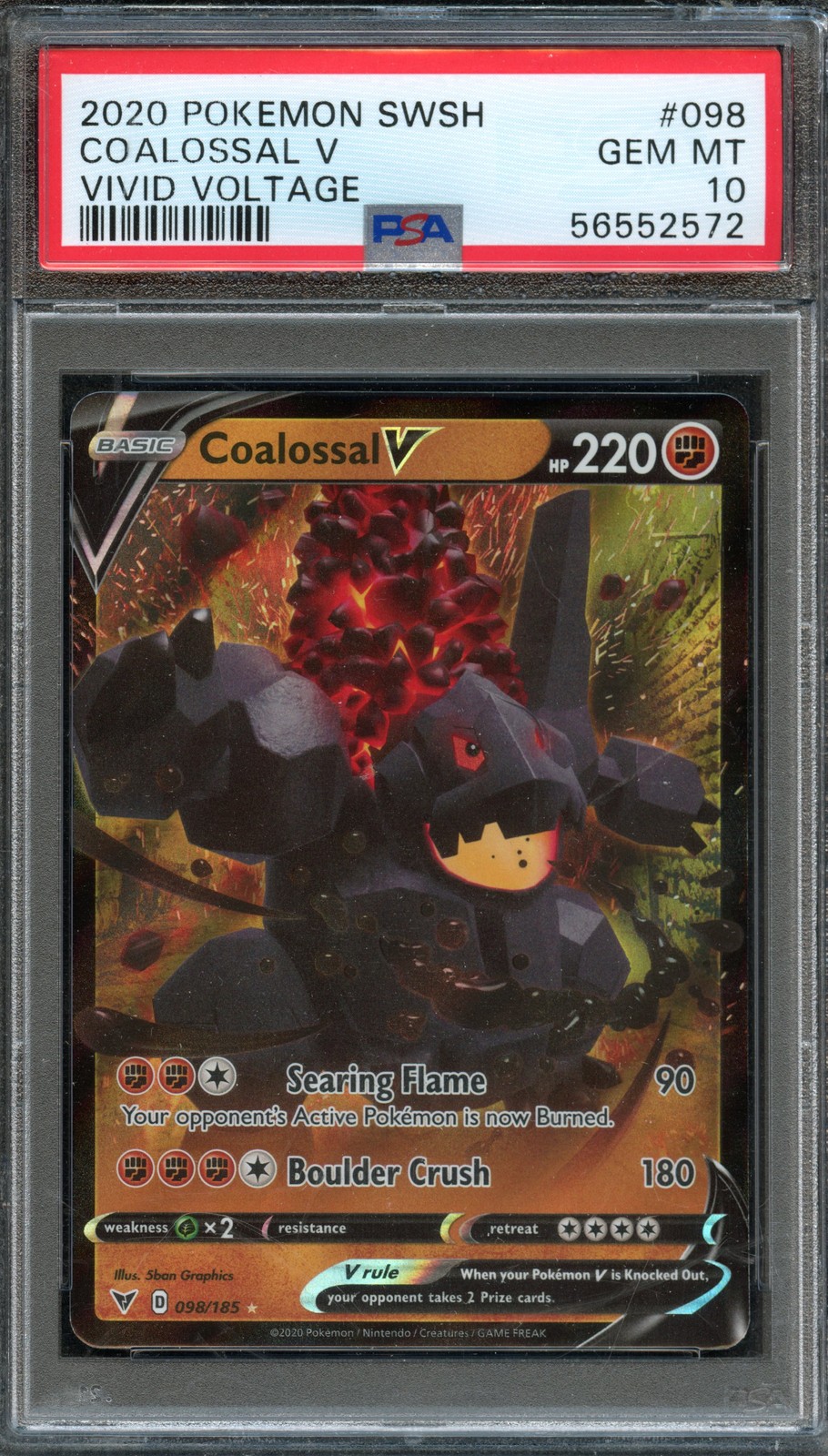
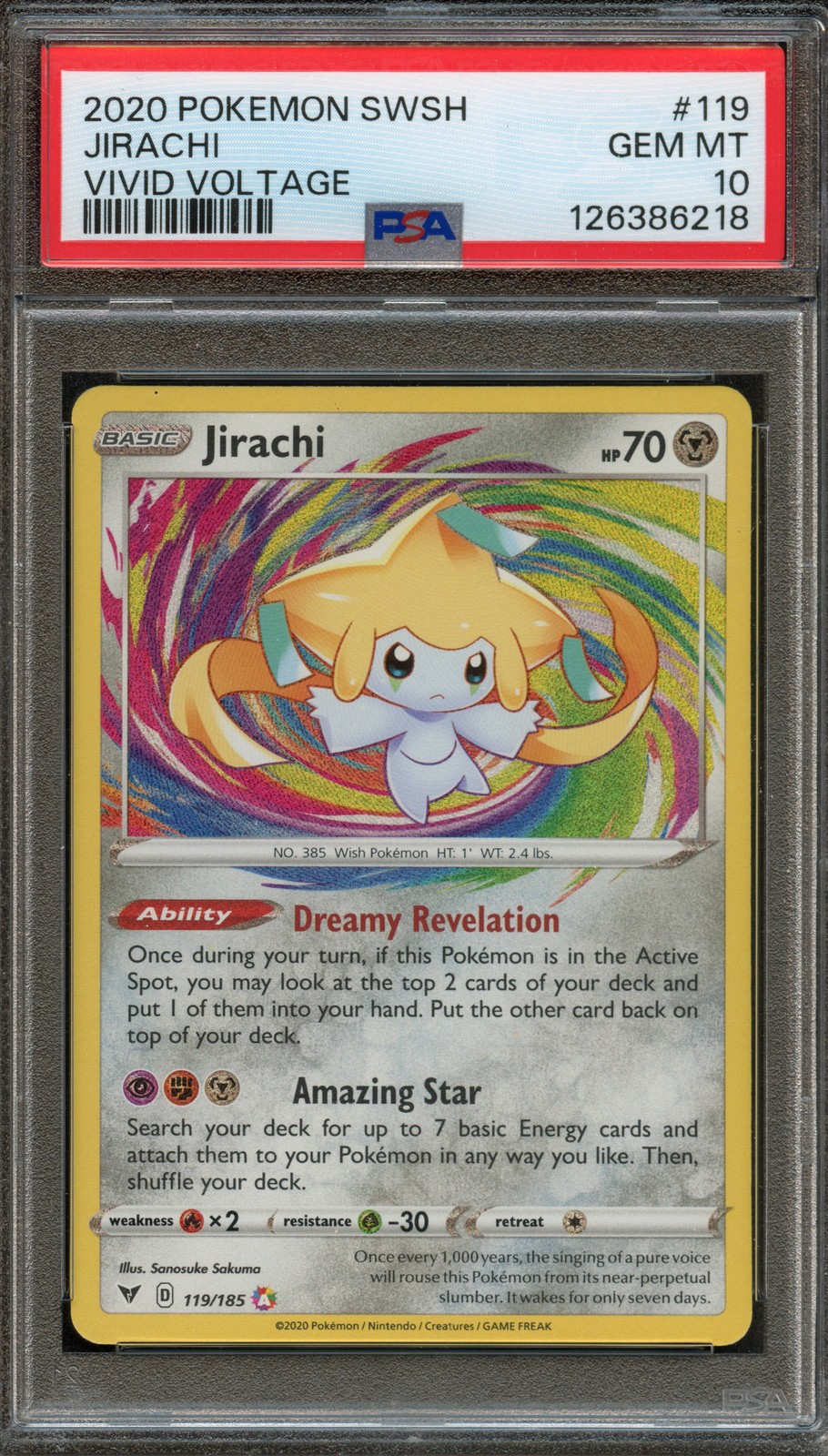
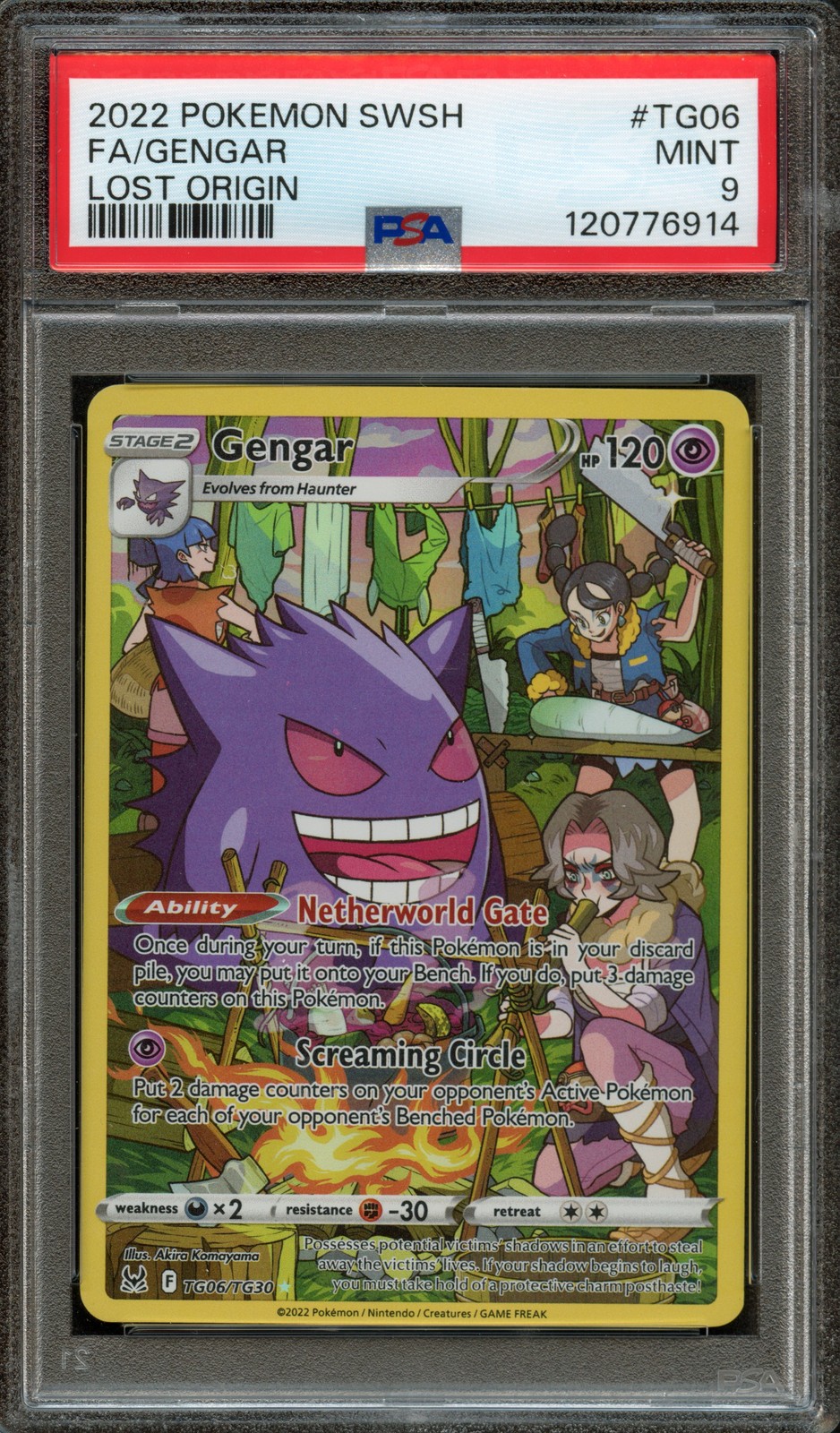
For a graded card, read the service, card identification, grade, certification number and any label qualifiers. Compare the label with the card itself and use the service's verification tools where available. A numerical grade is useful only after you know which card and version received it.
Then inspect the actual presentation. Centering, visible surface marks and the appearance of the back may influence your preference between examples. A larger number does not tell you why a card belongs in your collection. Keep the collecting objective separate from the desire to make every label match.
Read photographs alongside the description
Look for clear front-and-back views and enough detail to inspect the corners and edges. Glare can hide surface information, while a tightly cropped image can omit a border or identifying feature. For a slabbed card, determine whether an apparent mark is on the holder or the card; if the image does not resolve it, ask.
For a raw card, review condition disclosures and separate observations from grading predictions. A claim that a card could achieve a particular grade is not the same as an assigned grade. Choose based on the specimen as documented, including the seller's actual photographs and stated terms.
Connect browsing, storage and collection records
Use the linked TrendingArt eBay inventory to review individual Pokémon listings. Availability changes, so confirm the exact card or lot and any included items on the listing. Save its description and photographs with your inventory, especially where similar versions could be confused later.
Keep graded cards organized by the collecting theme and maintain a record of certification information. The collector-supplies section introduces Archive Armor sleeves for graded card slabs; check the specific product dimensions against your holders. If you have a Pokémon collection to submit for review, begin with an organized list and clear images rather than unsupported grading or value assumptions.
Sources & further reading
Primary references for the terminology and factual details discussed above.
Explore the actual listings.
Read the item description, photographs, condition notes and terms on eBay. Selection and availability change.
Browse Current Pokémon Inventory ↗Explore Pokémon ↗