Follow the release history, not just the artist name
A publisher’s own release page can be a strong source for medium, paper, dimensions and the circumstances of an edition. Save that reference with your purchase record. If the seller’s title differs from the publisher’s, ask whether it is shorthand, a variant or an error. Resolving the name now makes later identification much easier.
Avoid importing details from another Kinsey release because its image looks related. A change in printing process or paper can affect the object’s appearance without changing the underlying artist attribution. A complete description should let you distinguish the offered work from similar-looking listings.
Read the medium as useful information
Giclée generally describes an inkjet printing method in fine-art contexts; it does not by itself establish edition size, authorship or quality. Those questions depend on the documented release and the individual example. Likewise, the term “archival” should prompt a question about the actual paper and ink information rather than end the inquiry.
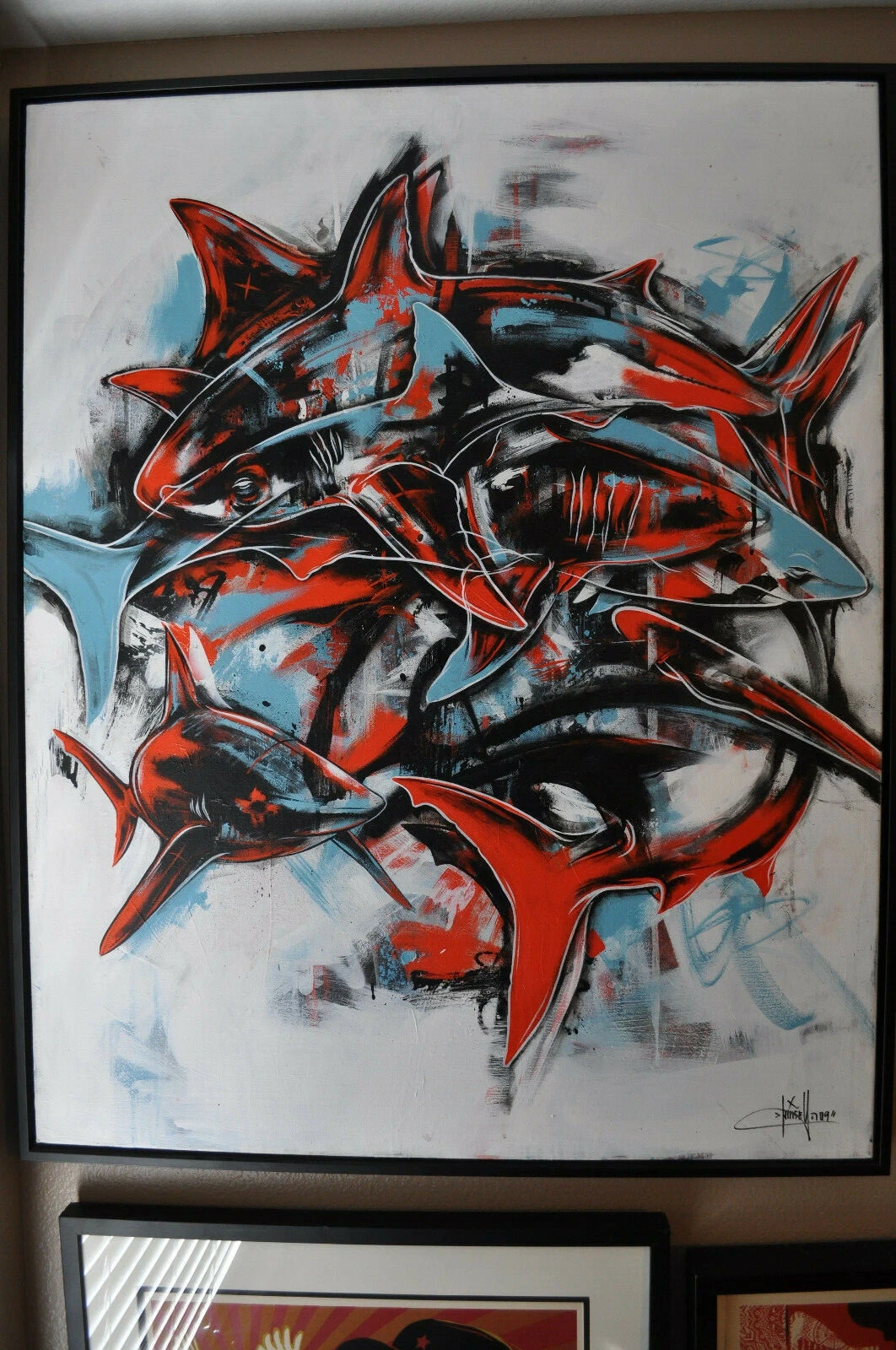
If you want a particular kind of printed surface, ask for detail photographs and refer to the publisher’s description. Do not assume that an apparent brushstroke in the image is paint physically applied to the sheet. A reproduction can faithfully show the texture of the source artwork without having that same physical relief.
Match signatures, numbers and documents
Look for a clear image of the signature and edition notation. Transcribe them in your notes instead of relying entirely on the listing title. If the seller offers a proof, request photographs of the designation and seek release-specific context where available.
Keep invoices and publisher documentation linked to the exact sheet. PangeaSeed describes certificates for its own Printed Oceans program; that statement should not be extended to every Kinsey edition from every publisher. Ask what documents originally accompanied the particular release and what survives with the item being sold.
Study the image at two distances
An overview tells you how the composition reads; close photographs help you evaluate the paper and printed surface. Ask for both. On a complex image, a small crease or abrasion can disappear into the design when viewed on a phone. Inspect the margins as carefully as the central image.
When comparing condition, identify the location and extent of each issue. A vague statement such as “minor wear” is less useful than a photograph showing a corner bend outside the image. Decide what you can accept before purchasing, particularly if you intend to display the entire sheet rather than cover its margins.
Consider groups and display dimensions
If you are collecting several related works, compare their actual sheet sizes before assuming they can share the same framing treatment. Matching frames can make different formats look coherent, but that may require different mat proportions. Plan this visually rather than expecting equal listing photographs to imply equal physical sizes.
For an individual work, include the final frame footprint in your wall plan. Ask whether a frame shown in the listing is included and whether its condition is described. A frame can add handling complexity even when you eventually intend to replace it.
Create a record that remains useful
A practical collection record should include the artist, title, release year where established, medium, publisher, dimensions, edition notation and acquisition documents. Add photographs taken when the work arrives and record any disclosed condition issues. This is more useful than keeping only a cropped marketplace thumbnail.
Kinsey’s official artist site and the relevant publisher’s release information are useful places to begin research. TrendingArt’s eBay listings provide the available selection and item-specific terms. Use the print-buying and storage guides to plan what happens after purchase, including safe display and keeping the original paperwork with the work’s record.
Common questions
Does a printed brushstroke mean a print is hand embellished?+
No. The image may reproduce brushwork from its source. A hand-embellishment claim concerns material actually added to the offered sheet and should be supported by its release description and photographs.
Should I expect identical paperwork for every publisher?+
No. Ask what was issued with the specific print and what accompanies the resale. Keep publisher-specific documentation claims tied to the appropriate release.
Sources & further reading
Primary references for the terminology and factual details discussed above.
Explore the actual listings.
Read the item description, photographs, condition notes and terms on eBay. Selection and availability change.
Browse Current Art Inventory ↗Explore Collectible & Contemporary Art ↗