Control the room before adding accessories
CGC recommends storing certified comics in a dark, dry, cool, temperature-controlled location and minimizing heat, humidity, vibration and light. The Library of Congress similarly emphasizes stable conditions and limited light for comics, many of which contain paper that is inherently vulnerable to aging.
In a home, begin by avoiding direct sun, heating equipment and areas at obvious risk of leaks. Inspect a proposed shelf for stability and nearby plumbing. A location that is convenient for viewing may not be suitable for permanent display. Check how the room changes during the day and across seasons before committing the whole collection.
Use a container that supports the actual slabs
Measure your holders, including any separate outer bags, before purchasing boxes or storage furniture. Comic holders can be substantially larger and heavier than a loose comic. Ensure there is clearance to lift them without scraping edges or bending packaging. Test a small group before filling a container to its advertised capacity.
Keep upright rows supported so they do not lean sharply or fall into empty space. If storing holders flat, avoid unstable or heavy stacks that are difficult to move safely. Do not make accessing one comic require balancing the rest of the collection. The practical aim is controlled support and easy removal, not fitting the greatest possible number into one box.
Protect the case without making unsupported claims
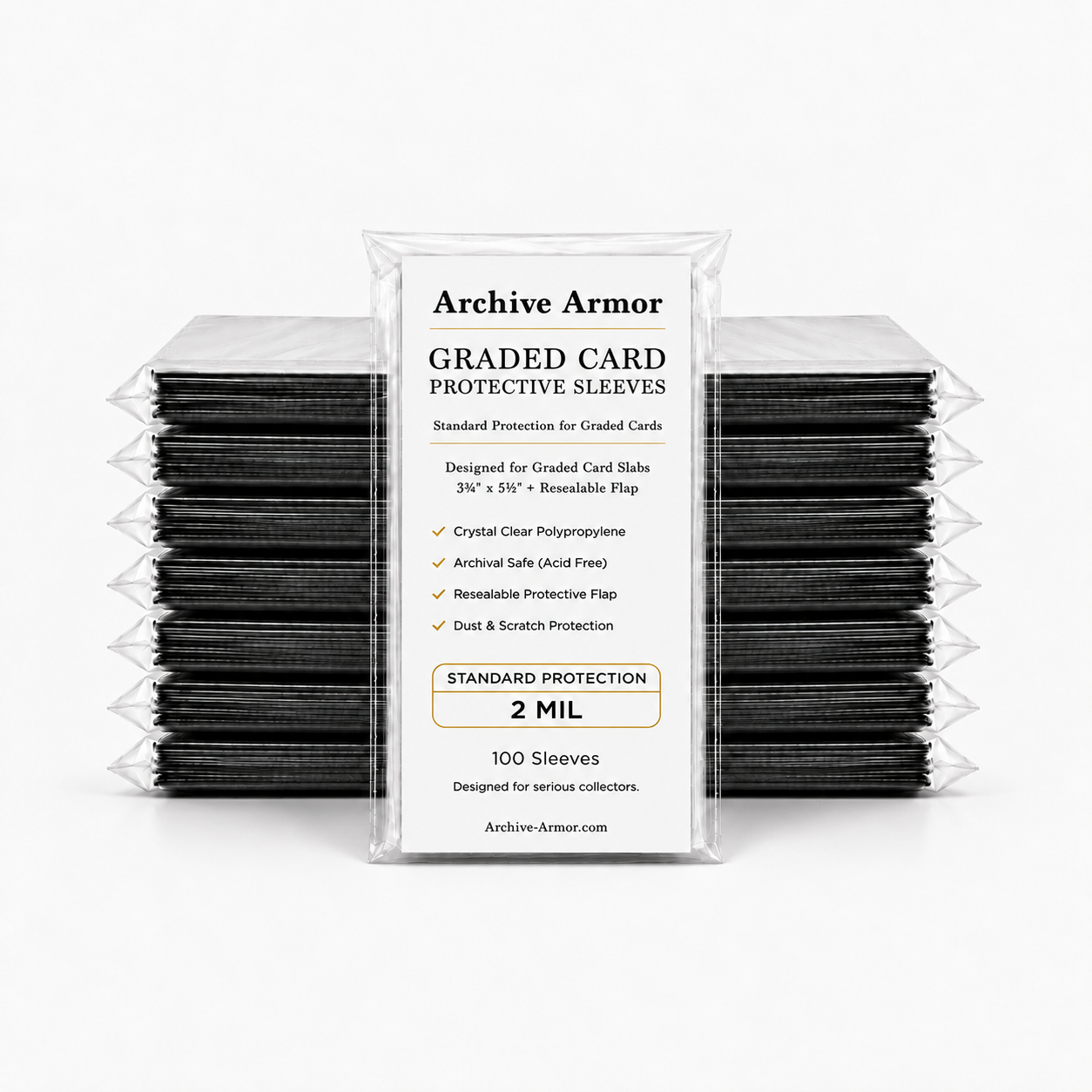
A correctly sized outer bag can serve as a replaceable contact layer around the slab. Keep adhesive away from the holder and make sure the closure does not pull tightly across its corners. Inspect bags for debris and replace damaged ones. Check the manufacturer's specifications for the product instead of assuming every clear bag has the same properties.
Do not treat an outer bag or case as evidence of UV protection or waterproof storage. CGC explicitly notes that its sonic seal is not airtight. A sealed appearance is therefore not a reason to accept damp surroundings, flood exposure or uncontrolled storage. Choose the environment on its own merits.
Display selectively
Display a manageable number of comics on stable supports sized for the slabs. Keep them away from direct sun and from places where a person, pet or moving door could knock them over. Examine the support points before use. A mount should hold the slab securely without forcing it into place.
Consider rotating a display while storing the rest of the collection. Keep a simple record of which books are out, and leave their storage spaces reserved. A photograph or authorized reproduction can also provide a decorative display when you prefer to keep the original out of light. Do not rely on a transparent front panel alone as evidence that a display is protective.
Keep records that identify the exact copy
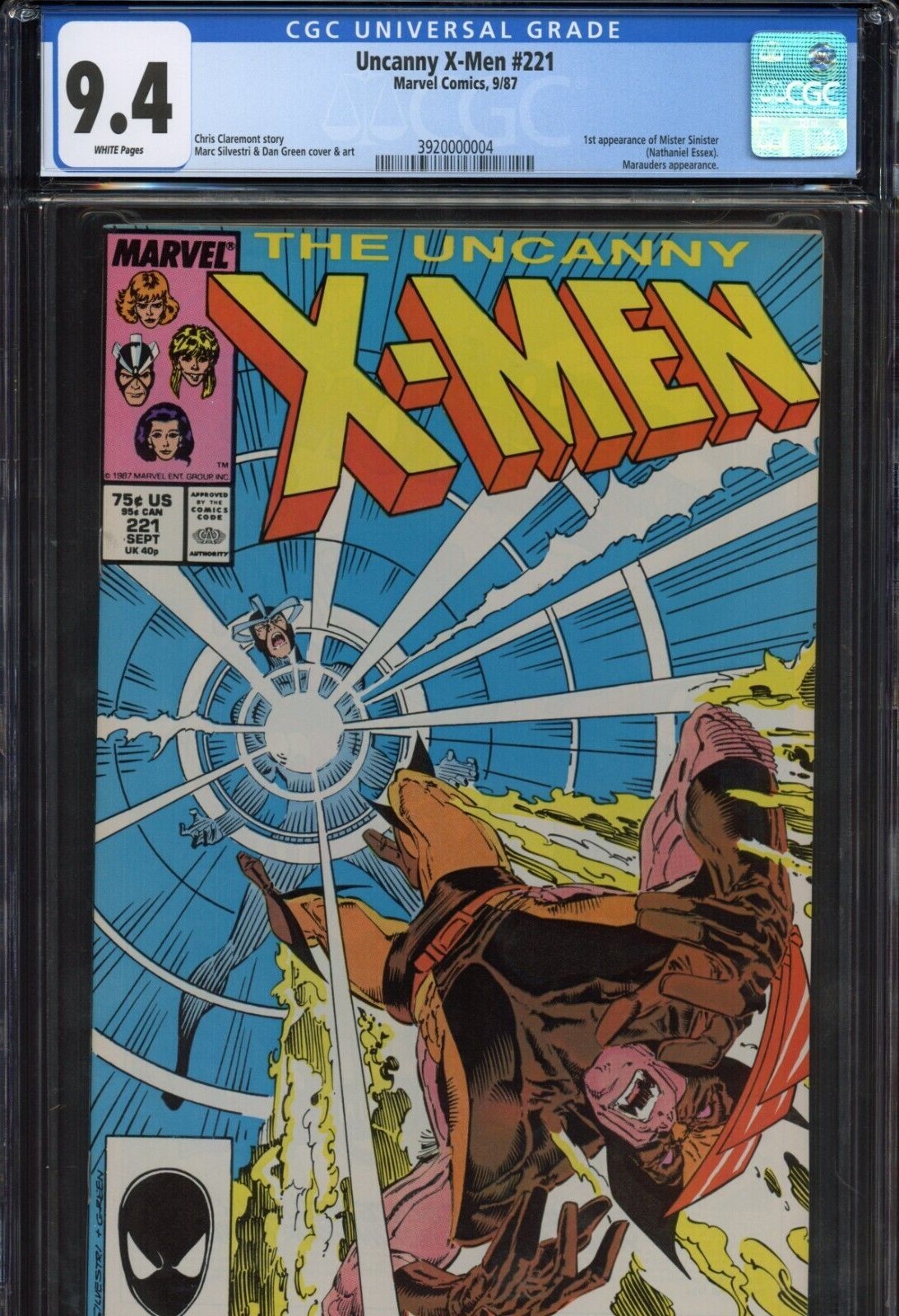
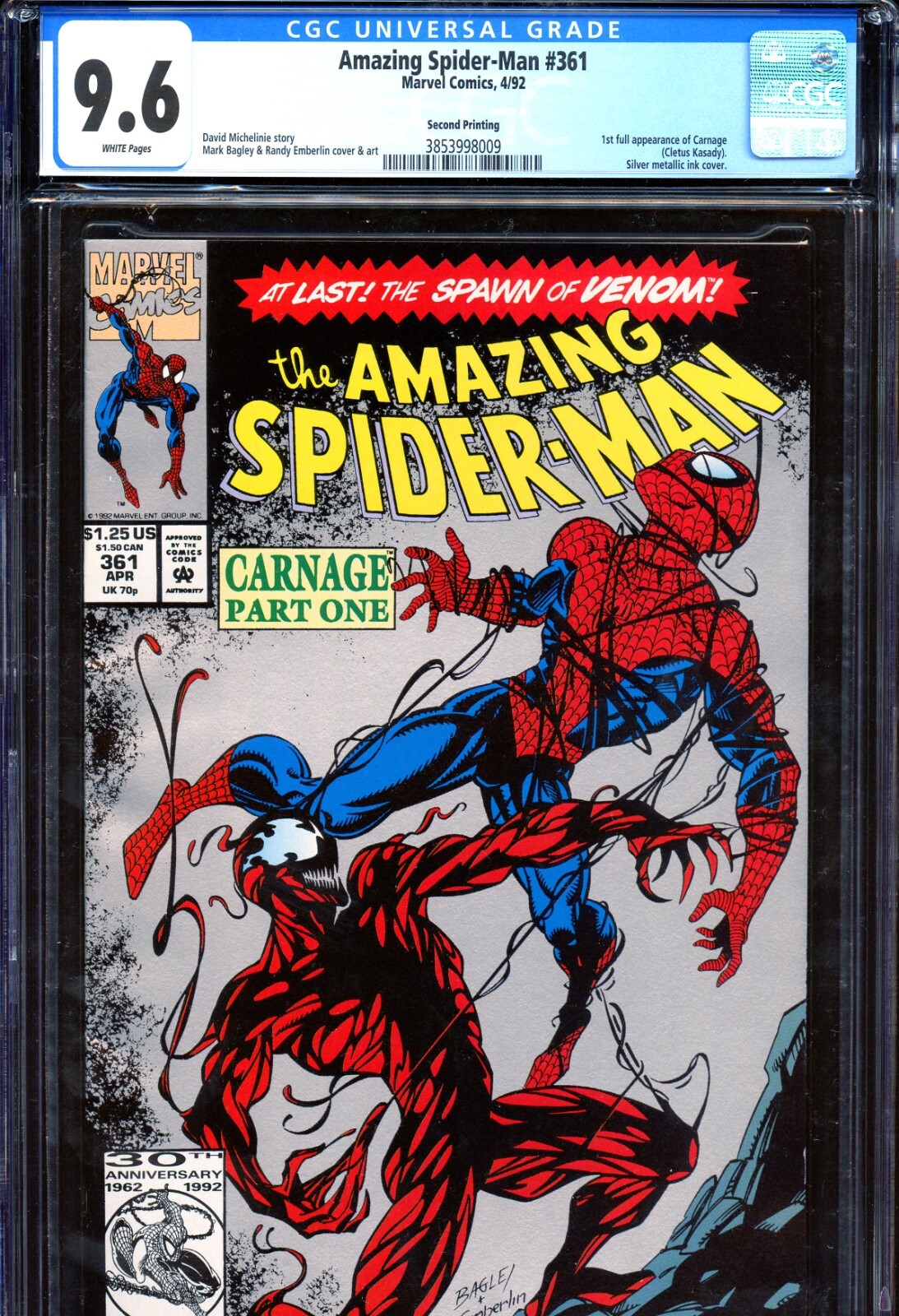
Record title, publisher, issue, printing or variant, grading company, grade, page quality, certification number and label notes. Include photographs of the full front, back and label, along with the invoice and storage location. For signed copies, preserve the exact signature designation rather than reducing it to a generic signed field.
These records make collection reviews easier and reduce repeated handling. They also help distinguish two copies of the same issue and document holder condition when a comic arrives. Update the location when a book moves to a display, a show or another container instead of relying on memory.
Inspect concerns without opening the slab
Watch for cracked plastic, unusual movement, moisture around packaging or a change in the comic's visible appearance. Photograph the concern and contact the grading company for guidance. Do not introduce cleaners, glue or tape into the case or attempt to repair an internal problem yourself.
CGC says holders do not require replacement merely because a fixed number of years has passed. It also states that removing a comic voids the certified grade. A damaged holder or questionable condition deserves an individual assessment, not an automatic home replacement schedule. Keep the item intact while asking about the appropriate service.
Plan a move as a separate handling task
Before transporting comics, create an item list, ensure holders are restrained and choose containers you can lift safely. Protect corners and avoid loose space that allows slabs to strike one another. Pack in manageable quantities; a large box that is too heavy to control creates an avoidable problem.
Do not leave the collection in a parked vehicle while running unrelated errands. For shipping or a major move, review packaging and coverage requirements with the relevant carrier or insurer. On arrival, inspect the containers, reconcile the item list and return books to their assigned locations promptly.
Common questions
Do CGC slabs need to be replaced every few years?+
CGC says routine reholdering after a fixed number of years is unnecessary. Handle and store the comic properly, and ask CGC about a specific damaged holder or condition concern.
Can I open a graded comic to read it and keep the grade?+
CGC states that removing the comic voids the certified grade. A separate reading copy is a practical option when you want regular access to the story.
Sources & further reading
Primary references for the terminology and factual details discussed above.
Explore the actual listings.
Read the item description, photographs, condition notes and terms on eBay. Selection and availability change.
Browse Current Comics Inventory ↗Explore Collectible & Graded Comics ↗