What the grading process covers
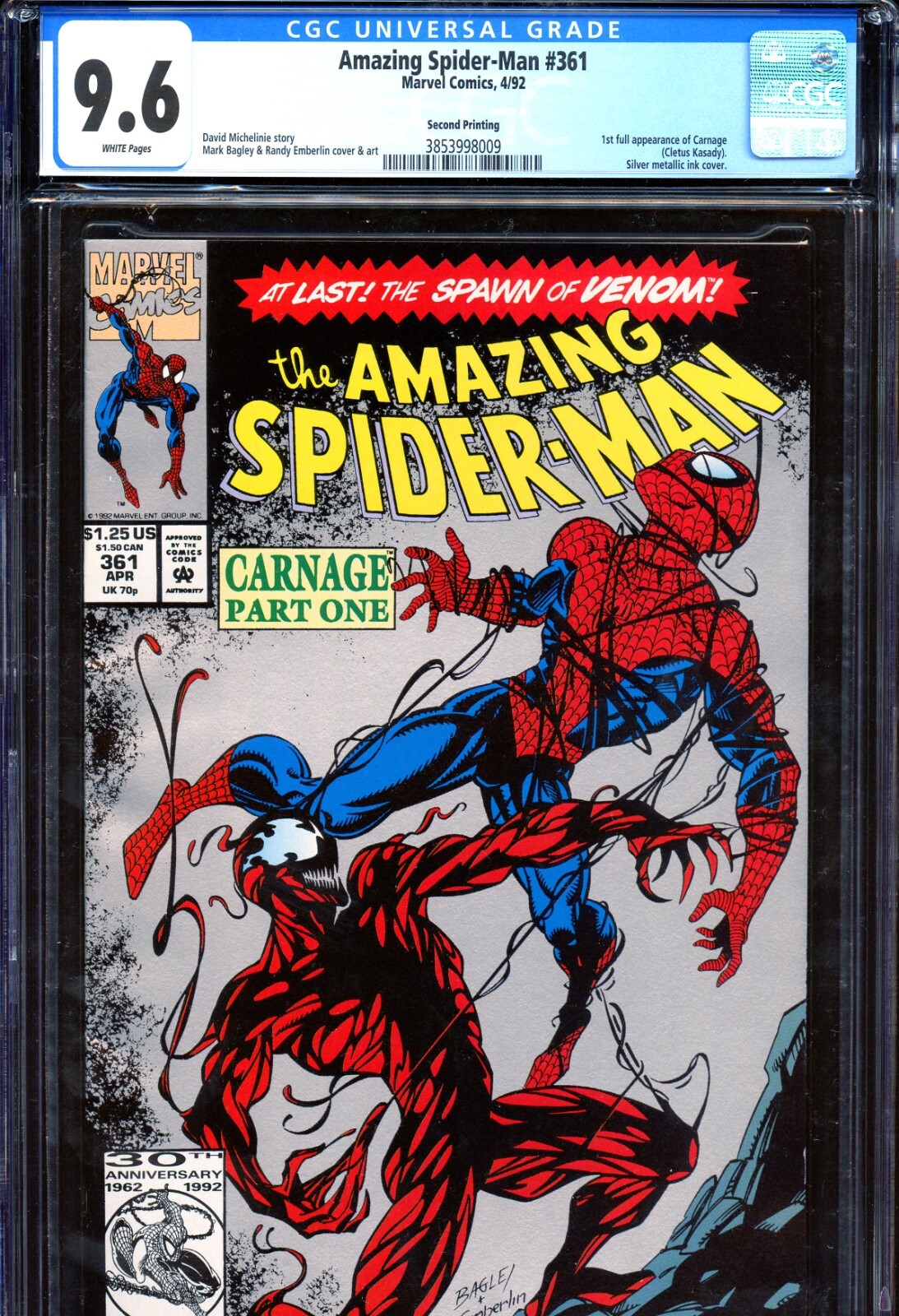
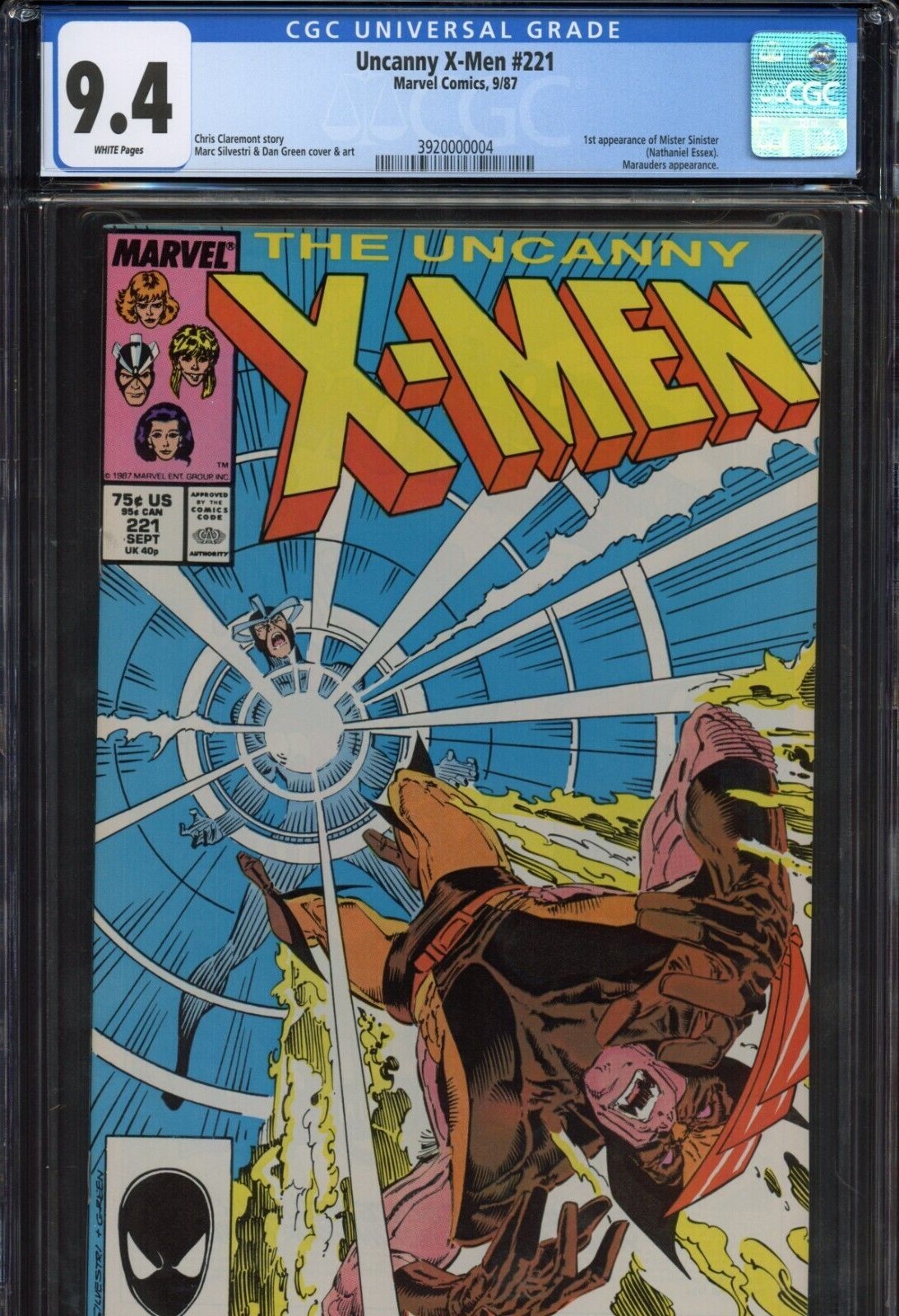
CGC describes a process that includes receiving, identification checks, authentication, grading, encapsulation and quality control. Its comic grading uses a 10-point scale. Multiple professionals examine the item before a final grade is reached. The resulting holder presents the comic with a label and a unique certification number.
That process does not make the listing's price a valuation endorsed by CGC. Nor does a slab eliminate the need to identify the comic correctly. Start with publisher, title, issue number, date and any printing or variant designation. A shared cover image does not establish that two listings contain the same edition.
Read the number in the correct scale
CGC's published comic scale includes 9.8 Near Mint/Mint, 9.9 Mint and 10 Gem Mint. A 9.8 is therefore not the top numerical grade. Lower grades describe progressively different degrees of wear and defects. Use the comic grading standard rather than importing a trading-card company's terminology.
Choose a condition range that fits your collecting objective. A reader interested in a particular issue, a collector seeking an attractive display copy and someone assembling a uniform graded run can reasonably choose different copies. There is no need to treat the highest available number as the correct purchase for every collection.
Page quality is a separate field
CGC also reports page quality with descriptions such as White or Off-White to White. Read that field alongside the grade and label notes. The visible front cover cannot reveal everything about the interior, and a numerical comparison that ignores page quality may miss a distinction important to your collecting preferences.
When comparing copies, make a small record of grade, page quality, label category, visible cover appearance and holder condition. This keeps the evaluation specific. If one copy has writing, a noticeably different presentation or a disclosed interior issue, capture that detail instead of assuming the numbers settle the decision.
Understand the label category
CGC's label guide distinguishes Universal, Qualified, Restored and Conserved categories, among others. A Qualified grade may set aside a significant disclosed defect; a Restored label identifies restoration, while Conserved identifies specified preservation-related repairs. Read the actual notes. Label color alone is not a complete description, and a blue label should not be treated as shorthand for an absence of every possible note.
The important buying question is whether you understand the specific issue being disclosed. A missing component, repair or other qualification may be acceptable within one collecting plan and inappropriate for another. Compare like categories where possible and avoid treating every comic with the same numerical grade as directly equivalent.
Distinguish witnessed and authenticated signatures
CGC's current guide separates its yellow Signature Series label for witnessed signatures from the black/yellow CGC x JSA label for unwitnessed signatures authenticated by JSA. Combined categories can also convey restoration or qualification information. Consult the current label description for the exact holder being considered.
A signature printed as part of a cover design is not the same as a hand-signed comic. A seller's statement that a book is signed also does not establish which authentication service was performed. Read the label and accompanying records, and ask a precise question if the listing uses a broad phrase such as certified signature without explaining it.
Check a graded listing methodically
Look up the certification through CGC's official verification resource. Match the issue, grade and other identifying details to the photographs and description. Review available grader notes when relevant. Verification is part of a larger check that includes the seller, actual images and the integrity of the holder.
Ask for front, back and label photographs with enough resolution to read the details. Distinguish a scuff on the plastic from a mark on the comic, and investigate cracks or suspicious seams. Keep the original listing and arrival photographs. If a discrepancy appears, preserve the intact item while contacting the seller, marketplace or CGC as appropriate.
Know what encapsulation changes
A slabbed comic is primarily an item for collecting and viewing through its holder; you cannot read the interior without removing it. CGC states that removal voids the certified grade, and recertification does not guarantee the same result. If you want to read a favorite story frequently, consider a separate reading copy or authorized digital edition.
After buying, give the comic a supportive storage location and limit light and environmental exposure. Keep purchase records with its certification number. Grading establishes a documented assessment at a point in time; care afterward remains part of owning the comic.
Common questions
Is CGC 9.8 the highest comic grade?+
No. CGC's comic scale also includes 9.9 Mint and 10 Gem Mint.
Does a restored comic have the same meaning as an unrestored copy with the same grade?+
No. Restoration information is a separate, material part of the description. Compare the exact label and notes instead of using only the grade.
Sources & further reading
Primary references for the terminology and factual details discussed above.
Explore the actual listings.
Read the item description, photographs, condition notes and terms on eBay. Selection and availability change.
Browse Current Comics Inventory ↗Explore Collectible & Graded Comics ↗