Start with years, manufacturers and organization
List the main years and manufacturers when you know them. Explain whether the collection is organized by set, player, team or another system. An approximate card count is useful; distinguish a count of individual cards from a count of boxes or binders.
If you describe a set as complete, say whether you have checked it against a checklist or are relying on how it was labeled when acquired. Identify any known missing cards, duplicates, mixed years or substituted examples. Uncertainty is acceptable when it is stated clearly.
Show the cards that explain the collection
Photograph both the collection as a whole and representative cards from its main groups. Include the cards you believe deserve individual attention, along with a sample of the ordinary cards. This helps avoid a misleading picture built only around a handful of highlights.
Use straight-on photographs with readable names and card numbers. Photograph the backs as well as the fronts. If cards are safely stored in holders, leave them protected unless a clearer photograph can be taken without risking damage.
- An overview of the collection's boxes, albums or graded-card groups.
- Front and back images of notable players and selected set examples.
- Close photographs of visible creases, stains, writing or damaged corners.
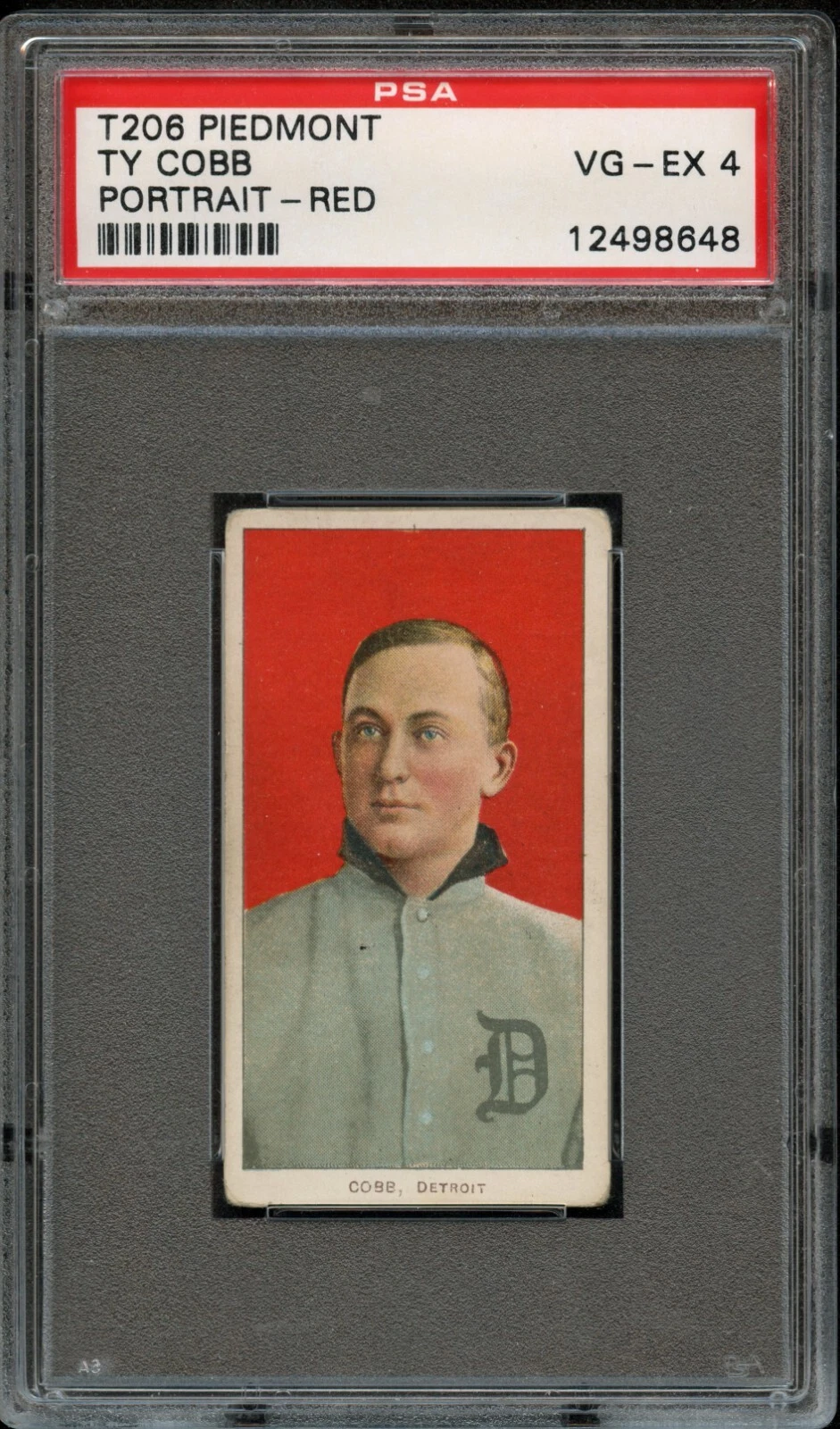
- Readable grading labels and certification numbers.
- Images of any existing inventory or set checklist that explains what is included.
Record what is known about condition and grading
For graded cards, copy the company name, grade, certification number and any qualifier from the label. Include information about autograph certification separately where applicable. Mention damage to the holder and photograph it rather than treating it as part of the assigned card grade.
For raw cards, describe what you can see without predicting a professional grade. If a card may be a reprint, altered example or unidentified variation, flag that uncertainty. Do not clean, trim, press or otherwise change cards to prepare this inquiry.
Make the proposed sale clear
Tell us whether you are offering a complete collection, particular sets or selected singles. Identify anything shown in photographs that is excluded. If you prefer to keep a set together, state that preference. Include an approximate value only if you have one, with a brief explanation of its basis.
Submit your location, contact details and description using the form. TrendingArt will review the information and can contact you if the collection fits current purchasing interests. A submission is not an appraisal, offer or agreement to purchase. Keep the cards with you unless shipping or another next step has been separately agreed.
Common questions
Should I inventory every card before contacting you?+
You can begin with an accurate overview, representative photographs and details of the most significant groups. Mention an existing inventory if you have one.
Can I submit an incomplete set?+
Yes. Describe it as incomplete and include known missing cards or an approximate level of completion without guessing.
Do I need a price estimate?+
No. An approximate value is helpful only when you have a basis for it; you can explain that the value is unknown.