Choose an era before choosing a grade
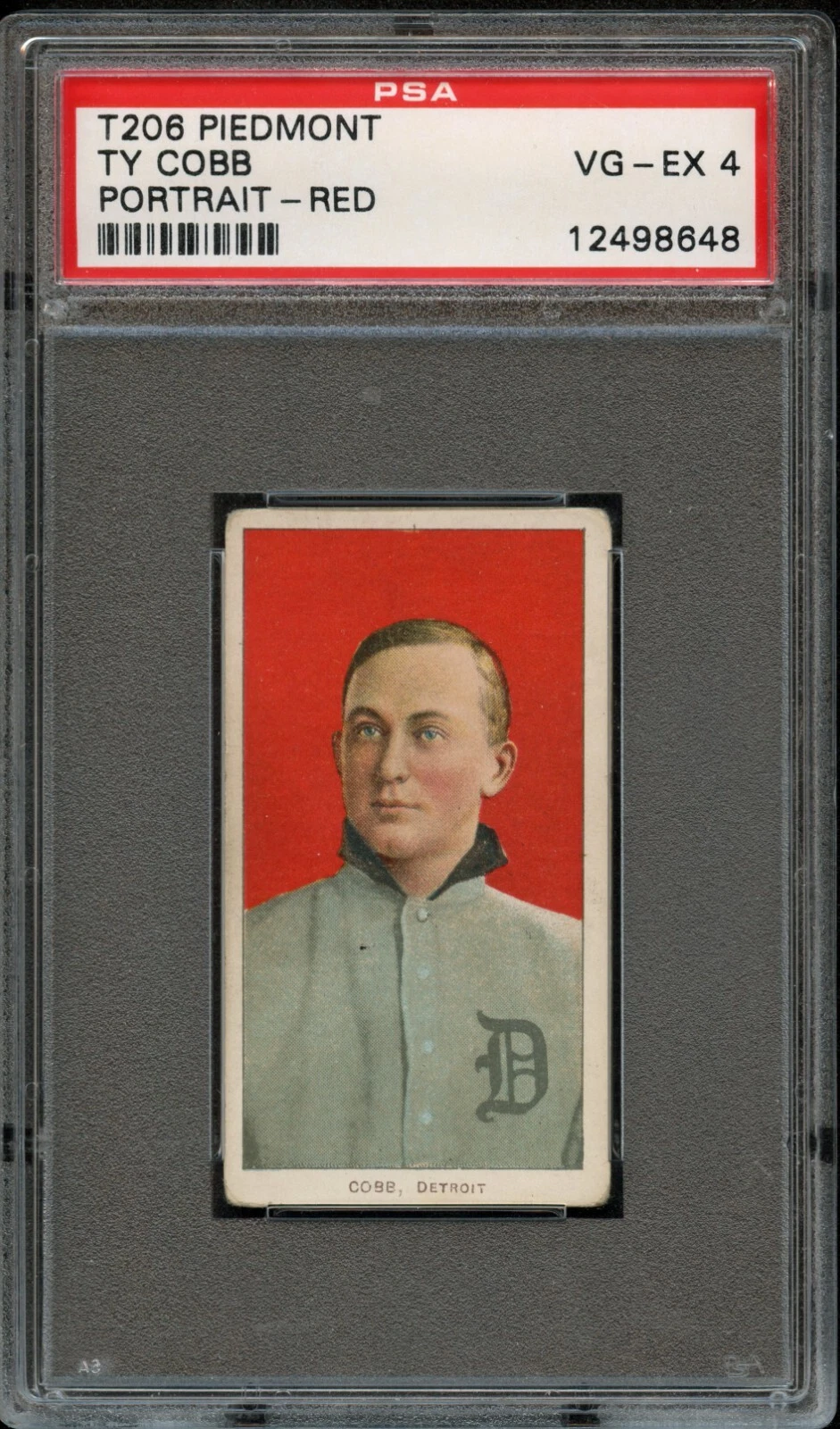
Vintage has no universally enforced cutoff. A seller may use the term for pre-war tobacco and gum cards, mid-century Bowman and Topps, or later twentieth-century issues. Search with a specific year or decade when the distinction matters. A broad vintage search is useful for discovery, but it is a poor substitute for an exact card identity.
A collection can follow one player through several seasons, document a favorite franchise, or concentrate on one set’s design. A complete set requires a different budget and tracking system from a selection of favorite portraits. Decide which experience you want before accumulating unrelated cards simply because they are available.
Understand the original issue
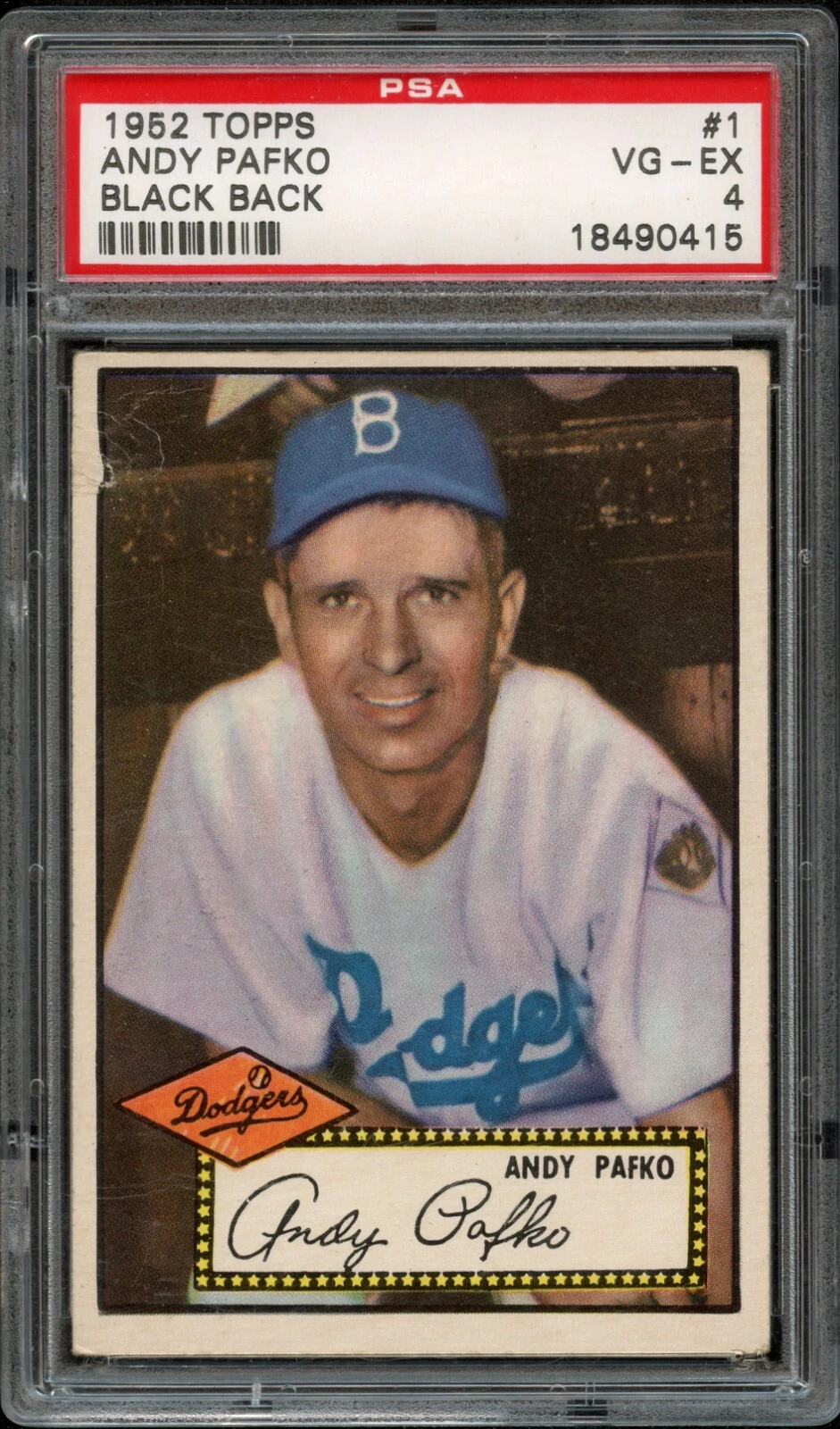
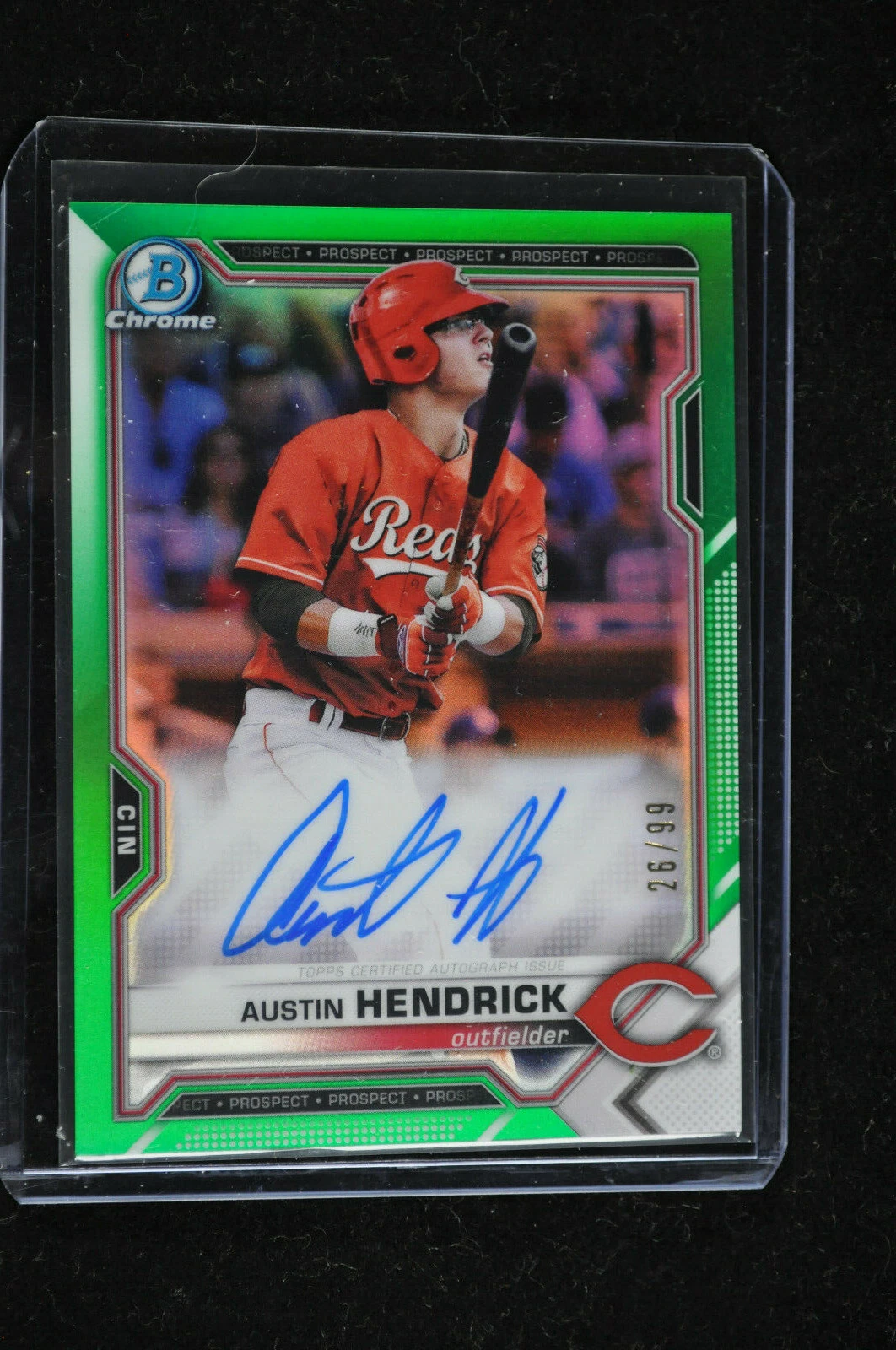
Original cards, later licensed reprints and newer cards using retro designs can look similar in a small photograph. Read the full listing, examine the reverse and confirm the issue year. A modern card styled after 1952 Topps is a modern collectible; resemblance to the design does not make it an original 1952 card.
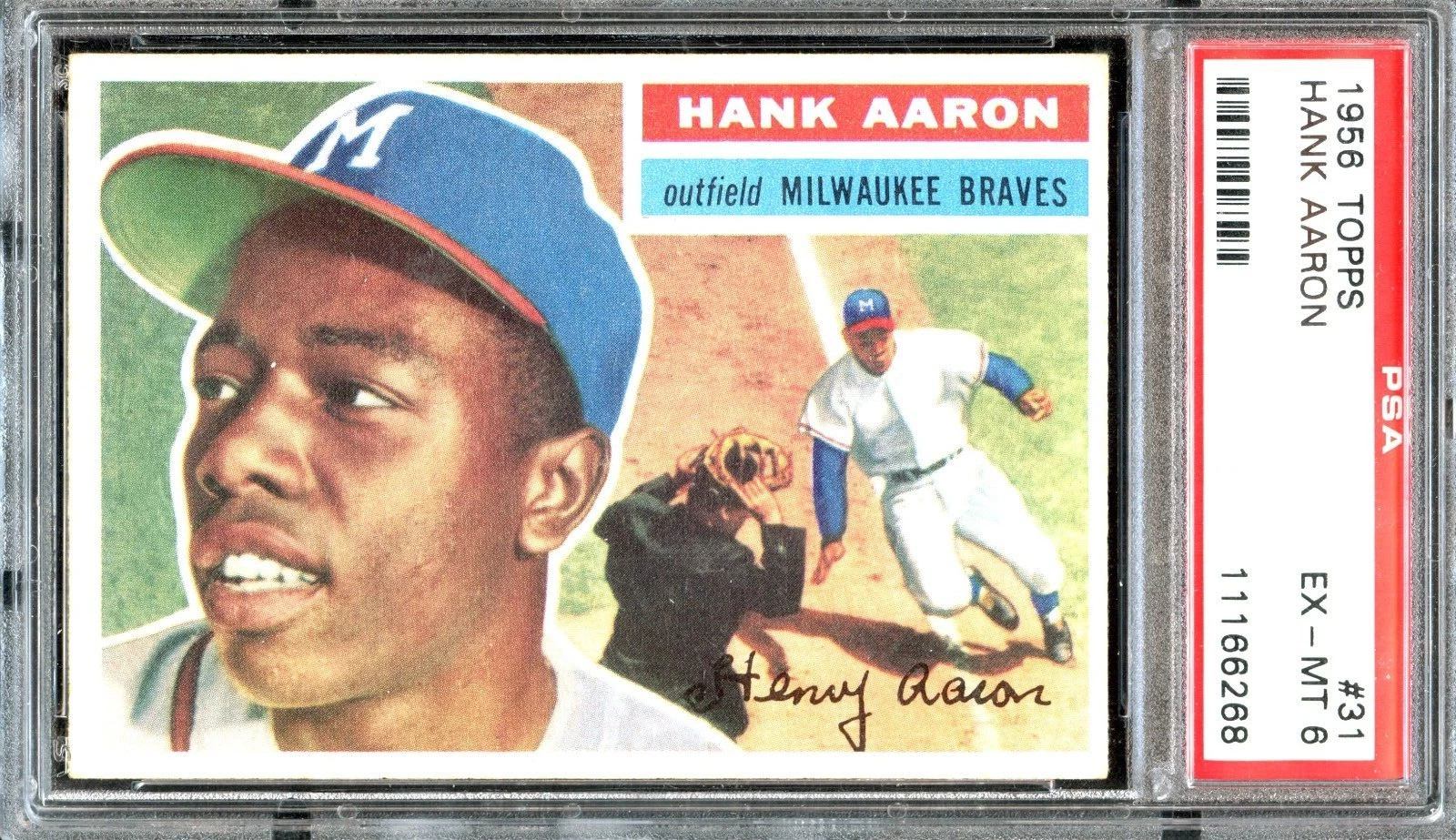
Some vintage sets include variations in printing, backs or numbering. The 1956 Topps set, for example, has both white and gray backs within part of its checklist. Record the specific version when it matters to your collecting plan. “Same player, same year” may still describe different cards.
Condition is a collection of attributes
Look at the front and reverse separately. Centering, corner wear, edge wear, surface marks, creases and paper loss affect appearance in different ways. One collector may accept rounded corners on a well-centered portrait; another may prefer sharper corners despite uneven borders. Neither preference requires pretending the flaws are absent.
A grade provides a standardized assessment within a grading company’s system, but it does not replace photographs. Ask for clearer images if glare covers the face, if the slab edge hides a corner or if the back is omitted. Be especially deliberate about stains, writing, pinholes and missing paper because a small listing image can make them easy to overlook.
Build a useful comparison, not a misleading average
Compare the exact issue and variety, then condition and grading service. Separate raw cards from graded examples, and separate numerically graded cards from Authentic or Authentic Altered labels. An attractive front does not make two differently described cards equivalent.
For a set project, maintain a checklist with number, player, variant, grade or condition notes, purchase record and whether the card needs an upgrade. Leave room for scarce or costly checklist entries before committing the entire budget to inexpensive commons. The first half of a set can be much easier to assemble than the final handful of cards.
Handle the collection you actually own
Choose sleeves and holders that fit the card’s dimensions. Some early Topps cards are larger than the familiar modern baseball-card format, so forcing them into ordinary pockets creates avoidable pressure on corners and edges. Store raw and graded cards in supports that keep them from sliding into each other.
Do not clean a vintage card to improve its appearance. If a surface condition concerns you, document it and seek an appropriate assessment. Altering color, edges or paper can change how a grading company classifies the card. Protection should preserve the object, not attempt to make its history disappear.
Browse by the set you want
TrendingArt’s baseball section connects general browsing with set-specific guides. Use the 1952 through 1971 Topps guides to compare design, checklist structure and common buying questions. Then follow the current-inventory link to eBay, where the individual listing supplies the photographs, condition description and transaction terms. A guide remains useful when an individual card has sold.
Common questions
Does vintage mean valuable?+
No. Age identifies an era; desirability depends on the exact issue, condition and collector demand. An old card can be common, damaged or a later reproduction.
Sources & further reading
Primary references for the terminology and factual details discussed above.
Explore the actual listings.
Read the item description, photographs, condition notes and terms on eBay. Selection and availability change.
Browse Current Sports Cards Inventory ↗Explore Graded & Vintage Baseball Cards ↗