Explain what the collection contains
Start with an approximate number of cards and an overview of how they are stored. Distinguish graded singles, loose cards, binder collections, assembled sets and unopened products. List known sets and languages rather than assuming all cards with the same character belong to the same release.
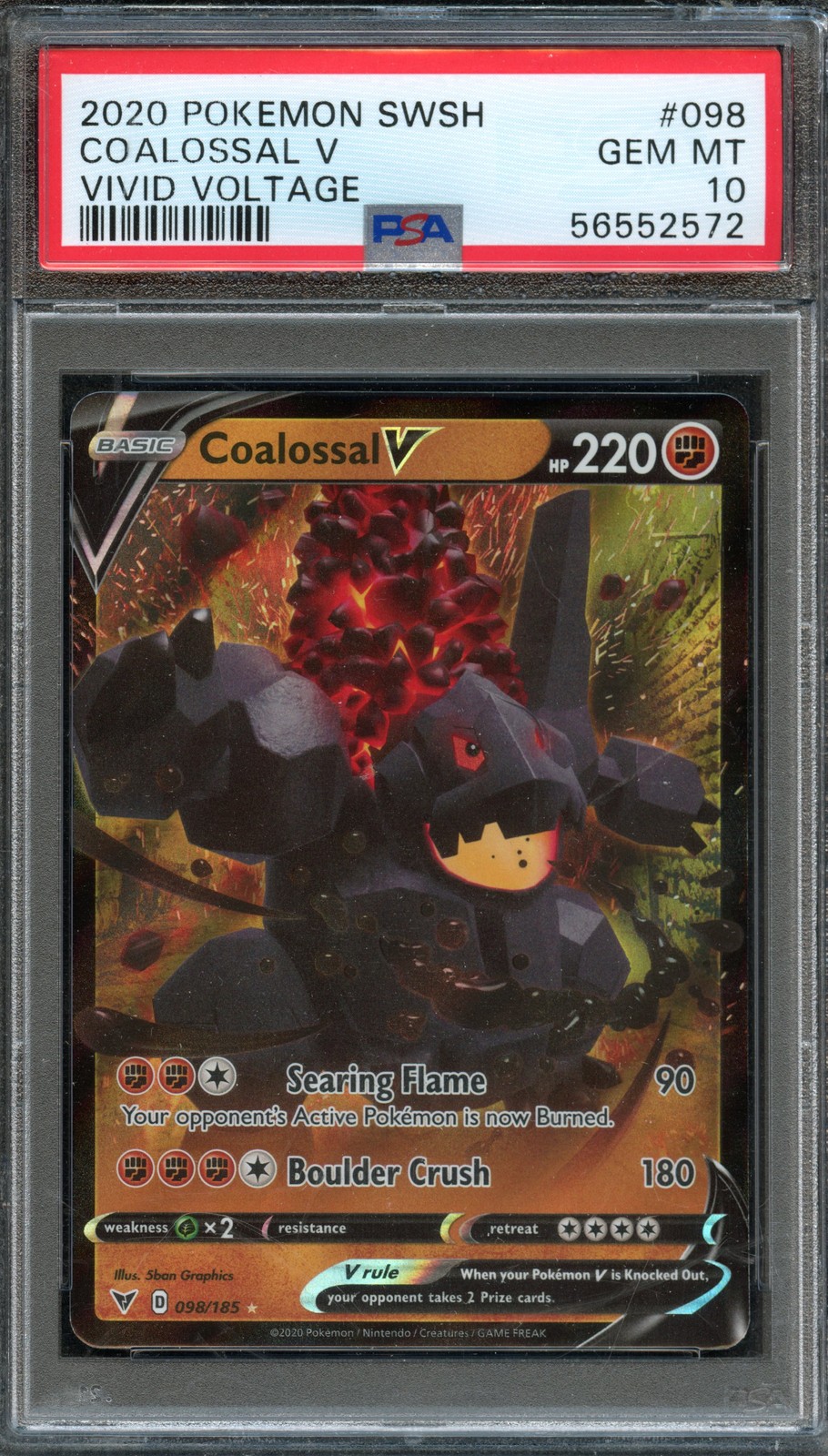
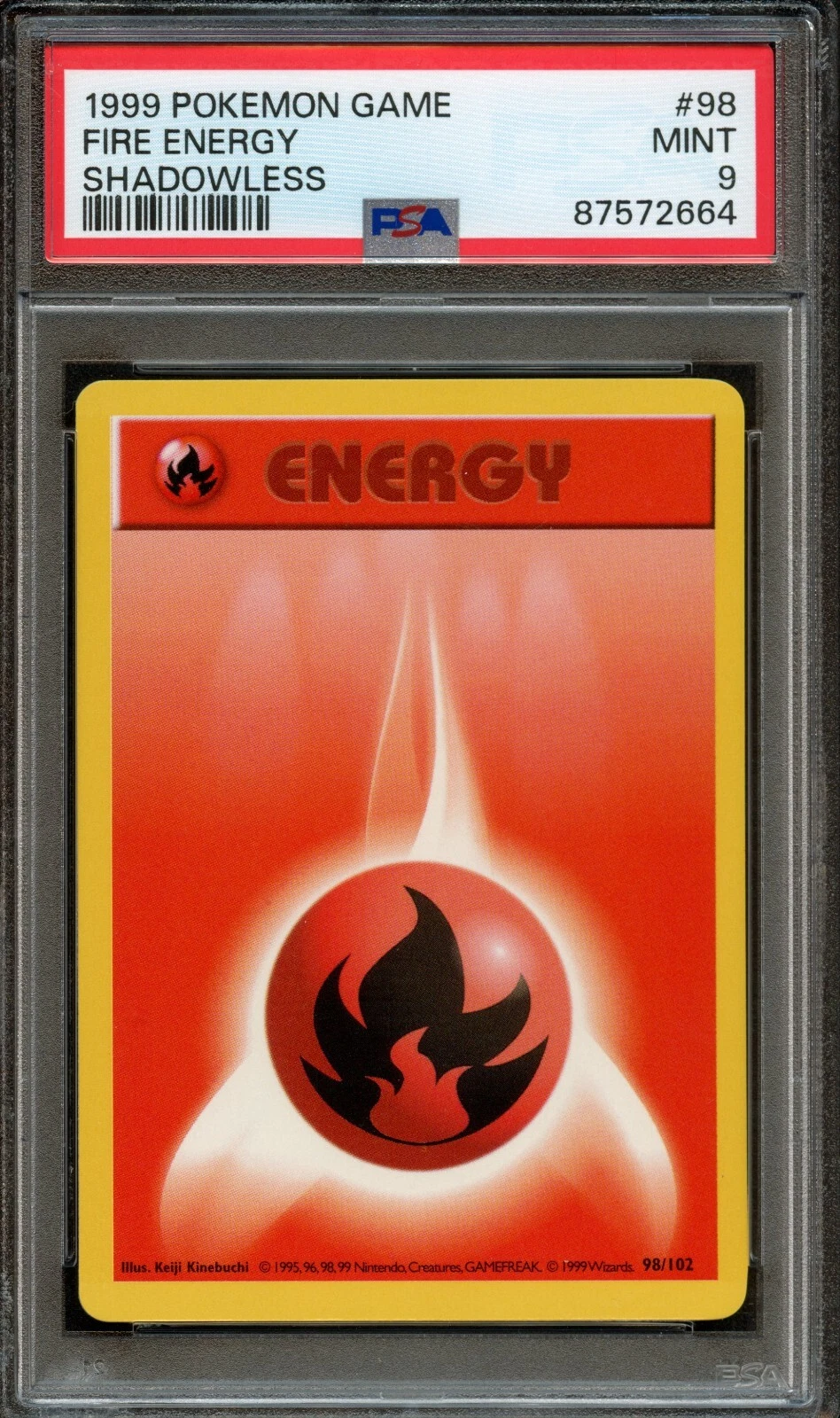
For highlighted cards, include the printed name, card number and set information when available. If you believe a card has a particular edition, finish or variation, provide a close photograph of the detail that supports that description. Clearly label uncertain identifications as uncertain.
Photograph the collection without hiding condition
An overview helps establish the collection's size, while individual front and back photographs help explain particular cards. Use soft, even light and move the camera if glare hides the surface. A single distant photograph of a binder is useful for organization but usually cannot show fine condition details.
Show ordinary examples from the main groups as well as cards you consider highlights. Keep cards protected during photography. Do not remove a card from a sealed grading holder or open a sealed product to supply additional pictures.
- An overview of binders, storage boxes and graded-card groups.
- Readable front and back photographs of selected individual cards.
- Close-ups of card numbers, set identifiers and relevant edition markings.
- Images showing visible edge wear, creases, scratches or other damage.
- The full holder and readable label for graded cards; packaging and seals for unopened products.
Keep grading information separate from your observations
For graded cards, provide the grading company, grade and certification number exactly as shown. Include any additional designation on the label. Mention a damaged or scratched holder separately; the label's grade does not describe every aspect of the holder's present appearance.
For ungraded cards, describe visible wear without estimating the grade they might receive. If you have doubts about authenticity or have been told a card may be a reproduction, include that information. Existing purchase documentation can provide context, but do not treat a missing receipt as proof of anything about the card.
Tell us what you want considered
Specify whether you are offering the entire collection, individual cards or selected groups. Identify any excluded items that appear in photographs. Include your location, approximate number of items and an estimated value if known. Explain whether that estimate is based on purchase cost or another reference.
After you submit, TrendingArt can review the information and contact you if it aligns with current purchasing interests. More detail may be needed before any further discussion. Completing the form does not guarantee an offer, purchase or response within a particular period. Keep the collection with you until a separate next step is agreed.
Common questions
Can I submit Japanese-language Pokémon cards?+
Yes. State the language and provide readable photographs so the cards can be identified. Submission does not imply an agreement to buy them.
What if I do not know the set names?+
Provide clear card photographs, including numbers and identifying marks, and state which details you are unsure about.
Should I open sealed products for photographs?+
No. Photograph the exterior packaging and seals without opening the product for this inquiry.