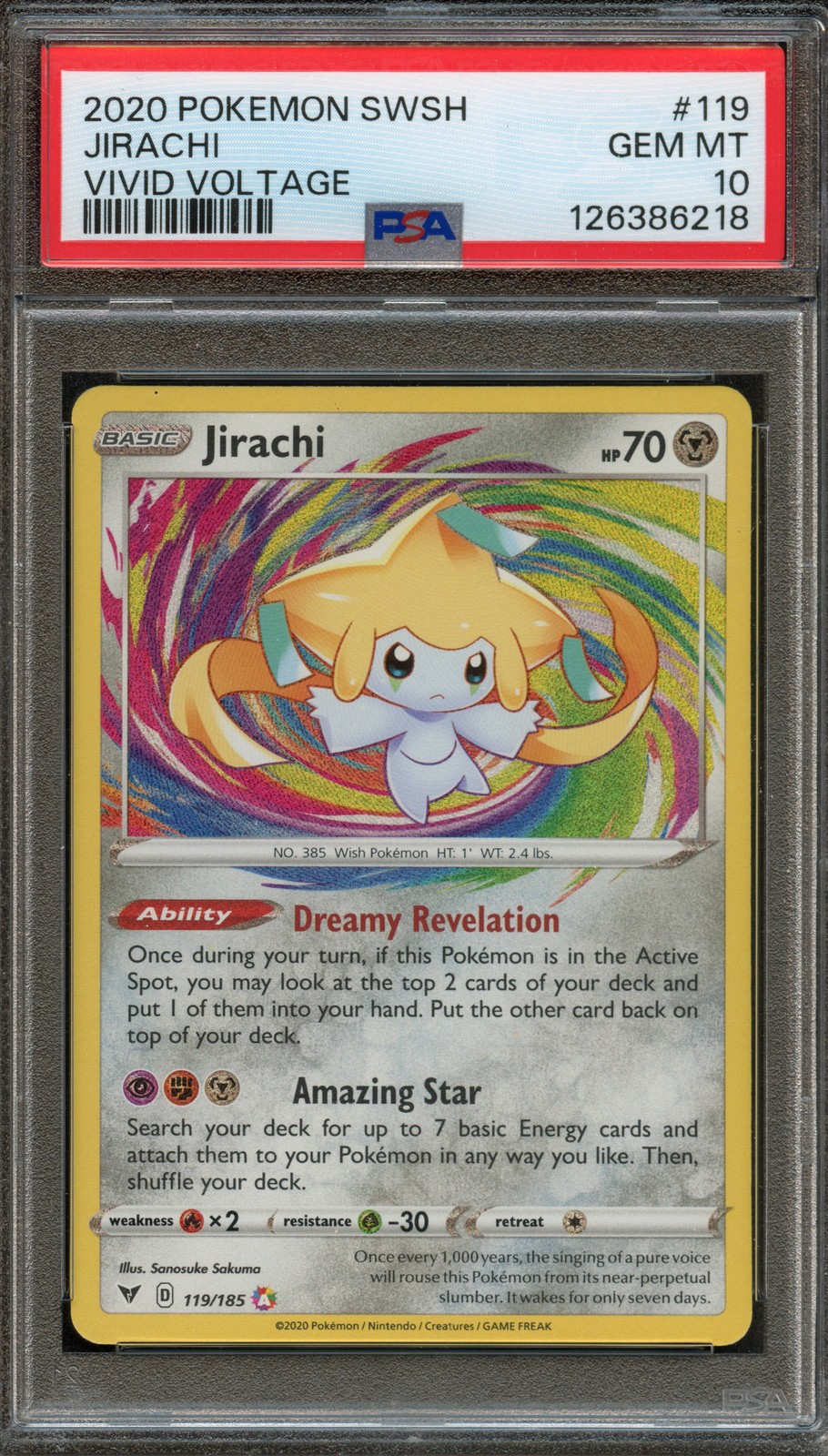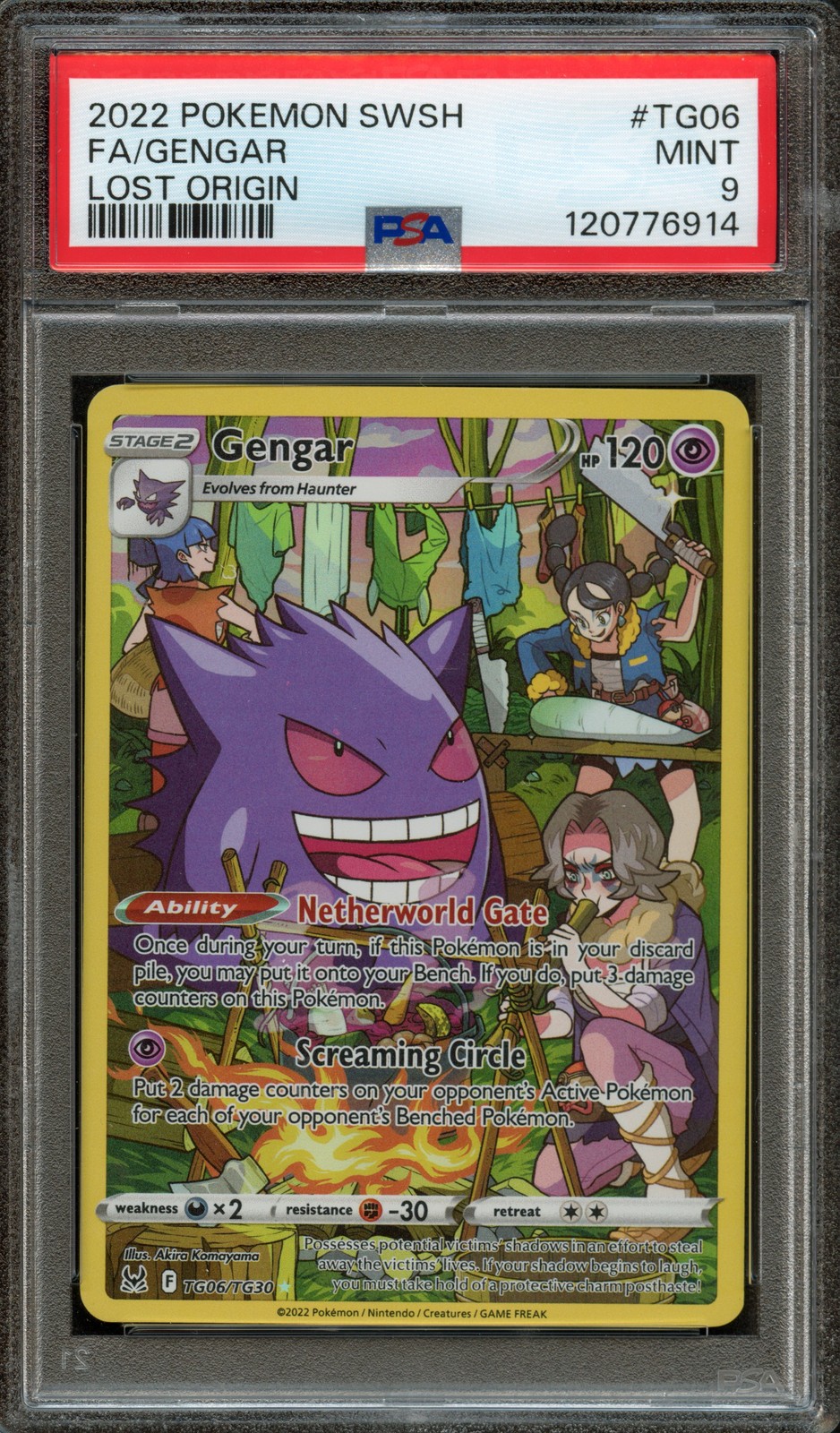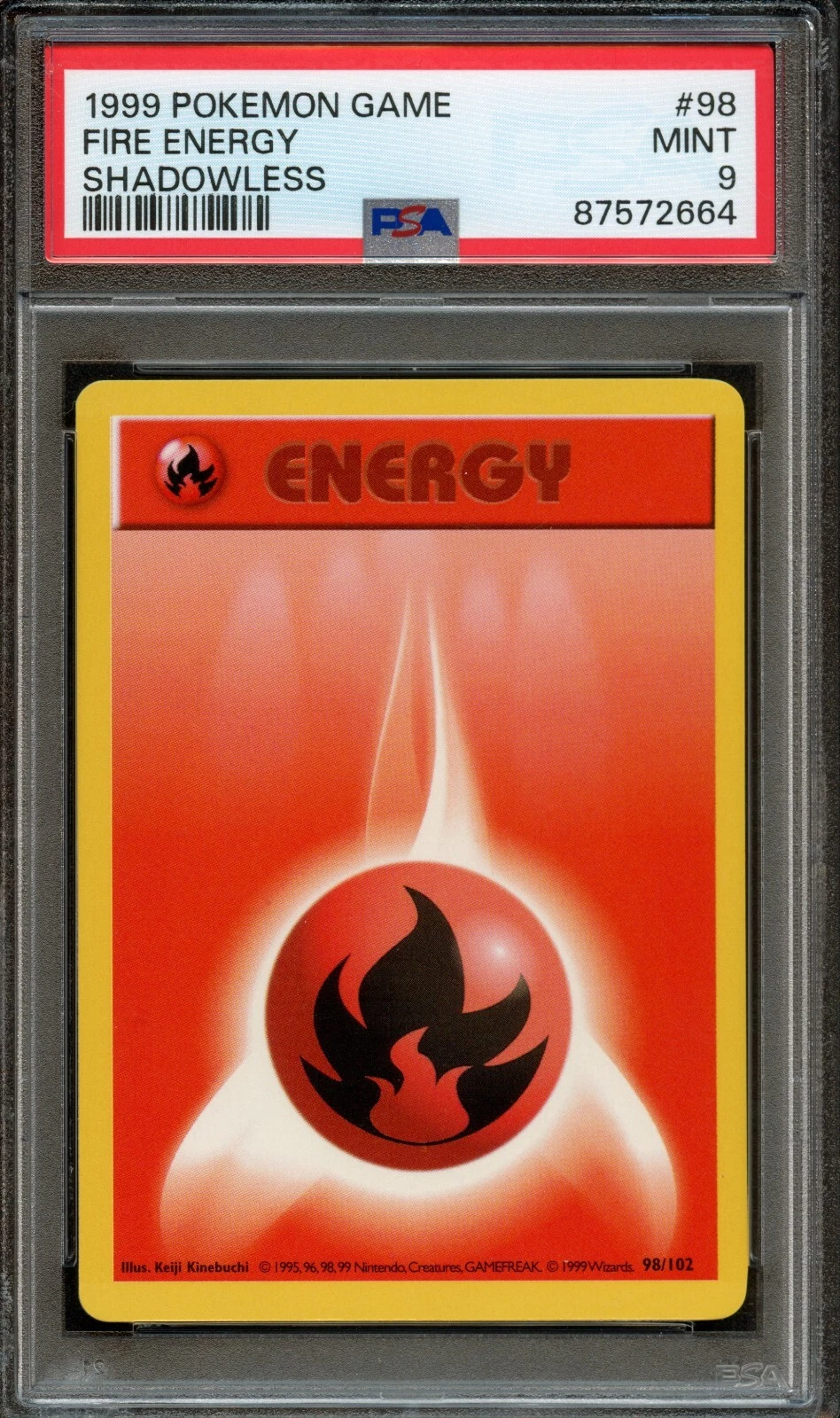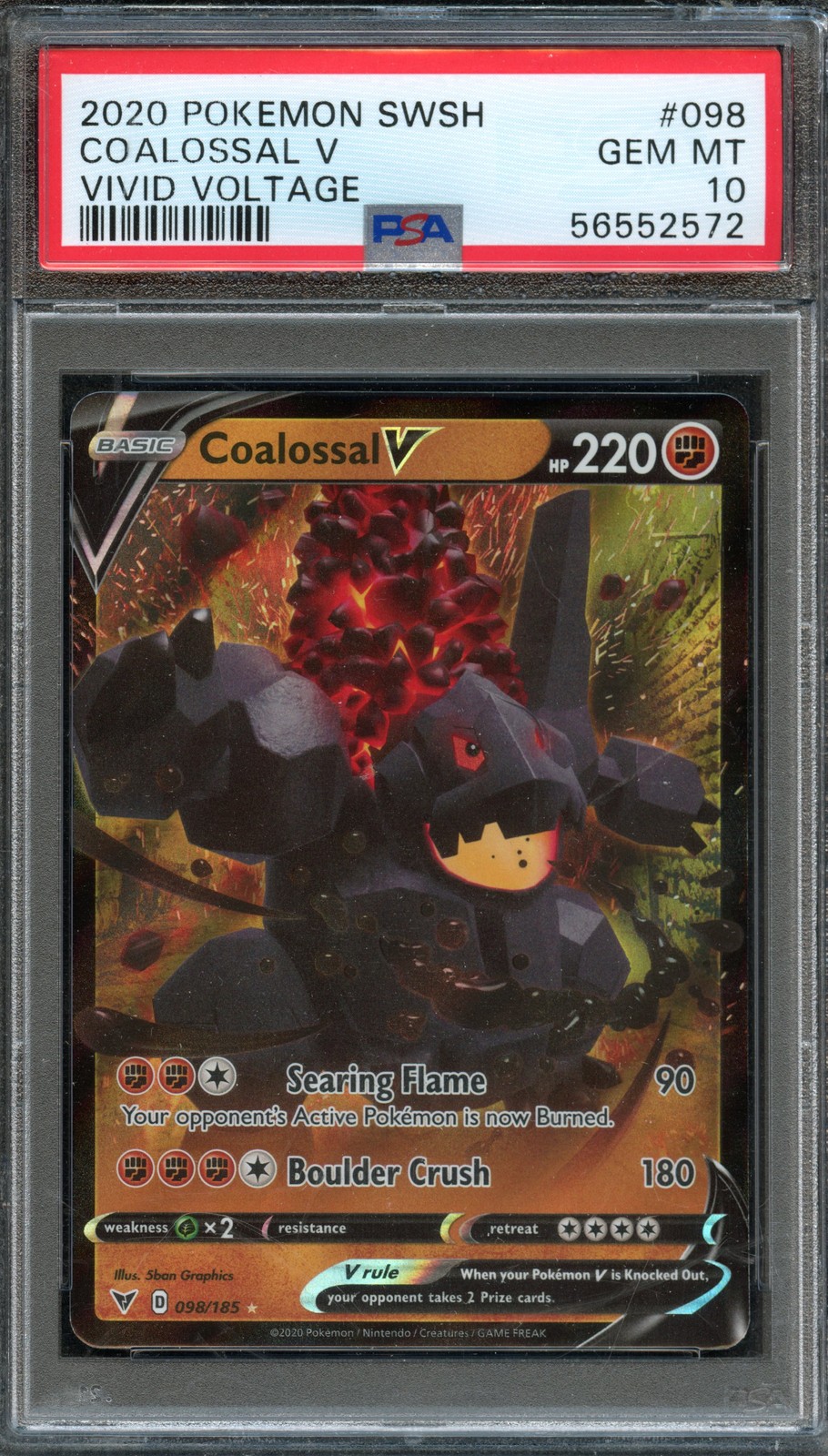
Identify the card before evaluating its condition
Record the Pokémon or Trainer name, card number, set, language, finish and edition. Two cards with the same illustration can belong to different releases. A photograph cropped to the artwork can hide the information needed to distinguish them. Ask for full front and back images, then compare the printed details with an established checklist.
For an older English card, terms such as Base Set, 1st Edition, Shadowless and Unlimited describe different aspects of its identity. They are not interchangeable measures of quality. A heavily played early printing and a clean later printing present different collecting choices. For modern cards, make sure the listing identifies the exact version instead of relying on a broad name such as Charizard holo.
Authentication and condition grading answer different questions
PSA describes its card process as authentication, grading and encapsulation. Authentication includes checking for evidence of alteration; eligible cards receive a condition grade on its 1–10 scale, then a holder and certification label. Other grading companies have their own published standards, terminology and services.
Read every word on a label. A number, an authenticity designation and a statement about alteration do not mean the same thing. A card described by a seller as authenticated may not have a numerical condition grade. If an autograph appears on the card, determine whether the service authenticated the signature, the card or both. Do not infer an extra service from the presence of a slab.
What to inspect on a Pokémon card
A useful first inspection separates the front surface, back surface, corners, edges and image alignment. Use clear, indirect light and view a card from several angles without touching its surface. On a holographic card, a straight-on photograph may conceal marks that become visible when the light changes. On a dark card back, small areas of edge wear can be easier to see than on the front.
Write down what you observe instead of assigning an optimistic grade. For example, 'small white spot at upper-left back corner' is more useful than 'probably a 10.' Photos cannot settle every question: reflections, compression and sleeves can obscure detail. An online assessment remains an estimate until the grading company physically examines the item.
- Front: scratches, dents, stains, print issues and visual alignment.
- Back: edge whitening, corner wear, scuffs and creases.
- Identity: set, language, number, edition and finish.
- Evidence: photographs of both sides and close-ups of any uncertainty.
Decide whether submission serves your goal
Some collectors grade a childhood favorite to preserve its identity and presentation. Others want a consistent graded set or a clearer basis for a future sale. These are different reasons, and the correct decision does not require every card to justify itself financially. A personally meaningful card can be worth grading to its owner even if the fees exceed any expected resale difference.
If selling is the objective, calculate the full submission expense before sending it. Include service charges, shipping both ways, packing materials and any applicable additional fees. Compare recent completed sales for the exact issue across several plausible grades. Do not use the price of a top-grade example as the expected outcome for every raw card. Buying an already graded copy may offer a more predictable cost when you want a particular grade.
Prepare a submission without altering the card
Read the grading company's current submission and packaging instructions directly before packing. Fees, service levels, acceptable holders and turnaround estimates can change. Photograph each card and maintain a list matching the order in the shipment. Keep order records and tracking information together so you can reconcile what returns.
Avoid attempts to improve a card with liquids, waxes, pressure or recoloring. PSA's standards identify cleaning and other alterations as reasons a card may not receive a normal numerical grade. For an unfamiliar stain or surface issue, seek guidance before doing anything irreversible. Careful documentation is a better first step than a home treatment.
Check the returned card or a graded listing
Match the holder label to the actual card, including edition and language, then look up the certification number on the grader's own website. Compare any available reference images with the listing. A database match is one check in a broader review; it does not prove that every photograph using that number shows the genuine certified item.
Inspect the holder for cracks, damaged seams and obvious inconsistencies. Separate a mark on the plastic from a mark on the card before reaching a conclusion about condition. Ask the seller for a different angle when needed. Keep the invoice and arrival photos with your collection record, and store the holder where it will be protected from repeated handling, direct light and environmental extremes.
Common questions
Does a new card automatically receive a high grade?+
No. Fresh packaging does not establish condition. Inspect the individual card; production defects and handling during packing or opening can affect it.
Will grading increase a Pokémon card's value?+
There is no automatic increase. The exact issue, resulting grade, collector demand, selling costs and submission expense all matter. Grade for a defined collecting purpose rather than assuming a profit.
Sources & further reading
Primary references for the terminology and factual details discussed above.
Explore the actual listings.
Read the item description, photographs, condition notes and terms on eBay. Selection and availability change.
Browse Current Pokémon Inventory ↗Explore Graded & Collectible Pokémon Cards ↗