The design connects two collecting eras
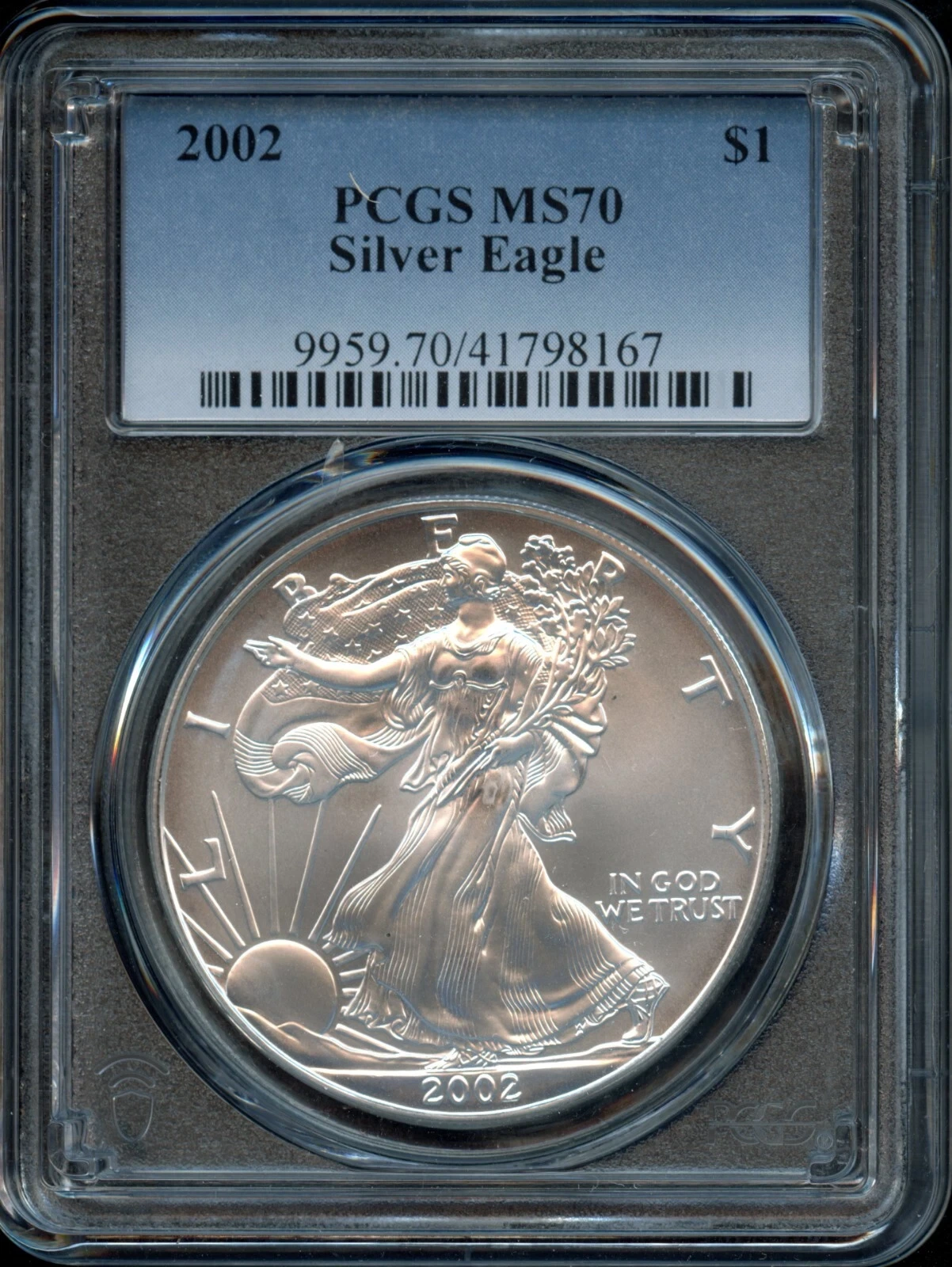
The U.S. Mint launched the American Eagle program in 1986. Its silver coin uses Adolph A. Weinman's Walking Liberty design, originally associated with the Walking Liberty half dollar. The Silver Eagle contains one troy ounce of 99.9% fine silver and carries a one-dollar denomination. Those specifications identify the product; the denomination should not be confused with a marketplace asking price.
A collector interested in design can place a Silver Eagle beside a Walking Liberty half dollar and compare how a related image appears on different coin formats. A collector interested in modern issues may instead organize by date and finish. Decide which story your collection should tell before expanding into every label or packaging variant encountered online.
Distinguish bullion from collector finishes
The Mint makes bullion Silver Eagles and separate collector products, including proof and uncirculated offerings. In this context, a named U.S. Mint Uncirculated product is not simply another way to say that any bullion coin has no wear. Read the specific issue description and compare it with an official product reference for that year.
Proof describes a manufacturing format, not a promise that the coin is free of marks. A seller's use of words such as brilliant or pristine is also not a substitute for identifying the finish. When building a consistent date run, establish whether your checklist covers bullion issues, proofs, named collector issues or a combination. Otherwise a filled date slot may hide a mismatch.
Understand the 2021 reverse change
The Silver Eagle's original heraldic-eagle reverse gave way during 2021 to a design showing an eagle approaching a landing with an oak branch. Collectors commonly distinguish these designs as Type 1 and Type 2. Because both occur with the 2021 date, the year alone does not fully identify a 2021 Silver Eagle.
Check the reverse photograph rather than relying solely on a short title. If you are assembling a transition pair, list the two designs explicitly and keep the finish consistent unless a mixed comparison is intentional. This is also a useful reminder that a collecting checklist should contain enough detail to distinguish the actual products, not merely their dates.
Evaluate the coin and its presentation separately
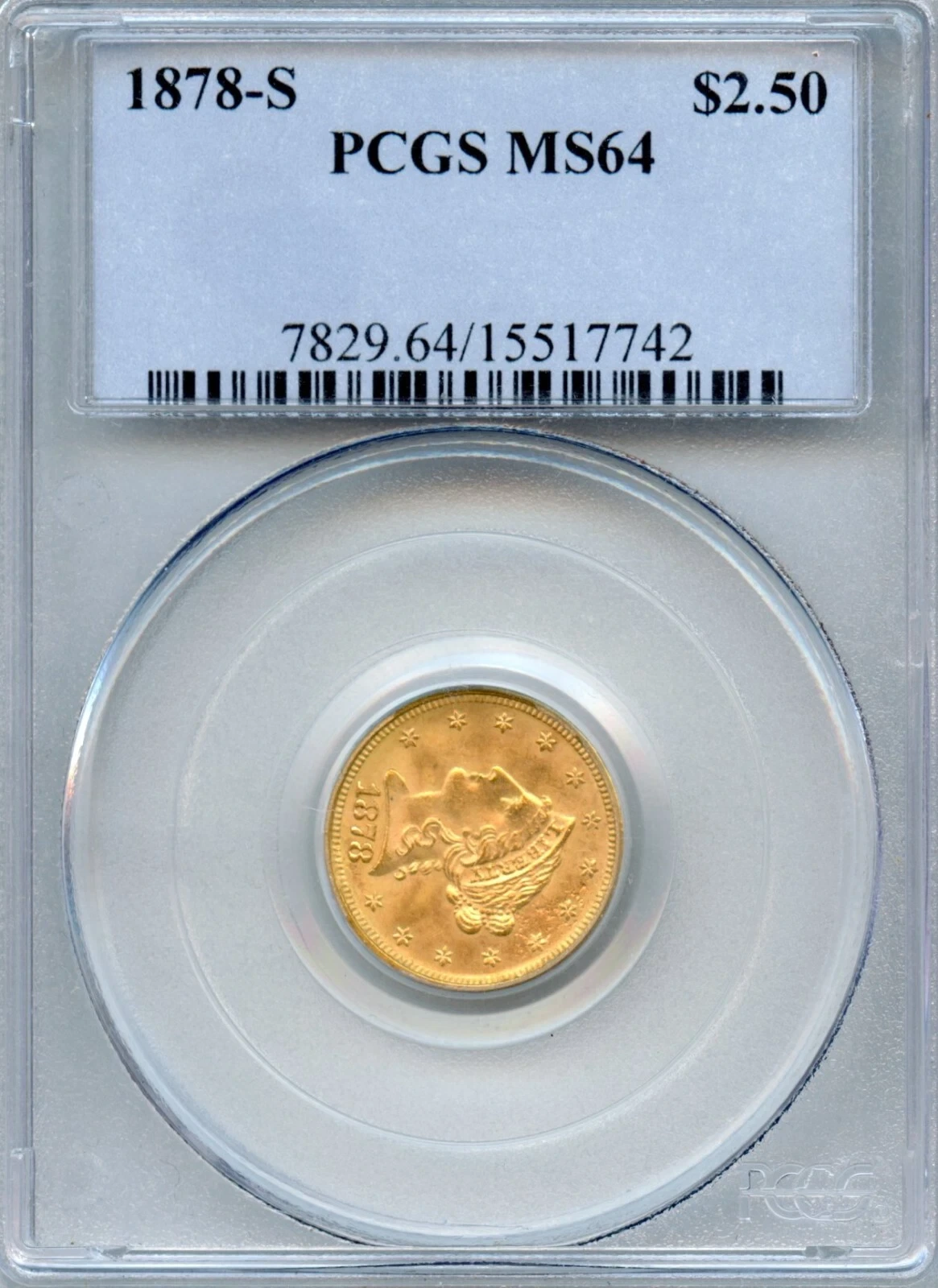
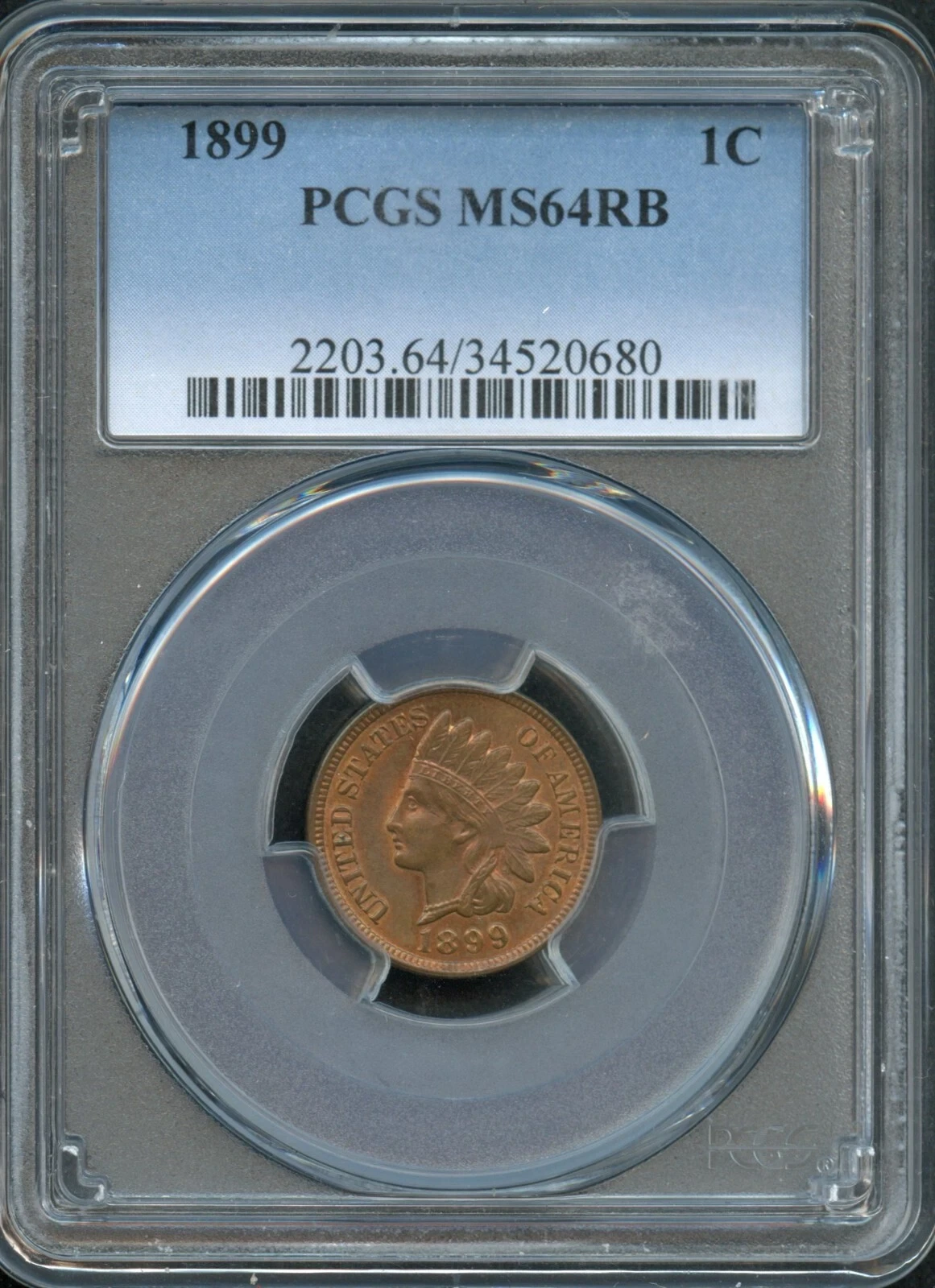
For a slabbed example, read the service, grade, certification number and any designation. Then inspect the photographed surfaces for visible marks, spots and color. A decorative label, signature or release designation may be part of your preferred presentation, but it answers a different question from the grade assigned to the coin.
For an example in Mint packaging, establish what is included: coin, capsule, box and certificate, as applicable to the particular product. Packaging can matter to a collection's consistency without proving that the enclosed coin is undamaged. Request photographs of the actual contents when the listing's appeal depends on a complete presentation.
Build a useful comparison checklist
Record date, reverse type where relevant, finish, mint-mark or attribution wording, grading information and included packaging. Compare like with like before deciding between listings. A proof in its original presentation and a certified bullion coin can both be appropriate collectibles, but their differing formats should be a deliberate choice.
Keep capsules and holders closed for ordinary viewing. Store the accompanying paperwork with your inventory record rather than separating it into an unmarked pile. Browse the linked TrendingArt eBay listings for the specific Silver Eagles available, and use each listing's photographs and description to confirm the version being offered.
Common questions
Are Type 1 and Type 2 Silver Eagles different grades?+
No. Those terms distinguish reverse designs. A numerical grade describes the condition assessment of an individual coin.
Should I collect every label version?+
Only if labels are part of your collecting goal. A checklist organized around dates and finishes can remain coherent without including every presentation variant.
Sources & further reading
Primary references for the terminology and factual details discussed above.
Explore the actual listings.
Read the item description, photographs, condition notes and terms on eBay. Selection and availability change.
Browse Current Coins Inventory ↗Explore Collectible, Vintage & Graded Coins ↗