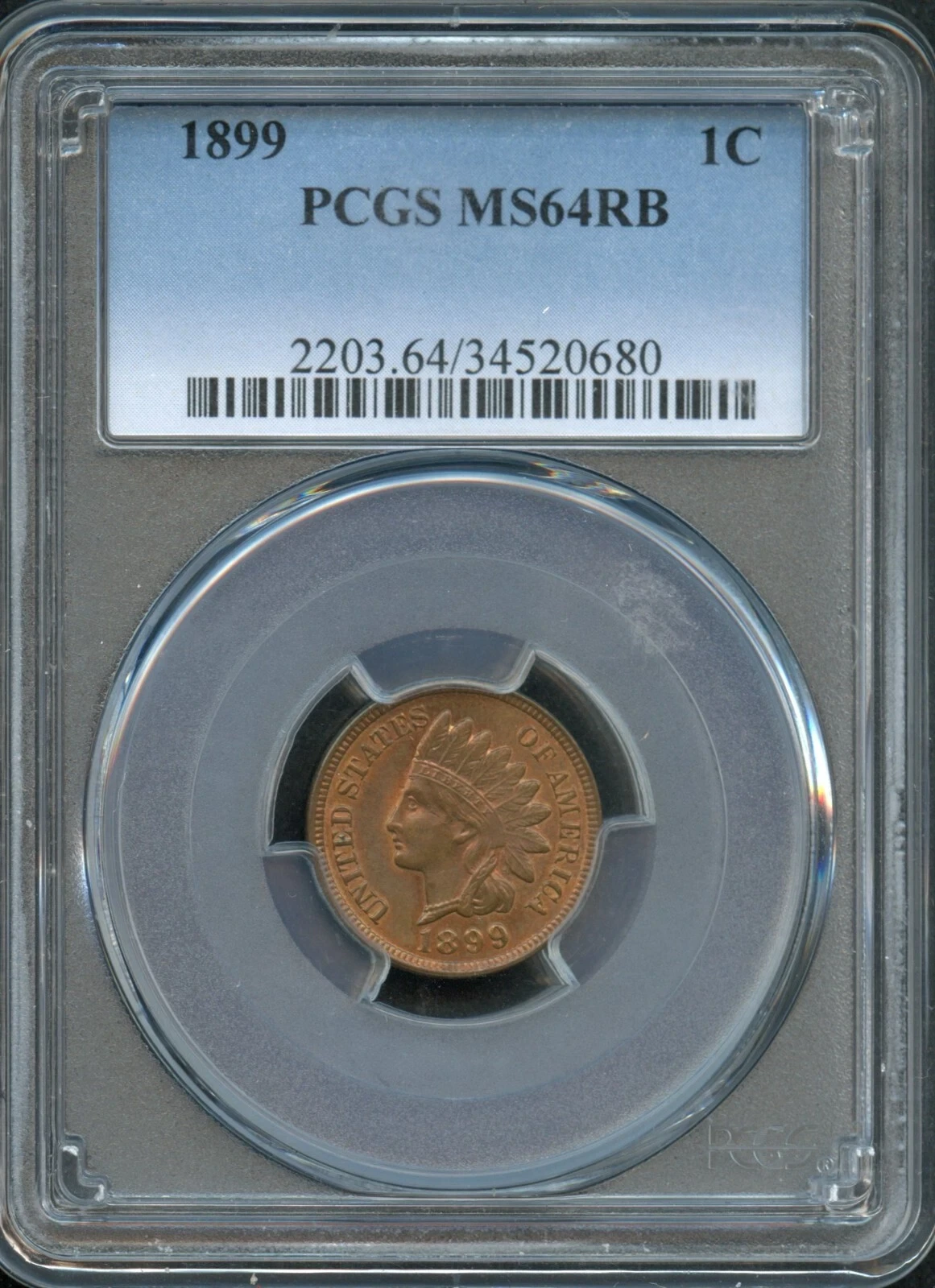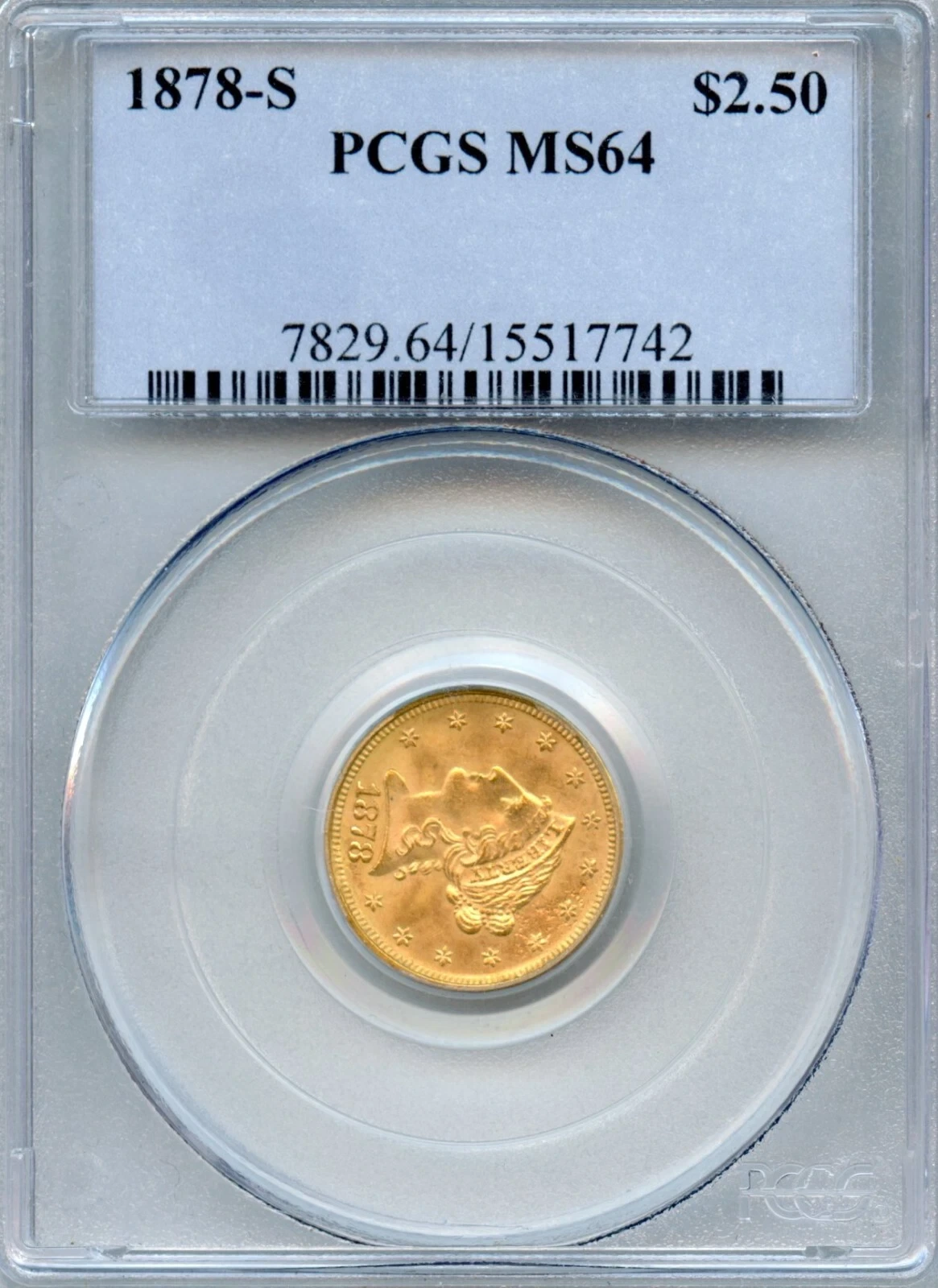
The familiar scale runs from 1 to 70
The Sheldon scale used in conventional PCGS and NGC coin grading runs from 1 to 70. Higher numbers generally describe better preservation within the applicable grading framework. The scale is not a percentage: MS65 does not mean a coin is 65% complete or that its appearance can be calculated by adding up visible features.
A short label compresses an expert assessment into a standardized form. That is useful when organizing and comparing coins, but compression leaves out detail. Two examples can share a grade and differ in the placement of marks or overall visual appeal. Treat the grade as a starting point for comparison, then decide which observed characteristics matter to your collection.
Why AU58 and MS60 are different categories
MS stands for Mint State and applies to grades 60 through 70 in this system. AU means About Uncirculated. PCGS explains the boundary between AU58 and MS60 through the presence or absence of wear. An MS60 coin can have numerous marks even though it lacks circulation wear; a lightly worn AU58 can still present attractively.
Imagine comparing two photographs: the AU58 coin looks relatively clean but has slight friction on a high point, while the MS60 coin has more distracting contact marks. You might prefer the former's appearance. That preference does not invalidate the labels; it shows why visual appeal and the wear distinction are not the same measurement. Compare coins with a clear understanding of which question each grade answers.
Proof identifies a production format
Proof coins are made through a special production process. PCGS commonly uses PR and NGC uses PF in their labels. Proof is not another word for perfect, and a proof coin can show impairment or wear. A mirrored-looking business strike should not automatically be called a proof.
For a purchase, identify the strike format before comparing numbers. A proof and a circulation-format coin from the same year can be different collecting targets even when their numerical grades match. On a checklist, keep strike type in its own field so an appealing but different format does not quietly fill the wrong position. Refer to the grading service's explanation when unfamiliar abbreviations appear.
Details is a significant part of the label
NGC uses Details grading for certain genuine coins with surface problems that prevent a conventional numerical grade. The label combines a description of remaining detail with information about the problem. Cleaning, damage or another disclosed issue must be read as part of the assessment, not as small print below an otherwise ordinary grade.
A hypothetical XF Details coin and a straight-graded XF40 coin should therefore not be treated as identical entries. The former needs an explanation of the qualifying issue and an examination of where it appears. You may decide that a disclosed problem is acceptable for a study collection or a particular specimen. The important point is that this is a conscious decision supported by photographs and the full description.
Designations add information without replacing the grade
Additional label terms can address color, strike detail or surface appearance. Examples include BN, RB and RD for copper color, and FB for Full Bands on Mercury dimes. These are separate descriptors. They do not turn the numerical grade into a universal score covering every desirable property.
Read a label from left to right: identity, strike format, number, designation and any qualifiers. Then ask which terms are relevant to your purpose. A collector building a Full Bands Mercury dime group has a different checklist from someone assembling representative circulated dimes. Special release labels and decorative presentation can also matter to personal preference, but should not be confused with the condition assessment itself.
Certification requires checking the actual holder
Use the grading company's own verification service to look up the certification number. Compare the returned coin identification and grade with the label, and compare photographs where available. PCGS cautions that real certification numbers can be copied onto counterfeit inserts, so a matching number alone is not a complete authentication of a holder.
Examine clear photographs of both sides of the slab as well as the coin. If you see an apparent mismatch, do not rationalize it simply because the numerical grade is attractive. Request clarification and keep the comparison unresolved until the evidence supports a consistent identity. Verification is a practical cross-check, not a reason to stop looking at the object being offered.
Use different references for different coin categories
Ancient coins require particular care with terminology. NGC Ancients considers wear, strike, surface and style rather than reducing its entire description to the ordinary modern U.S. numerical label. Its guarantee also has ancient-specific limitations. Read the applicable framework instead of importing assumptions from a modern certified Silver Eagle.
For any category, learn with a small, consistent comparison group. Review several examples of the same type and note visible differences without attempting an exact grade at first. Keep observed features separate from conclusions. This practice makes labels more informative and helps you recognize which questions cannot be resolved from the photographs alone.
A practical reading order for a listing
First confirm the coin type, date and mint. Next establish the production format, then read the full grade and qualifiers. Verify certification where applicable and inspect the actual coin images. Finally, decide whether the specimen fits the collection and the amount of uncertainty you are prepared to accept.
Browse TrendingArt's coin categories to apply this process to the series that interests you. Each eBay listing supplies the specific coin and transaction terms. If you are deciding between raw and certified examples, the separate raw-versus-graded guide focuses on how the two buying processes differ.
Common questions
Does a higher number guarantee a coin I will prefer?+
No. The grade describes condition under a grading framework. Your preference may also depend on design, color, mark placement and the collecting project.
Is proof a higher grade than Mint State?+
No. Proof and Mint State terminology distinguish production format and condition categories; proof is not the next numerical step above MS70.
Does Details mean counterfeit?+
Not in NGC's Details framework. It identifies an eligible genuine coin with a condition issue that prevents a conventional numerical grade.
Sources & further reading
Primary references for the terminology and factual details discussed above.
Explore the actual listings.
Read the item description, photographs, condition notes and terms on eBay. Selection and availability change.
Browse Current Coins Inventory ↗Explore Collectible, Vintage & Graded Coins ↗