Raw does not mean unidentified or automatically inferior
A raw coin may be in an album, flip, capsule or original presentation rather than a grading-service holder. It can still have a detailed seller description and a documented ownership history. Conversely, the absence of certification means you should not treat a handwritten grade as an independent assessment simply because it uses familiar grading abbreviations.
Ask who made each claim and what supports it. The date may be directly readable, the variety may depend on specialist diagnostics, and the condition opinion may belong only to the seller. Separating those evidence levels is more useful than labeling the whole listing good or bad based solely on whether plastic surrounds the coin.
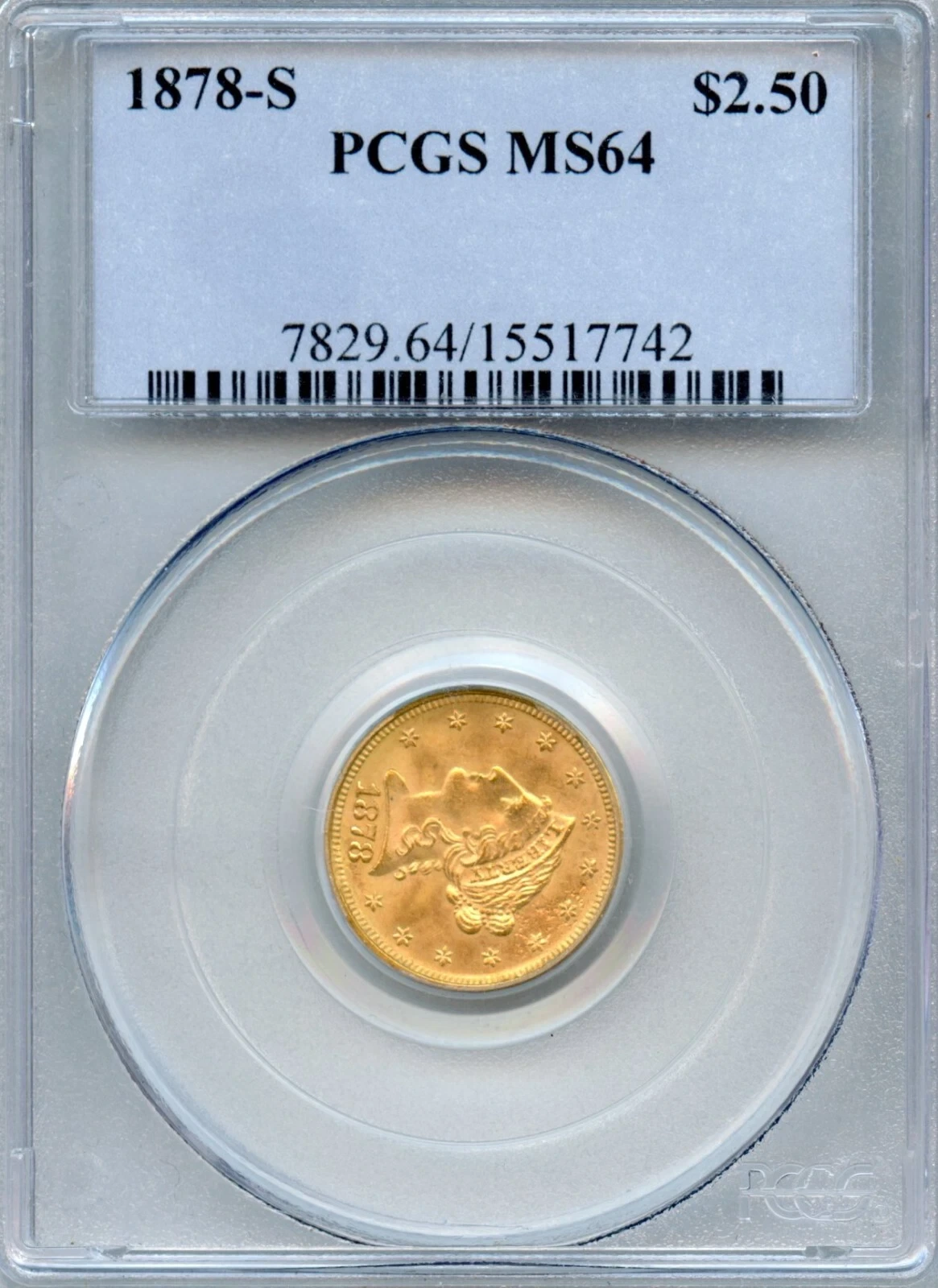
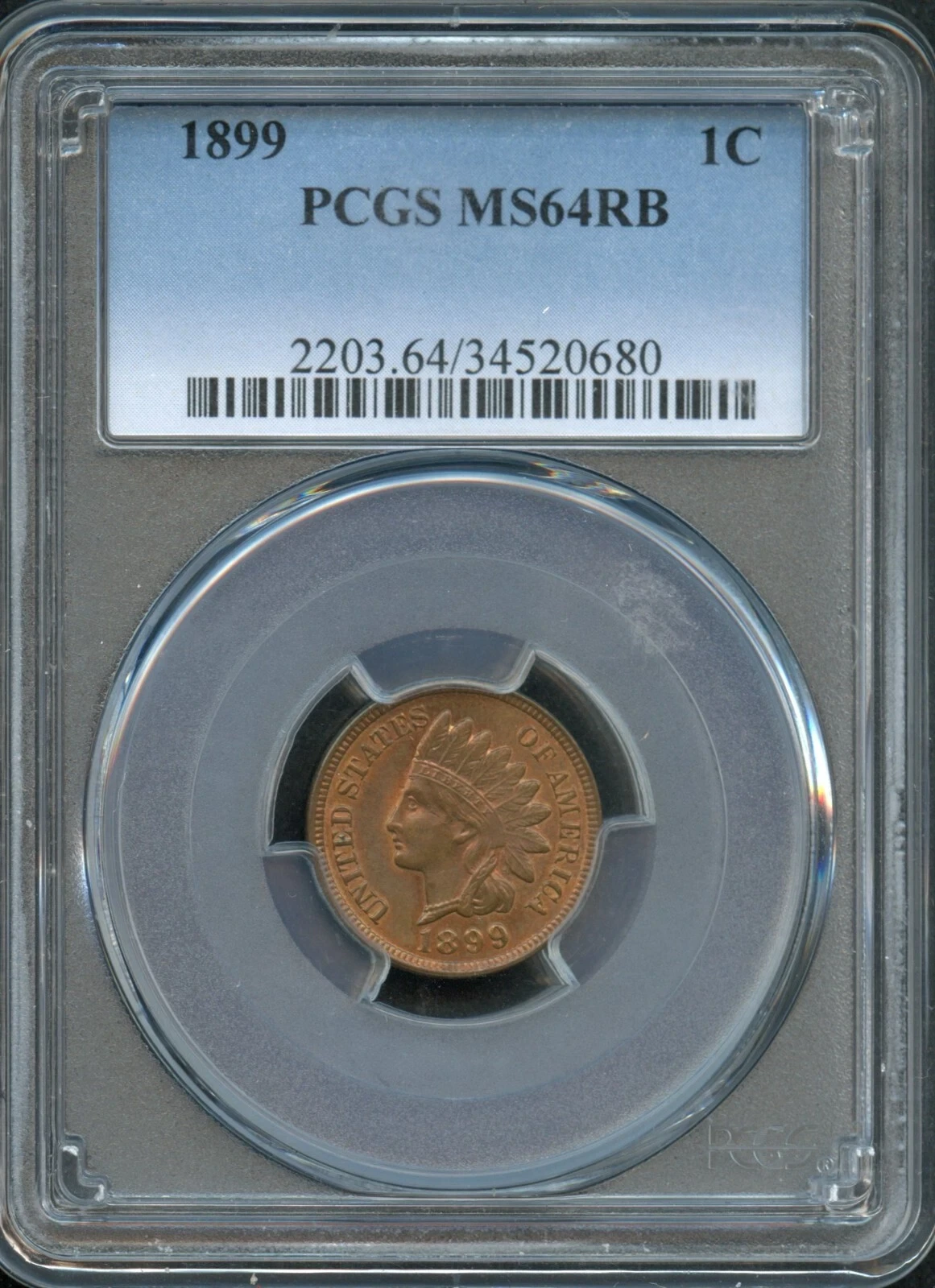
Certification supplies a documented assessment
A certification label identifies the coin and records a grading service's assessment under its standards. It may also disclose a variety, strike designation or condition problem. Read every part of that description. Certification is most useful when you understand the specific information supplied and the limits of the service's applicable guarantee.
The holder does not determine whether the coin suits your collection. Two examples with matching grades can differ in appearance, and a Details-qualified piece needs a different review from one with a conventional numerical grade. Treat certification as structured evidence. It can reduce some uncertainty, but it should not displace examination of the specimen or the transaction terms.
Choose the format around the collecting task
For a study group organized around design changes, you may prioritize clearly visible features and consistent documentation. For a date-and-mint set where attribution is crucial, you may put greater weight on an independent attribution and a verifiable holder. For an original-packaging collection, preserving the presentation may be part of the goal itself.
State the goal in one sentence before comparing listings: for example, an Indian cent type group that clearly demonstrates the composition changes, or a Morgan mint group with documented identification. This makes it easier to decide which unresolved questions actually matter. It also prevents a blanket rule such as always raw or always slabbed from replacing judgment about the particular purchase.
Questions to resolve on a raw coin
Request photographs of both sides, enough rim detail to understand the condition and close-ups of identifying features. Confirm whether the listing shows the exact coin rather than a representative example. If the attribution depends on a mint mark, overdate or other diagnostic, that area should be clearly visible.
Read disclosures about cleaning, damage, repair or other treatment. If no statement is made and the issue matters to you, ask directly. A vague adjective such as beautiful does not answer a specific condition question. Save the response with the listing record. When you lack the knowledge to evaluate an important feature, that uncertainty remains even if the photograph is attractive.
- Can the date, mint and relevant type be identified from the actual photographs?
- Who assigned the stated grade or variety, and what evidence supports it?
- Are condition issues or prior treatments disclosed clearly?
- Are the seller's return terms and the exact item being sold understandable?
Questions to resolve on a certified coin
Look up the certification number on the service's own website and compare the returned identification, grade and images where available. PCGS warns that genuine numbers can be copied onto false inserts. Therefore, a database match should accompany inspection of the holder and coin rather than serve as a standalone authenticity verdict.
Request clear front and back holder photographs. Check whether an apparent scratch belongs to the plastic or the coin and whether glare prevents a meaningful view. Read any Details wording and designations exactly as printed. If the listing title shortens the label in a way that hides an important qualifier, use the full label and seek clarification before deciding.
Avoid treating future grading as a purchase assumption
If you are considering buying a raw coin and submitting it later, separate that plan from what is established now. The submission may not produce the grade or attribution you hope for. Make the buying decision on the coin as presently documented, then evaluate whether a submission would answer a useful collecting question.
Use the grading service's current submission instructions and fees when planning the process. Consider the work of identifying the appropriate service, preparing the submission, shipping and maintaining records. A submission should have a purpose beyond making the holder look more authoritative. For an inherited group, an initial inventory and clear photographs may be the more useful first task.
Ancient coins need a separate framework
Do not extend assumptions about modern certified coins automatically to ancients. NGC Ancients uses its own grading framework and explicitly excludes authenticity, attribution and date from its guarantee. Its holder conveys a specialist opinion under those terms, not an unlimited assurance about every aspect of the object.
For ancient coins in either format, preserve attribution references and available ownership documentation. Record missing history as missing rather than replacing it with a narrative based on the coin's design. Decide whether the description, photographs and accompanying records are sufficient for the historical question you want the coin to illustrate.
Care and documentation continue after the purchase
The U.S. Mint recommends handling collectible coins carefully and avoiding cleaning or polishing. A raw coin needs suitable protection; a certified coin still needs sensible storage and careful handling of its holder. Do not remove a coin from a certified holder merely to obtain an unobstructed view unless you understand that the physical connection to that certification will be lost.
Keep the purchase record, full description, photographs, certification information and your observations together. Use TrendingArt's coin categories to find the series you want, then review each actual eBay listing through this evidence-based process. The coin-grading guide explains label terminology; the category pages identify the series-specific details that belong on your checklist.
Common questions
Should every raw coin be submitted for grading?+
No. First decide what question a submission would resolve and whether certification fits the purpose of your collection. Do not assume a hoped-for result.
Does a valid certification number settle authenticity?+
No. It is one cross-check. Compare the complete record with the photographed coin and holder; grading services warn that real numbers can be copied.
Can a collection contain both raw and certified coins?+
Yes. Use a consistent record system and make clear which condition assessments come from a grading service and which remain seller or owner opinions.
Sources & further reading
Primary references for the terminology and factual details discussed above.
Explore the actual listings.
Read the item description, photographs, condition notes and terms on eBay. Selection and availability change.
Browse Current Coins Inventory ↗Explore Collectible, Vintage & Graded Coins ↗