Name the object before evaluating it
A fine-art print, a sculpture edition, a production figure, an exhibition poster and a branded collaboration need different comparisons. Read the listing’s medium and issuer, not just “KAWS” in the headline. Ask who produced the item and which documented release it belongs to. The answer should explain the object in specific terms.
Consider your collecting purpose too. Someone building a works-on-paper collection may prioritize a particular composition, publisher and sheet condition. Someone collecting objects may care about packaging, assembly and surface finish. Neither checklist can simply be copied onto the other category.
Identify prints by title, format and publisher
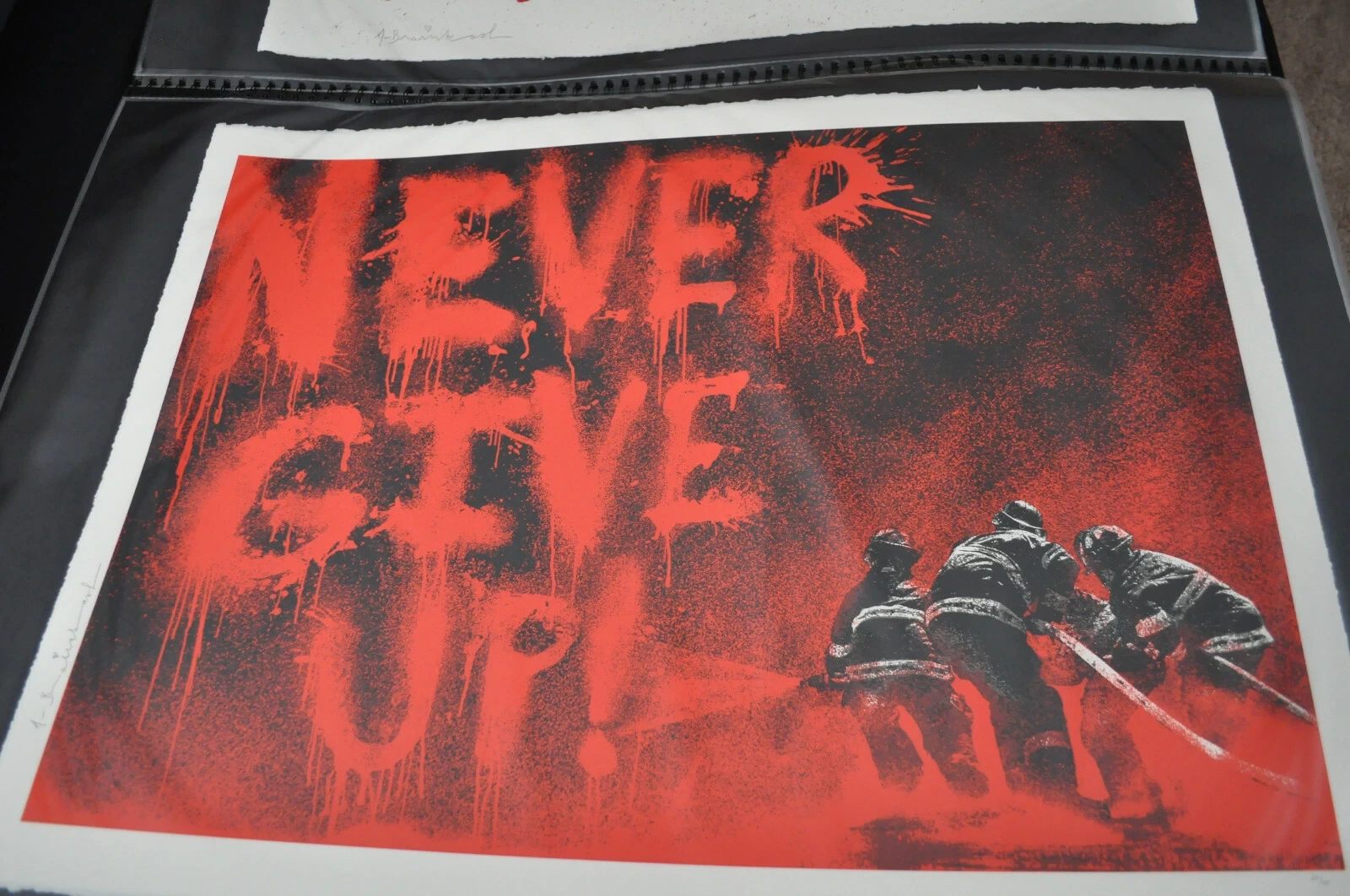
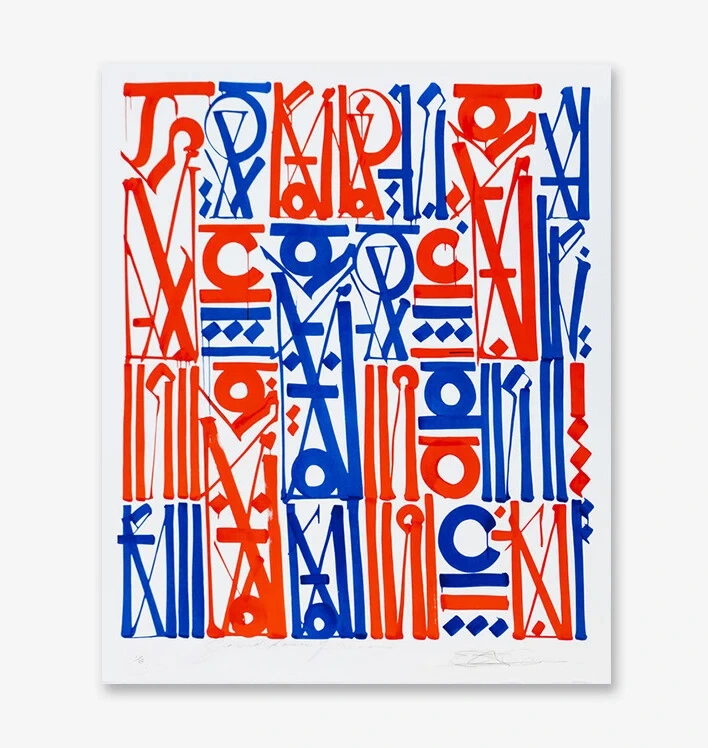
The High Museum records screenprints including TENSION and NO REPLY, both presented as groups of sheets in its collection. A listing for one sheet should not be read as a complete portfolio. Establish whether you are buying an individual image, several selected sheets or the original full group.
For any print, record the title, date, medium, sheet size, signature and edition inscription. Ask for measurements of the paper rather than relying on frame dimensions. If the work is unusually shaped, make sure the description explains the original format and that the photographs show the perimeter clearly.
Ask specific questions about sets
When a seller offers a set, request a photograph of every component and a written list of what is included. Check whether edition numbers match where the release was intended to have matching numbers. Also ask about title sheets, folders, boxes or other original components when the publisher supplied them.
Completeness and condition are separate questions. A complete group can contain one damaged sheet; an incomplete group can contain excellent individual sheets. Decide whether your purpose is to display one work, display the group or preserve a portfolio together. That decision changes which compromises are acceptable to you.
Inspect both the surface and the presentation
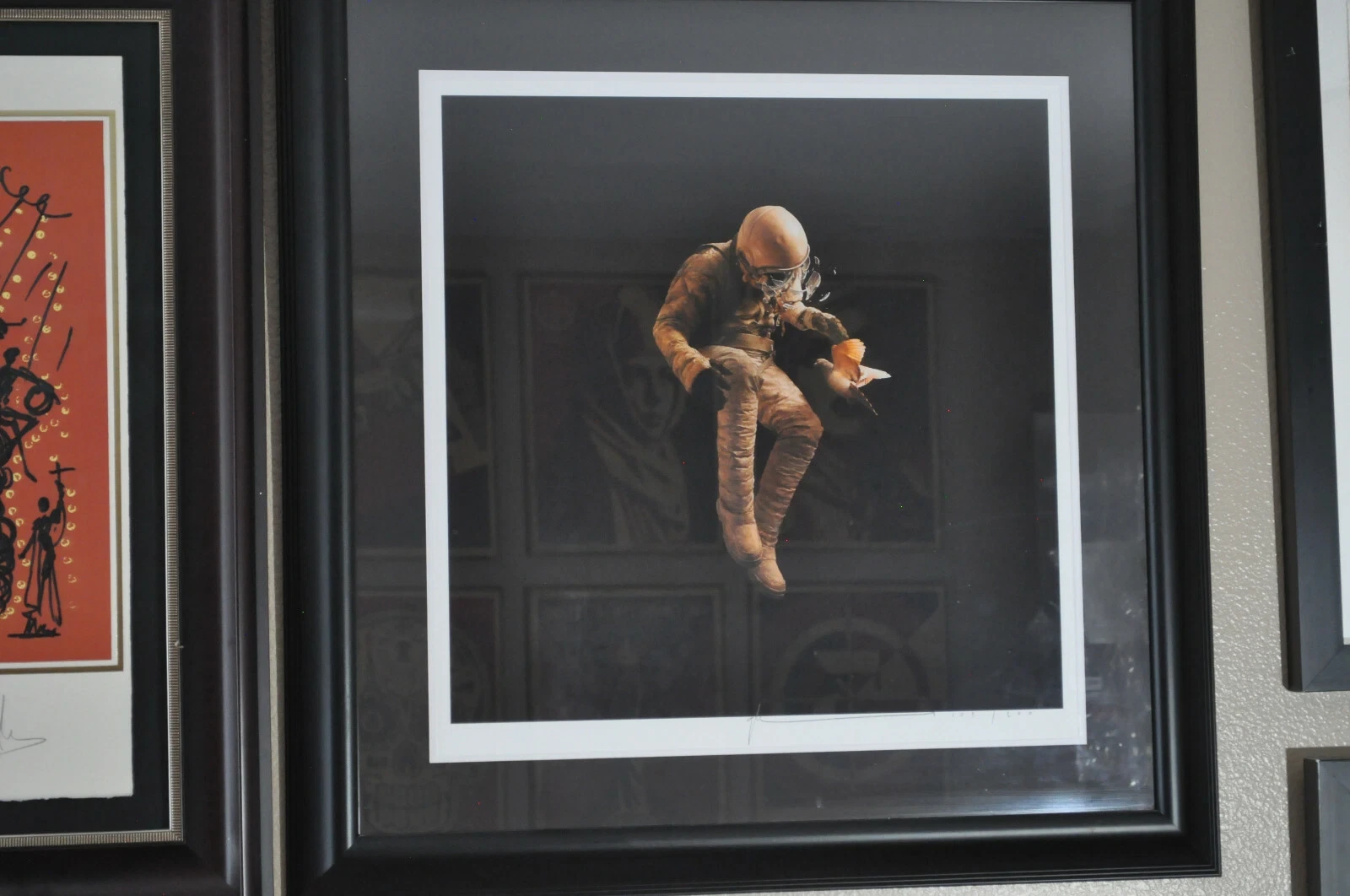
For prints with flat areas of color, ask about scratches, scuffs and handling marks. A glare-free overview shows the composition, while an angled detail can help expose surface disruptions. Request corner and margin images and distinguish a mark on glazing from a mark on the print.
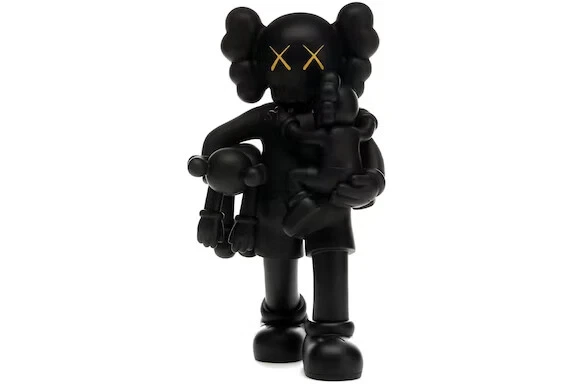
For three-dimensional objects, condition photographs should cover the back, base and joins as well as the front. If the listing includes a box, photograph its labels and corners separately. Avoid interpreting intact packaging as proof that the object inside is correct; the item and its packaging each require review.
Treat documentation as a connected record
An original receipt or release confirmation is useful when it can be connected to the offered example. Check the named seller or publisher, object description and relevant identifying information. Personal details can be redacted without removing the information needed to understand the transaction.
A familiar logo, convincing box or edition notation can support a record but cannot replace it. Where documentation is incomplete, ask what the seller knows and what remains unknown. Be especially cautious about descriptions that switch between a named official release and vague language such as “style” or “inspired by.” Those phrases do not describe the same authorship claim.
Plan the display and the purchase together
Measure the wall or shelf before choosing a work. A portfolio may require much more space than one product photograph suggests, while a shaped sheet may need a purpose-made frame. Include appropriate framing, shipping and installation in your practical comparison rather than treating the asking price as the entire commitment.
Browse TrendingArt’s current KAWS listings for the objects actually offered. Use the individual listing to confirm format, condition and included materials. This guide explains how to compare categories; it does not establish the authenticity of any item that has not been individually reviewed or imply that a named release is available.
Common questions
Is one sheet from a portfolio a complete work to buy?+
It can be an individual sheet offered separately, but the listing should say so. Confirm the exact image and do not mistake its description for the complete portfolio or assume other sheets accompany it.
Does original packaging settle authenticity?+
No. Packaging is one component to review alongside the object and its documented release. Inspect both independently and ask how the seller connects them.
Sources & further reading
Primary references for the terminology and factual details discussed above.
Explore the actual listings.
Read the item description, photographs, condition notes and terms on eBay. Selection and availability change.
Browse Current Art Inventory ↗Explore Collectible & Contemporary Art ↗