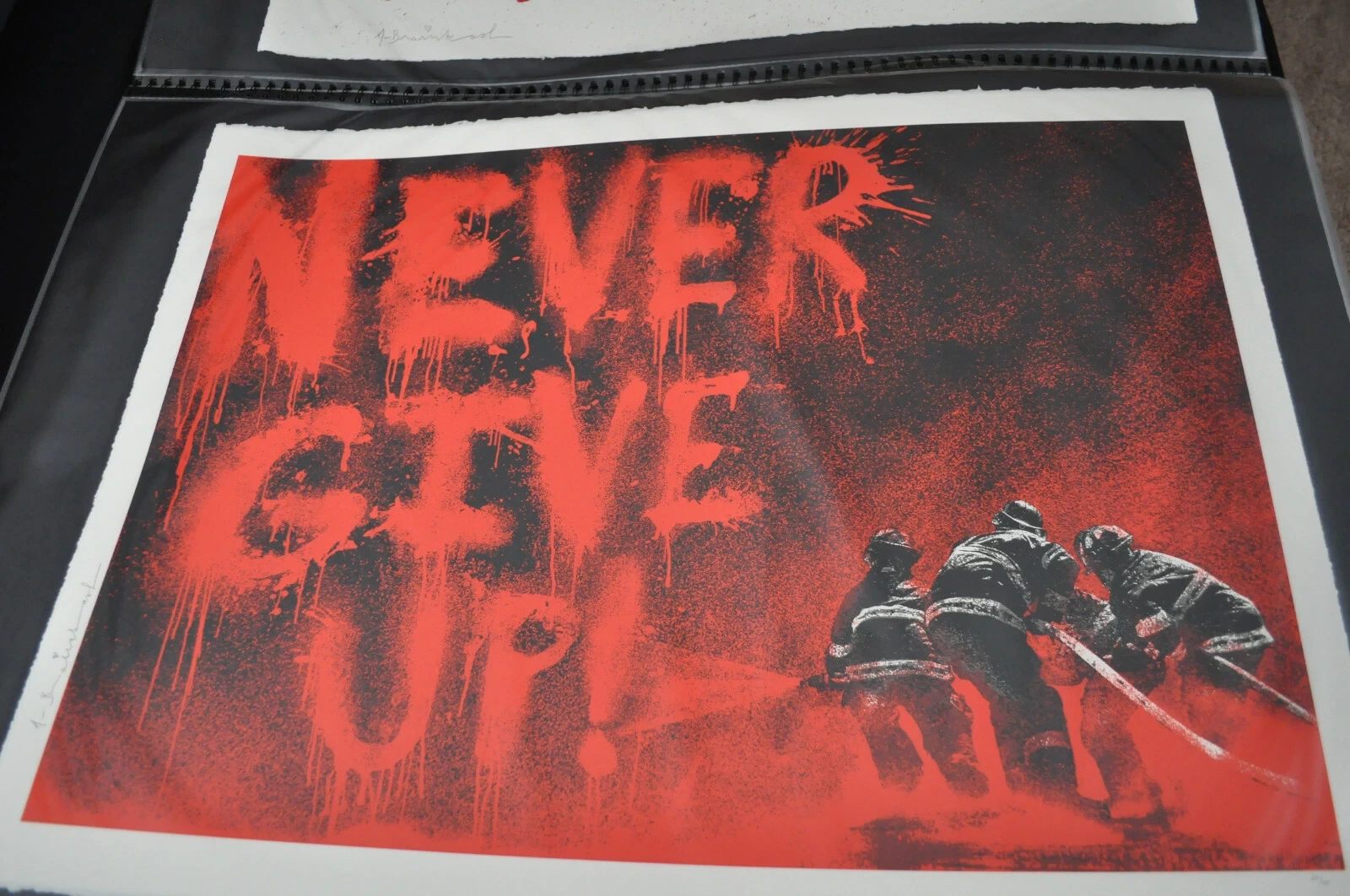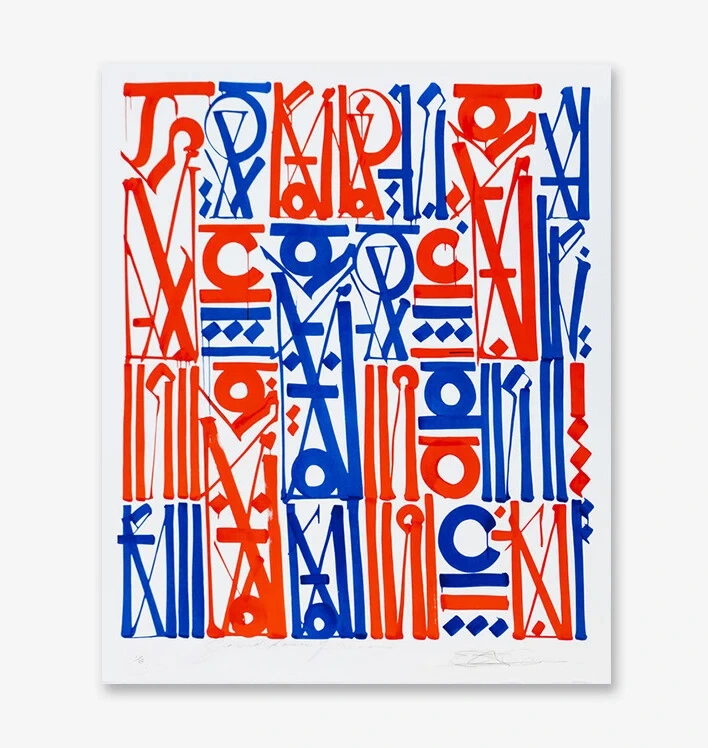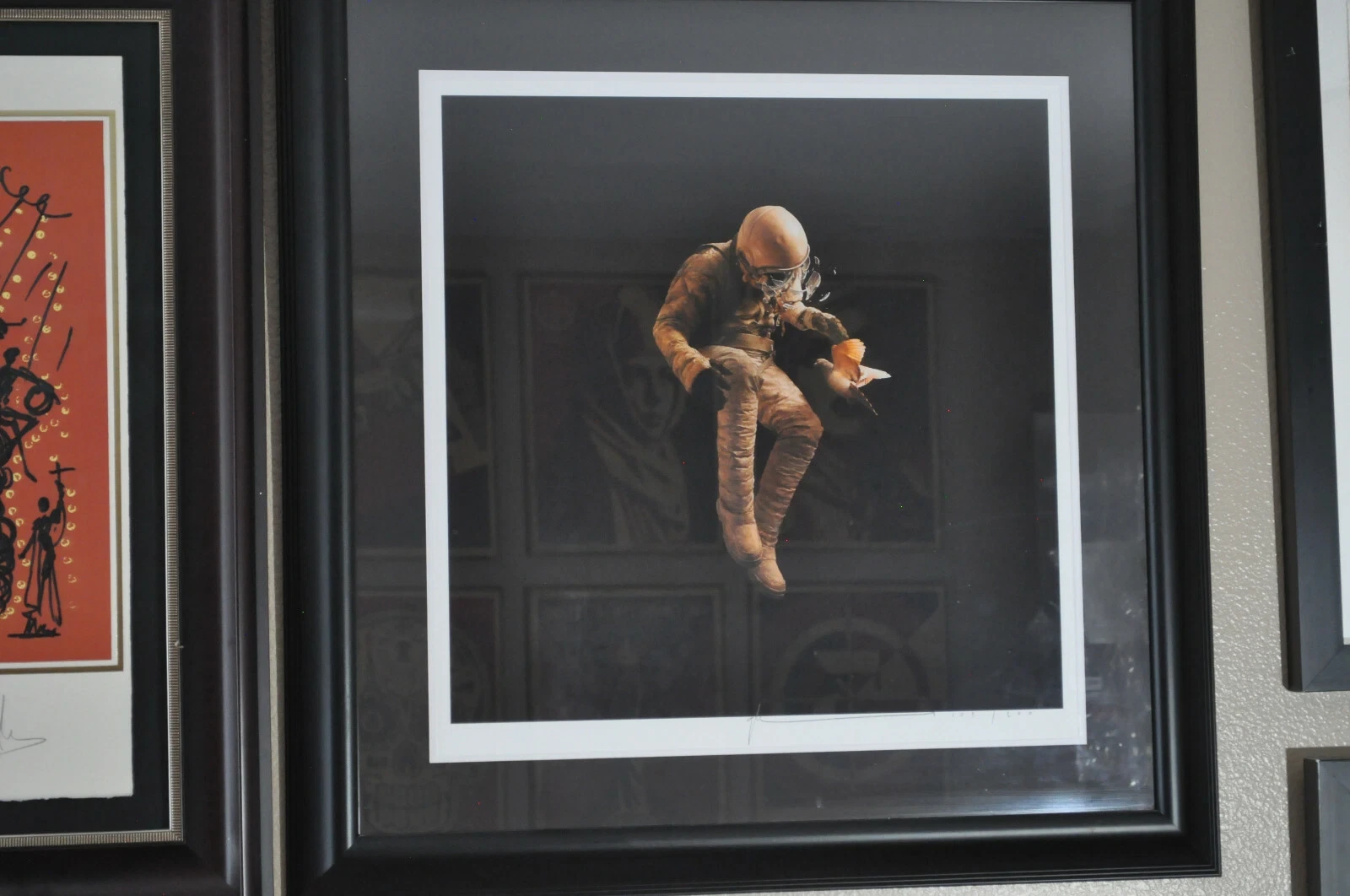
Turn the listing into an object description
Write a one-sentence description containing artist, title, medium, support, dimensions and edition information if relevant. If you cannot complete it from the listing, identify the gap. “Contemporary artwork, framed” is not enough to distinguish a painting from a print or a sheet from a framed reproduction.
Clarify measurements early. Image size, sheet size and frame size are different, and a three-dimensional object needs height, width and depth. Ask whether any accessories shown are included. A room mockup can suggest scale but cannot replace actual measurements.
Ask for a purposeful photograph set
Request a clear front view, reverse view where feasible, identifying marks, edges or corners and detailed images of disclosed flaws. Additional photographs should answer a specific question. A dozen similar front views offer less information than one image showing a hidden margin or the base of an object.
Consider what photography cannot resolve. Reflections can obscure a surface; color balance can shift a palette; a frame can hide mounting. Ask the seller to describe those limitations. If a feature is central to the purchase, such as hand finishing, make sure the photographs show the actual example instead of a representative image.
Match the medium to the review
For a print, focus on the release, sheet format, inscriptions and paper condition. For a painting, ask about support, surface, reverse and repairs. For an editioned object, confirm the manufacturer or publisher, release, component parts and packaging when relevant. A single authenticity checklist cannot adequately cover all three.
The distinction is visible across artists. KAWS has an established print practice as well as objects, while Mr Brainwash’s release pages identify some prints with individual hand finishing. The artist’s name can connect those works aesthetically, but it does not make their production or condition questions identical.
Evaluate provenance without demanding an invented story
Provenance means the work’s ownership history. Ask what documents support the seller’s account and whether those documents match the offered object. A dated invoice with matching details is different from an unsupported statement that the work came from an important collection.
Not every work has an uninterrupted documented history. The seller should distinguish known facts from gaps. If authenticity remains a material concern, establish whether appropriate independent review is possible before buying. An artist’s willingness to receive an inquiry is not a guarantee that the artist will authenticate the object.
Read condition as a description, not a slogan
Words such as excellent and mint are hard to compare without specifics. Ask about visible damage, restoration, discoloration, trimming, mounting or replaced components as appropriate. A condition limitation may be acceptable, but only if you understand its location and extent.
For framed art, ask whether the seller examined it out of the frame. For a sculpture, ask whether it has been repaired or assembled from separate parts. Do not assume an undisclosed area is pristine. At the same time, do not require unsafe dismantling by someone who lacks the expertise to handle the work.
Confirm the complete delivery arrangement
Determine what is included, how it will be packaged and what delivery requirements apply. A large framed work may need different handling from a small flat print. Establish any installation responsibility yourself instead of assuming a seller’s shipping fee includes hanging the work on your wall.
Read the individual transaction’s return and damage-reporting terms. Keep important answers in writing within the marketplace or seller correspondence. If you are ordering across borders, verify the applicable checkout and delivery charges for that transaction rather than assuming an advertised item price is the final amount.
Prepare for arrival and keep the evidence
Have a safe inspection area ready and document the exterior packaging before opening. Compare the work with the listing and preserve the packaging while any discrepancy is resolved. Report concerns promptly through the appropriate transaction channel and avoid making repairs before the issue is reviewed.
After acceptance, save the invoice, seller answers, photographs and relevant release references in one record. Plan appropriate display or storage, and label uncertainties honestly. Browse TrendingArt’s fine-art and artist pages for collecting context, then use the current eBay listing to evaluate the particular work and its purchase terms.
Common questions
Is a certificate enough to make an online purchase safe?+
No. Its issuer, contents and connection to the physical work matter. Read it alongside the object photographs, release information, provenance and transaction terms.
What should I do if the seller cannot answer a key question?+
Identify whether the uncertainty is acceptable to you. If it concerns the object’s identity, a claimed signature, significant condition or authenticity, resolve it through better evidence or appropriate review before committing.
Sources & further reading
Primary references for the terminology and factual details discussed above.
Explore the actual listings.
Read the item description, photographs, condition notes and terms on eBay. Selection and availability change.
Browse Current Art Inventory ↗Explore Collectible & Contemporary Art ↗