Separate a print from its added surface work
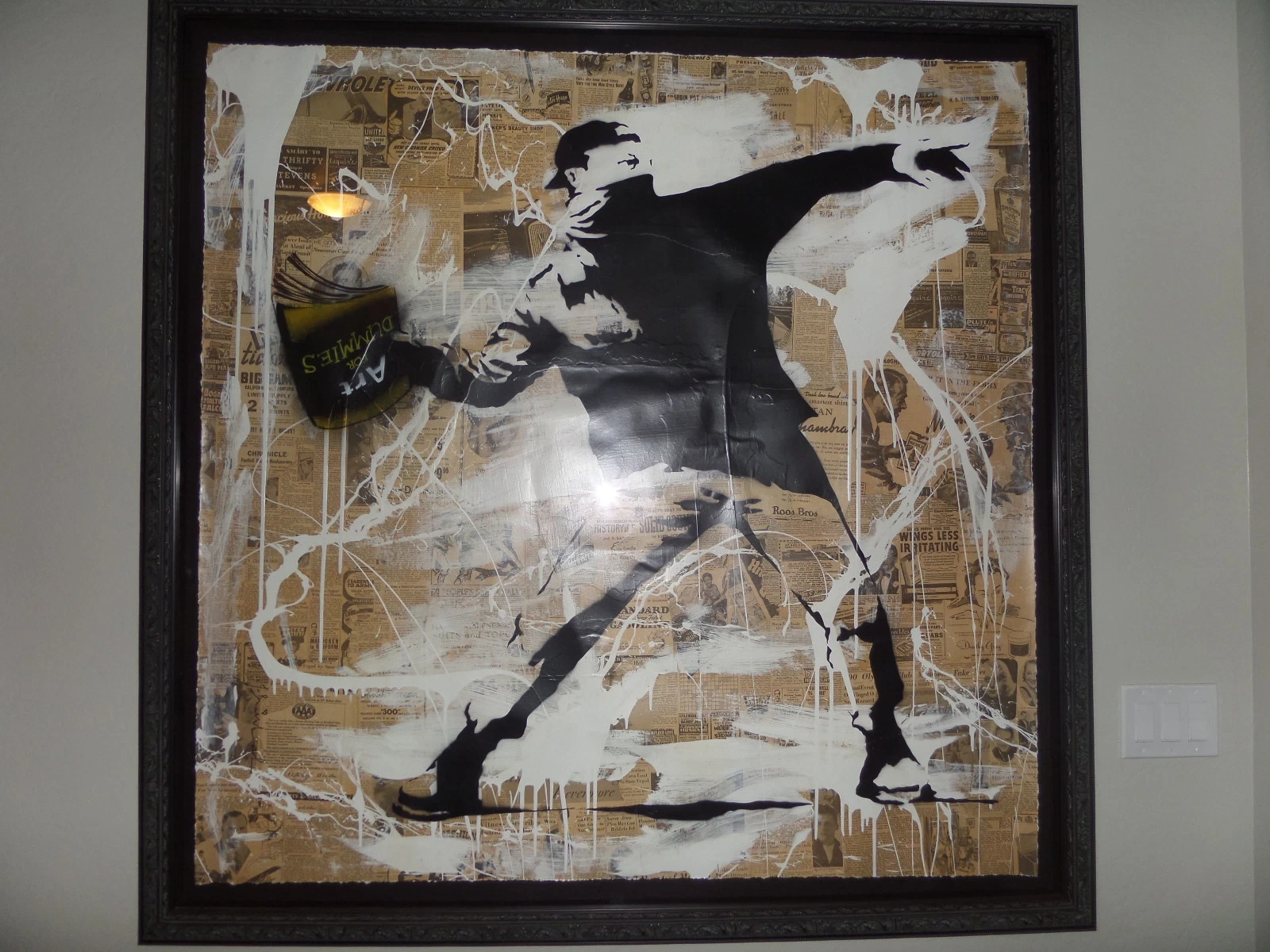
A hand-finished print has a printed foundation with additional work applied to the individual example. That description does not automatically make it a one-of-one painting. If a listing uses both “original” and “limited edition,” ask the seller to explain how those terms apply to the object rather than choosing whichever word sounds more valuable.
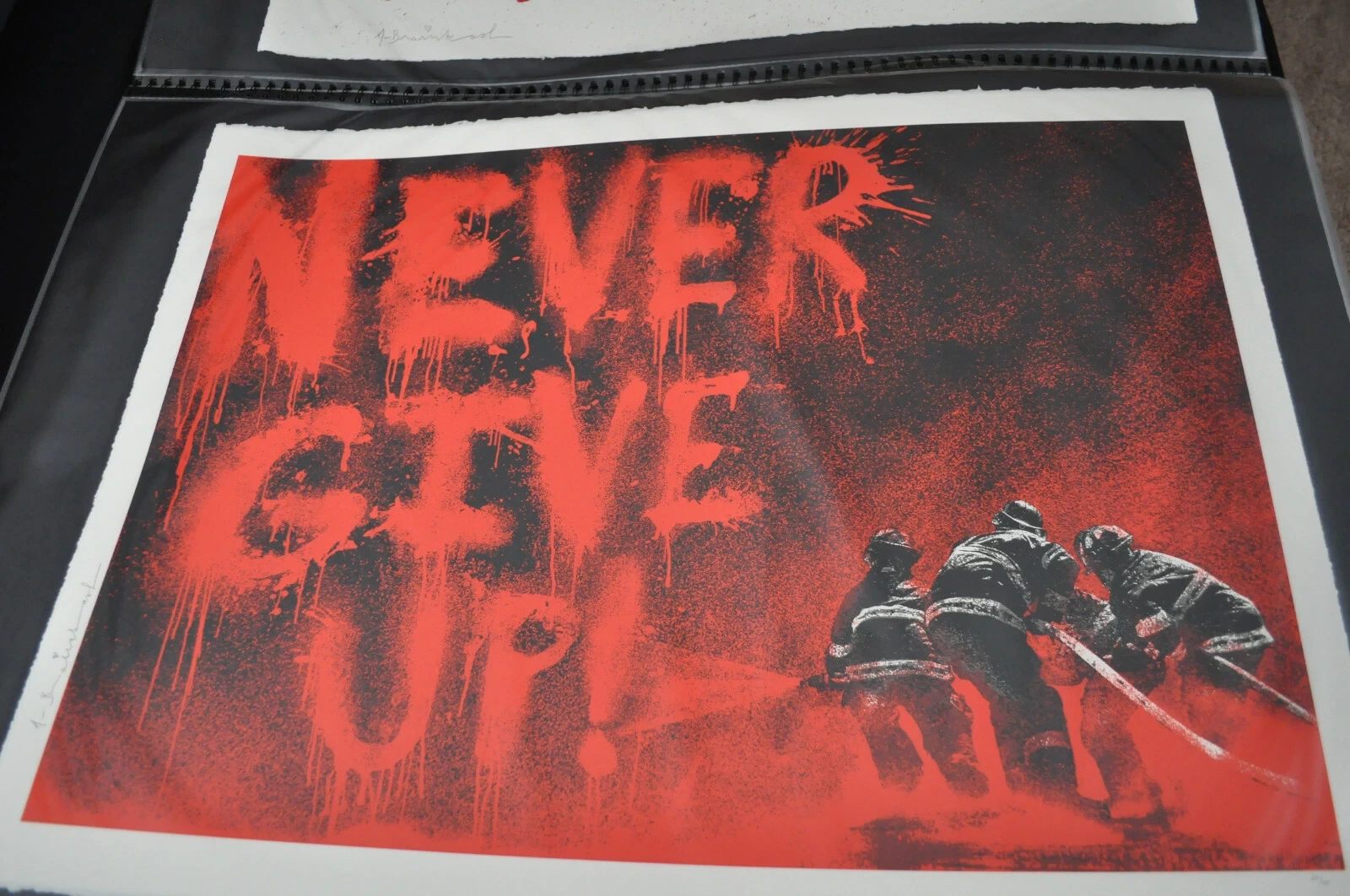
Mr Brainwash’s official Gallery Collection release, for example, distinguishes hand-finished silkscreens and separately described unique works. This is a useful reminder to read the complete release description. Do not carry the terminology or production details from one series across to another.
Inspect the exact example, not a stock picture
When hand finishing is part of the appeal, request photographs of the actual sheet. Compare the placement of added paint, markings and other surface details between the overview and close-ups. A representative image cannot show whether the example for sale has the treatment you prefer.
Ask for a neutral photograph without dramatic lighting and a second image that shows surface relief. Heavy filters, deep shadows and reflections may exaggerate color or conceal texture. The objective is not to demand that every example match another perfectly; it is to understand which differences are intentional and which might be condition issues.
Check the release and the marks together
Make a record of the title, size, printing process, edition number and any proof notation. Then compare the listing with the relevant official release information. A thumbprint, embossing or signature can be useful evidence when it is expected for that issue, but no single mark should be treated as a self-contained guarantee.
If a certificate is included, inspect its issuer, title, medium, dimensions and identifying number where present. Ask how it relates to the work in the photographs. A certificate describing a different size or version is a question to resolve before purchase, even when the overall image looks the same.
Distinguish hand-torn edges from accidental damage
Some official Mr Brainwash releases specify hand-torn paper edges. For those works, an irregular perimeter may be intentional. That does not mean every tear, crease or missing piece is part of the design. Use the documented format and photographs of the entire sheet to understand the edge treatment.
Pay particular attention where a tear extends into the image or where a corner has a sharply compressed fold. Ask the seller to identify any handling damage separately from the intended paper finish. An accurate description can acknowledge both distinctive production characteristics and flaws without confusing the two.
Evaluate framing as part of the object’s history
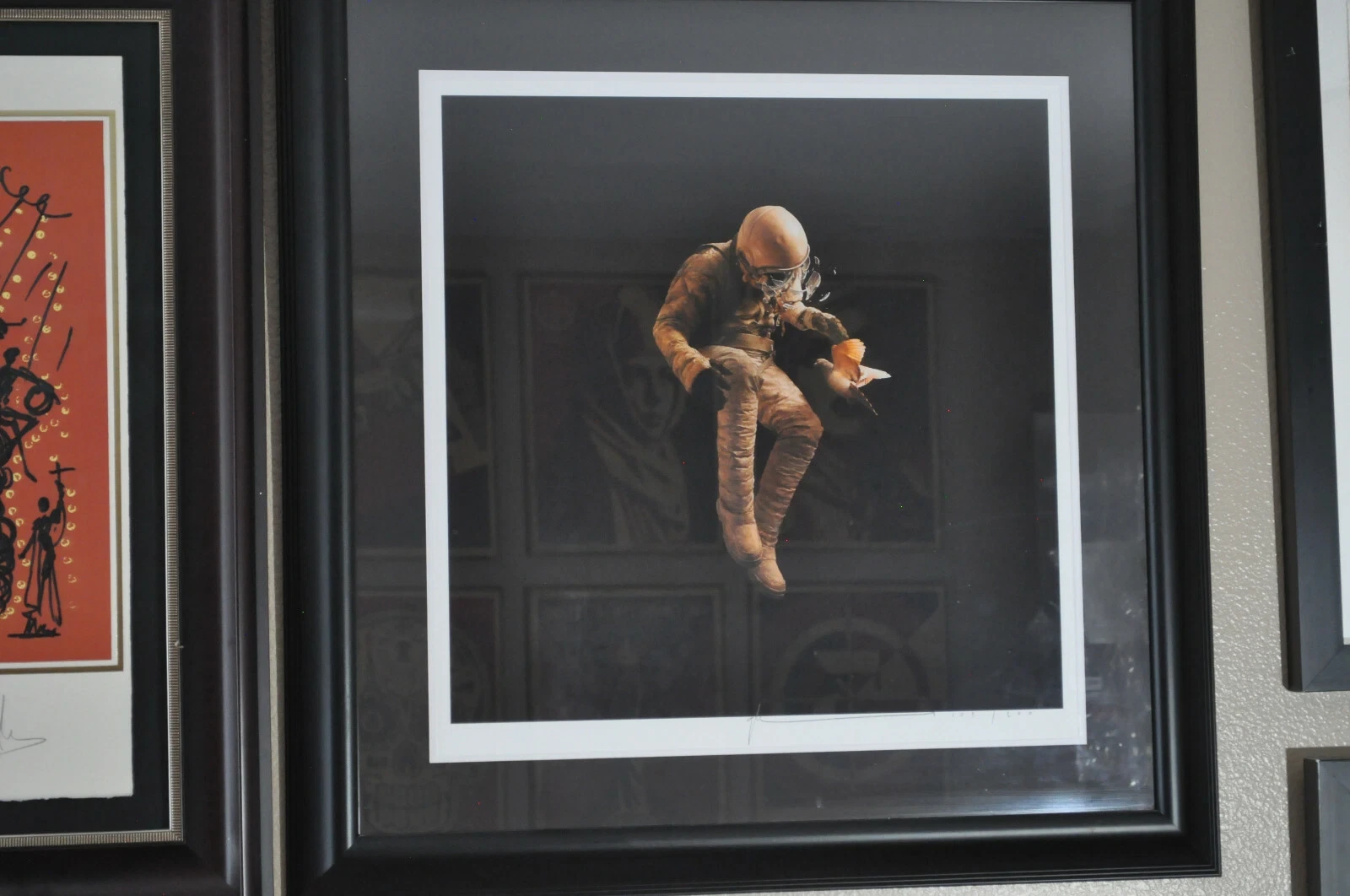
A frame that hides all four edges makes a hand-finished sheet harder to evaluate. Request photographs before framing if they exist and ask how the work is attached. Establish whether any signature or edition notation is hidden by the mat. You should know where those marks are even if you prefer to conceal them for display.
Include framing and delivery in the practical purchase decision. Large or heavily framed works may require more planning than the image alone suggests. Confirm exterior dimensions, glazing, packaging and the condition of the frame itself. Do not assume that an expensive-looking frame is conservation appropriate or free of shipping risk.
Compare complete objects instead of isolated prices
Two listings using the same familiar image can still represent different paper sizes, editions, finishing or documentation. Put those variables side by side before deciding that one is a bargain. If you cannot explain the difference between the two objects, the price comparison is premature.
A useful final question is whether the individual example would still appeal to you without its edition label. That helps separate your response to the actual artwork from the excitement of a designation. Browse current TrendingArt listings with the release details in hand; availability and condition are determined by the individual listing, not by this reference page.
Common questions
Does hand finishing make a print a unique painting?+
Not automatically. Ask how the publisher describes that release and how the individual additions relate to the edition. An individually varied print still needs an accurate medium and edition description.
Should every Mr Brainwash work have the same markings?+
Do not assume so. Check the specific release for expected signatures, thumbprints, embossing and documents, then compare those requirements with the offered example.
Sources & further reading
Primary references for the terminology and factual details discussed above.
Explore the actual listings.
Read the item description, photographs, condition notes and terms on eBay. Selection and availability change.
Browse Current Art Inventory ↗Explore Collectible & Contemporary Art ↗