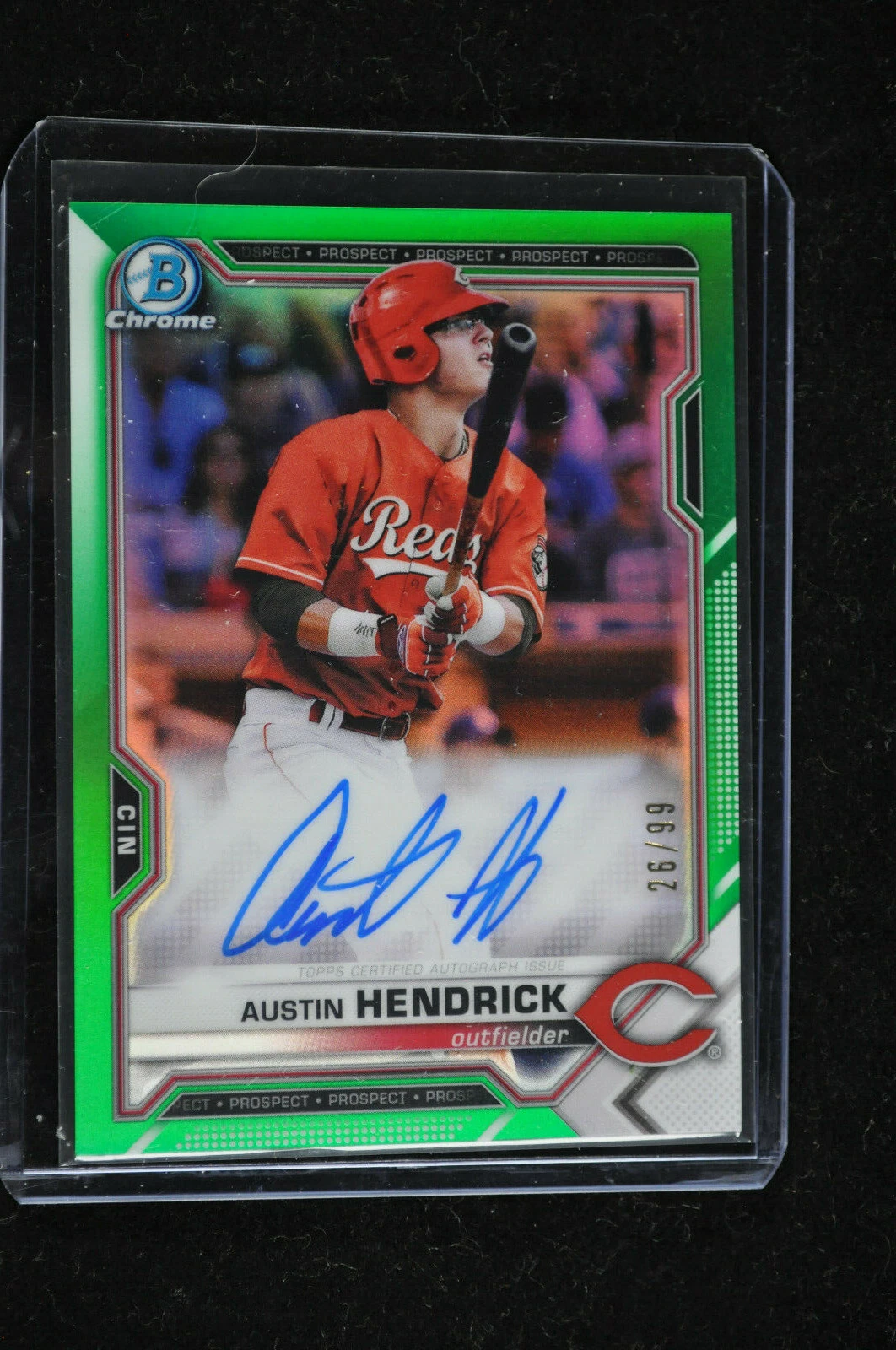
1981 Fleer
The 660-card debut uses team order and includes numerous corrected errors across printings. The Craig Nettles variation is one documented example. Define whether a collection targets one example per number or a specific variation checklist before judging completeness.
1982 Fleer
The 660-card issue includes fourteen final checklist cards and the documented John Littlefield reverse-negative variation. Team-logo stickers accompany packs instead of gum. Stickers and ordinary player cards are separate collecting groups, even when stored together in an original collection.
1983 Fleer
The 660-card set includes Wade Boggs, Tony Gwynn and Ryne Sandberg rookies. Beige-toned design and team ordering distinguish it from neighboring releases. Superstar Specials and checklists at the end remain part of the base completion target.
1984 Fleer
The 660-card checklist includes Don Mattingly and Darryl Strawberry. Superstar Specials, World Series highlights and manager/checklist cards occupy special roles near the end. The separate Fleer Update issue must retain its own numbering and product identity.
1985 Fleer
The 660-card release introduces dual-player Major League Prospects within the base set. Roger Clemens, Dwight Gooden and Kirby Puckett are rookie subjects. A two-player prospect card is its own checklist entry, not two single-player cards to count separately.
1986 Fleer
Dark blue borders identify the 660-card issue, which includes Jose Canseco and Andres Galarraga. All-Stars and Future Hall of Famers are separate inserts. Inspect visible border wear while keeping those insert groups distinct from SuperStar Specials in the base checklist.
1987 Fleer
The 660-card set includes Barry Bonds, Will Clark, Bo Jackson and Barry Larkin. All-Stars and Headliners supply separate insert projects. A glossy parallel or special insert should carry its full identity instead of being shortened to the same title as an ordinary base rookie.
1988 Fleer
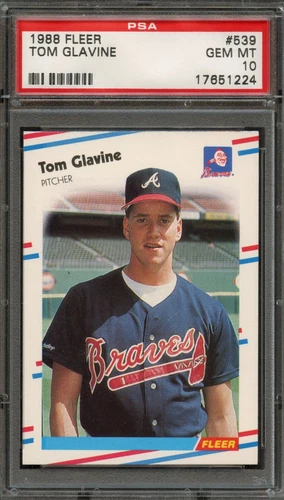
The white, red-and-blue-striped design accompanies a 660-card checklist. Tom Glavine, Mark Grace and Edgar Martinez are rookie subjects. Major League Prospects and final checklists belong to the main run, while stickers and box-bottom cards require separate lists.
1989 Fleer
The 660-card set includes Ken Griffey Jr., Randy Johnson and several documented corrections, including Billy Ripken's card 616. Match the exact visible version rather than accepting a generic “error” description. A clear front photograph is essential for variation identification.
1990 Fleer
The 660-card checklist includes Decade Greats, Superstar Combinations and Rookie Prospects. A Canadian edition was also produced. Record the edition and back details when comparing examples; a shared front design does not establish identical distribution or catalog identity.
1991 Fleer
The yellow-bordered issue expands to 720 cards. Pro-Visions introduces a distinctive illustrated insert project. Keep those art-driven cards separate from the ordinary player checklist rather than assuming their visual difference represents a parallel of a base card.
1992 Fleer
The 720-card set uses teal styling, and Pro Visions occupies base numbers 708–713. This differs from the preceding year's insert context. Establish whether a named group is a base subset or insert for the actual year being collected.
1993 Fleer
The 720-card checklist is released in two equal series, with expansion-team subjects in Series Two. Atlantic and Fruit of the Loom promotional issues are separate products. Their similar Fleer branding does not make them missing numbers from the ordinary set.
1994 Fleer
The 720 cards use white borders and gold-foil names. Alex Rodriguez belongs to the separate Update issue rather than this flagship base run. That distinction matters when a collection is described as containing all the year's Fleer rookies.
1995 Fleer
The 600-card issue assigns different front designs to MLB divisions and prints biographical information on fronts. Multiple appearances within one collection can therefore be normal base designs. Match team division and card number before assuming different designs represent separate products.
1996 Fleer
The 600-card release uses a borderless matte finish with gold-foil information. A separate parallel and numerous insert groups add other treatments. Matte stock is an intended feature of the base issue, not automatically evidence of missing gloss or damage.
1997 Fleer
The 761-card set has a 500-card first series and a later 261-card continuation. Series Two serves the update role within the main numbering. This is the last annual issue under the simple Fleer name before the Tradition rename.
1998 Fleer
The Fleer label resolves to Fleer Tradition. Its 600-card, two-series checklist includes short-printed groups such as Smoke 'n Heat and Unforgettable Moments. Those special designs occupy base-set positions and should not be excluded as optional inserts.
1999 Fleer
Fleer Tradition returns to a single 600-card series without the preceding year's short-print structure. A later Millennium Edition factory set adds selected Update cards. Specify whether a collection is ordinary Tradition, Update or the specially assembled factory-set edition.
Sources & further reading
Primary references for the terminology and factual details discussed above.
- 1981 Fleer Description Distribution Reviews Checklist — BaseballCardPedia checklist ↗
- 1982 Fleer Description Distribution Reviews Checklist — BaseballCardPedia checklist ↗
- 1983 Fleer Description Distribution Reviews Checklist — BaseballCardPedia checklist ↗
- 1984 Fleer Description Distribution Reviews Checklist — BaseballCardPedia checklist ↗
- 1985 Fleer Description Distribution Reviews Checklist — BaseballCardPedia checklist ↗
- 1986 Fleer Description Distribution Reviews Insertion Ratios Checklist — BaseballCardPedia checklist ↗
- 1987 Fleer Description Distribution Reviews Insertion Ratios Checklist — BaseballCardPedia checklist ↗
- 1988 Fleer Description Distribution Reviews Insertion Ratios Checklist — BaseballCardPedia checklist ↗
- 1989 Fleer Description Distribution Reviews Insertion Ratios Checklist — BaseballCardPedia checklist ↗
- 1990 Fleer Description Distribution Insertion Ratios Checklist — BaseballCardPedia checklist ↗
- 1991 Fleer Description Distribution Insertion Ratios Checklist — BaseballCardPedia checklist ↗
- 1992 Fleer Description Distribution Insertion Ratios Checklist — BaseballCardPedia checklist ↗
- 1993 Fleer Description Distribution Insertion Ratios Checklist — BaseballCardPedia checklist ↗
- 1994 Fleer Description Distribution Insertion Ratios Checklist — BaseballCardPedia checklist ↗
- 1995 Fleer Description Distribution Insertion Ratios Checklist — BaseballCardPedia checklist ↗
- 1996 Fleer Description Distribution Insertion Ratios Checklist — BaseballCardPedia checklist ↗
- 1997 Fleer Description Distribution Insertion Ratios Checklist — BaseballCardPedia checklist ↗
- 1998 Fleer Tradition Description Distribution Insertion Ratios Checklist — BaseballCardPedia checklist ↗
- 1999 Fleer Tradition Description Distribution Insertion Ratios Checklist — BaseballCardPedia checklist ↗
Explore the actual listings.
Read the item description, photographs, condition notes and terms on eBay. Selection and availability change.
Browse Current Baseball Cards Inventory ↗Explore Graded & Vintage Baseball Cards ↗