Begin with the purpose of the collection
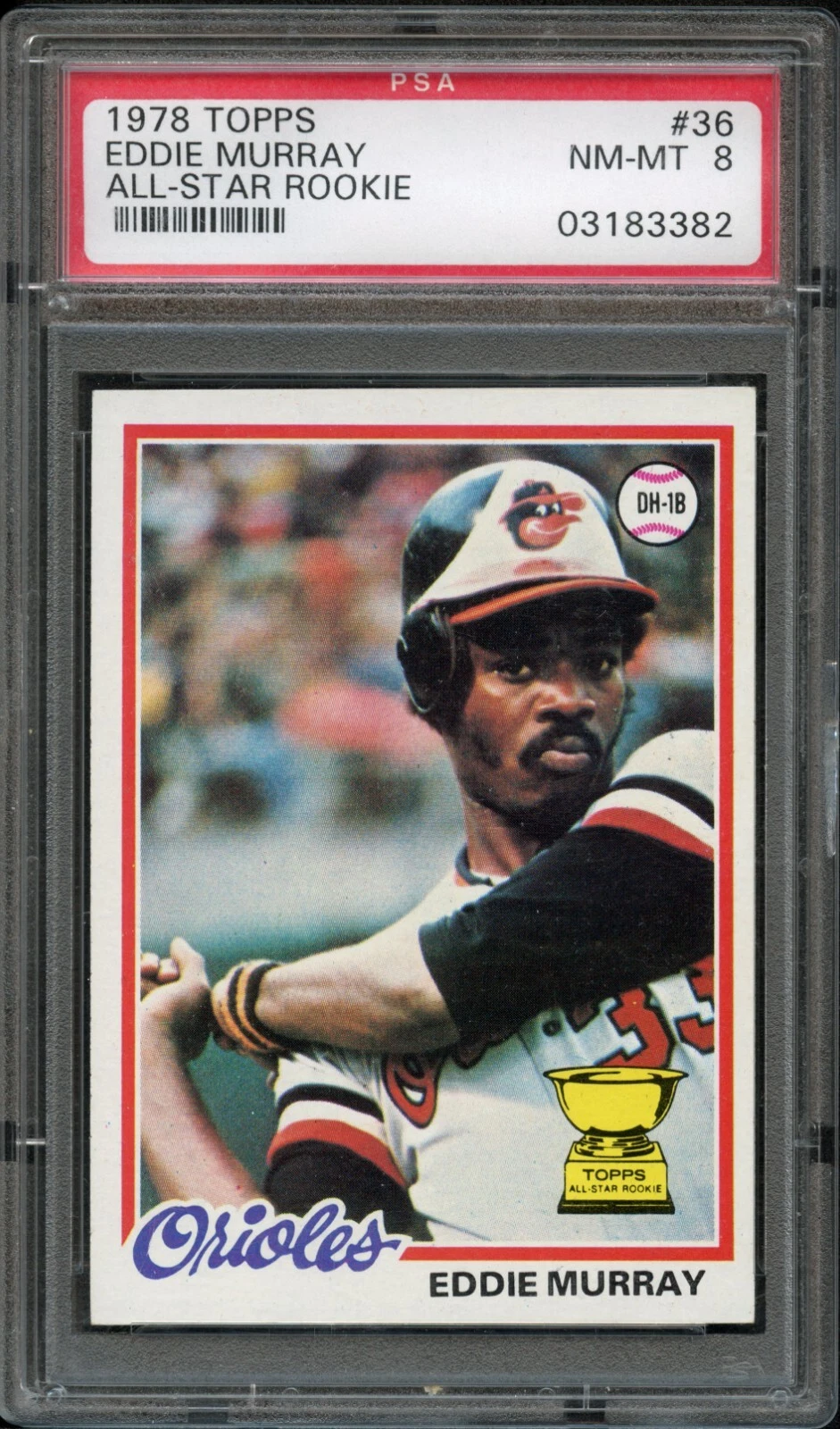
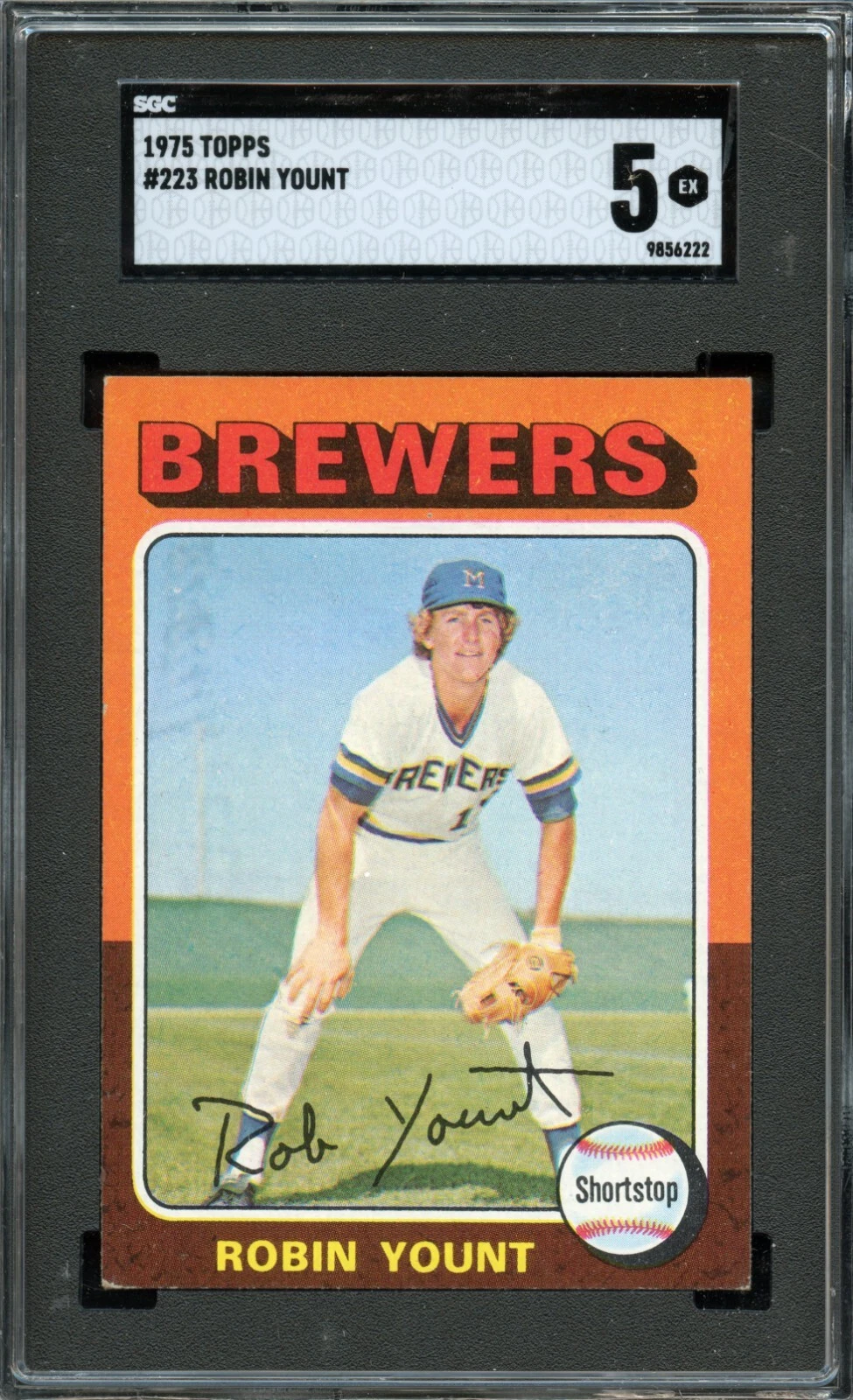
A binder set, a display of favorite players, a registry project and a group intended for eventual sale can have different needs. Raw cards can be convenient for a carefully protected binder collection. Graded cards can provide a consistent identification and condition framework where those services matter to the owner.
Write the purpose before comparing formats. Otherwise, it is easy to pay for a grade you do not need or accept uncertainty that conflicts with the reason you are buying. The useful question is what information and protection the project requires.
A mixed collection can be coherent. You might prefer authentication and grading for certain key cards while keeping other pieces raw. That choice should be explicit in your records so a future viewer understands the collection’s structure.
What a raw purchase asks you to evaluate
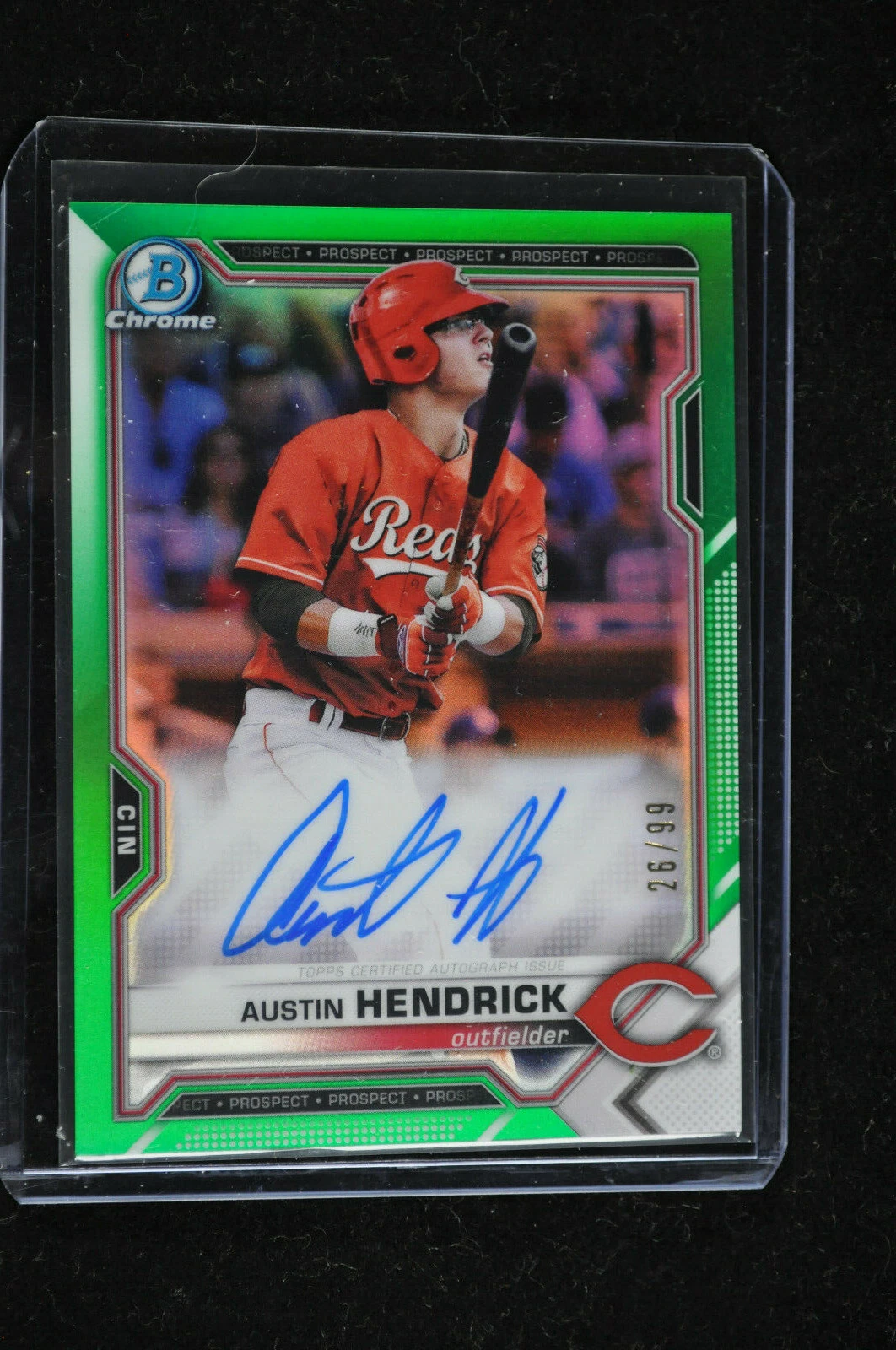
For a raw card, the photographs and seller’s description carry much of the condition evidence. Request full front and reverse images with all edges visible. Check the exact issue, size where relevant, surface, corners, edges and any damage or possible alteration concern.
Seller condition terms can be imprecise. Ask about specific features rather than relying on mint, excellent or pack fresh as complete descriptions. A card recently removed from a pack may still have manufacturing defects; a card stored for years may still have an attractive appearance. Neither history establishes a professional grade.
If the card is expensive or especially vulnerable to counterfeiting or alteration, consider whether the available evidence is adequate for you. A guide cannot authenticate an individual card from a listing title. It is reasonable to seek stronger documentation or choose an already certified example.
What a graded purchase adds
A graded card supplies an external assessment, a label identifying the issue and a holder associated with a certification record. Those features can reduce some ambiguity, but only if the label, database record and physical card agree. Inspect the actual object and use the company’s available verification tools.
Read the complete designation. A numeric grade, Authentic label, Authentic Altered label and autograph-only assessment are different descriptions. Do not collapse them into a single category called graded without preserving those differences.
A slab also introduces its own condition questions. Scratches, cracks or other damage can affect viewing and handling. Determine whether a visible mark is on the holder or card, and consult the grading company if the enclosure’s integrity appears compromised.
Compare total cost instead of the initial price
A raw card can appear less expensive until submission, shipping, insurance arrangements and a possible lower-than-hoped grade enter the calculation. If you intend to grade immediately, compare that complete path with the cost of an already graded example that meets your goal.
Use several plausible grading outcomes rather than assuming the maximum. A card can receive a lower grade, a different designation or no numeric grade depending on the assessment and service. If the purchase only seems sensible in the most favorable case, the plan depends on an uncertain result.
For a personal collection, grading need not be justified by resale economics. You may value documentation or a uniform presentation. The point is to recognize what you are paying for rather than presenting a preference as a guaranteed financial benefit.
Inspect eye appeal in either format
A holder does not make all cards with the same grade look identical. One may have more balanced centering; another may have clearer printing or less distracting wear. Compare the actual examples at a useful scale. For raw cards, be equally specific about which imperfections you accept.
A condition preference can be consistent across formats. For example, you may prioritize a clean portrait and accept moderate corner wear. Record that rule so you do not repeatedly upgrade a card simply because another label number becomes available.
Avoid purchasing solely from front images when the reverse is missing. Back damage, writing or identification differences can materially change what is offered. A card is a two-sided object regardless of how you intend to display it.
Consider handling, storage and access
Raw cards need suitable sleeves, holders or pockets matched to their dimensions and thickness. A holder that is too tight can press against corners or edges; one that is poorly suited to the card can allow unwanted movement. Do not force oversized vintage cards into ordinary modern pockets.
Graded cards occupy more space and require storage that supports the slabs. A fitted outer sleeve can reduce routine scuffing of the plastic. It does not make the holder immune to environmental hazards or replace sensible storage.
Think about how often you want to view or reorganize the collection. A binder, individual display and boxed slab collection offer different experiences. Choose the format that makes the collection usable while minimizing unnecessary handling.
Keep grading decisions separate from purchase assumptions
Buying raw and submitting later is a second project, not an automatic final step. Review the selected company’s current eligibility, packaging requirements, service terms and costs. Take clear photographs and record the card identity before shipment.
Buying graded and removing the holder also deserves a deliberate decision. You lose the intact certified presentation and introduce handling risk. Do not do it casually on the assumption that a different company will give a higher grade.
If the goal is simply to own a particular card in a certain holder and grade, buying that exact description can be a clearer route. If the goal is to preserve a card with personal history, the choice may depend less on market comparisons and more on your intended use.
Buy the description you can verify
TrendingArt’s current eBay listings provide the actual format, photographs, condition statements and sale terms for each available card. Use the sports-card categories to explore, then make the purchase decision at the individual listing level.
Retain the original description, images and any certification number. For a raw purchase, keep objective condition notes rather than inventing an unofficial grade in your records. For a graded purchase, record the company and full designation. Clear records preserve the distinction between what is known, what was represented and what you merely hoped might happen.
Common questions
Does raw mean unprotected?+
No. A raw card may be in a sleeve, top loader or other holder. The term means it is not in a grading company’s certified enclosure.
Is buying raw always cheaper?+
The initial price can differ, but a later submission adds costs and uncertain outcomes. Compare the complete plan, not just the first transaction.
Should every valuable card be graded?+
There is no universal rule. The need depends on identity, authenticity concerns, condition evidence, collecting purpose and the costs and terms of the available service.
Sources & further reading
Primary references for the terminology and factual details discussed above.
Explore the actual listings.
Read the item description, photographs, condition notes and terms on eBay. Selection and availability change.
Browse Current Sports Cards Inventory ↗Explore Graded & Collectible Sports Cards ↗