1980 Topps
The 726-card issue uses a double-pennant team-and-position design and printed facsimile signatures. Highlights, League Leaders and multi-player Future Stars are base subsets. A printed signature is part of the design, and a multi-player card counts as one numbered entry.
1981 Topps
The 726-card single-series set adds walks, strikeouts and slugging percentage to its batting-stat presentation. Record Breakers and playoff highlights are part of the base run. The separate Traded product needs its own checklist rather than being assumed part of these 726 cards.
1982 Topps
The checklist expands to 792 cards with the familiar hockey-stick-style border. In Action cards and team-leader/checklist cards occupy base numbers. A player's portrait card and In Action card are separate checklist entries, not duplicate versions of the same number.
1983 Topps
The 792-card design combines a main photograph with a small circular portrait. Glossy send-in cards form a separate collecting group. A glossy surface alone should not be used to rename an ordinary card as a later Tiffany issue, which had not yet begun.
1984 Topps
The 792-card issue retains two photographs on the front and includes Don Mattingly and Darryl Strawberry rookies. Tiffany and Nestlé versions need separate identification. Shared imagery does not make those versions interchangeable with ordinary pack-issued Topps cards.
1985 Topps
The 792-card set includes Father and Son, first-overall draft-pick and 1984 USA Olympic-team groups. Mark McGwire appears in the USA subset. Preserve that national-team context rather than describing the card as an ordinary major-league action photograph.
1986 Topps
The 792-card issue uses a black upper border and includes a seven-card Pete Rose tribute. Documented misnumbered cards require checklist-aware sorting. The separate Traded issue should not be merged into the base run when counting the year's rookie subjects.
1987 Topps
The 792-card set uses a woodgrain design. Modern tributes to that design are separate issues, so the back and copyright remain important when identifying a loose card. Glossy All-Stars, Rookies and box-bottom material require separate checklist treatment.
1988 Topps
The 792-card issue includes Tom Glavine, Ken Caminiti and Matt Williams. Manager cards double as team checklists, and Turn Back the Clock is a base subset. A reprinted historical image within that subset is still a 1988 card.
1989 Topps
The 792-card set introduces First Draft Picks and includes Randy Johnson, Craig Biggio and John Smoltz. Ken Griffey Jr. belongs to Topps Traded rather than the ordinary base set. That distinction prevents a false “missing rookie” finding during a completeness review.
1990 Topps
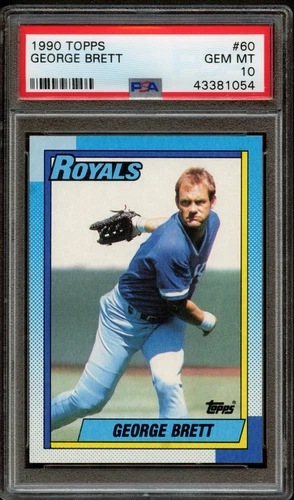
The 792-card release uses multicolored borders and includes documented missing-black-ink variations. Frank Thomas' no-name-on-front card is a specific variation, not a generic label for every printing flaw. Tiffany and O-Pee-Chee also require their own stock and back identification.
1991 Topps
The 792-card anniversary issue includes Chipper Jones among its draft subjects. Ordinary Topps, Tiffany, O-Pee-Chee and gold-stamped Desert Shield are distinct versions. A 40th-anniversary logo alone does not establish which of those issues a card belongs to.
1992 Topps
The 792-card set moves to white stock and is the last flagship in this run issued as one series. Topps Gold and Gold Winners are separate treatments. Their foil wording should be checked directly rather than treating all gold-name cards as the same parallel.
1993 Topps
The 825-card set returns to multiple series and includes Derek Jeter. Special Colorado Rockies and Florida Marlins inaugural factory-set versions add another identification layer. A commemorative stamp should be recorded separately from ordinary base and Topps Gold treatments.
1994 Topps
The 792 cards are split into two equal series. Different factory-set packages contain different bonus inserts, including pre-production cards for later products. Those extras do not change the ordinary base checklist and should be listed separately in a collection description.
1995 Topps
The base checklist contracts to 660 cards. CyberStats is a partial parallel using projected statistics for the interrupted 1994 season. Those numbers are a product concept, not actual completed-season statistics, and the cards need their own parallel identity.
1996 Topps
The 440-card release has two equal series and a Mickey Mantle tribute at card 7. Mystery Finest and other insert groups add different finishes. A Finest-branded insert in flagship Topps is distinct from the standalone Finest product.
1997 Topps
The 495-card issue includes a Jackie Robinson tribute at 42 and documented numbering irregularities, including absent 7, 84 and 277. Some gaps reflect duplicate printed numbers. A checklist audit should follow the actual issued cards rather than demand a continuous sequence.
1998 Topps
The 503-card set is numbered through 504 while omitting 7. Alex Rodriguez appears at 504. Expansion-team prospects and other subsets are part of the base run; Topps Chrome is a separate chromium version even when the checklist closely parallels it.
1999 Topps
The 462-card set includes multiple home-run-number variations of Mark McGwire at 220 and Sammy Sosa at 461. One example of each number is the ordinary base-set target; a complete variation run is a larger, explicitly different collecting project.
2000 Topps
The 478-card issue includes Magic Moments cards with five versions of selected numbers. State whether a set aims for one card per number or all versions. That distinction is more informative than describing every variation-inclusive collection simply as complete.
2001 Topps
The anniversary release totals 790 cards across two series and includes Ichiro. Factory sets add Archives Future Rookie inserts. Those bonuses should be itemized separately rather than counted as missing cards from a pack-built base checklist.
2002 Topps
The 718-card set omits the retired number 7. Hobby and retail factory-set packages include differing bonus groups. Identify the package-specific extras separately from the standard numbered set, especially when reviewing an opened factory collection.
2003 Topps
The 720 issued cards run through number 721 with number 7 omitted. First Year Players and Future Stars are checklist subsets. The highest printed number is therefore not the same as the actual card count.
2004 Topps
Two equal series form a 732-card set. World Series Highlights, Fall Classic Covers and Presidential Pastime provide separate insert themes. A historical-event or non-player card should be matched to its named group rather than assumed to be an accidental addition to the collection.
2005 Topps
The checklist includes a late-added Boston World Series tribute at 368, alongside the ordinary series and numbered subsets. Dem Bums and Barry Bonds-themed inserts are separate projects. Use the final checklist rather than an early announced list when checking completeness.
2006 Topps
The ordinary checklist has 659 cards, with the withdrawn Alex Gordon card 297 requiring special identification. The new rookie-logo context is part of this year's history. Do not treat every purported Gordon variation or altered copy as an ordinary missing base card.
2007 Topps
The black-bordered release totals 661 cards, with Barry Bonds added at the end. Generation Now and other repeated-theme inserts create many similarly worded cards. Preserve the complete insert code and subject rather than relying on the player name alone.
2008 Topps
The 660-card set uses two equal series. Trading Card History and the 50th Anniversary All-Rookie Team revisit earlier designs and subjects. Those contemporary inserts remain 2008 issues even when their artwork evokes a much older card.
2009 Topps
The 660-card issue includes Turkey Red, Legends of the Game and World Baseball Classic-themed content. Retail-specific treatments require exact identification. A Turkey Red insert should not be confused with another standalone Turkey Red product merely because the brand name matches.
2010 Topps
The regular two-series run is supplemented by the late Stephen Strasburg card 661. The Cards Your Mother Threw Out and Legendary Lineage are separate inserts. Identify the precise Strasburg version and distribution context instead of assuming all cards numbered 661 are equivalent.
2011 Topps
The 660-card release marks Topps' sixtieth anniversary with Diamond Anniversary treatments and historical-design inserts. Diamond Giveaway code cards represent a past promotion. They should not be described as currently redeemable without independently verified current terms.
2012 Topps
Bryce Harper was a late addition at 661 beyond the two ordinary 330-card series. The issue also includes 1987-style minis and Golden Moments. Distinguish the exact Harper version and card format before comparing it with a standard base card.
2013 Topps
The 660-card issue features Chasing History, Cut to the Chase and 1972-style minis. Ichiro is absent from the annual flagship checklist. A player collection spanning Topps years therefore needs checklist evidence rather than an assumption of uninterrupted annual inclusion.
2014 Topps
The 660-card release includes 1989-style mini die-cuts, The Future Is Now and 50 Years of the Draft. A die-cut miniature has both a format and insert identity to record. It is not a resized substitute for a standard base card.
2015 Topps
The base set grows to 700 cards in two equal series. First Pitch and First Home Run are different insert themes despite their similar names. Record the complete title and number when organizing nonstandard photographs or celebrity subjects.
2016 Topps
The 700-card flagship moves to a borderless design. Perspectives, Berger's Best and 100 Years at Wrigley distinguish its inserts. A reproduced earlier Topps design within Berger's Best remains a 2016 insert rather than an original vintage card.
2017 Topps
The 700-card set continues borderless photography and includes a 1987-design tribute. Salute, MLB Network and Bowman Then and Now add distinct groups. Bowman wording in an insert title does not move the card into the standalone Bowman base checklist.
2018 Topps
The 700-card run includes 1983-style inserts, Legends in the Making and Superstar Sensations. These groups sit beside the regular series and their variations. Distinguish a modern 1983-style card from an original 1983 issue by its back and product identity.
2019 Topps
The 700-card set celebrates 150 years of professional baseball with anniversary-themed cards and parallels. A 1984-design tribute and Evolution are separate inserts. The anniversary stamp, insert identity and serial numbering are different fields to preserve.
2020 Topps
The 700-card release includes a 1985-design tribute, Decades' Best and a futuristic 2030 theme. A design-reference date is not the issue year. Keep 2020 as the product year while retaining the exact insert title in a player collection.
2021 Topps
The base checklist contracts to 660 cards and returns to a bordered design for the seventieth anniversary. 1952 Redux, 1965 Redux and 1986-style inserts revisit several eras. Those modern retrospectives need explicit dates to avoid confusion with original cards.
2022 Topps
The 660-card issue includes Stars of MLB, Home Field Advantage and a 1987-design tribute. Each is a separate checklist group. A card's distinctive illustration or retail distribution should be described precisely rather than reduced to a generic “special rookie” label.
2023 Topps
The 660-card set includes All Aces, One-Two Punch and 1988-style inserts. Factory-set rookie variations add another route to different player images. Identify both the card number and variation context before deciding that two photos are duplicates or errors.
2024 Topps
The flagship returns to 700 cards. A 1989-design tribute, Superstar Blueprint, Grand Gamers and Women in Baseball expand the insert program. Those subjects and designs remain separate from the ordinary base run and should be inventoried by full title.
2025 Topps
The 700-card set includes 1990-style inserts, All Kings, K Zone and Training Grounds. Distinctive image variations also require their own identification. A complete base checklist and a master collection of variations and inserts are different goals that should be stated explicitly.
Sources & further reading
Primary references for the terminology and factual details discussed above.
- 1980 Topps Description Distribution Reviews Checklist — BaseballCardPedia checklist ↗
- 1981 Topps Description Distribution Reviews Checklist — BaseballCardPedia checklist ↗
- 1982 Topps Description Distribution Reviews Checklist — BaseballCardPedia checklist ↗
- 1983 Topps Description Distribution Reviews Checklist — BaseballCardPedia checklist ↗
- 1984 Topps Description Distribution Reviews Insertion Ratios Checklist — BaseballCardPedia checklist ↗
- 1985 Topps Description Distribution Reviews Insertion Ratios Checklist — BaseballCardPedia checklist ↗
- 1986 Topps Description Distribution Reviews Insertion Ratios Checklist — BaseballCardPedia checklist ↗
- 1987 Topps Description Distribution Reviews Insertion Ratios Checklist — BaseballCardPedia checklist ↗
- 1988 Topps Description Distribution Reviews Insertion Ratios Checklist — BaseballCardPedia checklist ↗
- 1989 Topps Description Distribution Reviews Insertion Ratios Checklist — BaseballCardPedia checklist ↗
- 1990 Topps Description Distribution Reviews Insertion Ratios Checklist — BaseballCardPedia checklist ↗
- 1991 Topps Description Distribution Reviews Insertion Ratios Checklist — BaseballCardPedia checklist ↗
- 1992 Topps Description Distribution Reviews Insertion Ratios Checklist — BaseballCardPedia checklist ↗
- 1993 Topps Description Distribution Reviews Insertion Ratios Checklist — BaseballCardPedia checklist ↗
- 1994 Topps Description Distribution Reviews Insertion Ratios Checklist — BaseballCardPedia checklist ↗
- 1995 Topps Description Distribution Reviews Insertion Ratios Checklist — BaseballCardPedia checklist ↗
- 1996 Topps Description Distribution Reviews Insertion Ratios Checklist — BaseballCardPedia checklist ↗
- 1997 Topps Description Distribution Reviews Insertion Ratios Checklist — BaseballCardPedia checklist ↗
- 1998 Topps Description Distribution Reviews Insertion Ratios Checklist — BaseballCardPedia checklist ↗
- 1999 Topps Description Distribution Reviews Insertion Ratios Checklist — BaseballCardPedia checklist ↗
- 2000 Topps Description Distribution Reviews Insertion Ratios Checklist — BaseballCardPedia checklist ↗
- 2001 Topps Description Distribution Reviews Insertion Ratios Checklist — BaseballCardPedia checklist ↗
- 2002 Topps Description Distribution Reviews Insertion Ratios Checklist — BaseballCardPedia checklist ↗
- 2003 Topps Description Distribution Reviews Insertion Ratios Checklist — BaseballCardPedia checklist ↗
- 2004 Topps Description Distribution Reviews Insertion Ratios Checklist — BaseballCardPedia checklist ↗
- 2005 Topps Description Distribution Reviews Insertion Ratios Checklist — BaseballCardPedia checklist ↗
- 2006 Topps Description Distribution Reviews Insertion Ratios Checklist — BaseballCardPedia checklist ↗
- 2007 Topps Description Distribution Reviews Insertion Ratios Checklist — BaseballCardPedia checklist ↗
- 2008 Topps Description Distribution Reviews Insertion Ratios Checklist — BaseballCardPedia checklist ↗
- 2009 Topps Description Distribution Reviews Insertion Ratios Checklist — BaseballCardPedia checklist ↗
- 2010 Topps Description Distribution Reviews Insertion Ratios Checklist — BaseballCardPedia checklist ↗
- 2011 Topps Description Distribution Reviews Insertion Ratios Checklist — BaseballCardPedia checklist ↗
- 2012 Topps Description Distribution Reviews Insertion Ratios Insertion Ratios Checklist — BaseballCardPedia checklist ↗
- 2013 Topps Description Distribution Reviews Insertion Ratios Checklist — BaseballCardPedia checklist ↗
- 2014 Topps Description Distribution Reviews Insertion Ratios Checklist — BaseballCardPedia checklist ↗
- 2015 Topps Description Distribution Reviews Insertion Ratios Checklist — BaseballCardPedia checklist ↗
- 2016 Topps Description Distribution Reviews Insertion Ratios Checklist — BaseballCardPedia checklist ↗
- 2017 Topps Description Distribution Reviews Insertion Ratios Checklist — BaseballCardPedia checklist ↗
- 2018 Topps Description Distribution Reviews Insertion Ratios Checklist — BaseballCardPedia checklist ↗
- 2019 Topps Description Distribution Reviews Insertion Ratios Checklist — BaseballCardPedia checklist ↗
- 2020 Topps Description Distribution Reviews Insertion Ratios Checklist — BaseballCardPedia checklist ↗
- 2021 Topps Description Distribution Reviews Insertion Ratios Checklist — BaseballCardPedia checklist ↗
- 2022 Topps Description Distribution Reviews Insertion Ratios Checklist — BaseballCardPedia checklist ↗
- 2023 Topps Description Distribution Reviews Insertion Ratios Checklist — BaseballCardPedia checklist ↗
- 2024 Topps Description Distribution Reviews Insertion Ratios Checklist — BaseballCardPedia checklist ↗
- 2025 Topps Description Distribution Reviews Insertion Ratios Checklist — BaseballCardPedia checklist ↗
Explore the actual listings.
Read the item description, photographs, condition notes and terms on eBay. Selection and availability change.
Browse Current Baseball Cards Inventory ↗Explore Graded & Vintage Baseball Cards ↗