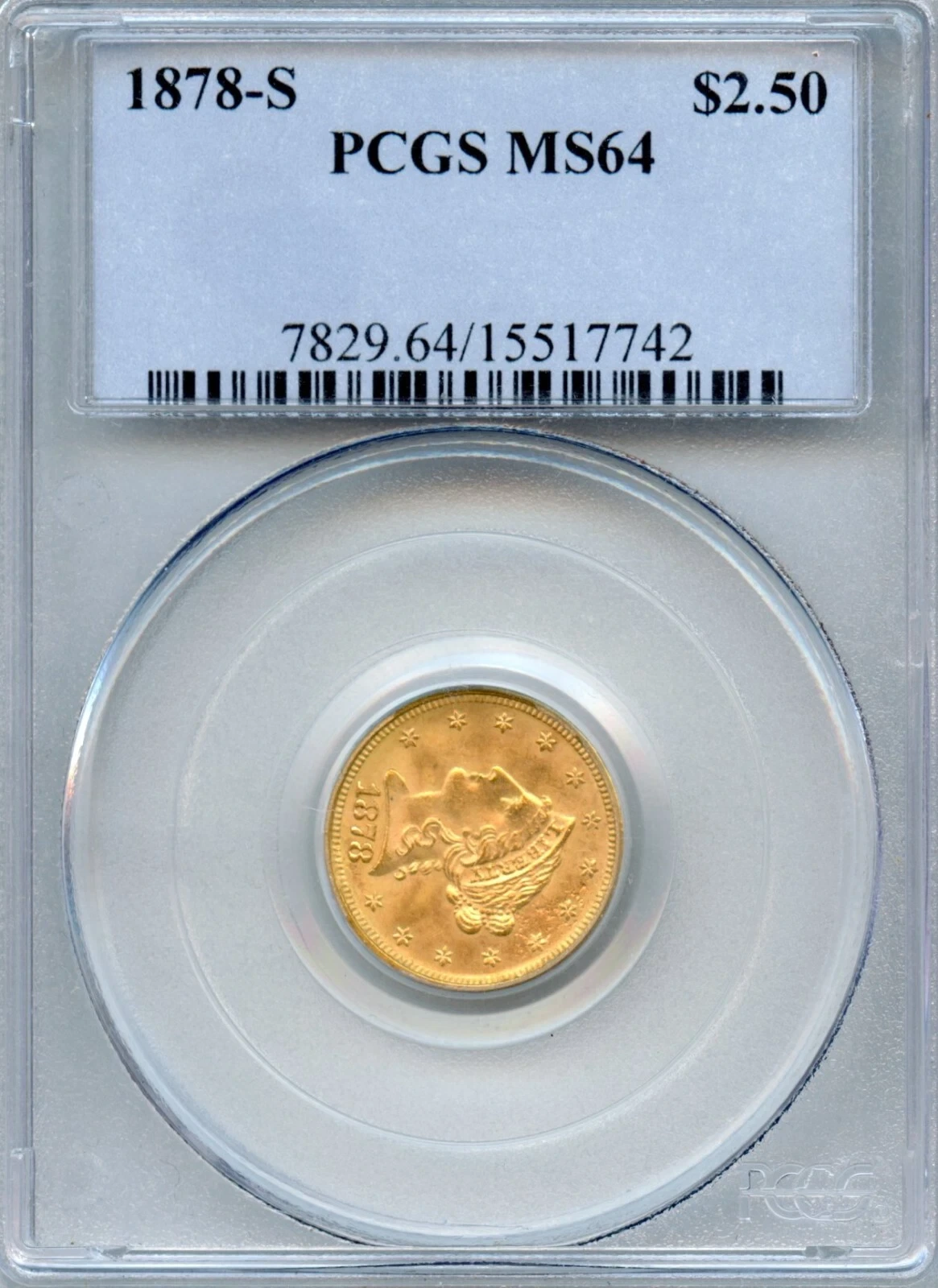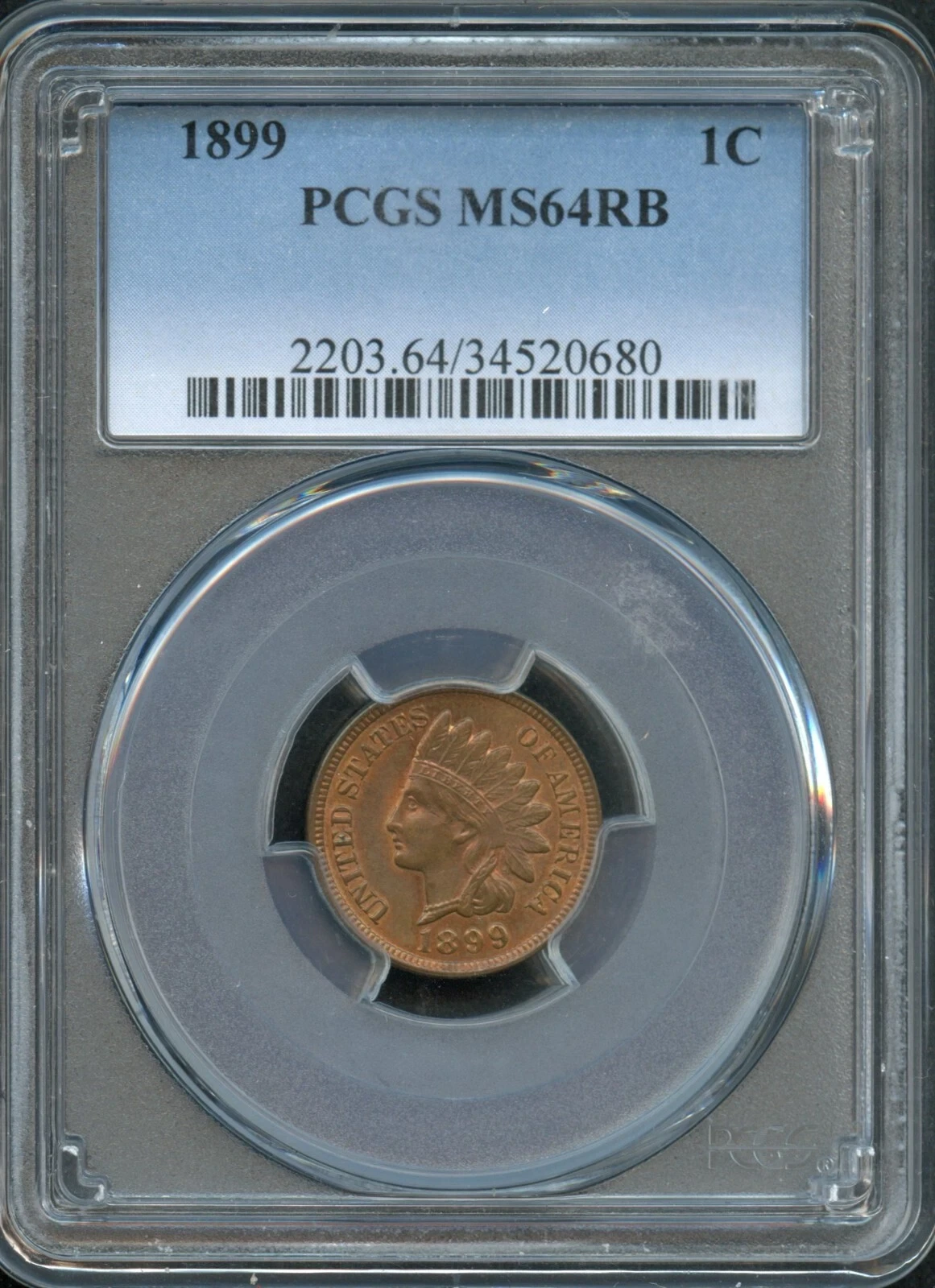
Large and small Capped Bust quarters
The large-size design spans 1815–1828. After a production interruption, the smaller design runs from 1831–1838. The smaller format also removes E PLURIBUS UNUM from the reverse and revises design details.
These ranges are not a promise of annual production throughout the earlier group. Use the actual issue list when building a date set. A blank spreadsheet cell should not become a search for a coin that was never issued.
The reverse offers a clear comparison
Begin with denomination and motto, then compare stars, lettering and portrait details. A missing scroll on the smaller design is a design characteristic, not necessarily wear or damage. Knowing the type prevents a basic identification error from becoming a condition judgment.
Keep complete images of both sides. When comparing diameter, use a scale or published specifications; separate photographs resized to the same width cannot demonstrate the physical reduction.
Read the NGC attribution precisely
Copy the date, grade prefix, number and any variety attribution. If the coin has a Details grade, retain the problem description alongside the wear-level term. An abbreviated inventory entry should not erase a qualification visible on the holder.
For an overdate or specialist die variety, ask which diagnostics are visible and what reference supports the identification. A certificate number can help connect the offered coin to its record, but the pictured coin and descriptive fields must also agree.
Build a two-format study
A useful introductory project places one large-size and one small-size quarter together. Add a reverse comparison that points out the motto change. This teaches a concrete design distinction without requiring a complete date set.
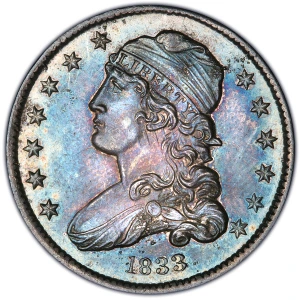
The reference photograph shows an 1833 quarter from the small-size group. It comes from PCGS CoinFacts as an identification image; it is not presented as an NGC holder photograph. The grading discussion explains how to read NGC-certified examples of the same series.
When selecting a candidate, decide which details your study needs to show clearly. A coin with readable design differences may serve a type comparison better than a photograph that conceals them behind glare, regardless of the number printed on its label.
Sources & further reading
Primary references for the terminology and factual details discussed above.
Explore the actual listings.
Read the item description, photographs, condition notes and terms on eBay. Selection and availability change.
Browse Current Coins Inventory ↗Explore Collectible, Vintage & Graded Coins ↗