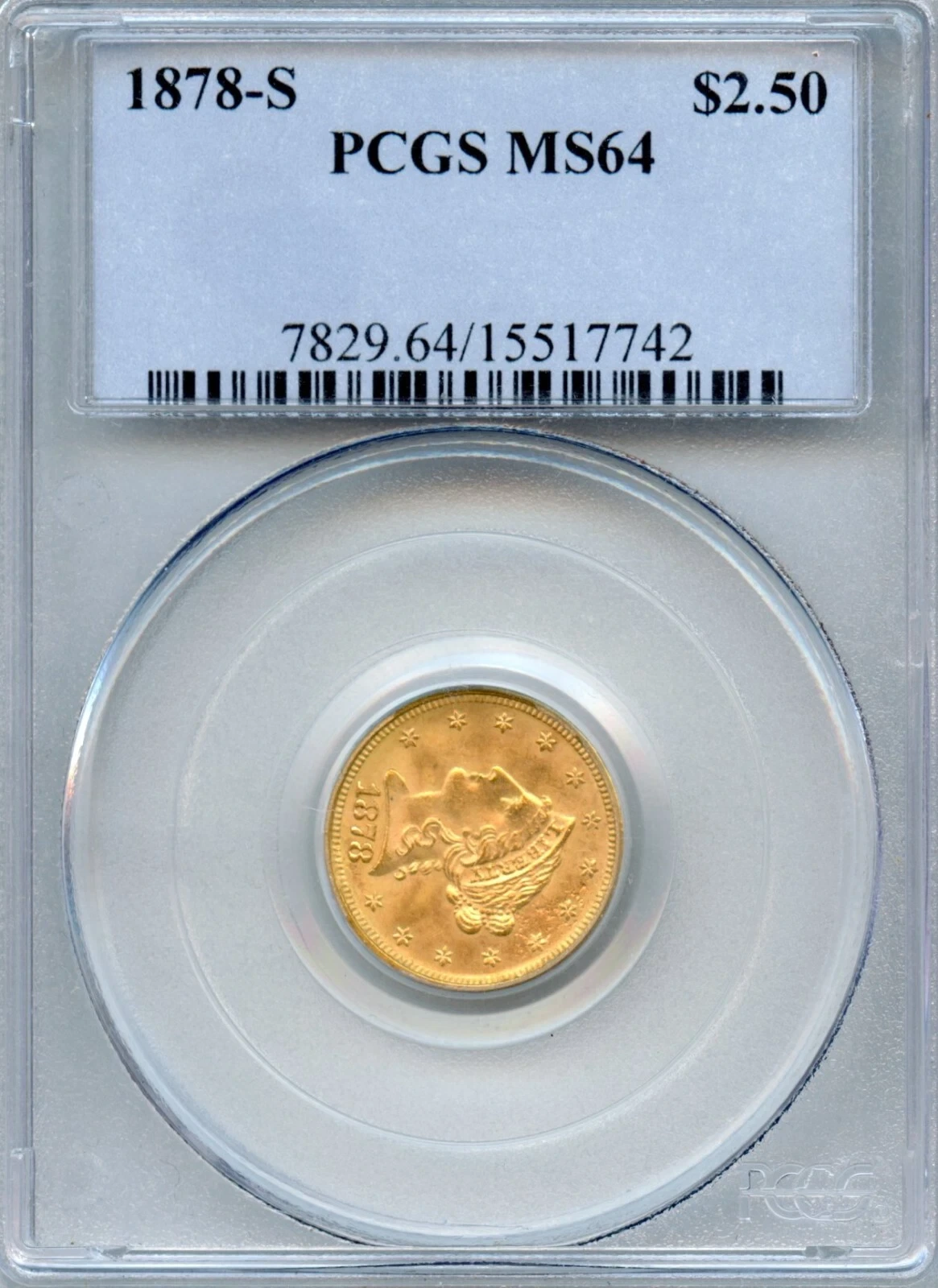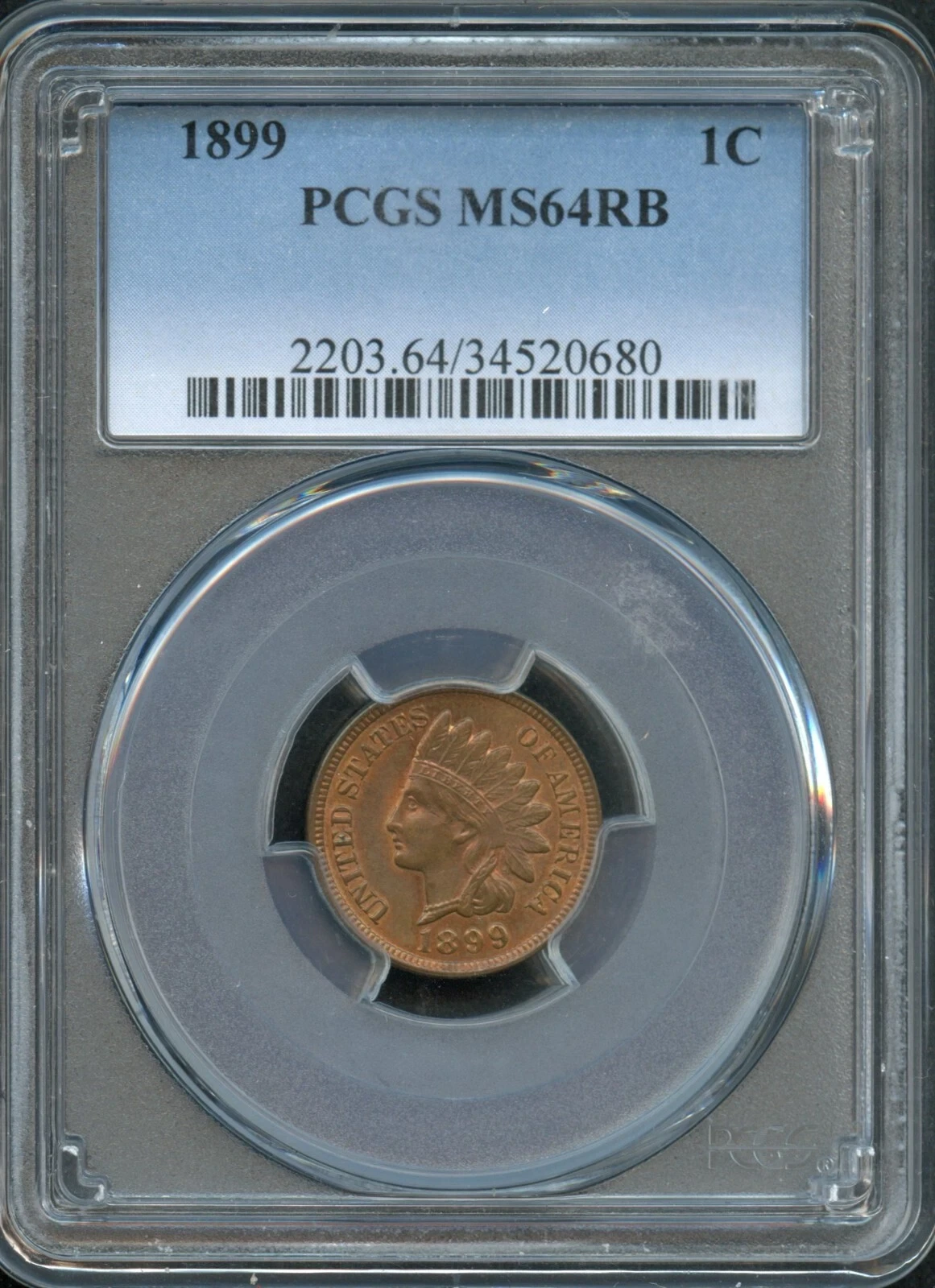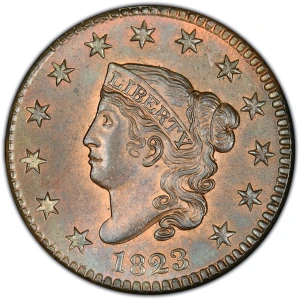
The Coronet Head timeline
PCGS groups Coronet Head cents from 1816 through 1839. The portrait and its details evolve within that span; later coins should not be judged against one early reference photograph as though the design remained fixed.
Begin with a modest design sequence. Choose reference examples from early, middle and late portions of the series, then note the shape of the head, hair and surrounding stars. This teaches visual vocabulary before introducing a large number of variety identifiers.
Middle dates and Newcomb numbers
Newcomb numbers are used in the study of these large-cent die varieties. A number has meaning only with its date and reference context. “N-1” by itself is not a unique description of every large cent.
Copy the full attribution exactly as supported, including date and any qualification. Compare both sides with the reference diagnostics. Small differences in letter placement can be difficult to judge from a tilted slab photograph, so request a square view when alignment matters.
Special descriptions need special checks
The 1817 issue includes a fifteen-star variety alongside the usual thirteen-star arrangement. Count actual stars before interpreting an attractive marketing phrase. A straightforward visible diagnostic can provide a useful starting point for deeper study.
Original 1823 cents must also be distinguished from privately made restrikes associated with that date. The date inscription alone cannot establish when or under what circumstances an object was struck. Preserve the authentication service’s wording and consult an appropriate reference before describing a restrike as a regular Mint issue.
Choose a coherent standard for the set
A type collection may need only one representative, while a portrait sequence needs several well-chosen examples. A die-variety project asks much more of photography and attribution. Define the project before assuming that every upgrade must be a higher numeric grade.
For copper, maintain separate observations about color, texture, contact marks and readability. Consistent photographs will help you compare candidates more fairly than a folder of differently lit promotional images. Record why you chose each example; that reasoning often remains useful long after the original listing disappears.
Sources & further reading
Primary references for the terminology and factual details discussed above.
Explore the actual listings.
Read the item description, photographs, condition notes and terms on eBay. Selection and availability change.
Browse Current Coins Inventory ↗Explore Collectible, Vintage & Graded Coins ↗