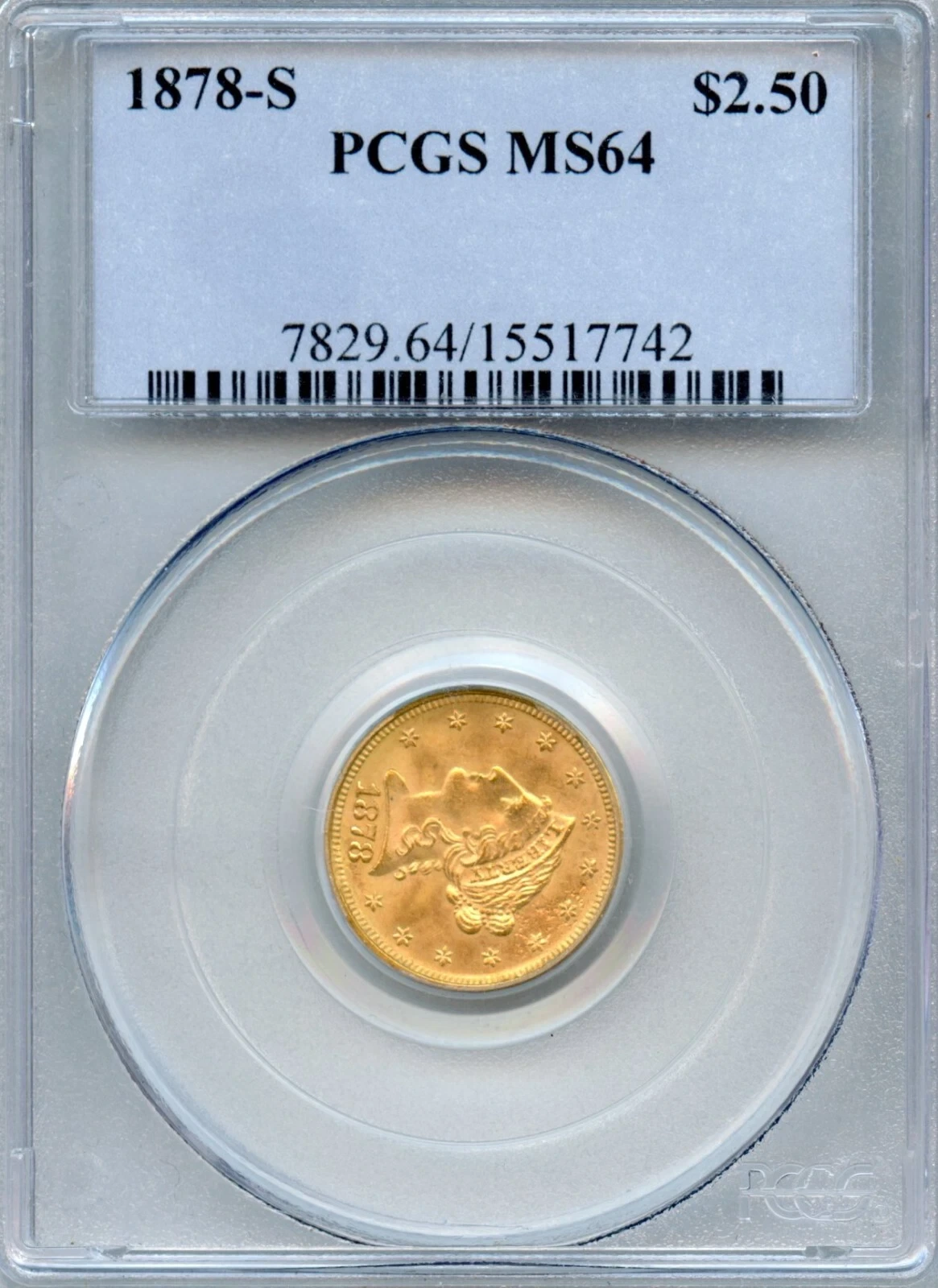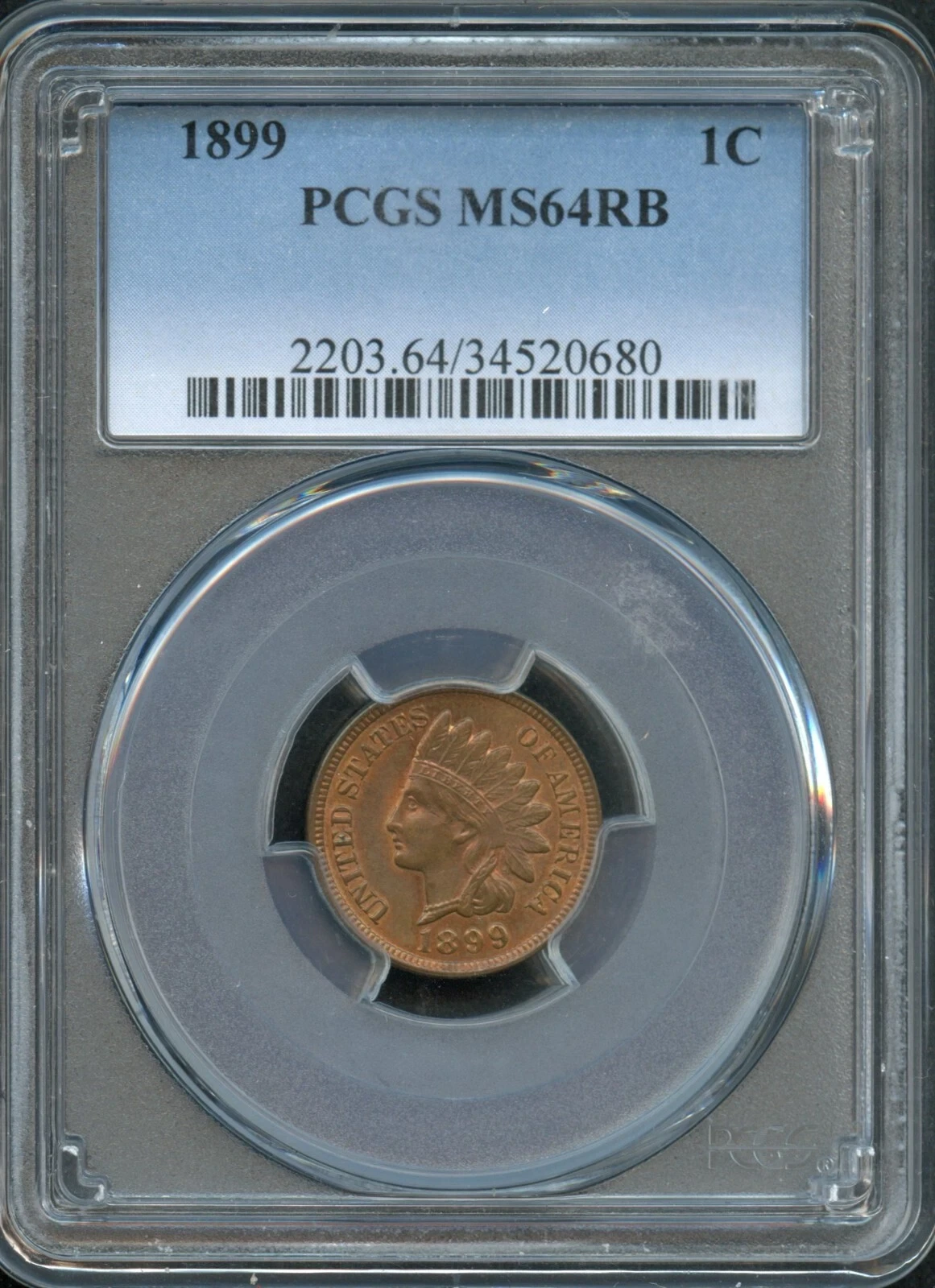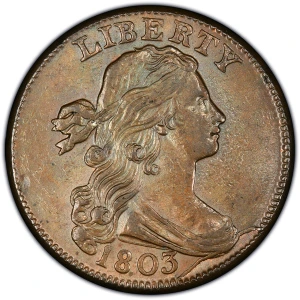
Two denominations, two timelines
Draped Bust large cents span 1796–1807; the half cents span 1800–1808. The shared portrait does not make their date lists interchangeable. A half cent represents half the face value of a cent, rather than a physically damaged or reduced version of one.
A paired type study is a manageable way to see the relationship. Label the two photographs with denomination before placing them side by side. Digital images can make differently sized objects look identical, so retain measurements from a reliable reference in the catalogue.
Large cents: read the whole reverse
For a large cent, photograph the wreath, fraction, lettering and border together. Date digits alone rarely carry enough information for a confident die attribution. Record the reference system used by the specialist who supplied an attribution instead of translating numbers from memory.
When a seller identifies a variety, ask which visible features distinguish it from its closest alternatives. A useful explanation should survive comparison with the actual coin. If wear obscures the decisive feature, leave the entry provisional.
Half cents: small differences need large evidence
The half-cent series includes different date and wreath details, and named features such as the 1804 Spiked Chin. Such names refer to particular die characteristics. An incidental scratch near Liberty’s chin does not establish the variety.
Build a reference sheet containing both the diagnostic close-up and the complete coin. This avoids a common research mistake: finding one suggestive shape while overlooking a reverse that does not fit. Store the source with the image so the attribution remains checkable later.
Surface quality belongs in the description
An early copper coin can retain readable devices while its fields show texture or damage. Review broad areas under useful light before concentrating on a tiny variety marker. A dark photograph may conceal surface detail; an overbright one can remove the tonal distinctions needed to interpret it.
Keep grade, surface qualification and attribution in separate inventory fields. That lets you improve an attribution without silently changing the condition record. A concise entry that acknowledges uncertainty is more useful than a confident description built around a nickname.
Sources & further reading
Primary references for the terminology and factual details discussed above.
Explore the actual listings.
Read the item description, photographs, condition notes and terms on eBay. Selection and availability change.
Browse Current Coins Inventory ↗Explore Collectible, Vintage & Graded Coins ↗