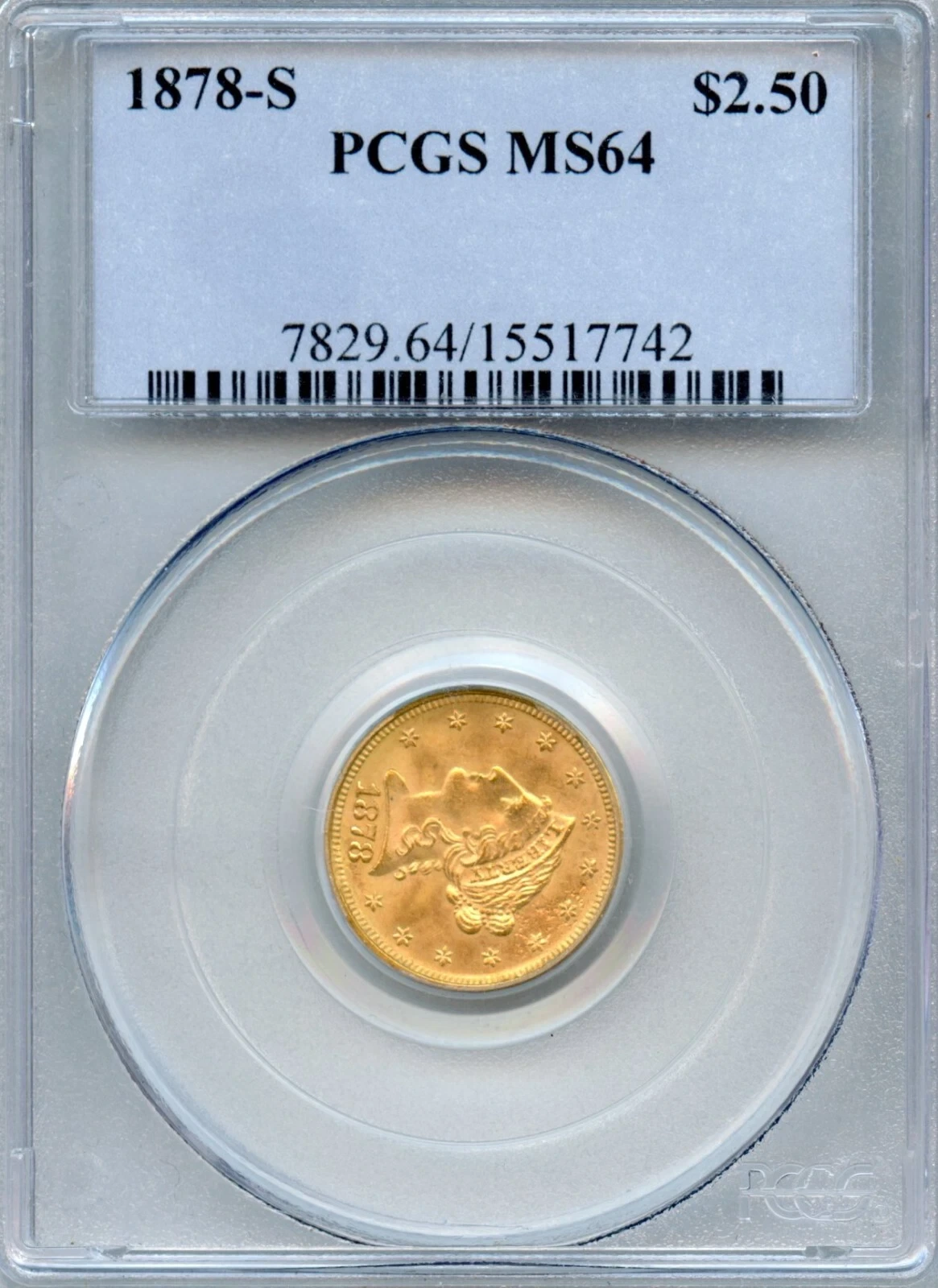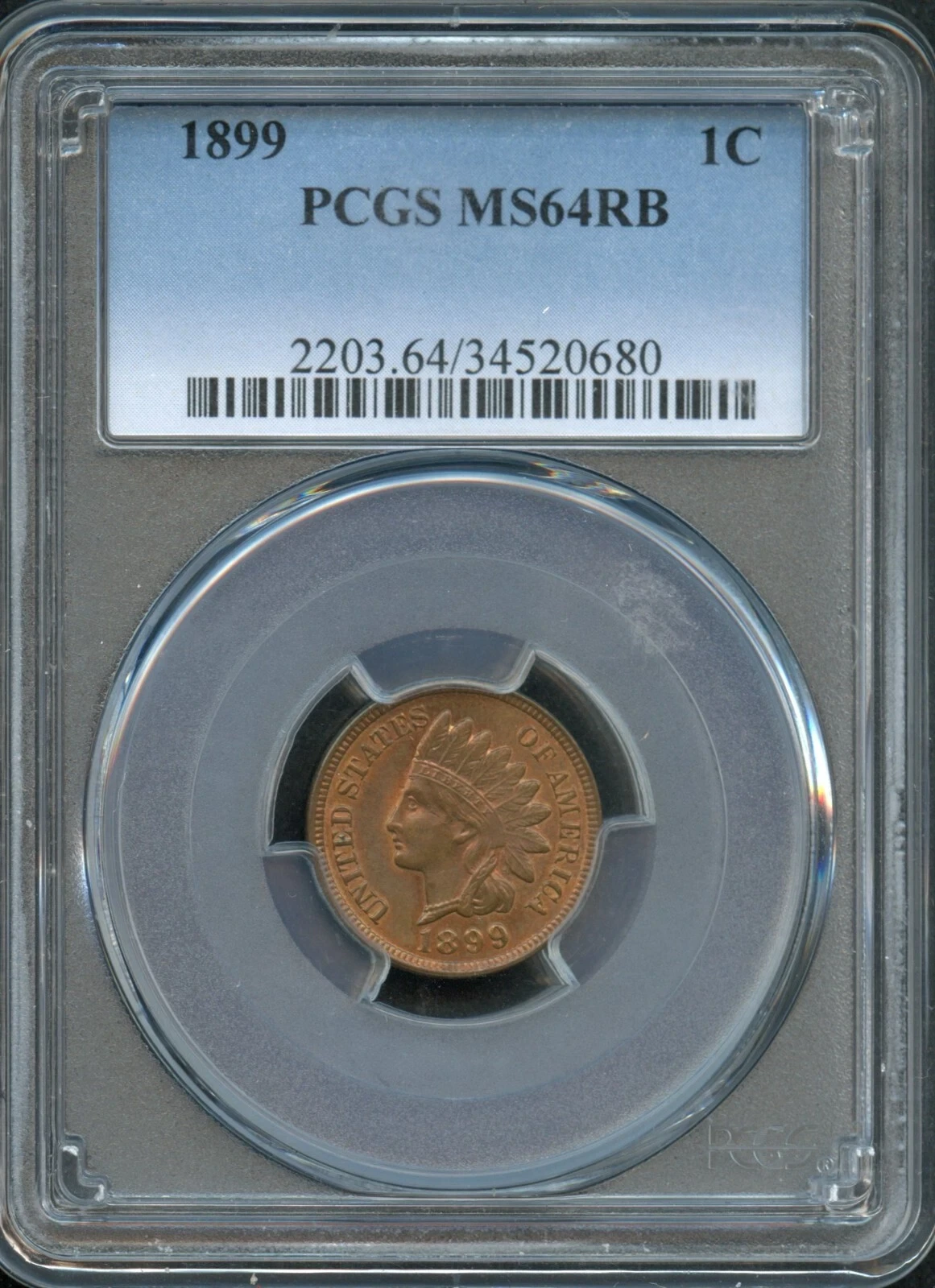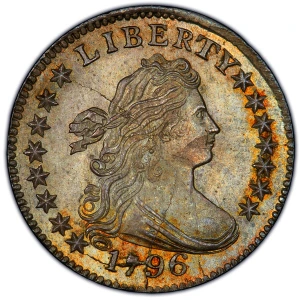
Early Bust dime and half-dime families
Draped Bust dimes run from 1796 to 1807; Draped Bust half dimes from 1796 to 1805. Both begin with a Small Eagle reverse, followed by a Heraldic Eagle, but the transition dates differ. The dime changes in 1798, while the half dime resumes with the new reverse in 1800. A year range therefore describes a family, not an uninterrupted run of identical designs.
Capped Bust dimes span 1809–1837 and Capped Bust half dimes 1829–1837. Their reverse denomination inscriptions, 10C. and 5C., provide a useful first check. The earlier Draped Bust pieces do not state the value, so use an authoritative attribution, diameter and the complete design together.
Build a comparison that answers one question
A practical first study pair is a Capped Bust dime and half dime of the same year. Compare the denomination, portrait proportions and border before studying condition. Record the two objects separately even when the seller groups them under early silver. This prevents a shared design name from swallowing the denomination in your inventory.
If your aim is a design collection, decide whether both eagle reverses belong in it. If your interest is die marriages, use the specialized reference appropriate to that denomination. A catalogue number without the reference name is difficult for another collector to interpret.
Separate production character from later damage
Early silver can show uneven striking and mint adjustment marks. Neither observation should be converted automatically into a wear grade from one photograph. Look at the entire coin, including opposite areas on both faces, and ask whether a weak patch follows a documented characteristic of the issue.
Photograph the rim and edge when accessible without disturbing a holder. A tight face-only crop may hide a bend, mount trace or rim repair. For a certified coin, compare the service description with the photographed object; for a raw coin, unresolved attribution deserves a specialist review.
Make your first purchase record useful
Write a concise identity line: denomination, design, date, reverse subtype and certification details. Add a separate observation line for strike, surfaces and missing photographs. Keep facts you can verify distinct from a seller’s variety claim.
A modestly worn example with a readable reverse and complete documentation can be a better study coin than a sharper example whose identity is uncertain. Choose the coin that demonstrates the feature you are trying to learn, and save the photographs that explain why it belongs in that slot.
Sources & further reading
Primary references for the terminology and factual details discussed above.
Explore the actual listings.
Read the item description, photographs, condition notes and terms on eBay. Selection and availability change.
Browse Current Coins Inventory ↗Explore Collectible, Vintage & Graded Coins ↗