The three gold-dollar designs
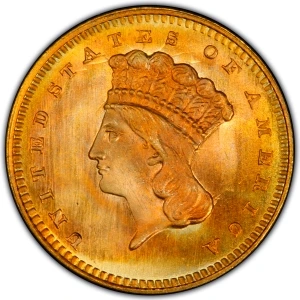
Type 1 is the Liberty Head dollar of 1849–1854. Type 2 is the Small Head Indian Princess design of 1854–1856. Type 3 uses the Large Head Indian Princess design from 1856 to 1889. Transition years can contain more than one type, so a date alone does not complete the identification.
The first type is approximately 13 millimeters across; the later designs use a broader 15-millimeter format. The small size is part of the denomination’s character. A large online photograph can make it look similar in scale to a $2.50 or $3 coin, so use written attribution as well as imagery.
Read the reverse before comparing portraits
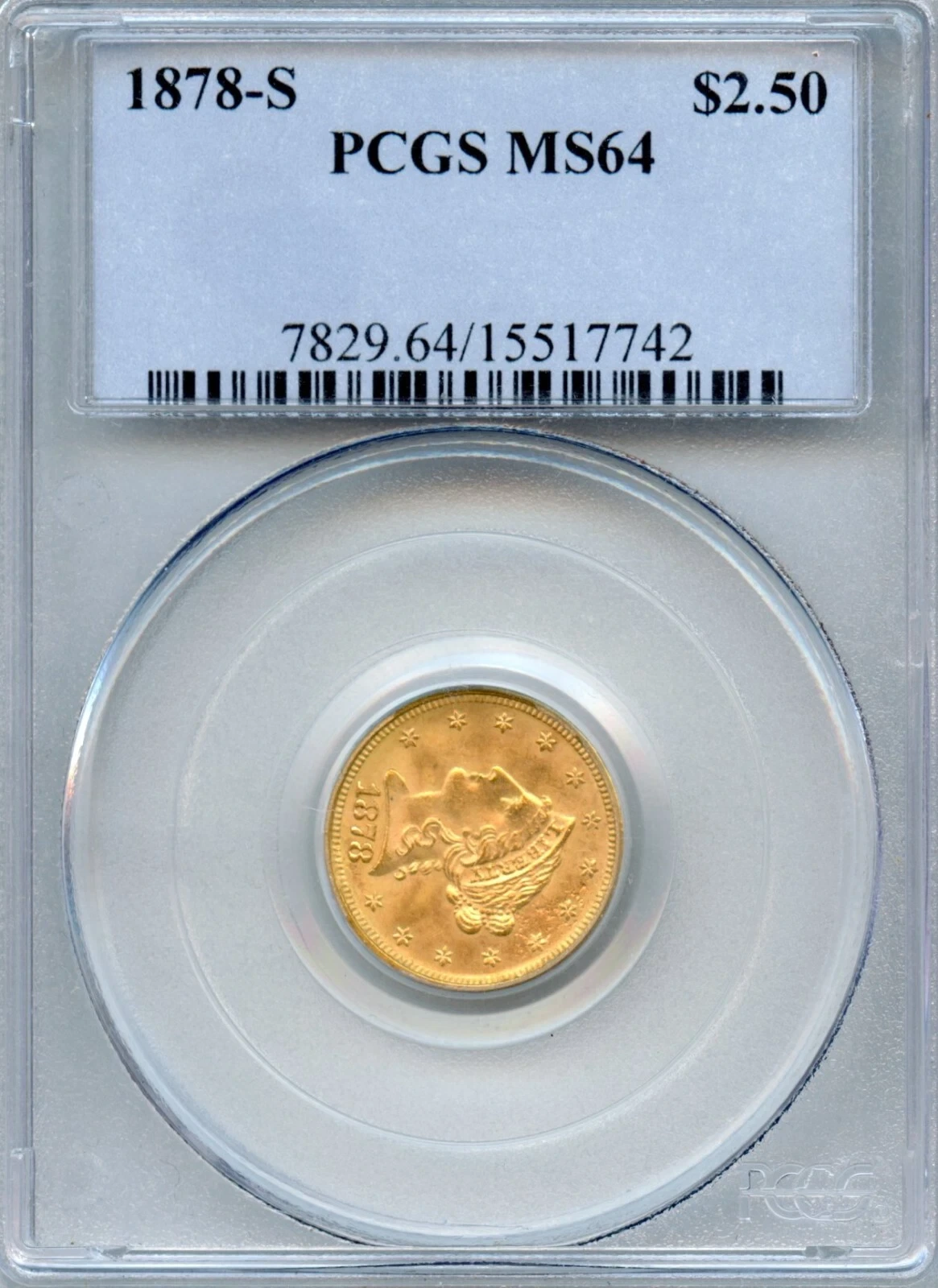
Look for the denomination and date on the reverse. On an encapsulated example, compare the holder’s $1 description with those visible features. A listing filed under Gold Dollar but labeled $2.50 is a quarter eagle and does not fill a gold-dollar slot.
Keep the three type names in your checklist, then add the selected date and mint underneath each. This is clearer than creating three unnamed spaces that invite accidental duplication of the same design.
Study strike and surfaces at realistic scale
The Small Head design is known for weak central striking, including date detail. Compare an unclear area with a reference for that type rather than assuming all missing definition resulted from wear. At the same time, do not use known strike weakness to excuse every unexplained mark.
Request photographs of both faces and the full holder. Gold-dollar imagery should be sharp enough to show the tiny devices without aggressive sharpening halos. If a seller supplies only a strongly lit portrait close-up, ask for the reverse and a less reflective view.
A disciplined three-coin project
A three-type collection gives each purchase a clear job. Decide how consistent you want the grades and appearance to be, then evaluate candidates against those preferences. Do not let one unusually sharp photograph determine the standards for the entire group.
For each coin, retain its certification record, source photographs and an explicit denomination field. Treat the reference image here as a Type 3 illustration, not proof of any item’s current availability. An identification guide helps you ask the right questions; authentication of a particular gold coin still requires evidence about that individual object.
Sources & further reading
Primary references for the terminology and factual details discussed above.
Explore the actual listings.
Read the item description, photographs, condition notes and terms on eBay. Selection and availability change.
Browse Current Coins Inventory ↗Explore Collectible, Vintage & Graded Coins ↗