Start with the room
Choose a clean interior location with stable conditions and limited light. The Library of Congress recommends cool, relatively dry, stable storage and minimal light exposure for paper collections. Avoid locations prone to leaks or extremes. For a home collection, assess the actual shelf or cabinet: nearby plumbing, direct afternoon sun and an exterior wall can matter more than the name of the room.
A grading holder does not make poor storage harmless. PSA's guarantee excludes environmental damage arising after grading, including examples such as sunlight and water damage. Do not treat a slab as a waterproof container or an unlimited display license. If you cannot control conditions in a garage or attic, choose a more suitable interior space.
Fit the protection to the actual holder
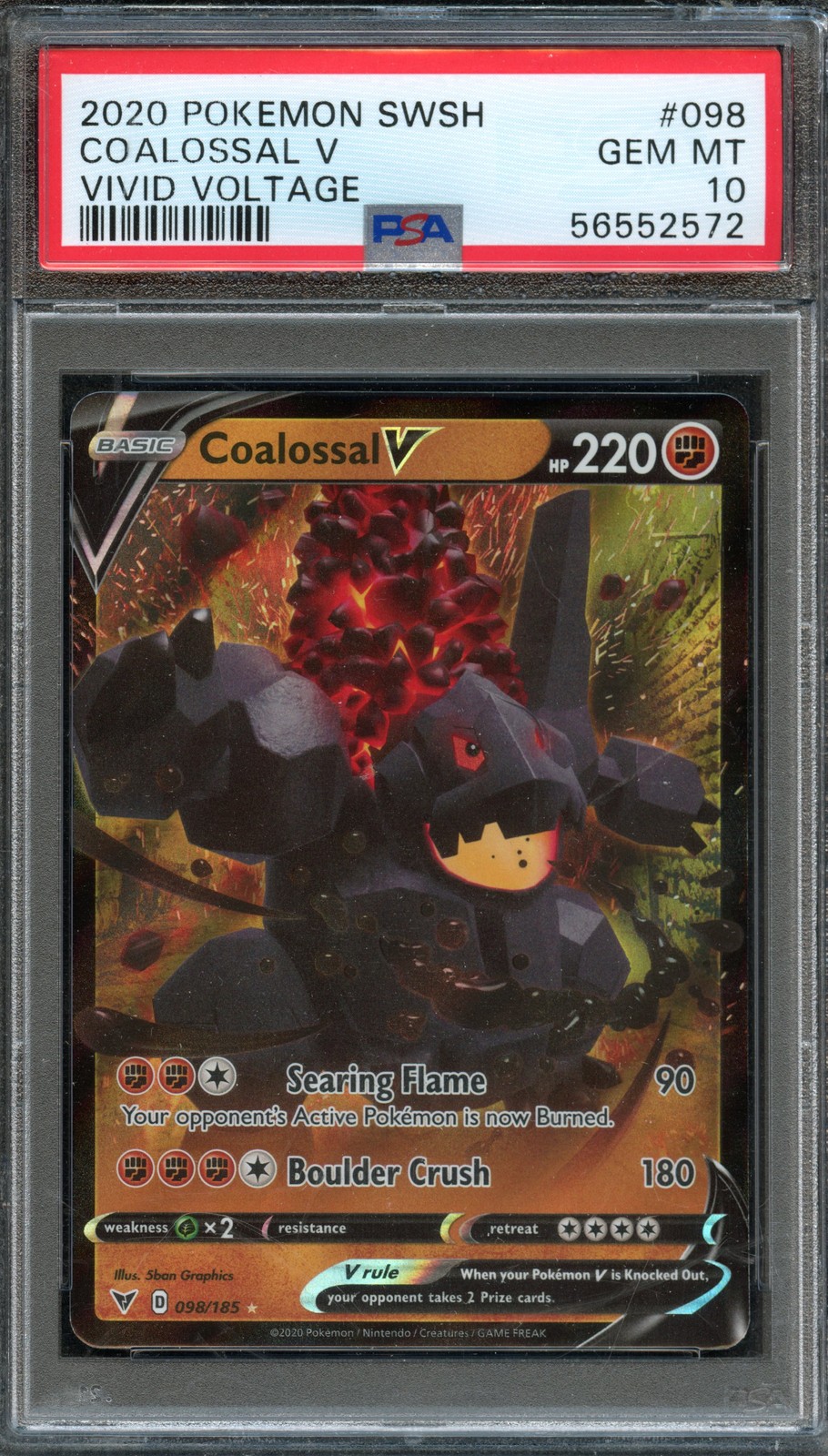
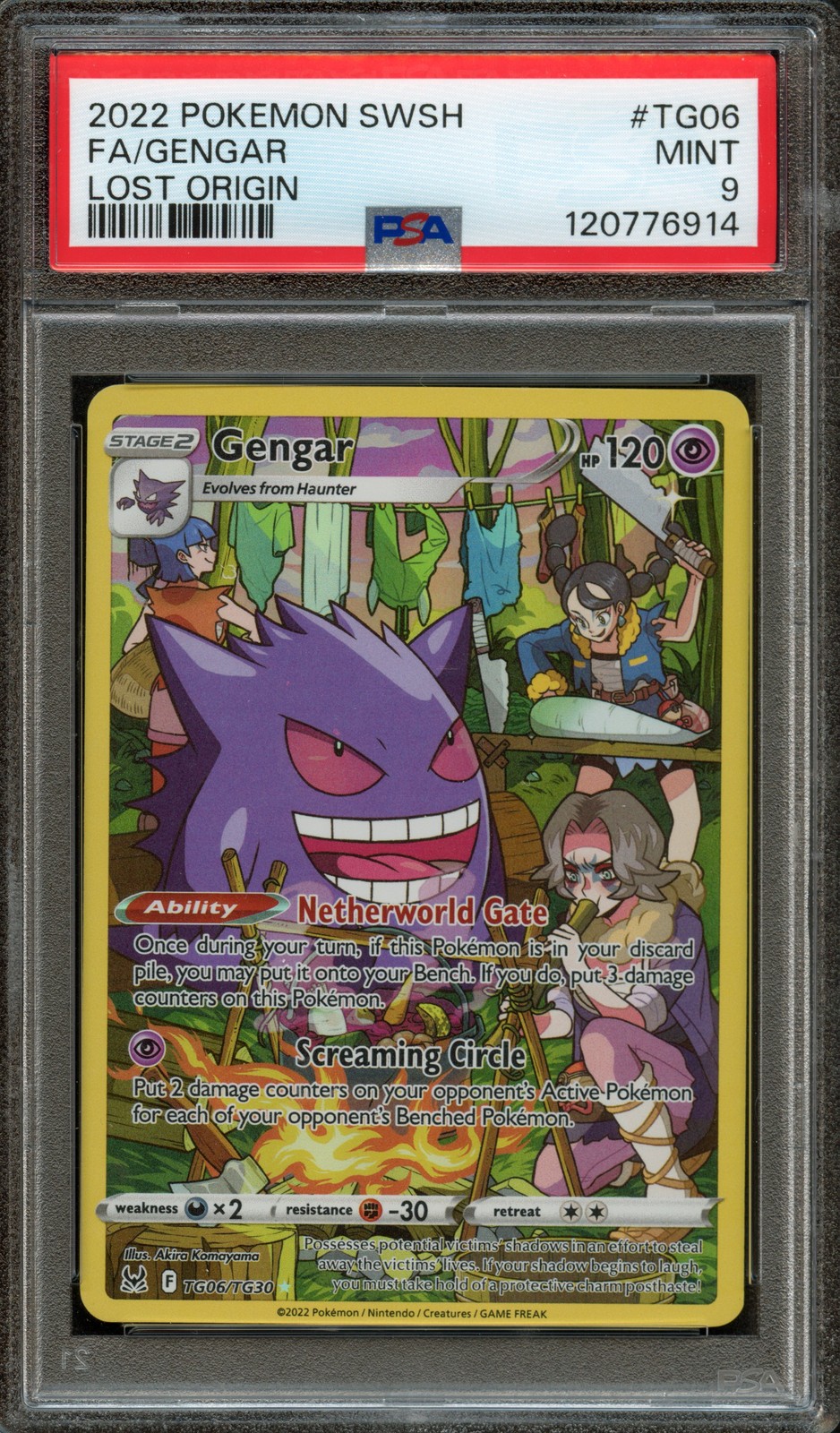
Measure the slab rather than the card inside it. Grading companies and holder generations can differ in height, width and thickness. Check the intended dimensions of an outer sleeve, binder or case before buying multiples. Test one holder first; it should fit without forcing corners into an undersized opening or compressing the closure.
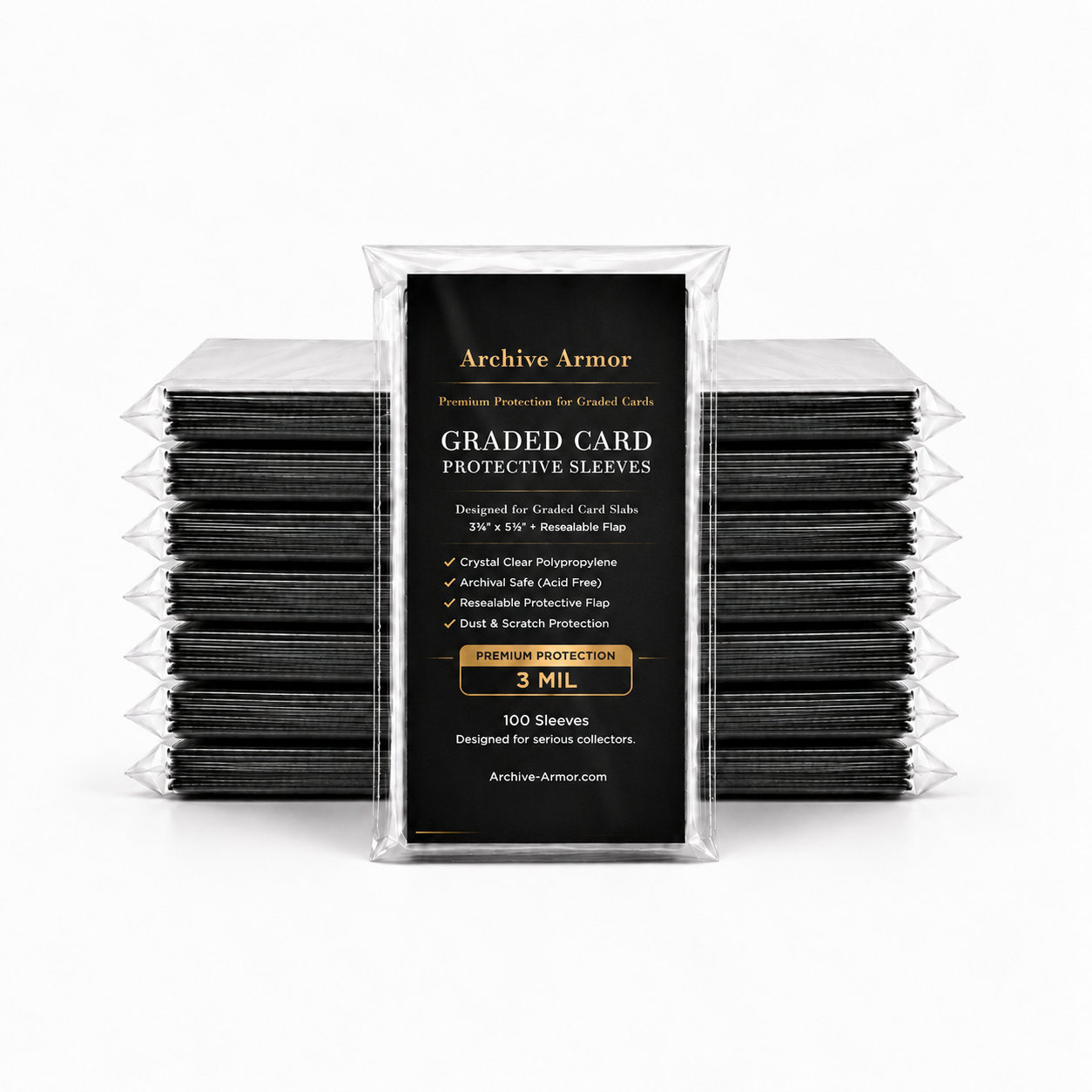
An outer sleeve provides a replaceable layer between the holder and neighboring surfaces. It does not repair a scratch, add a new grading guarantee or establish that the storage system is archival. Archive Armor offers protective sleeves for graded card slabs. Review the current product information for size and material details rather than assuming every sleeve fits every Pokémon slab.
Create a storage order that matches how you collect
A complete-set collector may organize by set and card number. A character collector may group one Pokémon across languages and releases. Someone with a small display collection may prefer a simple box position list. Choose one main order and use a spreadsheet or checklist for secondary searches so the physical cards do not need constant rearranging.
Leave enough room to remove a holder comfortably, but support incomplete rows so cards do not fall against each other. Avoid overpacking a box to achieve a nominal capacity. A box advertised for a certain number of slabs may hold fewer once sleeves or thicker holders are included. Keep heavy or unstable stacks away from the shelf edge.
Make display a deliberate choice
Before placing a slab on a stand, look at the location at different times of day. A shelf that is shaded in the morning may receive direct sun later. Use a stable stand that supports the holder without gripping it aggressively, and keep the display away from drinks, busy walkways and the reach of pets or young children.
Consider displaying a small rotating selection while storing the rest. Keep the empty storage positions labeled so returning the cards takes seconds. If an item is especially important to you, a photograph can provide a permanent decorative display while the card stays in controlled storage. Do not infer UV protection from a clear plastic cover unless the manufacturer provides relevant specifications.
Record identity, location and condition
For each card, record its set, number, language, edition, grade, grading company and certification number. Add purchase date, seller, invoice and storage location. Front and back photographs are particularly useful for cards with similar labels. Keep the records somewhere you can access without opening every box.
Inspect the collection when you already have a reason to handle it rather than repeatedly taking slabs out for no purpose. Check for damaged sleeves, new case cracks, damp packaging or unexpected changes in the room. If you notice a problem inside a holder, document it and contact the grading company. Do not open the case or apply a home remedy.
Prepare separately for travel
A box that works on a shelf may not restrain cards adequately in a vehicle. For a show or move, prevent holders from striking each other and ensure the container closes securely. Pack only what you need, maintain an item list and avoid leaving the collection in a parked vehicle. Review the carrier's or insurer's requirements before shipping valuable items.
On returning home, place cards back in their assigned locations and update the inventory immediately. A simple return routine prevents misplaced slabs and keeps the next collection review focused on the cards instead of searching for them.
Common questions
Should I put a graded Pokémon card in a sleeve?+
A correctly fitted outer sleeve is useful as a replaceable contact layer for the holder. Confirm the fit and product specifications; it does not replace a supportive container or suitable storage conditions.
Can I keep slabs on a windowsill?+
Choose another location. Direct light and changing temperature make a windowsill a poor long-term display setting for paper collectibles.
Sources & further reading
Primary references for the terminology and factual details discussed above.
Explore the actual listings.
Read the item description, photographs, condition notes and terms on eBay. Selection and availability change.
Browse Current Pokémon Inventory ↗Explore Graded & Collectible Pokémon Cards ↗