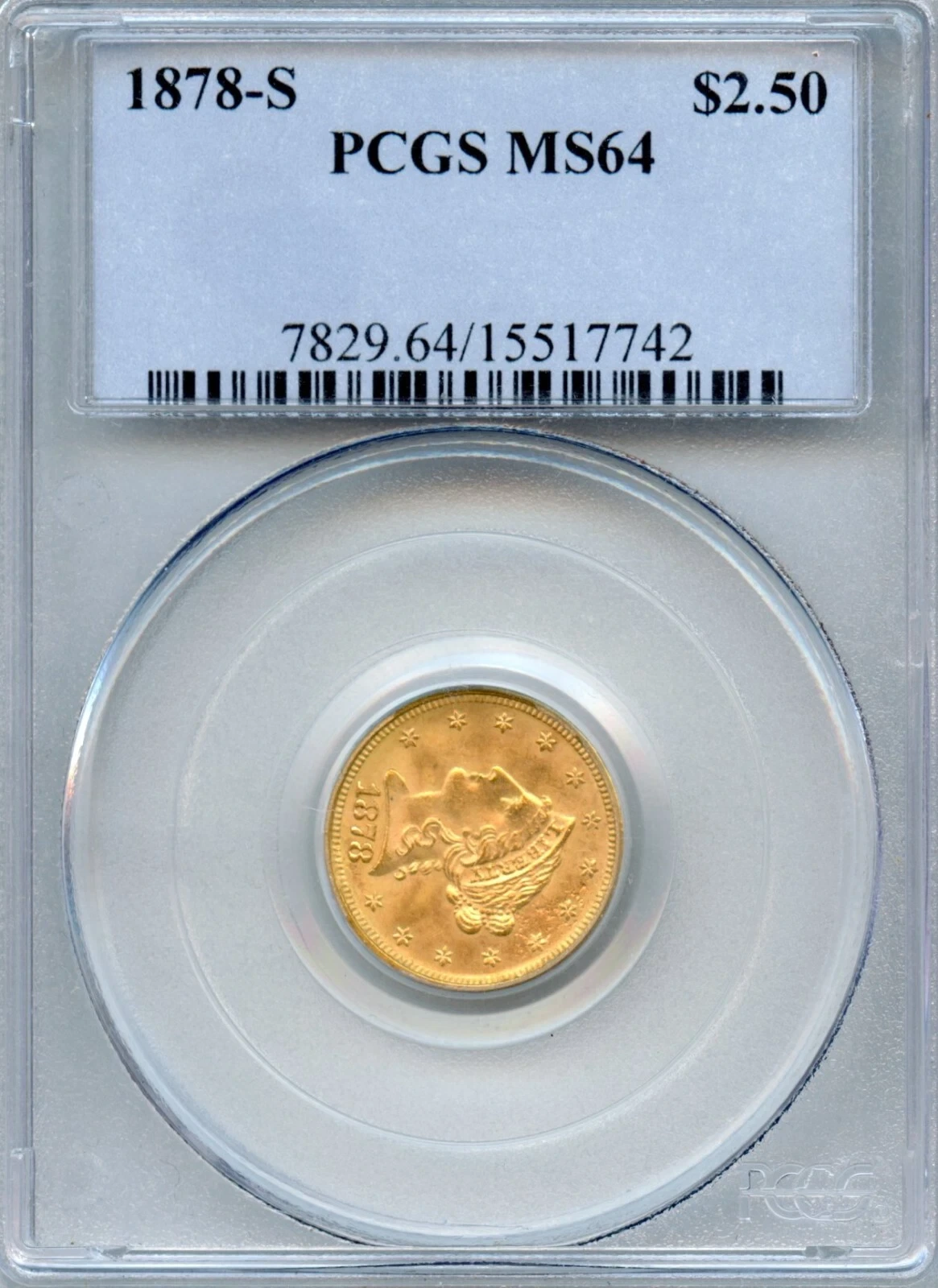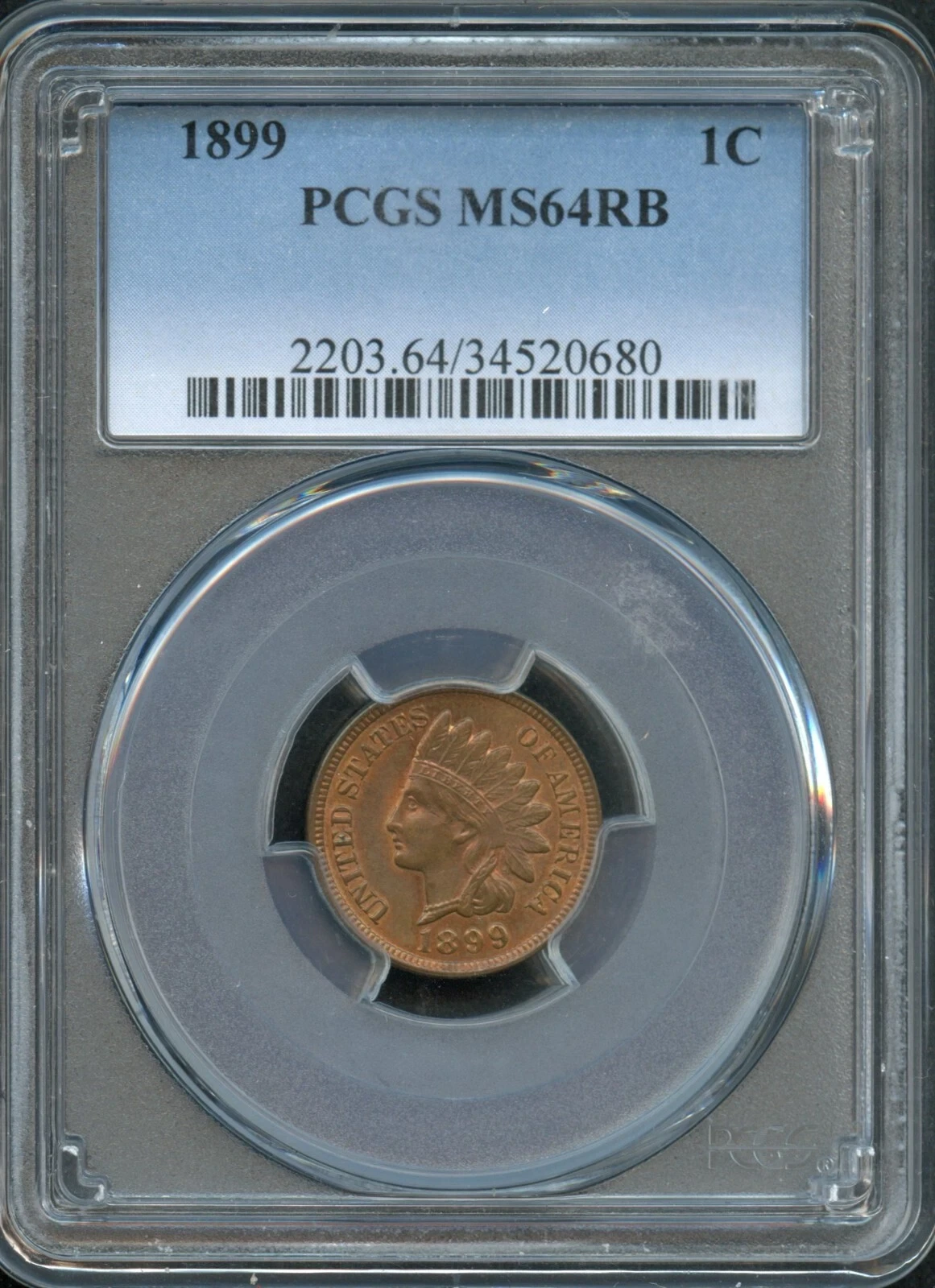
Identify the Indian gold denomination
Indian quarter eagles and half eagles were issued within 1908–1929, with gaps in production. Their designs are incuse, set below the surrounding surface. Indian eagles span 1907–1933 and use a separate design with Liberty wearing a feathered headdress.
The Indian $10 is therefore not simply an enlarged version of the $2.50. A checklist titled “Indian gold” should specify which denominations it includes and whether it follows dates, mints or major design types.
Incuse design changes how you look
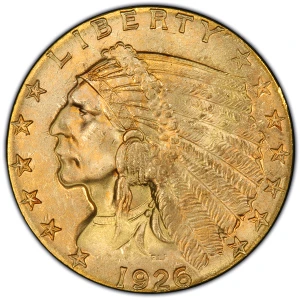
On the $2.50 and $5, the broad fields sit above the recessed portrait and eagle. Examine those exposed surfaces carefully instead of expecting wear and contact to appear exactly as they do on a conventional raised portrait.
Compare the coin at normal viewing size before enlarging isolated marks. A deeply recessed design can look crisp while the surrounding fields show handling. The complete surface matters, and a single sharp feather is not an overall grade assessment.
The ten-dollar eagle has its own subtypes
The Indian eagle includes early 1907 edge varieties and No Motto and With Motto formats. Use the exact subtype in the reference entry rather than selecting a coin from its portrait alone. An edge description cannot be verified with an obverse-only photograph.
If a holder or listing makes an attribution central to the coin’s identity, ask for the relevant evidence. For inaccessible features inside a slab, rely on the complete service attribution and its verification record rather than guessing from the visible rim.
Make a comparison set explicit
A three-denomination group can demonstrate two artists and two approaches to relief. Caption each piece with value, year and design. The illustrated 1926 quarter eagle shows Pratt’s incuse family, not the Saint-Gaudens ten-dollar design.
For a date set, build only from actual issues and preserve any mint attribution separately from the grade. Do not infer completeness from a continuous span of calendar years. Save source photographs and certification details so a future review can distinguish a verified issue from a provisional label.
Sources & further reading
Primary references for the terminology and factual details discussed above.
Explore the actual listings.
Read the item description, photographs, condition notes and terms on eBay. Selection and availability change.
Browse Current Coins Inventory ↗Explore Collectible, Vintage & Graded Coins ↗