Indian Head cent types before grades
The series runs from 1859 through 1909. The 1859 reverse lacks the shield used from 1860 onward. Copper-nickel pieces belong to the early years, while the change to bronze occurs during 1864. That transition year requires more than the date to establish the type.
Compare both sides and preserve any composition or subtype wording in the certification record. A photograph enlarged to fill the screen can hide the physical distinctions that would be easier to notice in hand.
What the NGC label contributes
Copy the date, mintmark when present, grade prefix, number and any color or variety designation. Keep the certification number with an image of the complete holder. This allows a later reader to distinguish the service’s conclusion from a seller’s extra description.
A Details label describes a coin with a qualifying surface or condition issue. Retain that qualification in every shortened inventory view. Writing only “XF” or “AU” can omit the most important part of the certified description.
Copper color needs a type-aware comparison
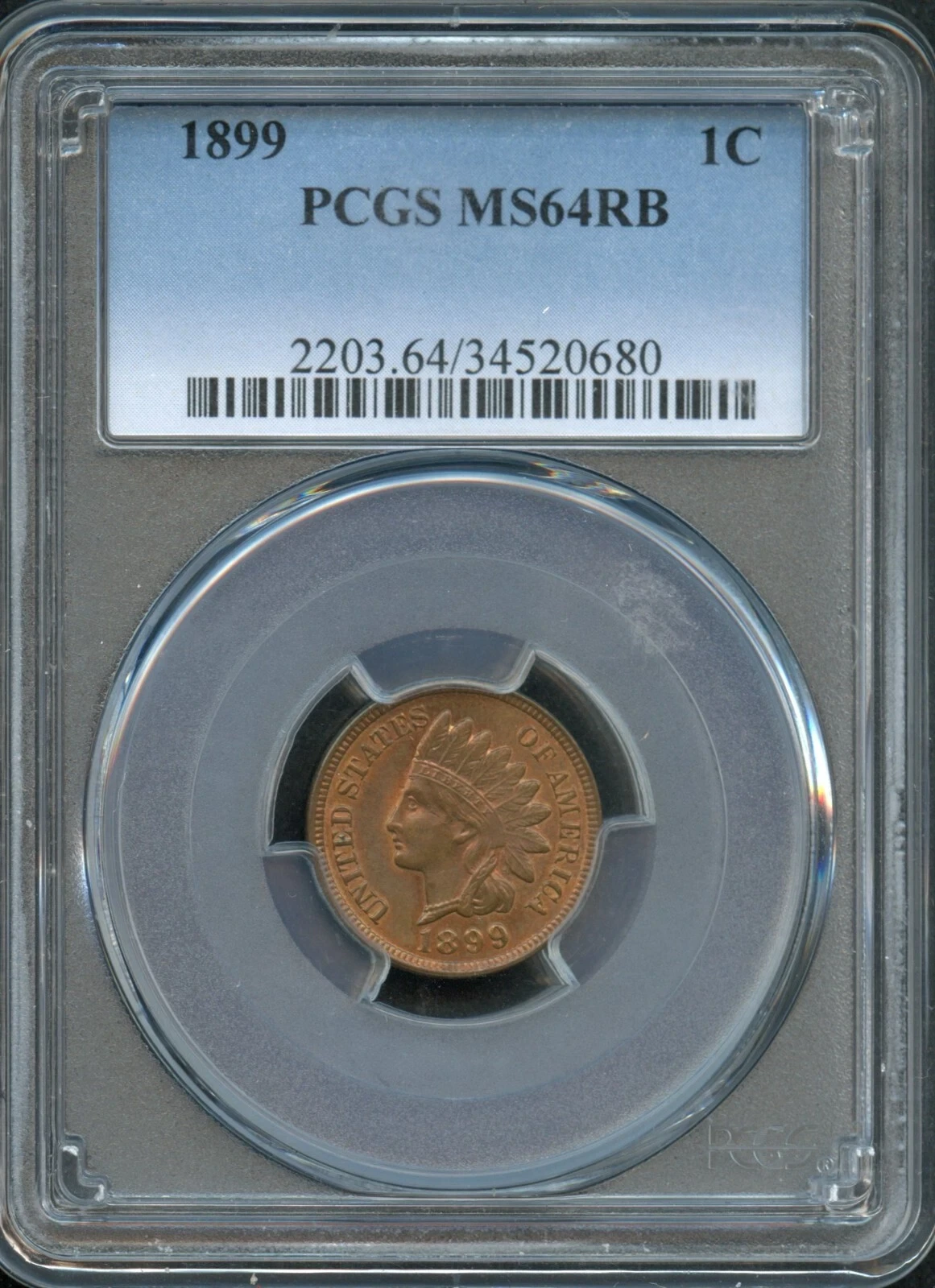
RD, RB and BN are copper color designations, not separate numeric grades. NGC’s published boundaries distinguish the proportion of original red color; a photograph’s saturation slider does not supply that evidence.
Do not apply the visual expectations of a bronze cent to the earlier copper-nickel type. Compare like compositions under similar light. For a bronze coin, consider the distribution of color and any spots as well as the abbreviation on the label.
Plan a collection that explains the design
A compact type project might show the 1859 reverse, the shield reverse in copper-nickel and a bronze example. A date-and-mint project needs a more extensive checklist. State which project you are building before deciding that one coin is an “upgrade.”
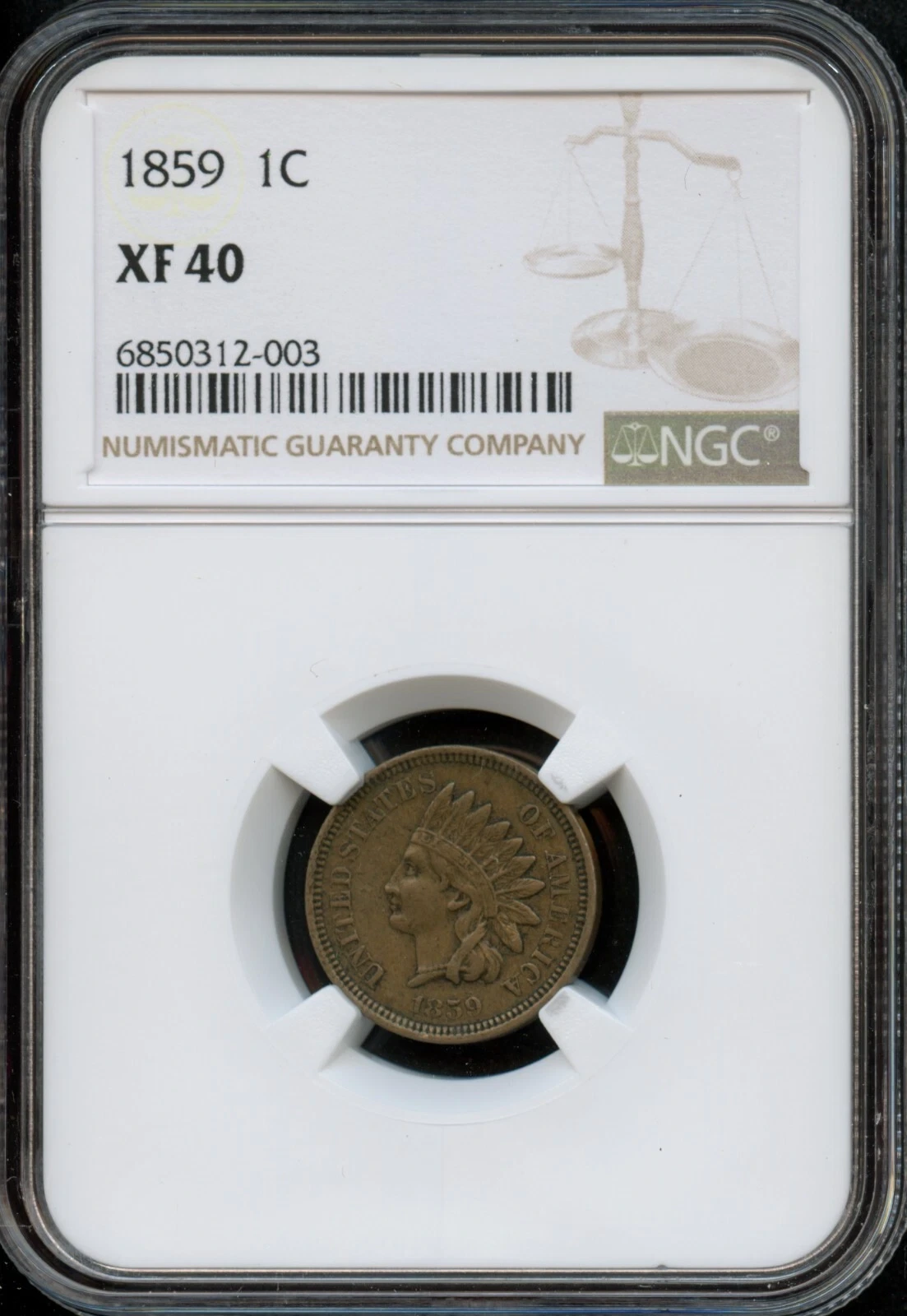
The photographed 1859 NGC XF 40 cent is a circulated first-year example. It demonstrates why a well-captioned coin can be useful without being Mint State. Ask for its reverse when studying the first-year wreath design; the obverse alone cannot illustrate that difference.
Sources & further reading
Primary references for the terminology and factual details discussed above.
Explore the actual listings.
Read the item description, photographs, condition notes and terms on eBay. Selection and availability change.
Browse Current Coins Inventory ↗Explore Collectible, Vintage & Graded Coins ↗