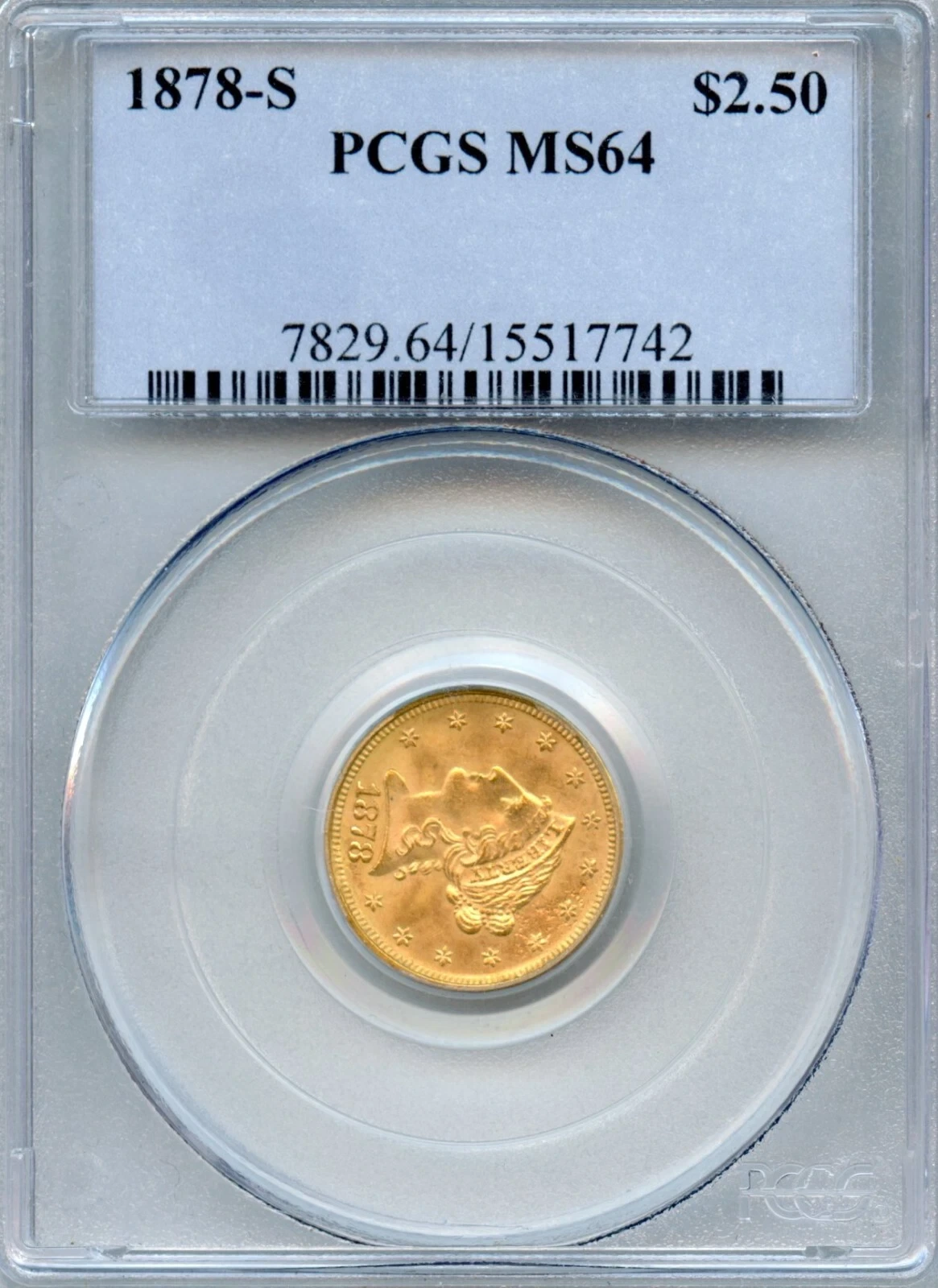
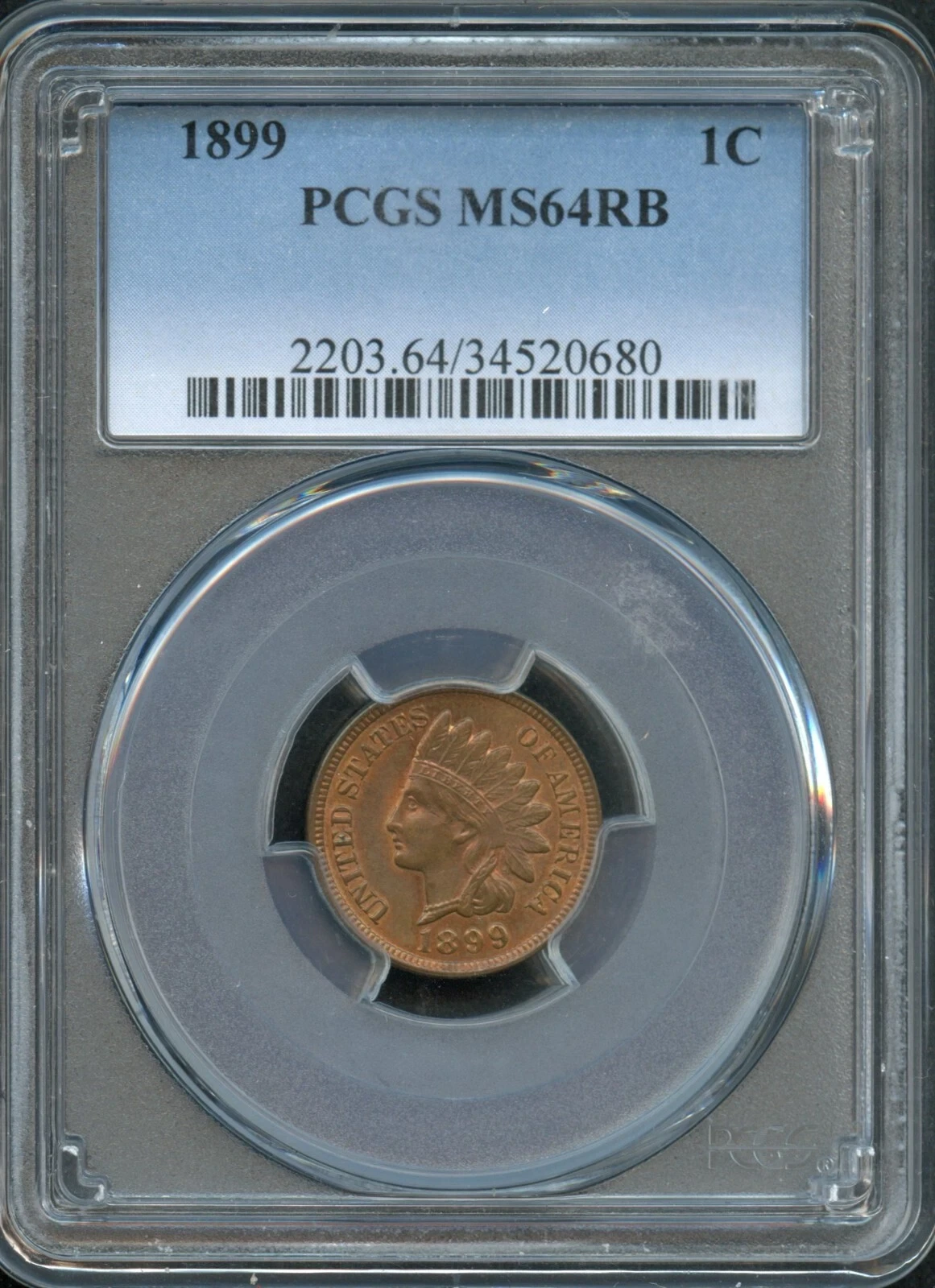
Four Liberty Head gold denominations
The quarter eagle is $2.50 and spans 1840–1907. The half eagle is $5 and spans 1839–1908. The eagle is $10 and spans 1838–1907. Liberty Head double eagles entered regular circulation production in 1850 and continued through 1907; the exceptional 1849 piece belongs to a different collecting context.
A type collection can use one of each denomination, but it should say whether major reverse changes are also included. The familiar coronet portrait does not remove those differences. Write the dollar value beside every design name in the inventory.
Mottos do not divide every denomination alike
The $5 and $10 families include No Motto and With Motto forms, with IN GOD WE TRUST added in 1866. The double eagle has three familiar groups: No Motto, With Motto with TWENTY D., and the later TWENTY DOLLARS denomination wording. The quarter-eagle design has its own long, comparatively consistent sequence.
Do not transfer a half-eagle checklist directly to quarter eagles. For each coin, photograph and transcribe the reverse motto and denomination. These are testable distinctions that are easy to lose when an auction title shortens the series to “Liberty gold.”
Mint and denomination travel together
The same letter or mint name can have different relevance across the family. Check the specific date-and-mint entry for the denomination in front of you. A valid issue in one series does not establish that a superficially similar piece exists in another.
The illustrated 1856-O is a double eagle, the twenty-dollar denomination. A quarter eagle is a different coin despite the related Liberty Head design. Let the denomination and precise attribution control the record rather than a broad storefront category name.
Compare surfaces at more than one scale
A full-holder photograph establishes context; a close-up shows the marks and texture that influence appearance. Review both. A small coin enlarged dramatically can look harsher than a larger coin shown at a modest scale, so normalize your viewing conditions before ranking eye appeal.
Choose a collecting scope you can describe in one sentence, then retain the photographs supporting each type assignment. When the plan expands, add explicit new slots rather than quietly redefining the original goal after every purchase.
Sources & further reading
Primary references for the terminology and factual details discussed above.
Explore the actual listings.
Read the item description, photographs, condition notes and terms on eBay. Selection and availability change.
Browse Current Coins Inventory ↗Explore Collectible, Vintage & Graded Coins ↗