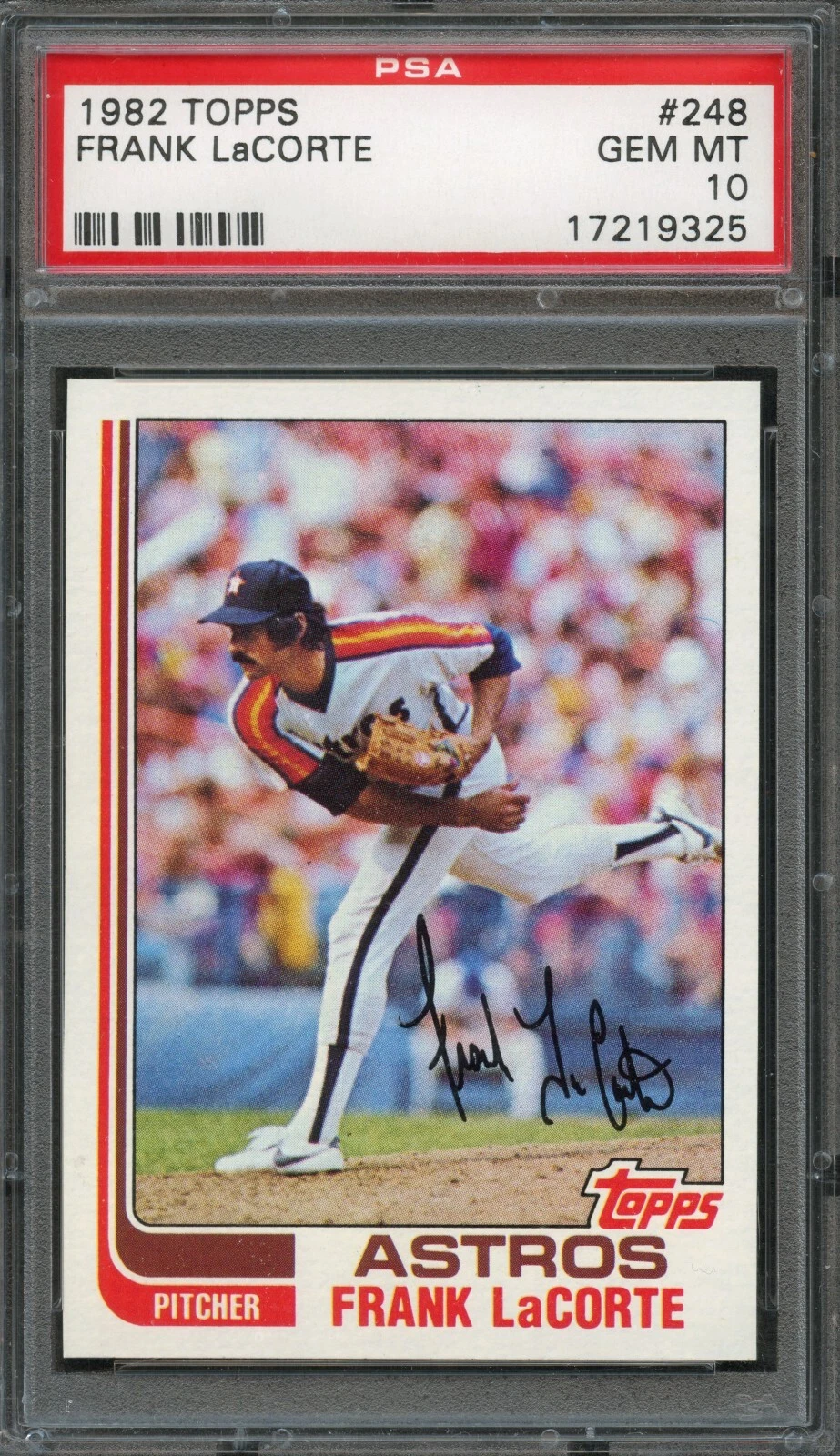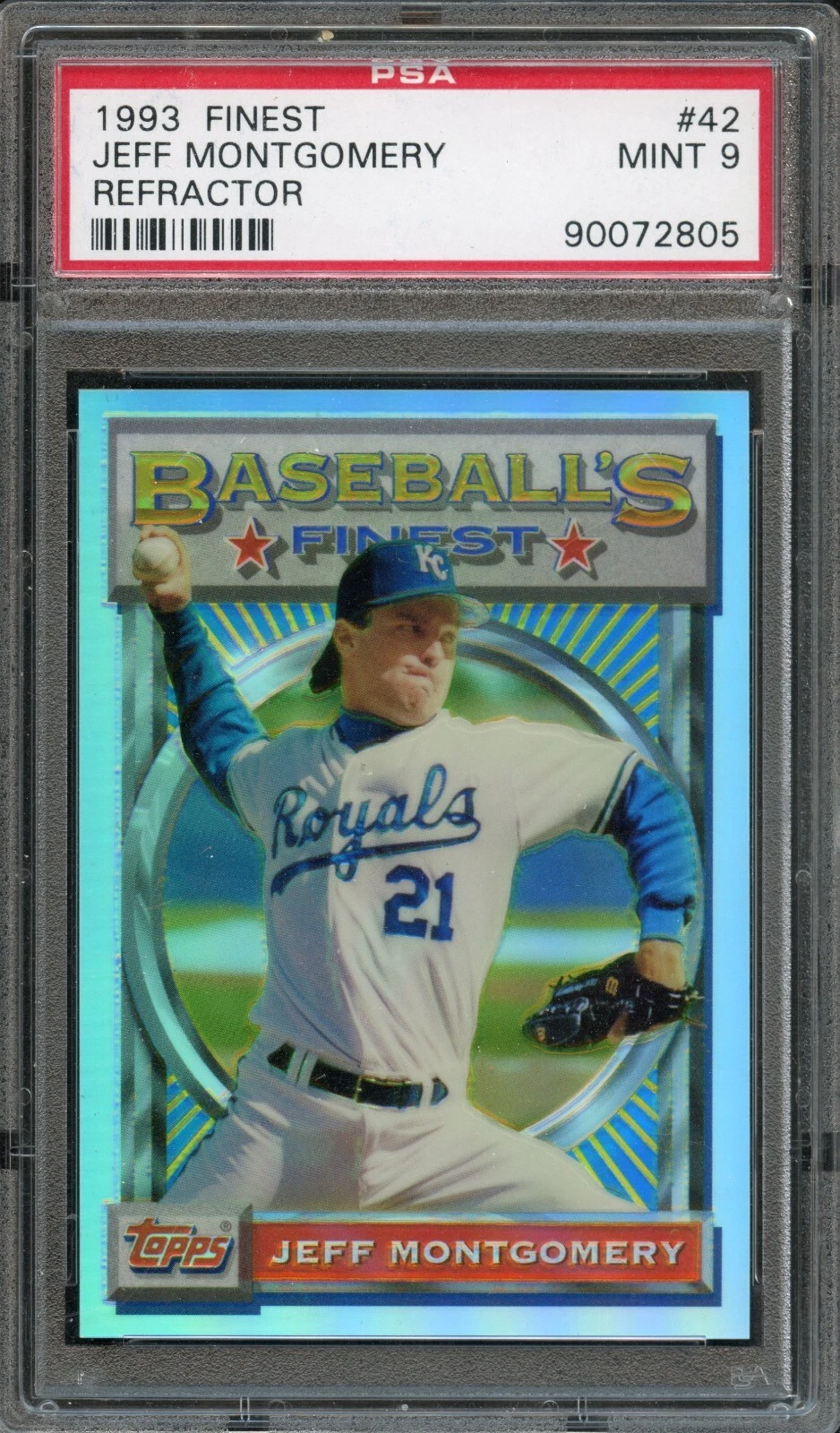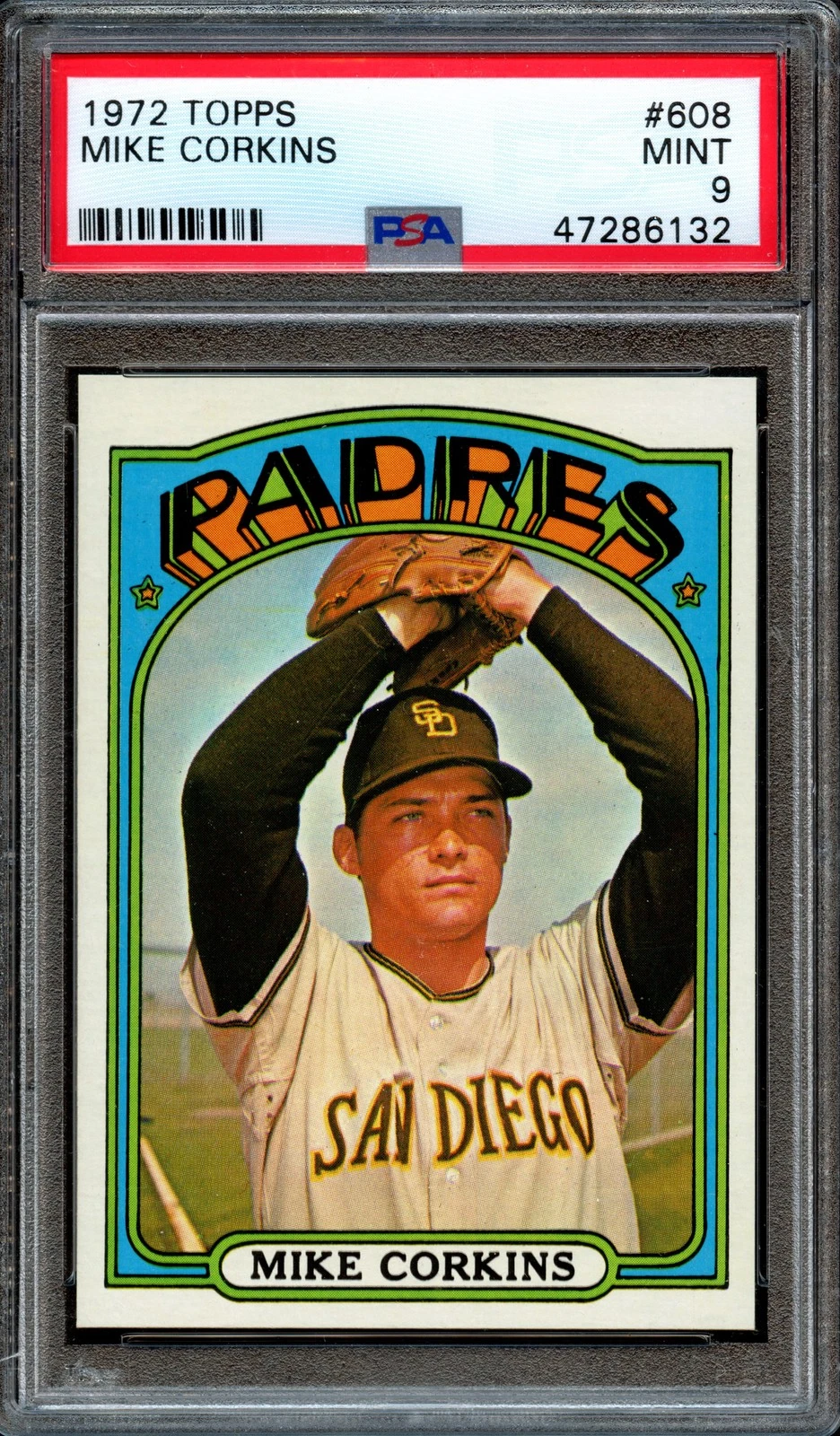
Start with the two individual cards
Make sure the examples share the same year, product, card number, variation and autograph status. It is easy to mistake a parallel for a base card or a different product for the same issue when a listing title emphasizes only the player and grade. That mistake invalidates the comparison before price enters the discussion.
Compare front and reverse images at similar scale. Look at centering, corner shape, edge condition, surface clarity and any visible printing characteristics. The grade summarizes an assessment, while the photographs show how that particular example presents. Both are useful, and neither should be substituted for the other.
A 9 can look excellent in an ordinary photograph. A feature relevant to the assessment may be subtle, on the reverse or hard to capture in the lighting. Failure to see the difference in a thumbnail does not prove the two cards are physically identical.
Do not invent the reason for the grade
If you cannot see why a card received a 9, say that the photographs do not establish the reason. Do not conclude that it was undergraded or that a grader made a mistake. Equally, do not invent a hidden defect to defend the number. The available evidence may simply be incomplete.
When additional images or grading notes are available, use them. Ask for a better photograph of a questionable corner or surface area rather than demanding an unsupported grade prediction. A useful question is whether the card’s visible features meet your collecting preferences, not whether someone online can promise a different result.
This disciplined approach also prevents the opposite error: assuming every 10 will look preferable to every 9. Individual centering, print appearance and design characteristics can affect your personal preference even within the company’s defined grade categories.
Compare premiums on the exact issue
There is no single percentage by which a PSA 10 should exceed a PSA 9. A meaningful comparison needs completed transactions for the same card and version, with enough detail to identify relevant differences. Asking prices alone show what sellers request, not what buyers consistently pay.
Keep sale dates and transaction formats visible. A single auction result can be influenced by timing, bidder participation or the particular example. A group of reasonably comparable results is more useful than a dramatic isolated number. Where accepted-offer information is unavailable, do not pretend the original asking price is the confirmed sale price.
Also compare the total cost you would pay, including shipping and applicable checkout charges. A purchase decision concerns the complete transaction. It does not require a prediction about what either grade will sell for later.
Use population data as context
The relative number of recorded 9s and 10s can help you understand the graded population of a particular card. It cannot by itself tell you whether the premium for a 10 is reasonable. Demand and the number of examples offered for sale are separate questions.
Check the exact variety and read the report’s headings. Do not combine different parallels or mistake a cumulative count for the number in one grade. Note the date of the lookup because populations change as cards are submitted and records are updated.
A high proportion of 10s among prior submissions is not your personal card’s probability of grading 10. Submissions are selected by collectors and dealers rather than drawn randomly from every card produced. The physical characteristics of your own card remain the relevant evidence.
Choose according to the collection you want
If the goal is a uniform grade-based set, the grade itself may be an explicit requirement. Decide whether that requirement is worth the additional total budget before beginning. A project that becomes unaffordable halfway through may be less satisfying than a realistic plan completed to a different standard.
If the goal is an attractive display or player collection, compare what the extra expenditure changes for you. Would you notice the difference in the way you view the card? Would a 9 leave room for another meaningful addition? These are collecting questions, not predictions about future returns.
You may choose 10s for some issues and 9s or lower grades for others. That is coherent when the rule follows your priorities. It becomes less coherent when every new purchase is driven by fear that any lower number is automatically a compromise you should regret.
Treat upgrade attempts as a separate, uncertain project
PSA offers a review service for cards owners believe may merit a higher grade. The existence of that service is not evidence that a particular 9 will become a 10. If you buy a 9, first decide whether you want that card as a 9 at the offered terms.
Review, crossover and raw resubmission are different processes. Read the applicable service terms before acting, including what happens if the desired outcome is not achieved. Do not remove a card from its holder casually; doing so introduces handling risk and changes what you can document about the certified object.
A seller’s phrase such as looks like a 10 is an opinion about appearance. It is not a transferable grading guarantee. Your purchase calculation should not rely on the most favorable possible future label.
Complete the comparison with verification
Match the certification details, read the full description and inspect the holder. Keep a note explaining your final choice, especially when the decision is based on eye appeal rather than the higher number. That note helps you apply the same standard to later purchases.
Browse TrendingArt’s PSA baseball category and current eBay inventory for the examples actually offered. Use the live listings to compare exact issues, images and total terms. The related guides explain the PSA 10 standard and the limits of population data in more detail.
Common questions
Is PSA 10 always the better purchase?+
It is the higher condition grade. Whether it is the better purchase depends on the exact card, total cost, appearance and your collecting goal.
Should I buy a 9 because it might upgrade?+
Only if you also want it on its existing terms. A future grading result is uncertain and should not be treated as part of the current description.
Sources & further reading
Primary references for the terminology and factual details discussed above.
Explore the actual listings.
Read the item description, photographs, condition notes and terms on eBay. Selection and availability change.
Browse Current Sports Cards Inventory ↗Explore Graded & Collectible Sports Cards ↗