Gem Mint is a grading standard, not literal perfection
PSA’s published description allows a slight printing imperfection when overall appearance is not impaired. Its stated centering tolerance for a 10 is approximately 55/45 on the front and 75/25 on the reverse. Corners, focus, gloss and freedom from staining are also part of the standard. Read the official criteria for the complete definition.
This matters because collectors sometimes treat 10 as a mathematical assertion that no imperfection can exist under any level of magnification. That is not how a descriptive condition standard works. The number identifies a category within a grading system, and the physical card still has individual characteristics worth inspecting.
Centering is one part of the assessment
A ratio such as 55/45 describes how a pair of opposing borders divides their combined width. For a simple illustration, borders measuring 5.5 and 4.5 units divide the total into 55 percent and 45 percent. It does not mean the image is shifted by 55 percent of the card’s width.
Measure side-to-side and top-to-bottom separately. A card can be balanced horizontally and less balanced vertically. Perspective in a photograph can distort both measurements, while designs without clear borders require more care than a plain rectangular image. A phone measurement is a screening aid, not an official grade.
A card that meets a centering tolerance can still have a surface problem, damaged corner or other limiting feature. Do not use one favorable ratio as proof that a raw card will receive a 10. The grading question concerns the complete card, including the reverse.
The label must describe the card you intend to buy
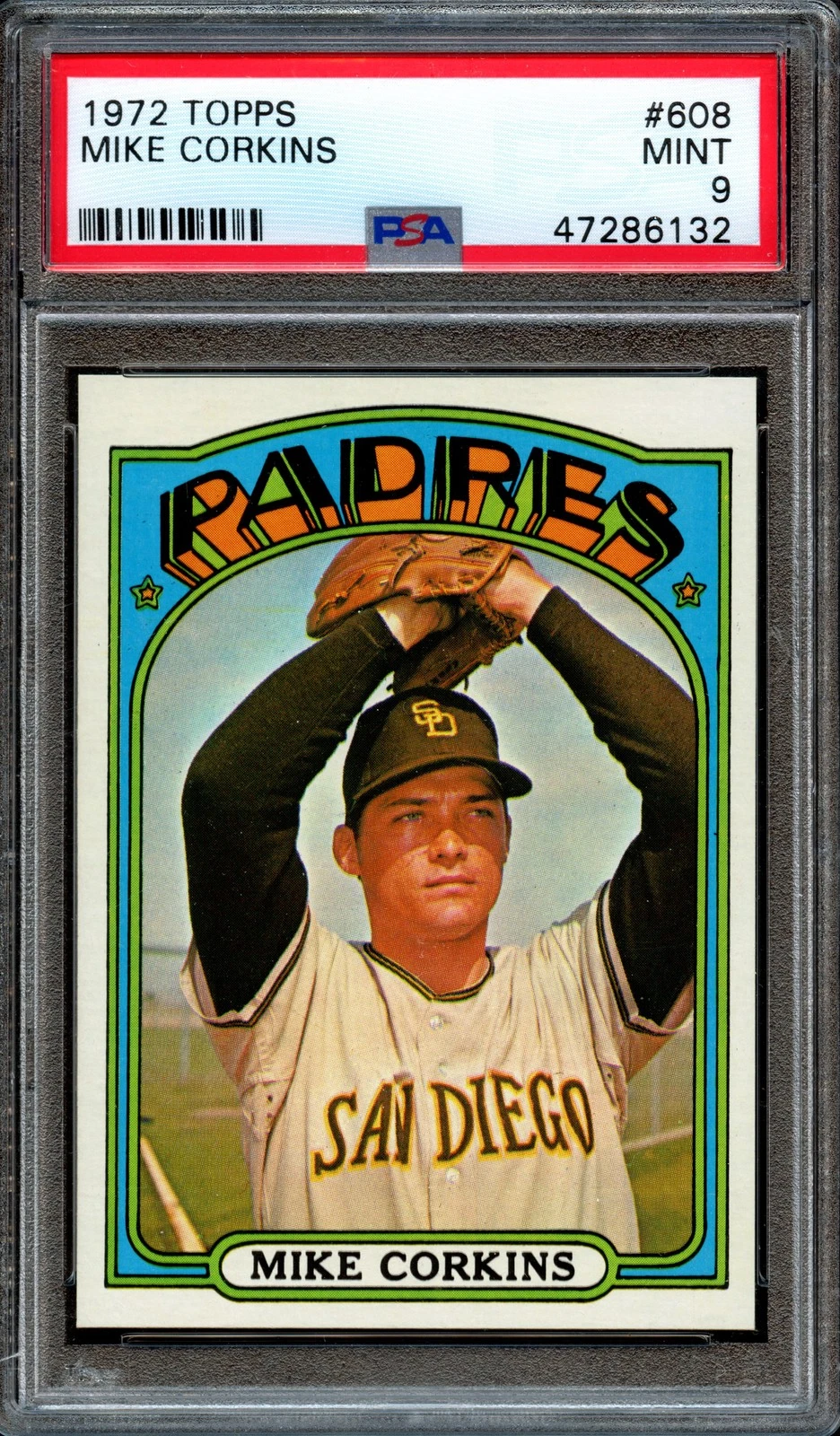
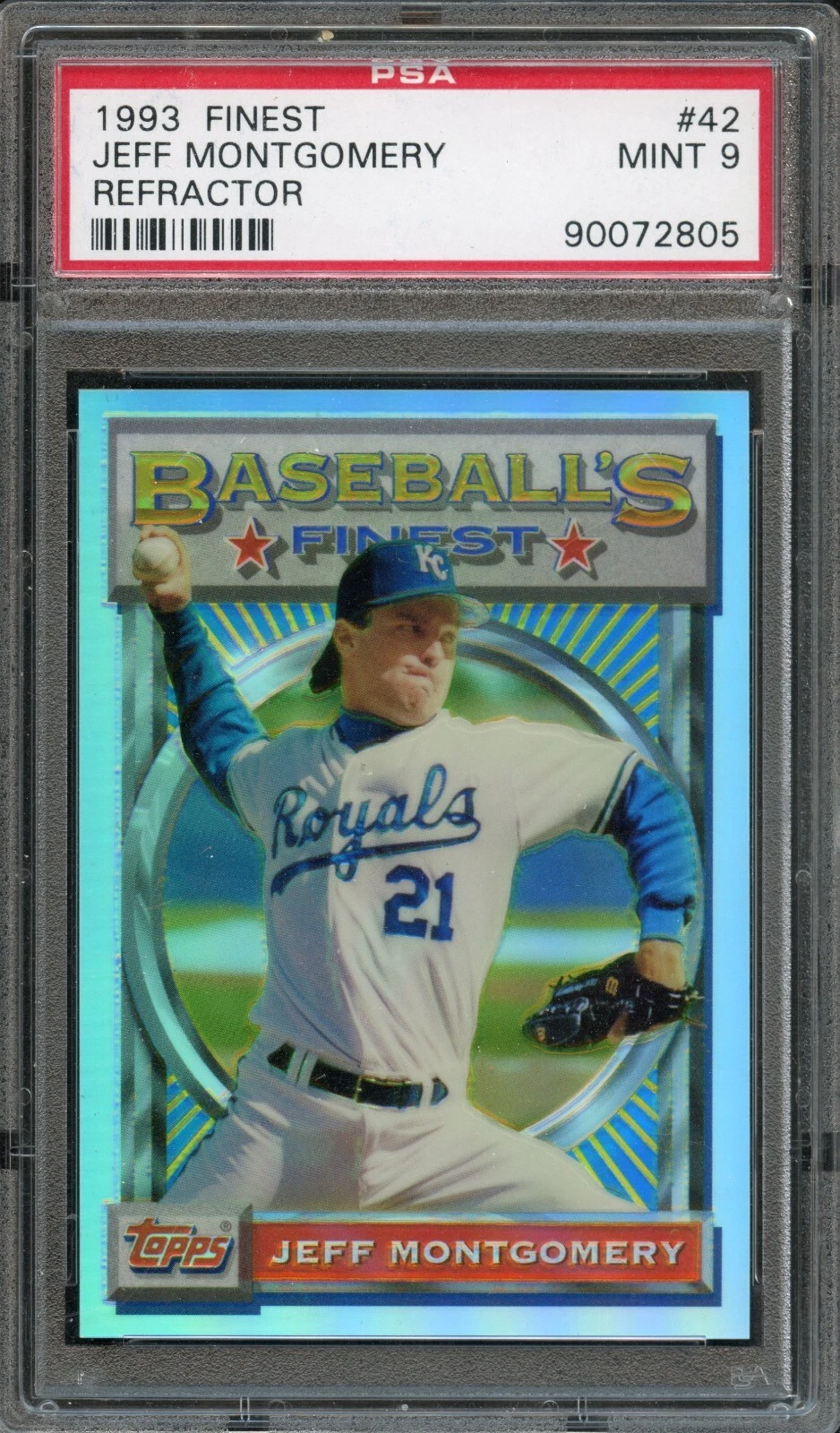
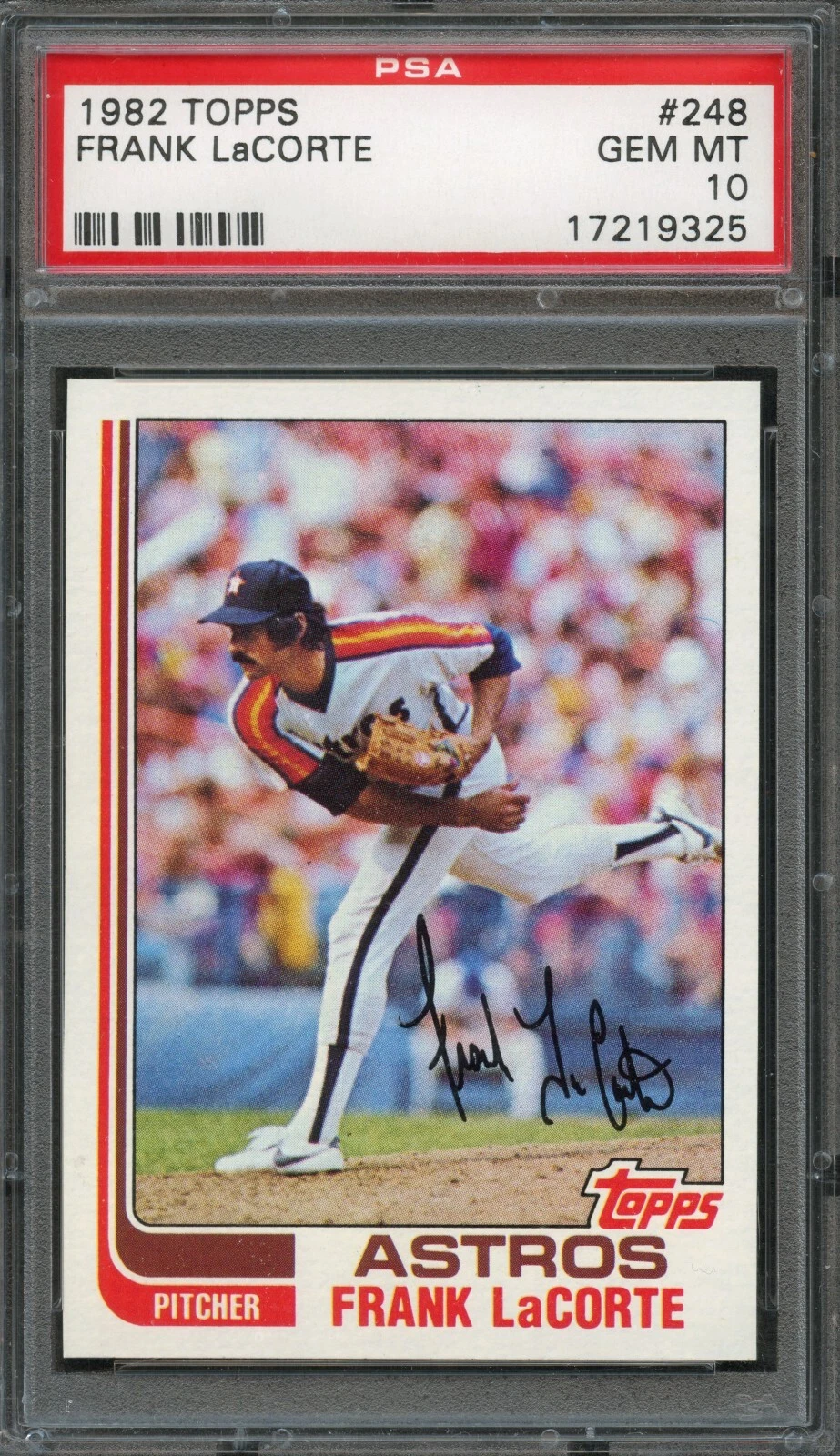
Read the year, product, player, number and any variety or parallel before focusing on the grade. A PSA 10 base card and a PSA 10 parallel can be very different collectibles. A correctly graded card can still be the wrong version for your collection if you relied on a abbreviated listing title.
For signed cards, establish whether a number refers to the card’s condition or the autograph. A signature grade is not automatically a card grade. Likewise, a label indicating authentication without a numeric card grade should not be described as a PSA 10 card simply because another number appears elsewhere on the holder.
If the label and seller description disagree, resolve the disagreement first. The purchase decision should not depend on choosing whichever description makes the offer look more attractive.
Verify the holder and certification details
Use PSA’s own certification lookup and compare the returned description with the listing. Where reference images are available, compare visible details with the actual card being offered. A certification record can support identification, but it does not replace inspection of the physical holder and card.
PSA cautions that genuine certification numbers can be copied. This means a successful lookup is a useful check rather than a stand-alone authenticity guarantee. Consider the seller, complete photographs, holder condition and any visible inconsistencies together. Ask for a clear label image if the number cannot be read.
Save the certification number with your purchase record. It is useful for inventory organization and for distinguishing several graded examples of the same issue. Keep the original seller description and images as well.
A PSA 10 does not establish scarcity or value
The grade tells you about assessed condition, while population and demand answer different questions. Some cards have many recorded top-grade examples and others have few. Neither situation can be understood from the label alone. Search the exact issue in the population report rather than relying on a listing’s broad rarity language.
A population count is also limited to what the grading company records. It does not include every raw card or every example graded elsewhere. A low number is a reason to investigate the issue and submission history, not a self-contained explanation of what a buyer should pay.
For a purchase comparison, use the exact card, version and grade, then examine the individual appearance and transaction terms. Do not take a price difference between two unrelated PSA 10 cards as evidence about the value of the grade itself.
Decide whether the designation serves your collection
A collector pursuing a specific grade-based registry goal may need a 10 for a defined reason. Someone building a favorite-player display may prefer an attractive lower-grade example and use the remaining budget on another card. The choice should follow the collecting goal.
If you are considering submitting a raw card, compare that path with buying an already graded example. Include submission costs, shipping, waiting time and the possibility of a lower result or no numeric grade. The fact that a card looks excellent to you is not a guarantee of a particular professional assessment.
Avoid buying a PSA 9 solely because you expect it to become a 10. Any review or resubmission outcome is uncertain, and the existing card should be desirable to you on the terms in which it is actually offered.
Protect the object after purchase
A high grade does not make a card or holder immune to damage. Keep the holder supported, avoid unnecessary friction and use a correctly sized outer sleeve if you want to reduce everyday scuffing. Do not assume an outer sleeve provides protection from every environmental hazard.
TrendingArt’s graded sports-card and PSA baseball categories connect this explanation with current marketplace listings. Examine each live listing for the exact issue, label, photographs and terms. The related PSA 9 versus PSA 10 guide helps frame the choice between two grades without assuming a universal answer.
Common questions
Does PSA 10 mean absolutely flawless?+
No. It means the card meets PSA’s Gem Mint criteria, which include defined tolerances and a limited printing-imperfection allowance.
Does a PSA 10 guarantee a high resale price?+
No. Condition is only one attribute. The exact issue, demand, supply and individual transaction context are separate considerations.
Can perfect centering guarantee a 10?+
No. Corners, edges, surface and other condition features also matter. A centering measurement cannot determine the entire grade.
Sources & further reading
Primary references for the terminology and factual details discussed above.
Explore the actual listings.
Read the item description, photographs, condition notes and terms on eBay. Selection and availability change.
Browse Current Sports Cards Inventory ↗Explore Graded & Collectible Sports Cards ↗