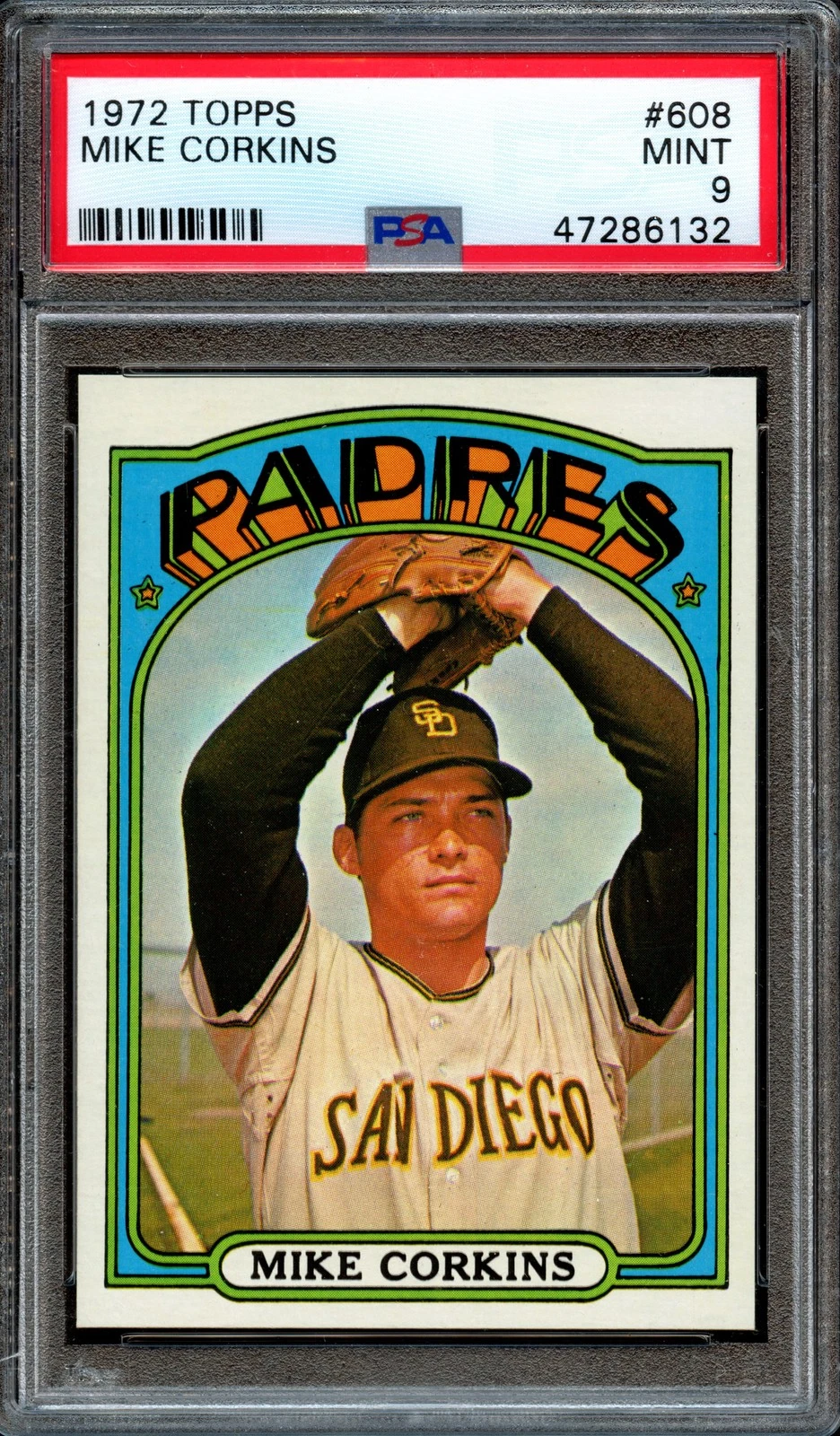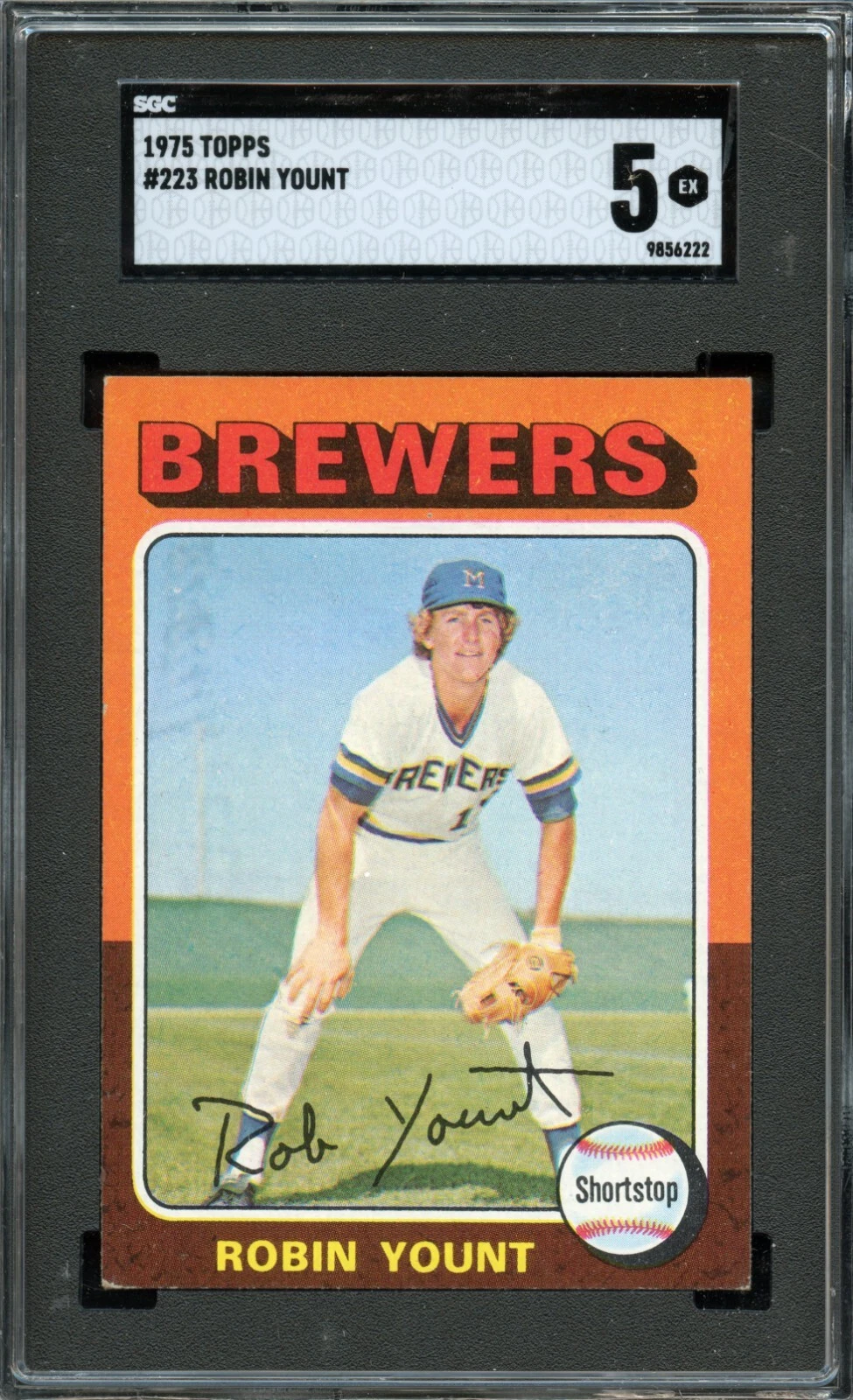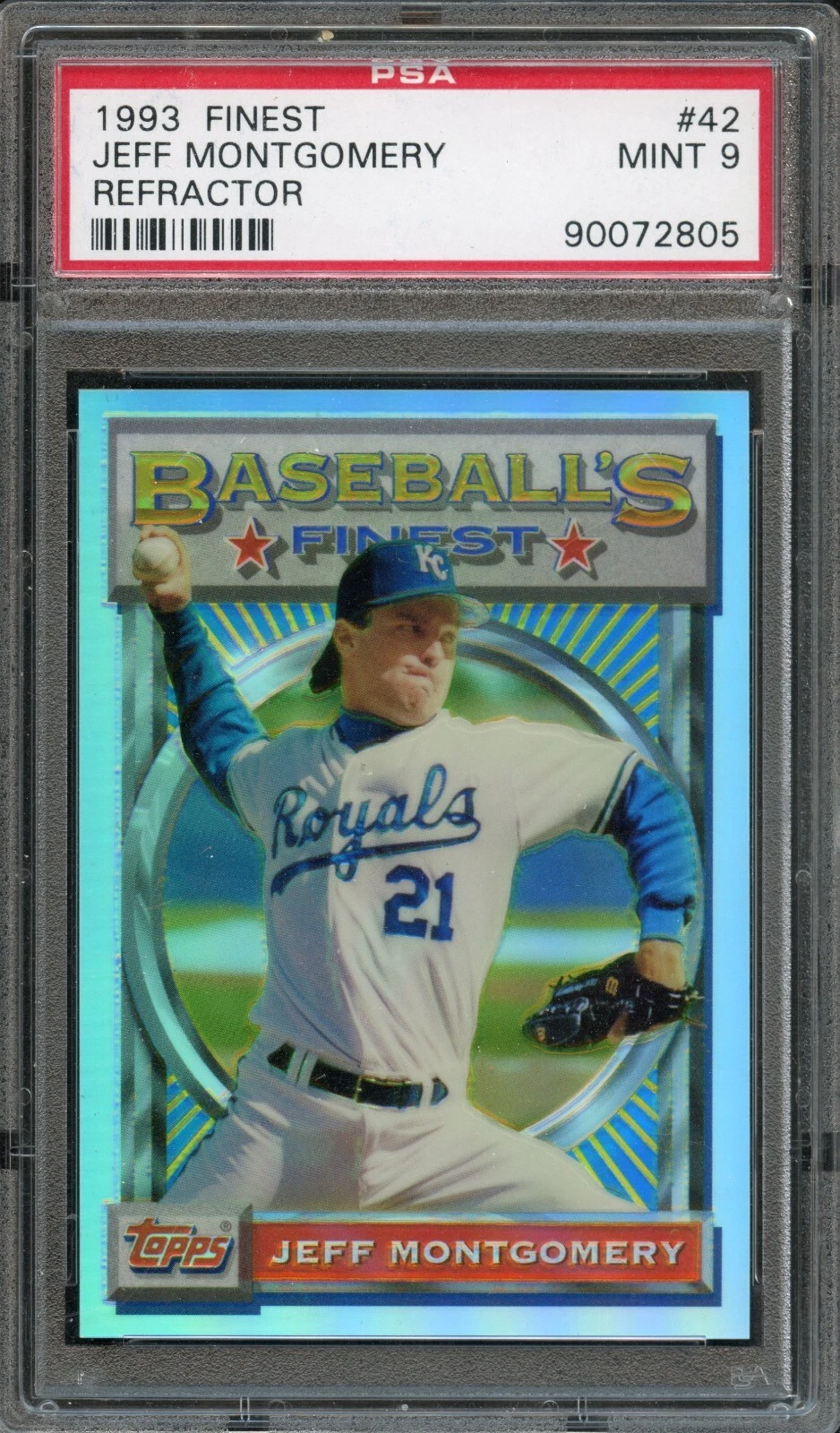
Start with the exact card identity
Search by year, manufacturer, product, player and card number. Add the variety or parallel where relevant. A broad player search can return a base card, several parallels, autograph versions and related products; their populations should not be combined merely because the name is the same.
Match the report entry with the holder or raw card you are researching. If the issue description differs, resolve the discrepancy before using the numbers. A precise calculation on the wrong entry is still a wrong comparison.
Keep a record of the report’s source, date and exact row description. Population data changes, and a screenshot without those details can become difficult to interpret later. The aim is a reproducible reference rather than an isolated number copied into a listing.
Understand what each column counts
A report may show a count in one grade, a total across grades, or a cumulative count at that grade and above. Read the headings and notes. Adding cumulative columns together can double-count the same graded population. A total is useful only when you know how it was constructed.
PSA explains that whole-number grades, half grades and qualified grades can appear on separate lines. Those categories should be interpreted according to the report’s notes. Do not silently treat a qualified example as identical to an unqualified example with the same large number.
Similarly, labels such as Gem Mint and Pristine can have separate roles within another company’s report. The meaning of 10 depends on the company and designation. A cross-company comparison needs definitions before arithmetic.
Population is not the original print run
A printed production quantity, a serial-numbered parallel’s stated denominator and a grading-company population are different measures. Population data concerns items recorded through that company’s grading system. Raw cards, examples in other companies’ holders and unsubmitted collections sit outside that particular count.
A low recorded population could be consistent with genuine scarcity, limited collector interest in grading the issue, a recent release or a newly recognized variety. The number alone does not identify which explanation applies. Research the card’s issue history and cataloging before describing it as rare.
Nor does a report tell you how many examples are available for purchase. Many recorded cards may remain in private collections. A marketplace listing count is another measure again: it describes visible offers in a particular place at a particular time.
Read a gem-rate calculation correctly
Consider a purely hypothetical report with 80 recorded numerically graded examples, of which 20 are in the specified Gem Mint category. Dividing 20 by 80 produces 25 percent. That is a share of the defined recorded sample, not a claim about a real card or its entire production run.
Before calculating, decide which records belong in the denominator. Are qualified grades included? Are Authentic designations included? Does the report separate a parallel or back variation? Two people can produce different percentages from the same screen if they use different definitions. State the definition alongside the result.
Most importantly, the result is not the probability that your card will receive that grade. Submitted cards are not a random sample: owners choose what to submit, and their selection criteria can differ. Your card’s actual condition cannot be replaced by a population percentage.
Variety recognition can change interpretation
PSA notes that it began recognizing some varieties after it had already graded cards from the issue. Earlier records may therefore not separate the varieties in the same way as later records. A small newly identified population may reflect catalog history as well as the physical supply of the card.
Read the notes before comparing two variants. Ask whether both were separately recorded over the same period and whether older holders may use a broader description. Do not infer that a newly separated entry was necessarily produced in fewer copies just because its row is smaller.
Resubmission and crossover history also complicate attempts to treat grading records as a perfect physical census. Without knowing how prior certification records were handled, do not assume every historical entry maps neatly to one distinct surviving card. Use the report for its documented scope.
Use low-pop claims as a question, not a conclusion
When a listing says pop one, ask: one in which grade, at which company, under which variety description, and as of what date? Ask whether there are higher-graded examples. A one-card count in a single grade is not the same as one example of the card existing.
Demand is another missing variable. A card can have a low graded population because few collectors submit it. That does not establish that many buyers are competing for it. Conversely, a heavily collected card can remain interesting even when its recorded population is large.
For a purchase, combine the report with exact issue identification, condition photographs and relevant completed sales. None of those pieces should be replaced by a dramatic population slogan.
Compare across companies carefully
Each company has its own grading terminology, submission history and catalog structure. Do not add similar-looking rows together and describe the result as an exact count of unique surviving cards. Crossovers and different variety recognition can undermine that interpretation.
A more defensible comparison states what each source records separately. For example, you can document the count at a particular grade and company on a particular date, then explain the limitations. That preserves useful evidence without pretending the databases form a single comprehensive census.
Avoid treating differences in observed grade distributions as proof that one company is stricter. The submitted card populations may differ by issue, condition, owner selection and service. A clean comparison requires more control than a pair of headline percentages.
Apply the report to a real collecting question
Use population data to refine a want list, understand an issue’s recorded grade distribution or verify a seller’s specific claim. Keep the question narrow enough that the report can answer it. If your question concerns original production or total survival, you need additional evidence.
TrendingArt’s graded sports-card pages connect this guide with current eBay offerings. Check the exact card and certification, then consult the relevant report yourself when a population claim matters to the purchase. Record the lookup date and description so the evidence remains understandable after the numbers change.
Common questions
Does pop one mean only one card exists?+
No. It usually refers to one recorded example within a particular company, grade and catalog entry. Other grades, companies and raw cards may exist.
Does a high gem rate predict my submission result?+
No. It describes a selected historical submission sample. The condition of your individual card determines the relevant assessment.
Can I add PSA, SGC and BGS populations to get total surviving supply?+
Not reliably. The databases have different scope and cataloging, and crossover or resubmission histories complicate unique-card counts.
Sources & further reading
Primary references for the terminology and factual details discussed above.
Explore the actual listings.
Read the item description, photographs, condition notes and terms on eBay. Selection and availability change.
Browse Current Sports Cards Inventory ↗Explore Graded & Collectible Sports Cards ↗