Liberty Seated quarters: subtype first
The Seated quarter series spans 1838–1891. Early pieces differ in elbow drapery, and later changes include arrows, reverse rays and the motto IN GOD WE TRUST. Treat these as identification fields rather than incidental details.
The 1853 Arrows and Rays design differs from the arrows-without-rays format of 1854–1855. Arrows appear again in 1873–1874, this time within the With Motto portion of the series. A single “arrows” checkbox would collapse distinct types.
Build a subtype sheet with the relevant obverse and reverse features side by side. On a transitional date, verify the actual photograph rather than assuming the year settles the classification. The precise service attribution should agree with the visible design.
Keep the quarter denomination explicit. Seated halves share several broad design changes but begin in a different year and have their own issue list. A family resemblance is not permission to reuse a half-dollar checklist.
Barber quarters: denomination and date-and-mint scope
Barber quarters run from 1892–1916. Their Liberty head and heraldic eagle belong to a family that also includes dimes and half dollars. Read QUARTER DOLLAR on the reverse and retain the denomination in the inventory title.
A date-and-mint set requires the actual combinations issued, not a rectangular grid filled from assumptions. A one-per-year project is a different collecting choice. State the scope before labeling a group complete.
For circulated coins, inspect the whole portrait, rims and reverse alongside the readable lettering. A single strong feature does not replace a complete condition assessment. Preserve any Details qualification if it appears in the certification record.
The photographed 1914-S NGC G 4 quarter illustrates a circulated Barber example. Its purpose in the guide is denomination and label identification; it does not show a Seated design.
Use certification as a precise record
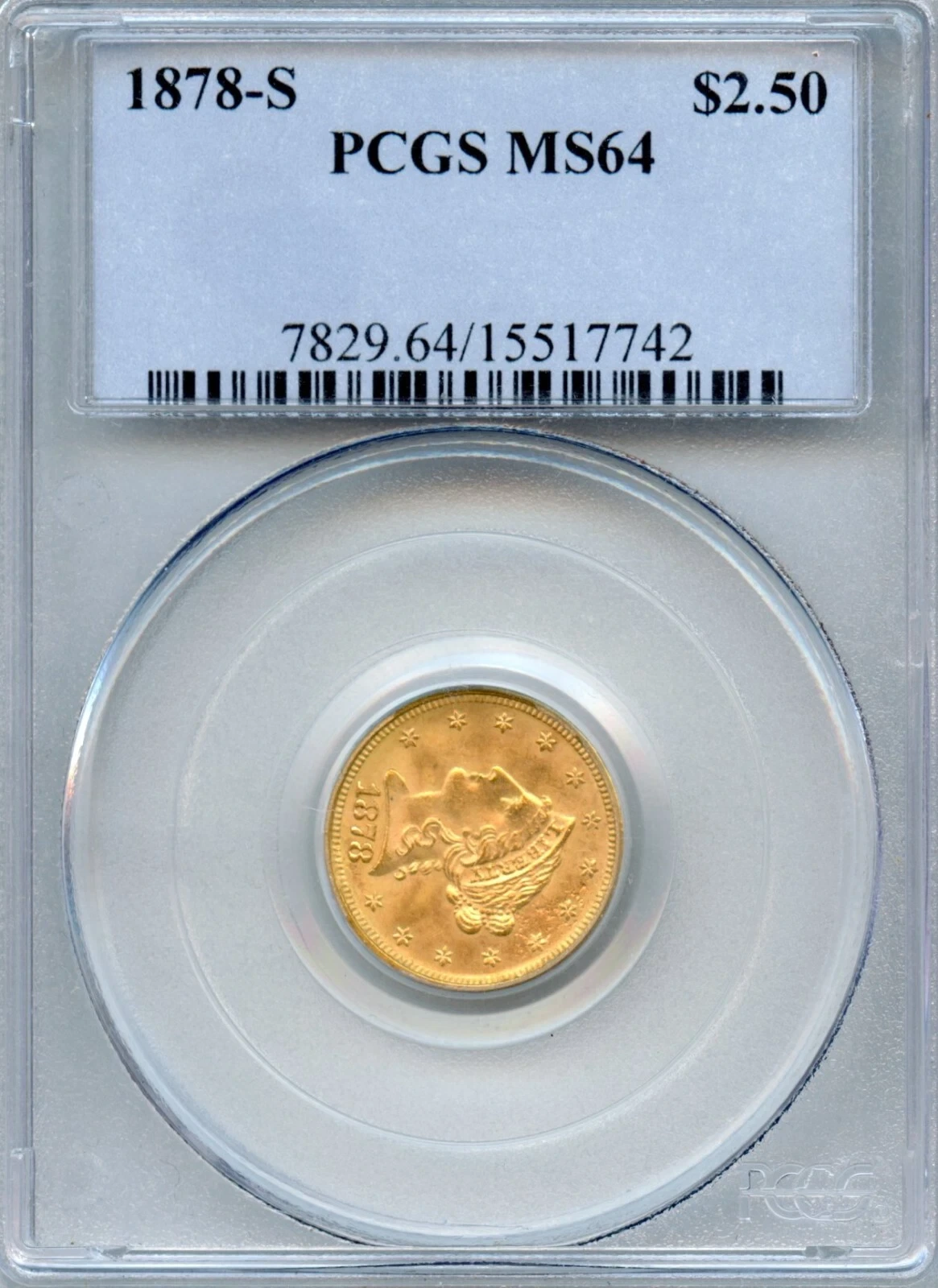
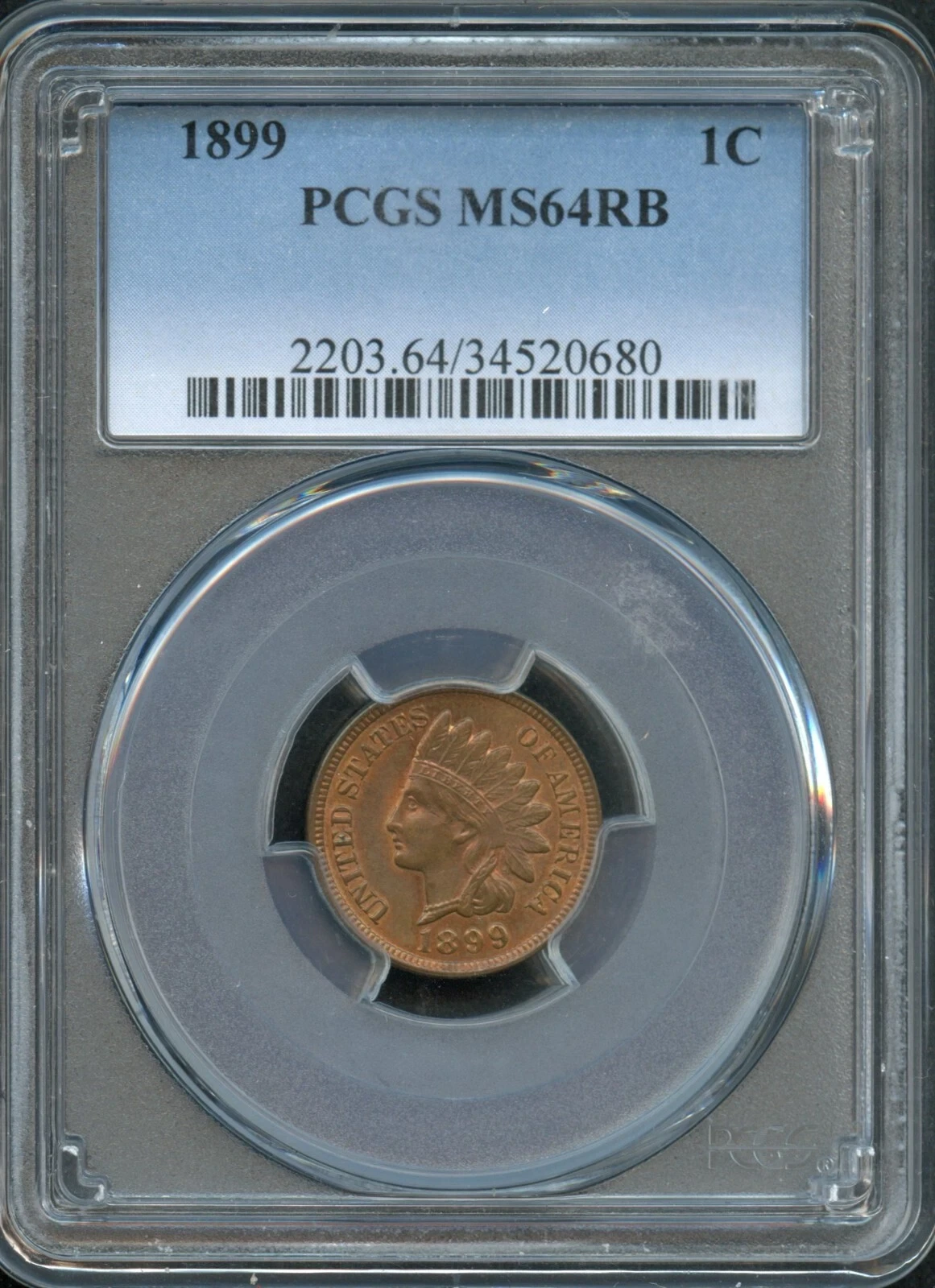
Copy grade prefix, number, mintmark, subtype and any assigned variety. Store a full-holder image with the certification number, plus separate coin photographs for study. These images complement each other rather than competing for one job.
When a listing and certification record differ, resolve the specific discrepancy before relying on the description. A mismatch may concern a simple transcription, denomination or a more consequential attribution. Do not silently choose whichever wording makes the coin fit your checklist.
For a two-series display, explain whether you selected representative types, a particular mint or comparable circulation wear. A clear collecting purpose makes the group intelligible even when its grades are not uniform.
Sources & further reading
Primary references for the terminology and factual details discussed above.
Explore the actual listings.
Read the item description, photographs, condition notes and terms on eBay. Selection and availability change.
Browse Current Coins Inventory ↗Explore Collectible, Vintage & Graded Coins ↗