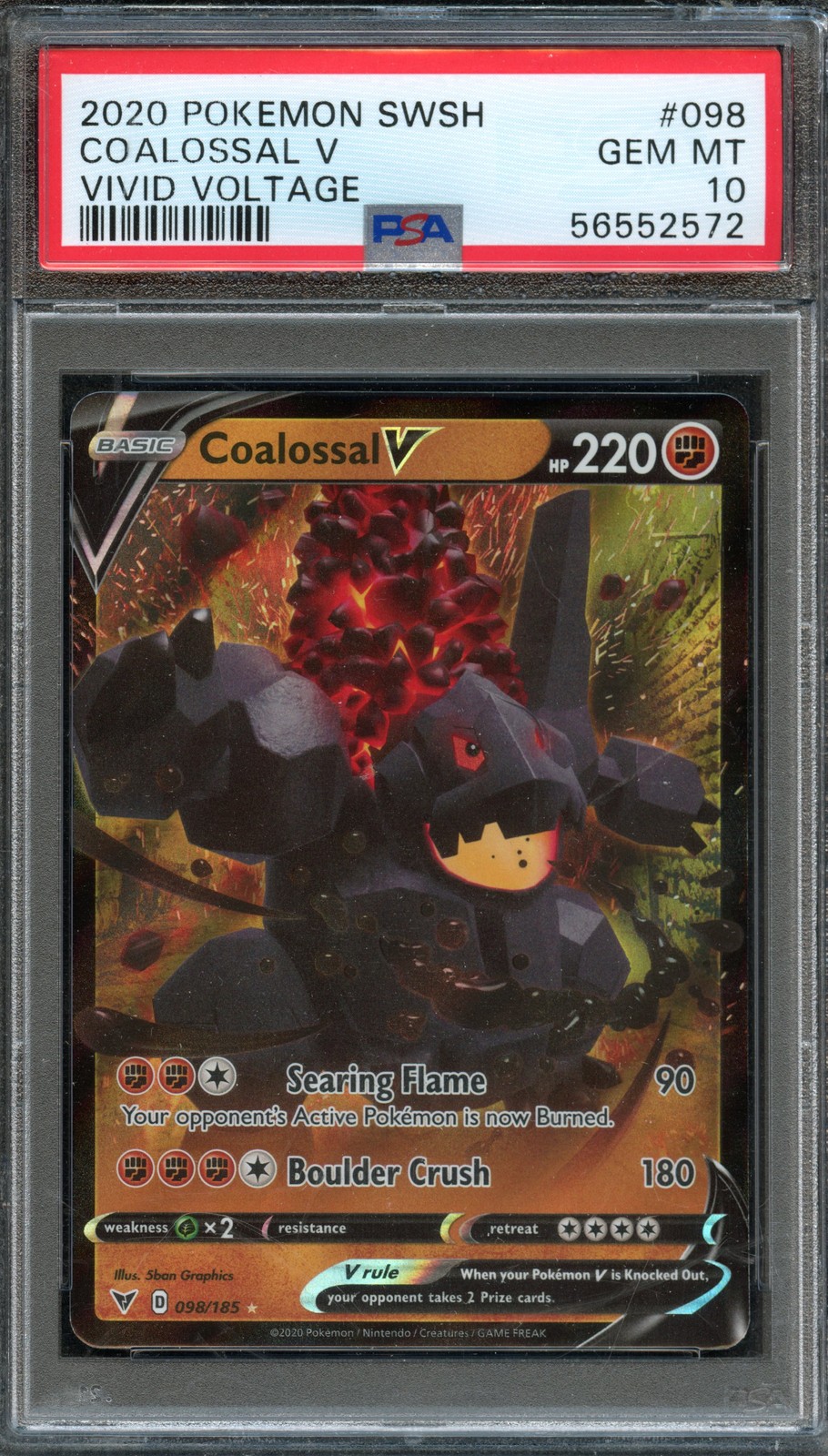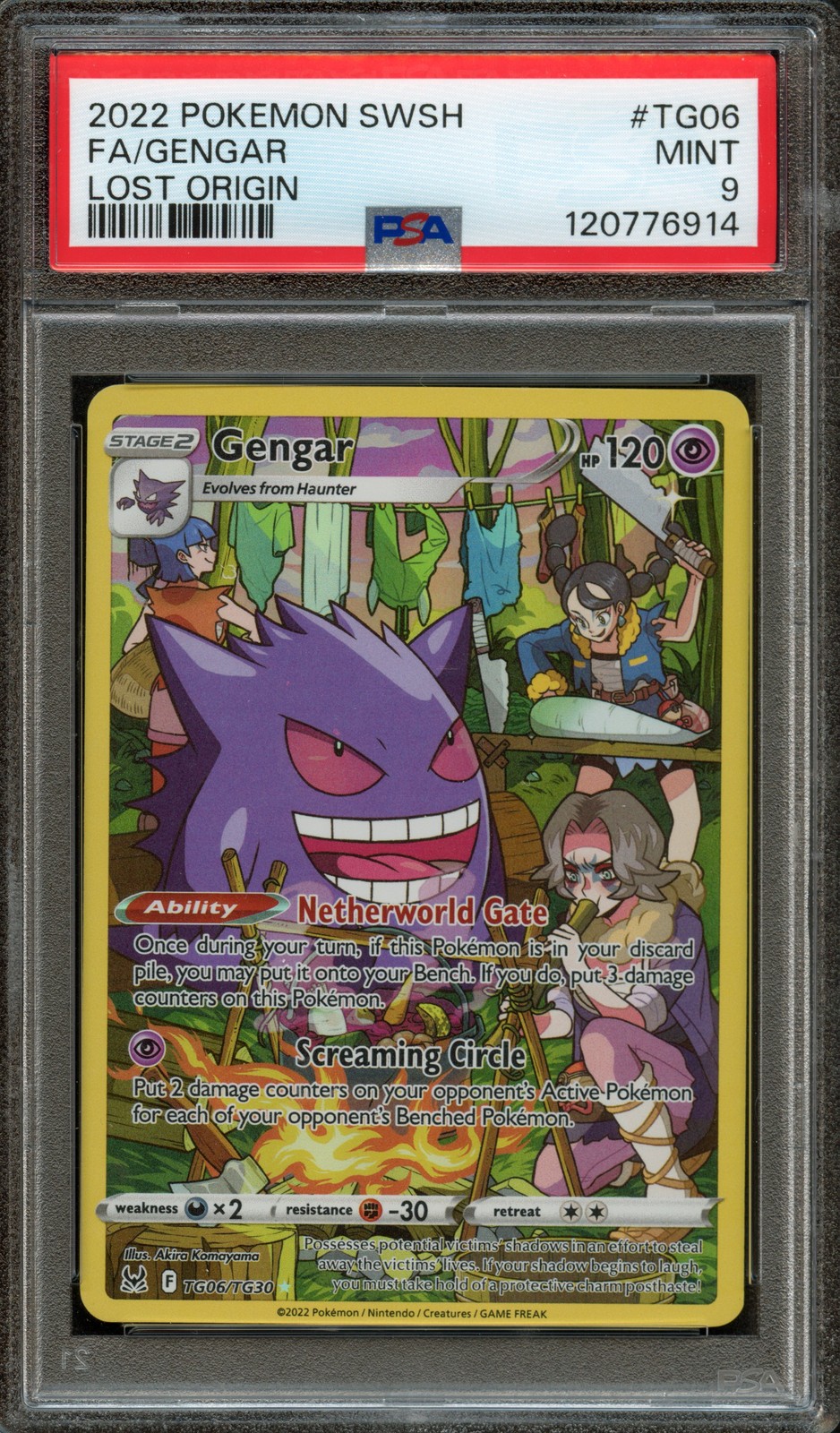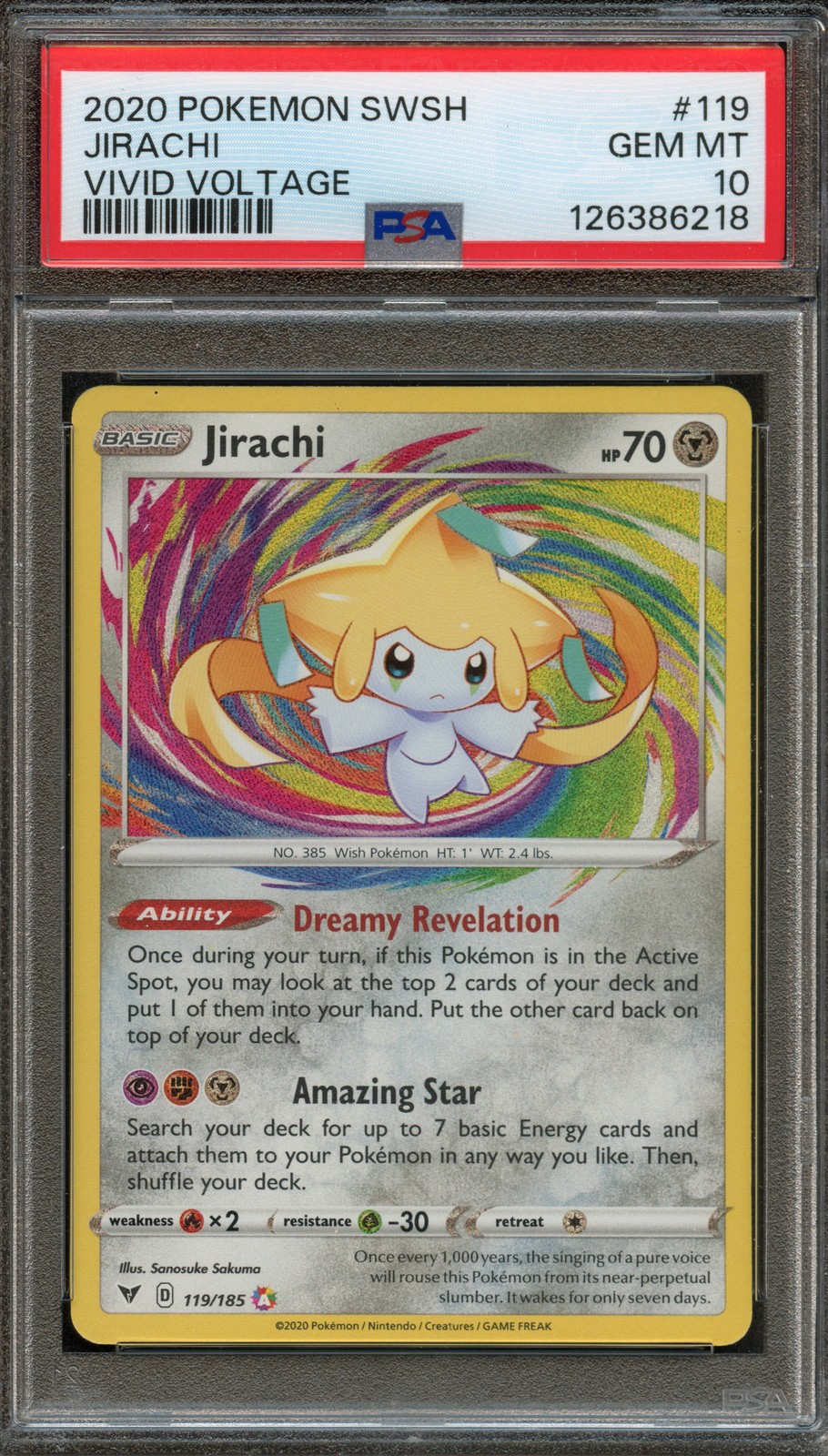
The published standard
PSA describes a 10 as virtually perfect, with sharp corners, original gloss and no staining. Its current published centering allowance is approximately 55/45 on the front and 75/25 on the reverse. A slight printing imperfection may be allowed if it does not detract from overall appeal. Check PSA's standards directly when evaluating a submission.
Those tolerances are a framework, not a home grading formula. Measuring the borders cannot establish a grade without evaluating the rest of the card. A centered card with a surface problem is still a card with a surface problem. PSA also acknowledges a judgment component in grading, so an online calculator or photograph cannot guarantee the result.
Why two cards with the same grade can look different
Begin with your own viewing priorities. One collector notices alignment immediately; another is drawn to strong color and a clean-looking holographic image. A grade places cards into a condition category, but it does not replace inspecting the particular copy you will own. Ask for photographs of both sides, with the full card and label visible.
Keep viewing conditions consistent when comparing listings. A brightly lit scan, a phone photograph through a sleeve and a photo of an angled slab can make similar cards appear different. Reflections may resemble scratches, while harsh exposure can hide them. If an apparent issue affects your decision, request a close-up or an additional angle before purchasing.
A PSA 10 is not a rarity category
A condition grade and a production identity answer separate questions. A PSA 10 of one printing is not automatically a close substitute for a different printing with the same Pokémon and artwork. Set, language, edition, finish and card number must match before a price comparison becomes useful. This distinction is especially important when search results combine vintage cards with later recreations of familiar artwork.
Population data can add context, but it describes the certifications recorded by a grading company rather than an inventory of every surviving raw card. A population count can change. A low count alone also says little about how many collectors want the item. Use the information to frame a question about availability, then look at actual listings and completed sales for the same issue.
Comparing a PSA 9 and a PSA 10
First decide what the collection is meant to accomplish. If you want a favorite illustration on display, a lower graded copy may satisfy that goal. If you are building a uniform set in a particular grade, consistency may matter more. Neither goal is inherently better; problems arise when a price premium is paid without knowing what that premium contributes to the collection.
Compare the total purchase prices of available copies and inspect their images independently. Avoid assuming there is a standard percentage premium between grades. The difference can vary by card and over time. A seller's asking price is also different from a completed sale. Review multiple relevant transactions when available and note any unusual presentation, signature or condition disclosure that weakens the comparison.
Reading the label and checking the listing
A useful label review includes the card's name, year or issue, number, variety, grade and certification number. Check the number through PSA's own verification page and compare any displayed images. Then confirm that the pictured holder and card match the seller's description. If the title and label disagree, resolve the discrepancy before paying.
For an expensive purchase, save the listing photographs and the description you relied on. On arrival, photograph the unopened packaging and the item, then compare it with those records. A cracked holder or unexplained mismatch deserves prompt attention through the seller or marketplace's applicable process. Do not open the slab while trying to investigate a problem.
Protect the condition after purchase
A high grade does not eliminate the need for sensible storage. Keep a record of the certification number, give the holder a dedicated location and reduce unnecessary movement. A fitted outer sleeve can act as a replaceable contact layer for the slab, while a supportive box or case keeps multiple holders from moving around.
Choose the storage location before choosing the display accessory. A shaded interior shelf is a more controllable setting than a sunny window. For a display collection, rotate items deliberately and keep the storage plan simple enough to follow after every viewing. Archive Armor offers protective graded-card slab sleeves; confirm the specific product fits your holder before ordering.
Common questions
Does PSA 10 mean absolutely flawless under any magnification?+
No. PSA's published Gem Mint standard includes limited allowances and an assessment of overall appearance. It is a defined grading category, not an unlimited promise of microscopic perfection.
Can I predict a PSA 10 from a photograph?+
A photograph can reveal obvious issues, but it cannot reliably show every surface defect or establish the final grade. Treat a prediction as an estimate.
Sources & further reading
Primary references for the terminology and factual details discussed above.
Explore the actual listings.
Read the item description, photographs, condition notes and terms on eBay. Selection and availability change.
Browse Current Pokémon Inventory ↗Explore Graded & Collectible Pokémon Cards ↗