Read each grading scale on its own terms
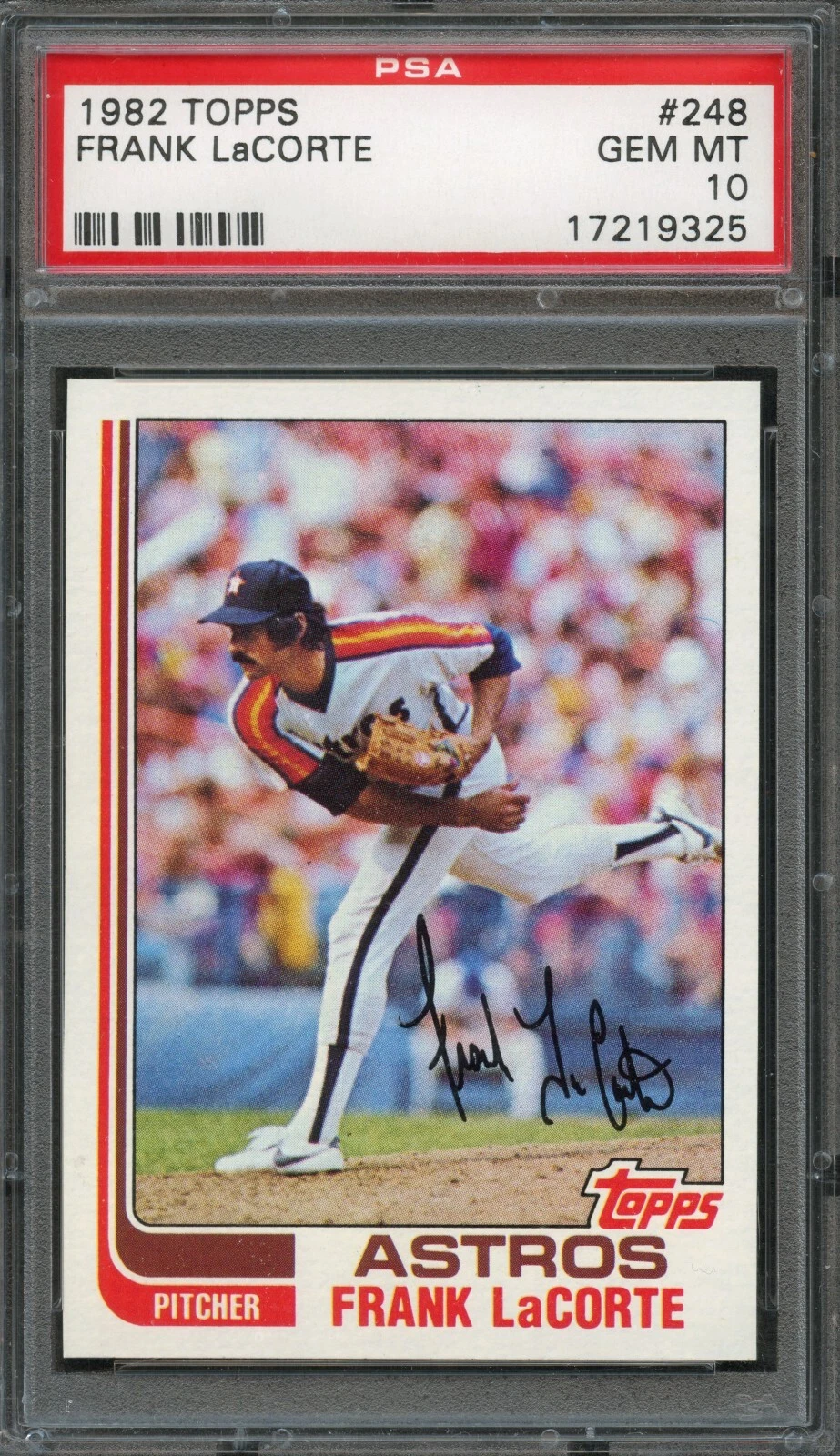
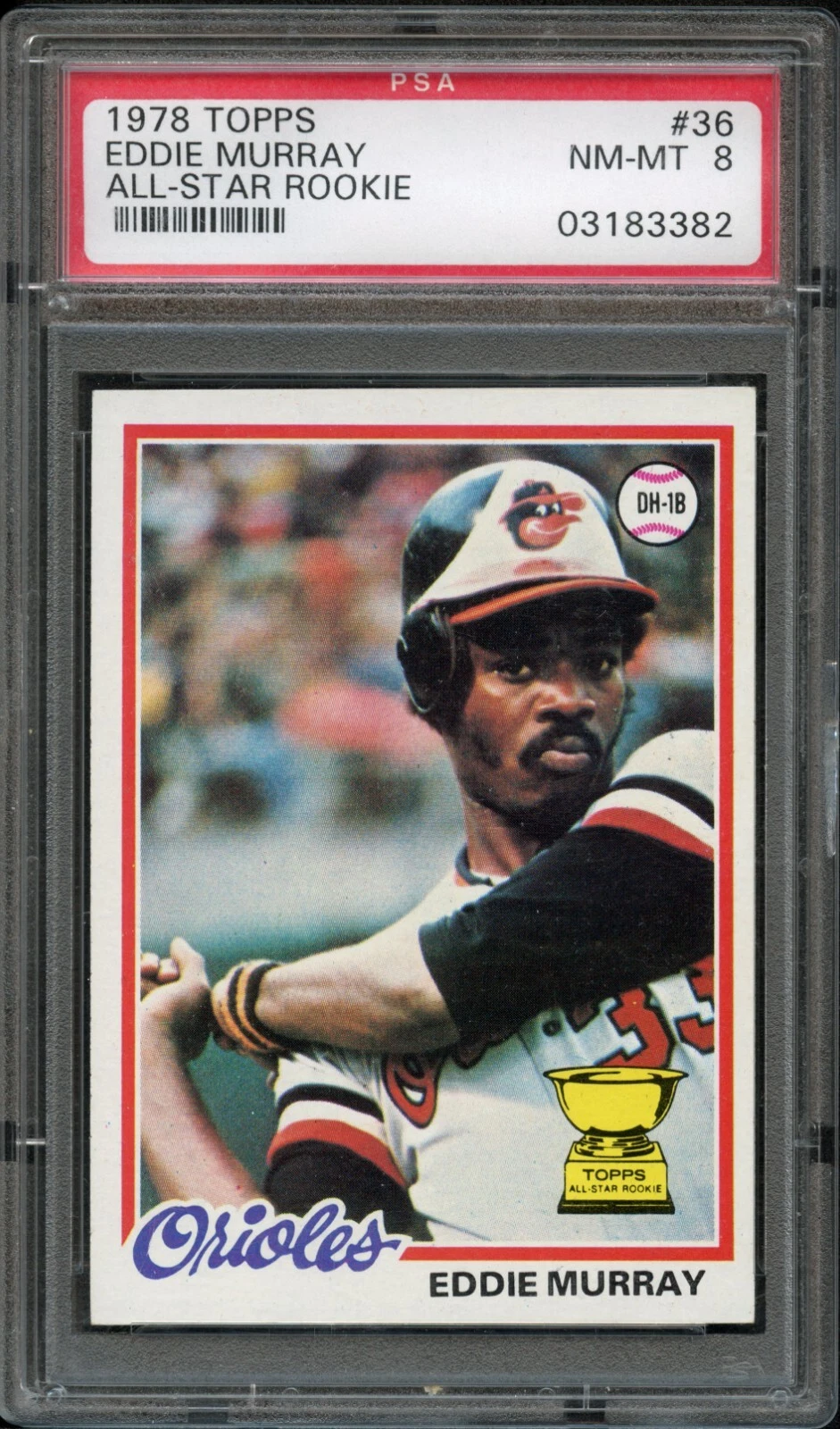
PSA uses Gem Mint 10 and Mint 9 terminology. SGC distinguishes Gem Mint 10 from Pristine 10. Beckett’s BGS scale uses Gem Mint 9.5 and Pristine 10; its Black Label designation is associated with four 10 subgrades. These distinctions make a bare number such as 10 incomplete without the company and designation.
Do not build a mechanical conversion chart that promises the same card will receive a particular grade at another company. A crossover is another assessment under the receiving service’s standards and procedures. Similar descriptive terms are useful for understanding the system, but they do not guarantee an identical outcome.
Older holders can introduce additional label or scale differences. Read the exact holder in front of you and use the relevant company’s reference material. Do not assume that an older label’s appearance establishes either a stronger or weaker assessment.
PSA: overall grade and certification identity
For a PSA card, check the full issue description, numeric grade or other designation, and certification number. The overall grade supplies a summary; it should not be treated as a separate score for each corner, edge or surface area. Review any additional information available for the particular certification.
If a collection is intended for a specific registry, check that registry’s eligibility and checklist rules directly. Buying a holder from a familiar company does not by itself establish that every variation or label description will fit the category you have in mind.
For ordinary purchasing, compare the physical example and verified identity rather than choosing solely for label familiarity. A card is still an individual object with its own centering, printing and wear pattern.
SGC: read the grade and the designation
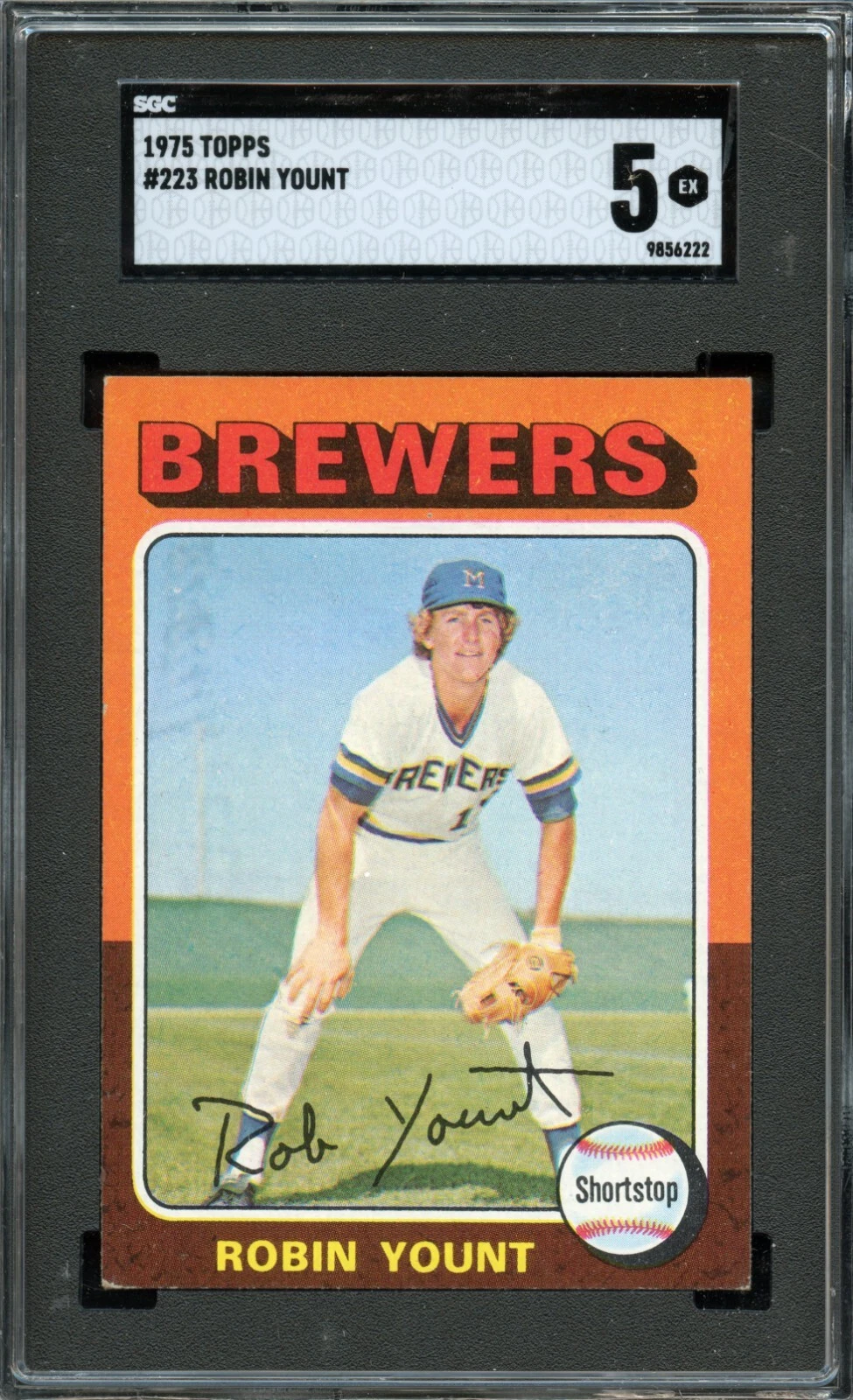
An SGC 10 description needs to distinguish the Gem Mint and Pristine designations. Read the label rather than allowing a listing title to collapse both into one term. Verify the certification through the company’s available tools and compare the result with the actual card and holder.
A holder’s presentation can matter to a collector who values a uniform display. Treat that as a visual preference, separate from claims about grading strictness or future sale price. If you are buying for a themed collection, look at how the entire group will be displayed and stored.
When comparing an SGC card with a PSA or BGS example, identify the exact issue first and then evaluate the actual condition. The company name is part of the description, not a replacement for the card itself.
BGS: subgrades can add useful detail
BGS is associated with subgrades for centering, corners, edges and surface. When those subgrades appear, read them individually. A card with one lower component can present differently from another card with the same overall grade and a more even set of components.
Do not assume the final grade is simply the arithmetic average of the displayed numbers. Beckett has described examples where a weaker component constrains the result. The company’s own grading criteria should govern interpretation rather than a home-made rounding rule.
Some Beckett holders or services may present information differently, so inspect the specific label. Also distinguish BGS from other Beckett-branded grading designations instead of treating every label bearing the Beckett name as an identical system. Exact service identity belongs in a serious comparison.
Choose a submission service around the actual task
First confirm that the company accepts the item’s size, type and issue. Then review the service you need: card grading, autograph authentication, autograph grading, crossover, review or reholder. Those are different tasks with different outcomes.
Next compare complete costs, declared-value rules, packaging requirements, shipping arrangements and estimated turnaround time. These terms change, so verify them directly before submitting. A historical reputation for speed or a fee remembered from another year is not a current quotation.
Finally consider the collection’s purpose. An existing registry, a uniform display or a sale into a particular collecting niche may influence the choice. Explain that reason to yourself explicitly rather than assuming the most frequently discussed company is automatically the correct answer.
Use actual comparable sales for market questions
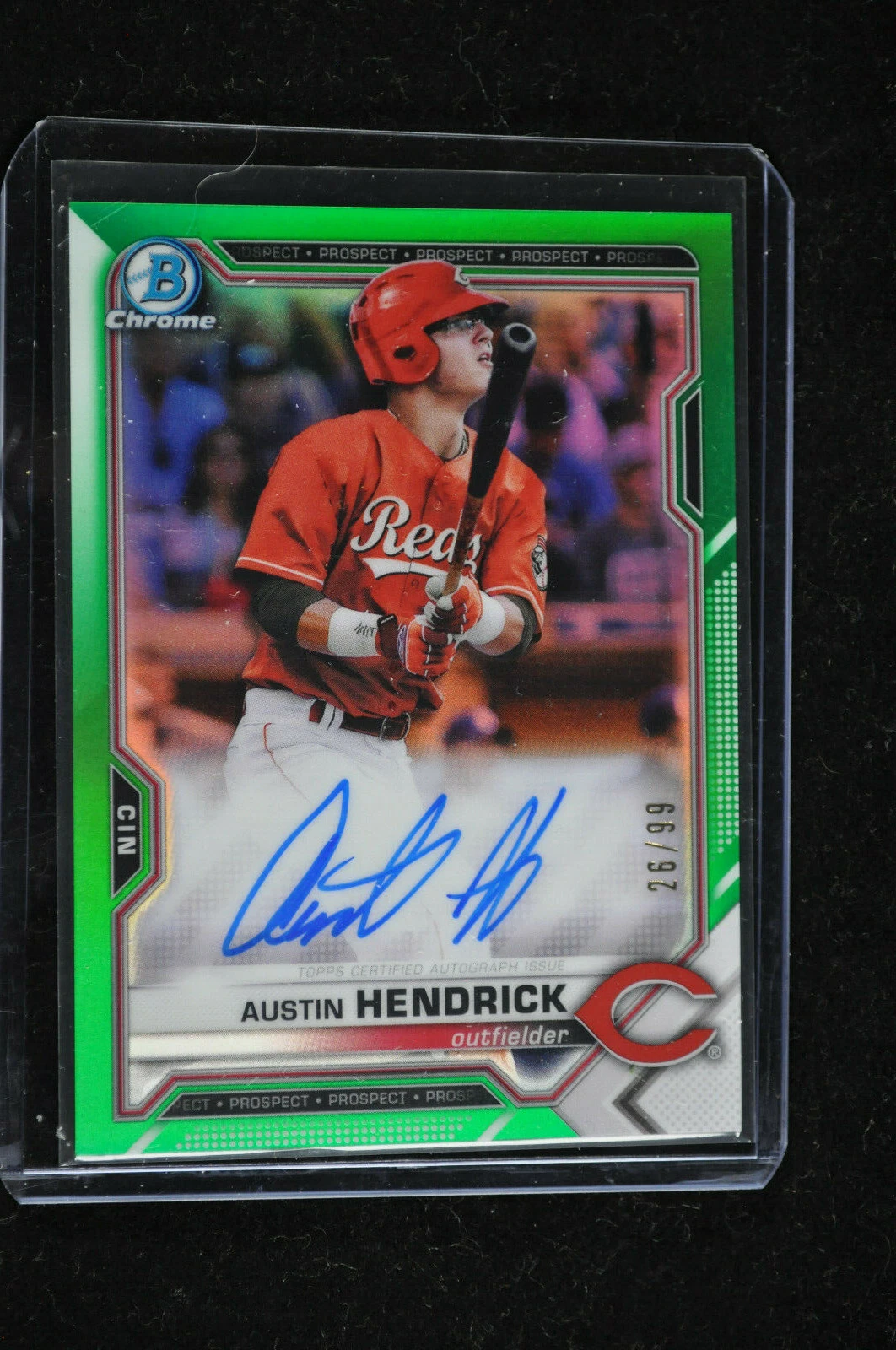
Claims that one holder always commands a fixed premium are too broad to guide a purchase. Compare completed transactions for the exact card, relevant version and actual grade designation. A vintage common, modern parallel and signed rookie can have different buyer preferences.
Keep the number of usable comparisons visible. If only one or two examples exist in the search, the evidence is limited. Do not turn a thin sample into a confident ranking. Also account for individual eye appeal, holder condition and transaction terms before attributing an entire price difference to the company name.
The purpose of this comparison is to understand the purchase in front of you. It does not establish which cards or holders will appreciate.
Understand what crossover can and cannot accomplish
If you prefer a different holder, investigate the receiving company’s crossover service and minimum-grade options where offered. Read what happens if the card does not meet the requested standard. Do not assume a card will transfer at the same number or descriptive grade.
Opening a holder to submit the card raw changes the risk and documentation. The card can be damaged during removal, and the existing certified presentation no longer remains intact. A planned crossover and a speculative crack-out are not the same practical decision.
Before attempting either, decide whether the change offers enough benefit for the time, cost and uncertainty. For a personal collection, keeping a card you already enjoy in its existing holder may be the simpler choice.
Apply the comparison to live listings
TrendingArt’s sports-card listings may include different grading services over time. Read each individual description rather than assuming a category page promises one uniform holder or grade. Compare certification information, complete photographs and the actual card identity before buying.
The related raw-versus-graded and grading-process guides provide the next layer of detail. A precise description should always include the company, grade, designation and issue. That four-part description is more useful than saying a card is a 10 without context.
Common questions
Is a BGS 9.5 automatically a PSA 10?+
No. The grade terminology is different, and a receiving company performs its own assessment. No conversion is guaranteed.
Which company is best for every card?+
There is no useful universal answer. Consider the specific issue, service eligibility, collection goal, total cost and evidence from that card’s market.
Are all 10 labels equivalent?+
No. Company and designation matter. SGC distinguishes Gem Mint and Pristine, while BGS and PSA use their own grade terminology.
Sources & further reading
Primary references for the terminology and factual details discussed above.
Explore the actual listings.
Read the item description, photographs, condition notes and terms on eBay. Selection and availability change.
Browse Current Sports Cards Inventory ↗Explore Graded & Collectible Sports Cards ↗