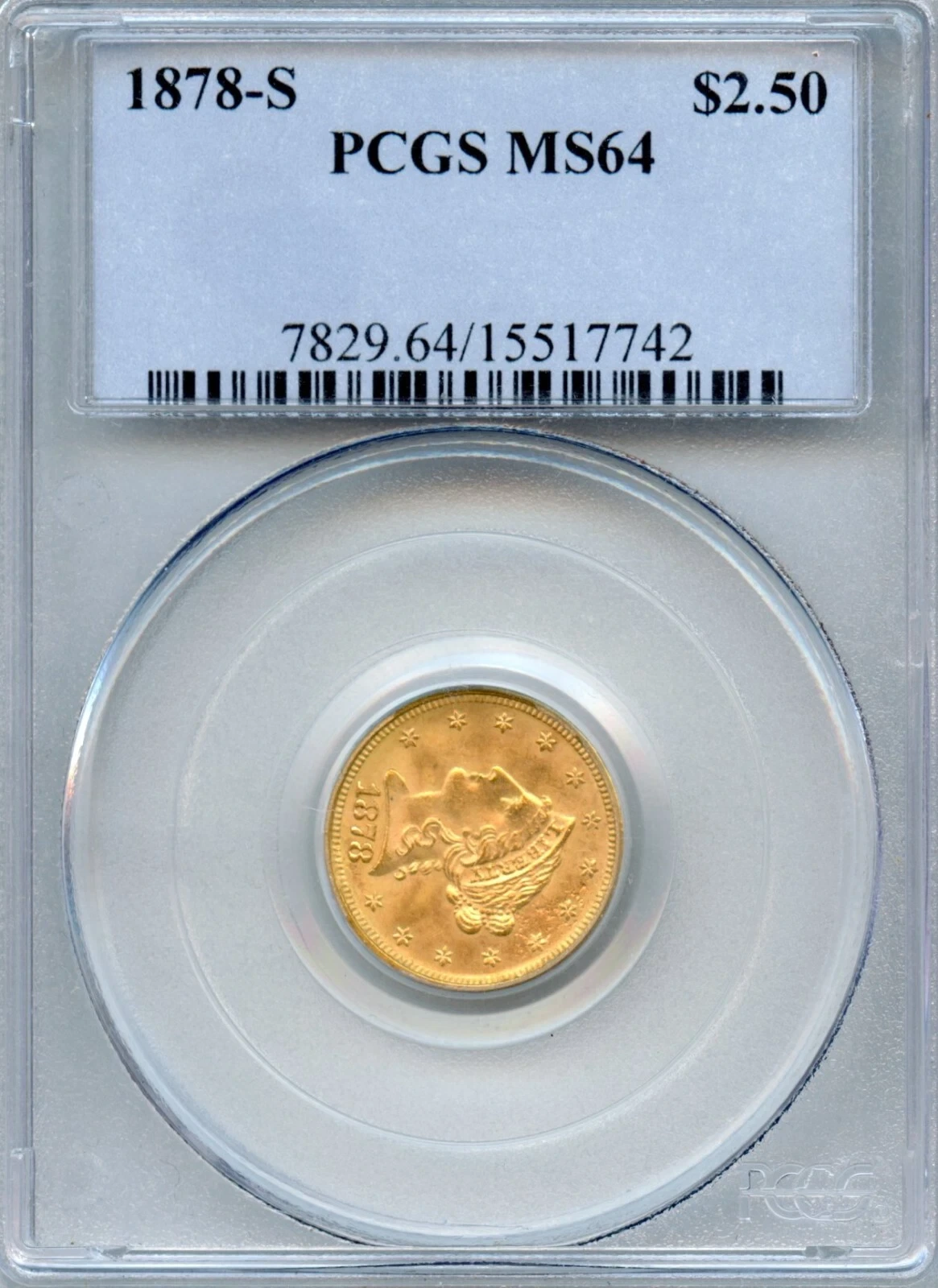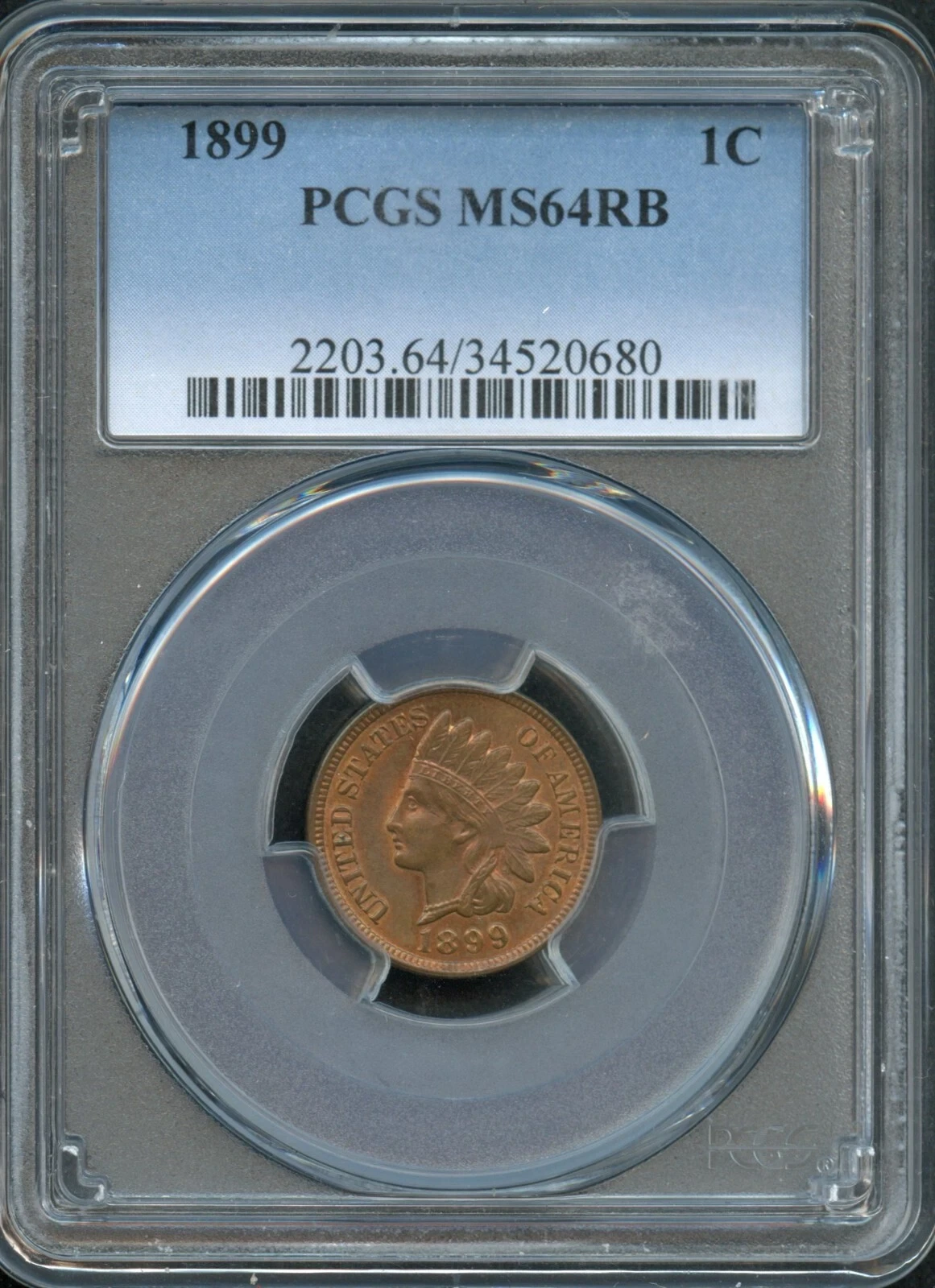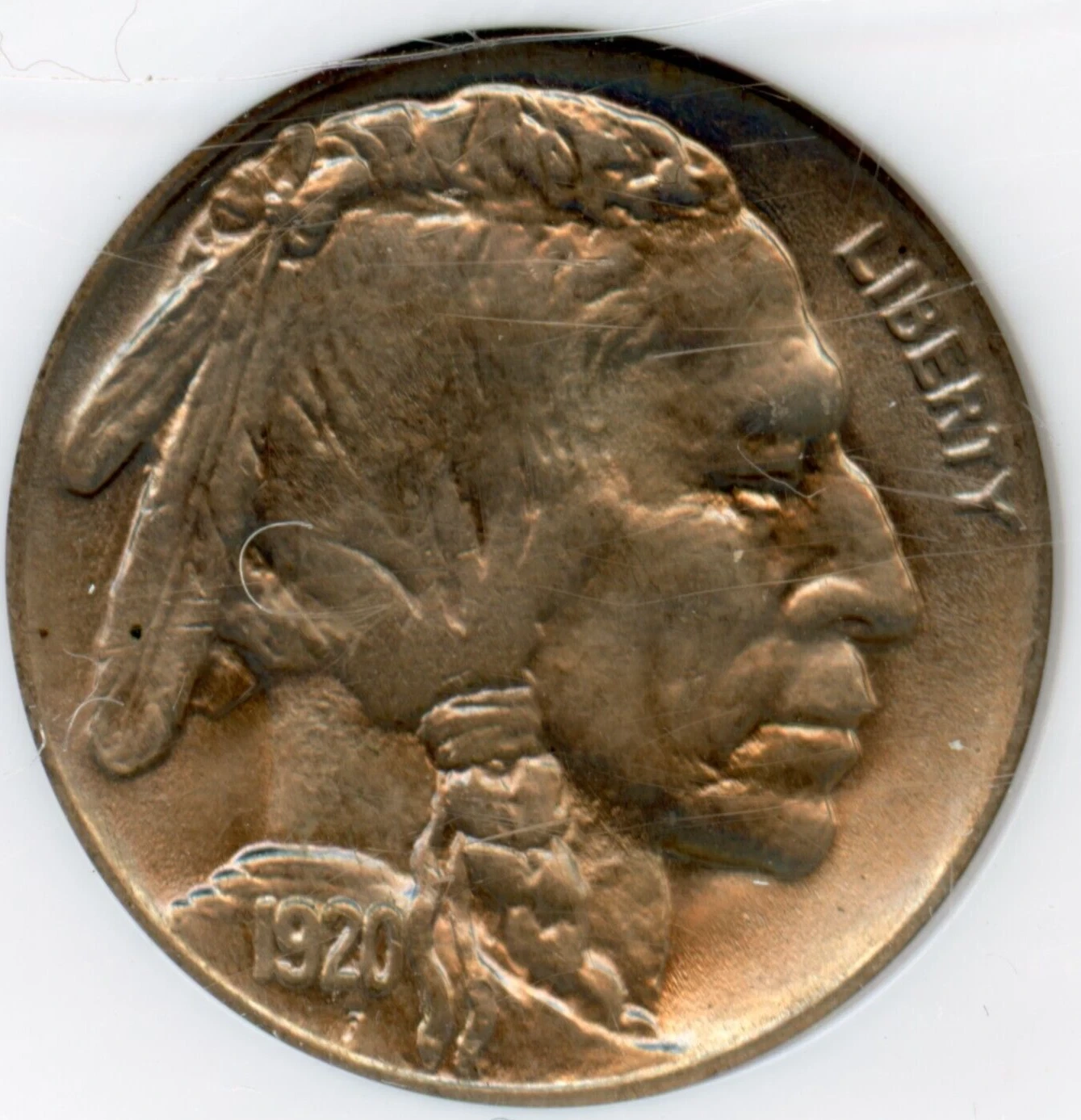
A compact series with two introductory types
James Earle Fraser designed the Buffalo nickel, issued from 1913 through 1938. The first 1913 reverse placed the bison on raised ground with the denomination on that raised area. A revised reverse recessed the denomination. Collectors distinguish the two as Type 1 and Type 2, and the difference matters when identifying a 1913 example.
A two-type comparison is a clear small project: choose examples that make the reverse differences easy to see. You can also collect one representative nickel, a selected group of dates, or a date-and-mint set. Write the type alongside the date on your checklist so that two differently designed 1913 coins do not accidentally become a duplicate purchase.
Start with the date and mint mark
Read the date on the obverse before assessing how complete the rest of the design appears. If a photograph does not let you distinguish the digits, mark the date as unresolved. A listing title can tell you what the seller identifies, but it does not replace an image that supports the identification.
A Buffalo nickel's D or S mint mark, when present, is on the reverse below FIVE CENTS. A close-up of this area is useful when selecting a particular mint. Do not treat a shadow, stain or indistinct mark as conclusive. If a coin is certified, compare the holder's attribution with both photographed sides and the certification record.
Separate readable detail from surface quality
Inspect the portrait, date area, bison and rims as a complete object. A strong-looking horn or clear outline is useful visual information, but one isolated feature should not be used to assign the entire coin a grade. Look also for scratches, unusual patches of texture, corrosion or other features that need explanation.
Photographs taken straight on can be less revealing than a second image with slightly different lighting. For a date that appears unusually distinct against a worn coin, ask whether the seller knows of treatment or restoration. Record the answer. The goal is an accurate description of the specimen you want to own, not a contest to find the most optimistic adjective.
Be deliberate about varieties
Variety collecting asks a narrower question than filling a date slot: does this coin display the specific diagnostic features of a recognized variety? Begin with the attributed variety name and a specialist reference, then seek photographs of the relevant areas. A suggestive image or unusual-looking detail alone is a weak basis for assigning a variety.
For an initial collection, it is reasonable to keep a separate wish list for varieties while learning ordinary examples first. Side-by-side comparison develops a better eye for which features belong to the design, which result from wear and which require further study. Avoid letting a dramatic listing title turn an identification question into an assumed fact.
Choose a collection you can document
A simple record should include the date, mint, 1913 type where applicable, whether the coin is raw or certified, and the specific observations behind your choice. Save both sides of the coin's photographs. For an album project, measure your success by the clarity and consistency of the group rather than by how quickly every opening is filled.
TrendingArt's eBay inventory is the place to confirm individual Buffalo nickel listings and their terms. Read the full description for treatment or condition disclosures. If a detail needed for your collection cannot be established, ask before buying or keep the slot open. An unanswered question is more useful than an incorrect entry in your collection record.
Common questions
Is every 1913 Buffalo nickel the same type?+
No. Both raised-ground Type 1 and revised Type 2 reverses were issued in 1913. Review the reverse when identifying the coin.
Can I identify a Buffalo nickel from the portrait alone?+
The portrait helps identify the series. It does not establish the date, mint, variety or condition of the particular specimen.
Sources & further reading
Primary references for the terminology and factual details discussed above.
Explore the actual listings.
Read the item description, photographs, condition notes and terms on eBay. Selection and availability change.
Browse Current Coins Inventory ↗Explore Collectible, Vintage & Graded Coins ↗