Learn the main types before filling dates
Indian Head cents replaced Flying Eagle cents in 1859 and continued through 1909. PCGS separates the series into the 1859 no-shield type, the 1860–1864 copper-nickel type and the 1864–1909 bronze type. The 1859 reverse differs from the later shield-and-wreath design, and 1864 includes both compositions.
For a type collection, these transitions can be more useful organizing points than a long uninterrupted date list. Create distinct entries for the examples you intend to collect. If you are researching 1864, require the listing to identify the composition; the date by itself does not settle which type is offered.
Treat mint-mark claims carefully
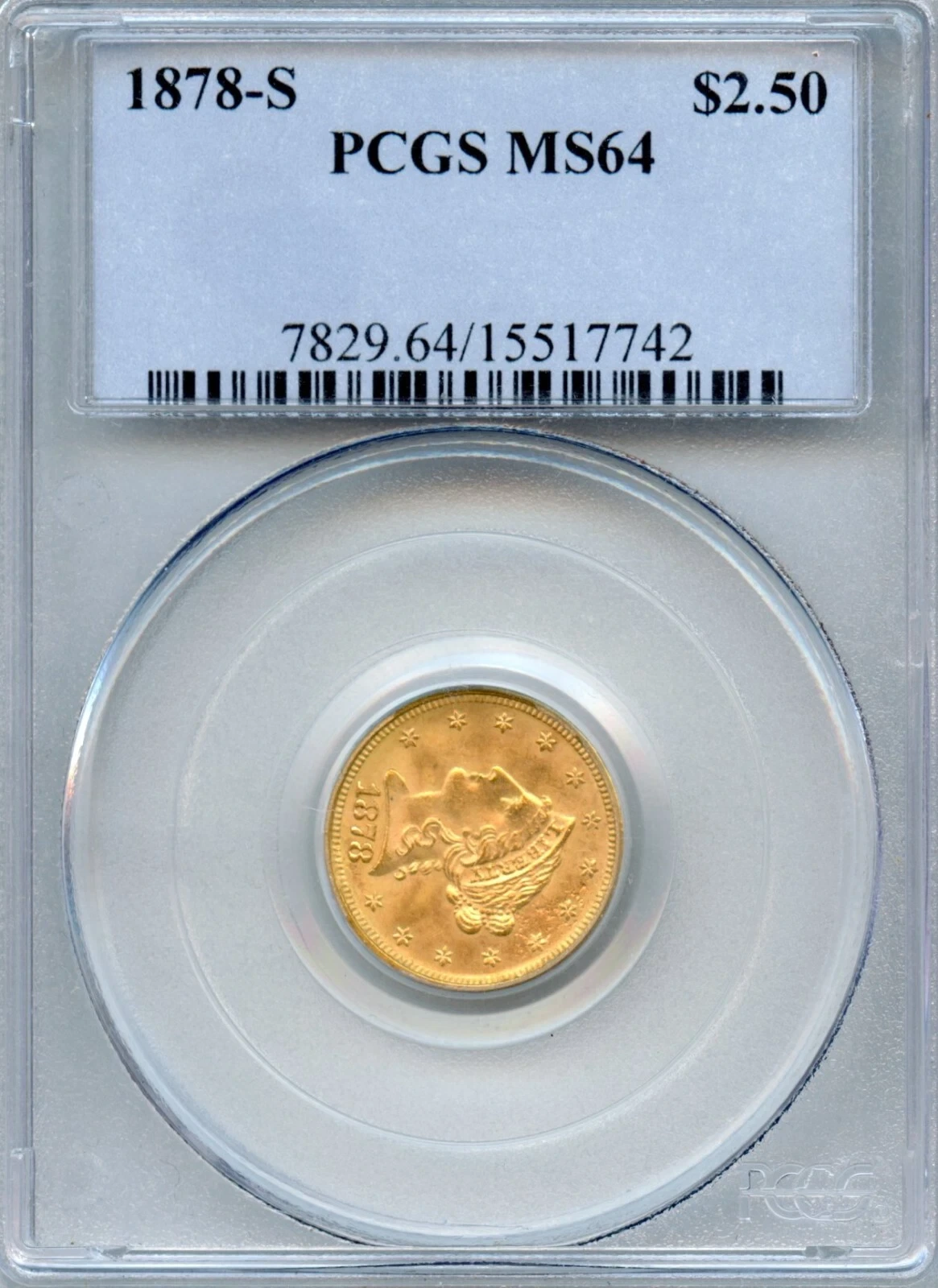
San Francisco struck Indian cents in 1908 and 1909, producing the series' S-mint issues. A specific branch-mint attribution should be supported by clear photographs and, when certified, a matching holder and certification record. Do not assume an indistinct mark on a worn reverse is enough to settle the identification.
PCGS has documented added mint marks used to imitate these San Francisco pieces. That does not make every raw example suspect, but it explains why attribution deserves a separate examination from general attractiveness. If the particular mint is the reason for the purchase, put that question at the top of the review rather than treating it as a minor footnote.
Understand color without chasing brightness
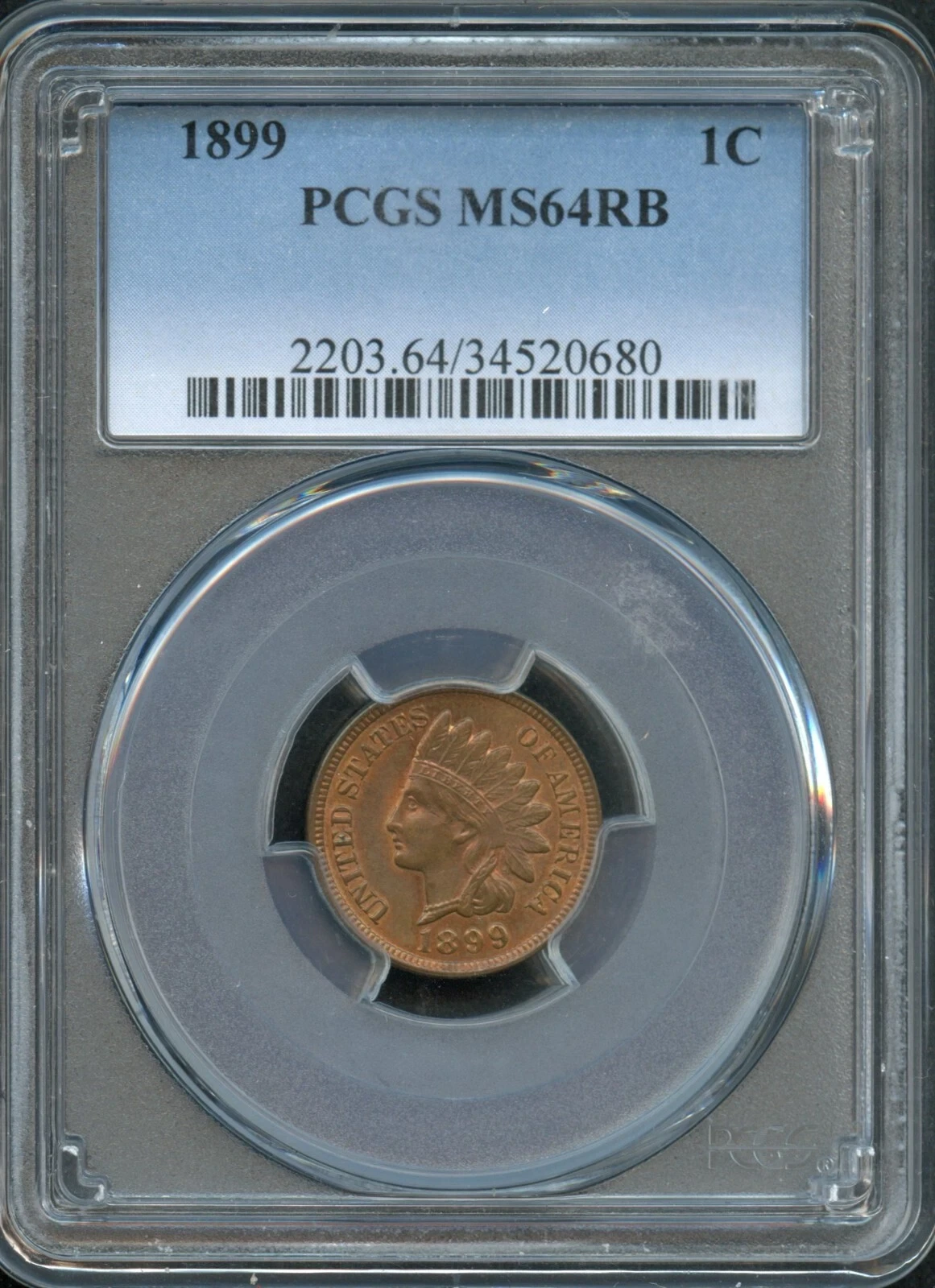
Certified copper coins may carry BN, RB or RD color designations: brown, red-brown and red. Read these alongside the numerical grade. They describe a different aspect of the coin from the amount of wear, so a color abbreviation should not be mistaken for a complete condition assessment.
Photographs can shift color through lighting and white balance. Compare the entire surface, including dark patches, spots, scratches and texture, rather than searching for the brightest-looking cent. A collection of evenly colored brown examples may suit your taste better than a mixture chosen to maximize label color. That is a collecting preference, not a claim that one color is always superior.
Inspect small details in context
Read the date, then review the portrait, headdress, inscriptions, wreath and rim. Enlarge areas that appear damaged or unusually sharp, but keep a full-coin image available for context. No single letter or feather should substitute for examining the specimen as a whole.
For a raw cent, ask about any disclosed cleaning, damage or surface treatment and retain the response. For a certified coin, read the complete label, including Details wording if present. A clearly disclosed problem may be acceptable for a particular collection, but it should be an informed choice rather than something discovered after the purchase.
Build records around the right distinctions
A useful record includes year, type or composition where relevant, mint attribution, service and grade if certified, color designation and visible condition notes. Take care with repeated dates that can represent different types. Keep supporting photographs with the record so that future comparisons do not depend on a seller's abbreviated title.
Use TrendingArt's linked eBay inventory to see individual Indian Head cent listings and confirm the exact piece offered. Before expanding a date run, compare the raw-versus-graded guide and decide how you want to handle authentication and grading questions consistently. The strongest collection record explains why each coin belongs and what remains uncertain about it.
Common questions
Are all 1864 Indian Head cents the same composition?+
No. The year includes copper-nickel and bronze issues. Confirm the type rather than identifying the coin by date alone.
Does BN mean an Indian Head cent is damaged?+
No. BN is a brown color designation. Damage and other condition problems require their own assessment and may be identified separately on a certification label.
Sources & further reading
Primary references for the terminology and factual details discussed above.
Explore the actual listings.
Read the item description, photographs, condition notes and terms on eBay. Selection and availability change.
Browse Current Coins Inventory ↗Explore Collectible, Vintage & Graded Coins ↗