Know the principal set facts
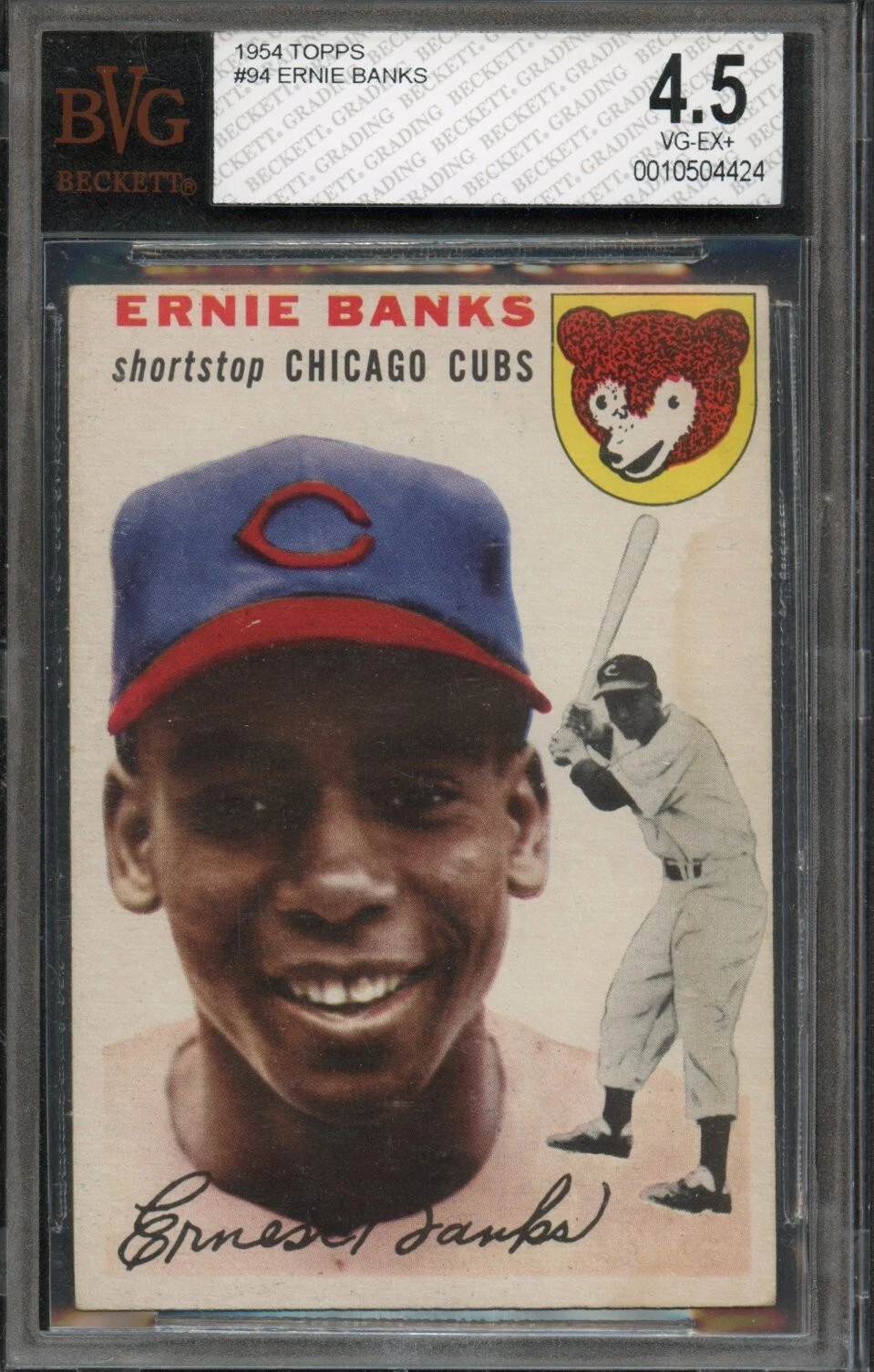
The original set contains 250 cards measuring approximately 2⅝ by 3¾ inches. Ted Williams appears on both the first and final cards. Rookie entries include Hank Aaron, Ernie Banks and Al Kaline. Mickey Mantle is absent from this Topps issue. The design places a portrait and a smaller player image against a colored background, with color extending to the top edge.
These facts help prevent common search mistakes. Do not treat the two Williams cards as duplicates simply because the player and year match. Conversely, a search result described as a 1954 Topps Mantle requires careful clarification because it is not a regular card from this original set.
A rookie-focused project and a complete set are different
The prominent rookie cards can draw attention away from the rest of the checklist. If those players are your main interest, build a defined rookie or player collection instead of assuming that owning several famous cards means a complete-set project is nearly done. Each approach has its own purchase priorities.
A set builder should examine the hardest or most expensive desired entries early, before accumulating a large number of commons. This is a feasibility check, not a recommendation to rush a major purchase. You may decide to use a wider condition range, build a team set first or accept a longer timeline.
A visual collector could instead choose examples representing different background colors, team logos or poses. That approach takes advantage of the set’s design without relying on a ranking of players. The relevant question is whether the selected cards create the collection you want to see.
The top edge needs a different inspection
The colored top edge makes white flecks or abrasion especially visible. Inspect it across its full length, including the corners. A tight crop can hide precisely the area that matters. Request a photograph with a margin around the physical card rather than an image cropped to the printed design.
Centering should be evaluated with awareness of the original layout. You cannot judge the top the same way you would a card designed with four equal white borders. Compare the actual design and proportions with reliable reference images, then look at how the portrait, lower caption and side borders sit within the card.
The solid color fields also make surface disruptions relevant to eye appeal. A wrinkle, mark or abrasion in a broad background may be more noticeable in hand than on a compressed listing image. Multiple lighting angles are useful when a card’s apparent cleanliness is a central part of the purchase decision.
The two Ted Williams cards require exact identification
Record the card number as well as the name. If your project includes both Williams cards, track them separately and compare each with matching examples. A sale of the first card is not a direct substitute for a sale of the final card merely because both depict Williams.
This is a good general lesson for vintage buying: one player can occupy more than one role in a set. A standard player card, a checklist, a tribute or a team image may all be relevant to that player’s collection. The actual card number resolves ambiguity that a short listing title often leaves behind.
Inspect the reverse before judging completeness or condition
Read the card number and player information from the reverse. Check for writing, staining, adhesion damage and paper loss, especially when the front is presented as attractive. A card with a clean portrait and an impaired back can be suitable for a display collection, but the condition description should make that tradeoff explicit.
For a group or set purchase, ask for an inventory of missing cards and major condition exceptions. A seller’s general grade range cannot show which key cards fall below that range or have unmentioned damage. Request separate photographs of the cards that account for a meaningful part of the purchase.
Do not clean a reverse or attempt to lighten a stain. Preservation and alteration are different activities. If a condition feature matters to grading or authenticity, leave it intact and obtain advice appropriate to the actual card.
Compare graded and raw examples with clear expectations
A graded card provides an external assessment and an identifying record, while a raw card leaves more of the evaluation to the buyer. Neither format removes the need for full images. Read numeric grades, qualifiers and Authentic or Authentic Altered designations accurately.
Avoid budgeting on the assumption that a raw rookie card will receive a particular grade after purchase. If the purchase only seems sensible after an optimistic grading outcome, the decision contains a risk that should be acknowledged. Buying the already graded example you actually want can sometimes provide a clearer total cost, but the right choice depends on the card and your purpose.
Turn the guide into a practical want list
Use a checklist that distinguishes both Williams entries and records each rookie card exactly. Add condition priorities such as centered portrait, intact top edge or clean reverse. Those notes make future comparisons faster and keep a set project consistent.
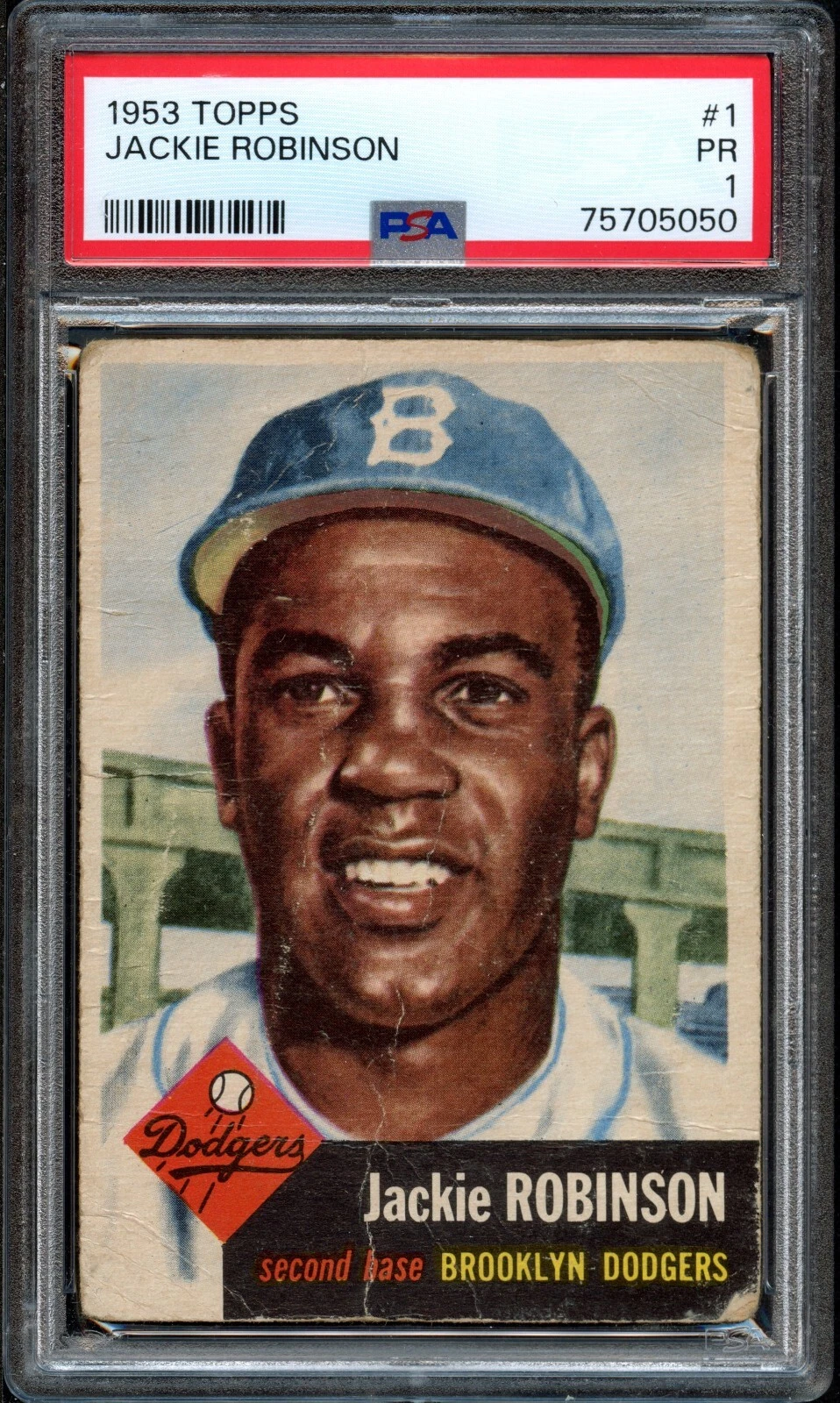
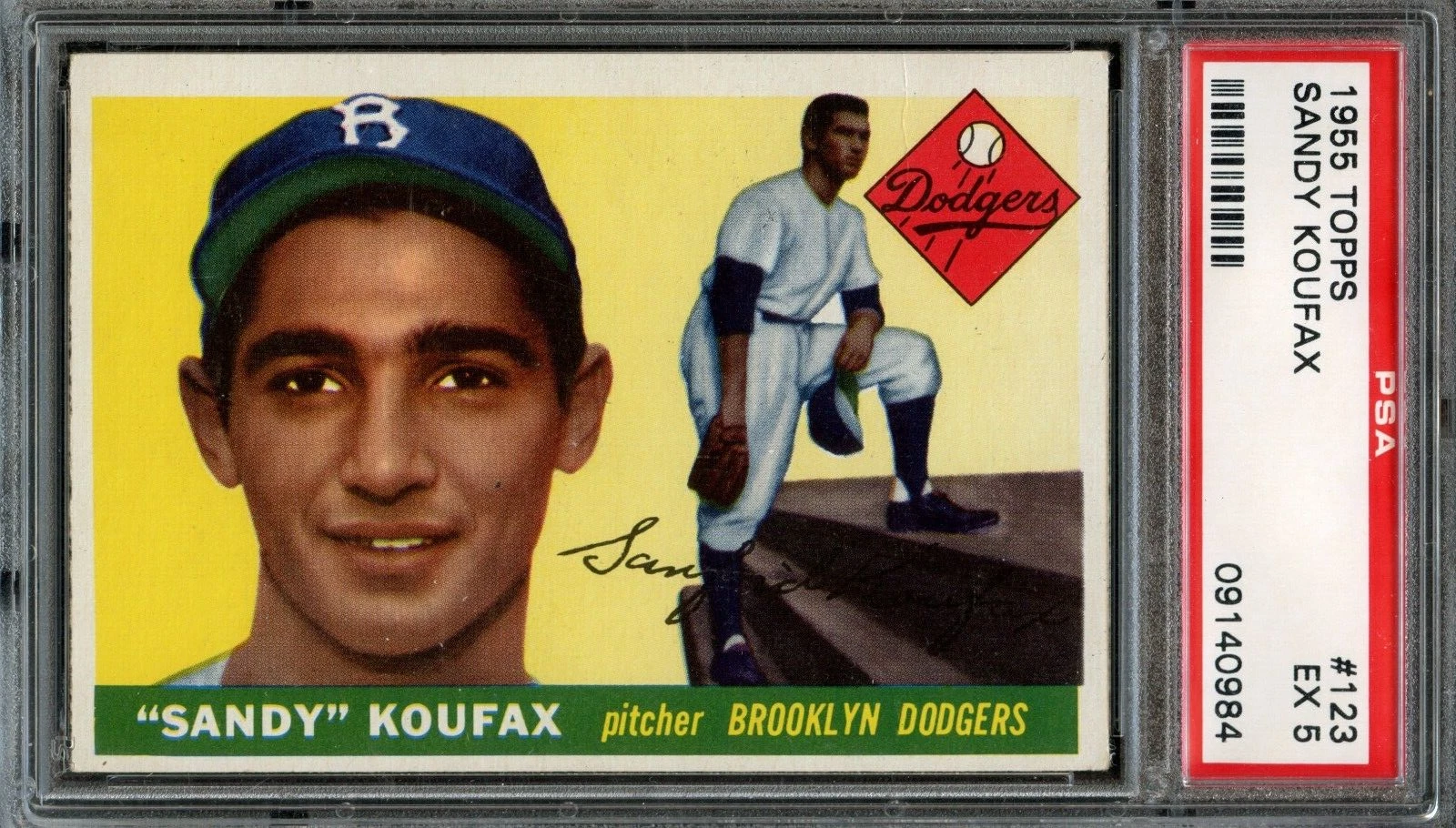
Browse TrendingArt’s vintage baseball collection and follow current eBay listings for specific examples. The listing supplies availability and purchase terms; this guide supplies the questions worth asking. Related 1953 and 1955 guides show how the same collecting era produced substantially different visual and checklist choices.
Common questions
Does the 1954 Topps set include Mickey Mantle?+
No. A listing using those words needs clarification about the actual product and year; Mantle is not in the original regular set.
Why does Ted Williams have two cards?+
The original checklist includes him at number 1 and number 250. They are distinct cards and should be recorded and compared separately.
Sources & further reading
Primary references for the terminology and factual details discussed above.
Explore the actual listings.
Read the item description, photographs, condition notes and terms on eBay. Selection and availability change.
Browse Current Sports Cards Inventory ↗Explore Graded & Vintage Baseball Cards ↗