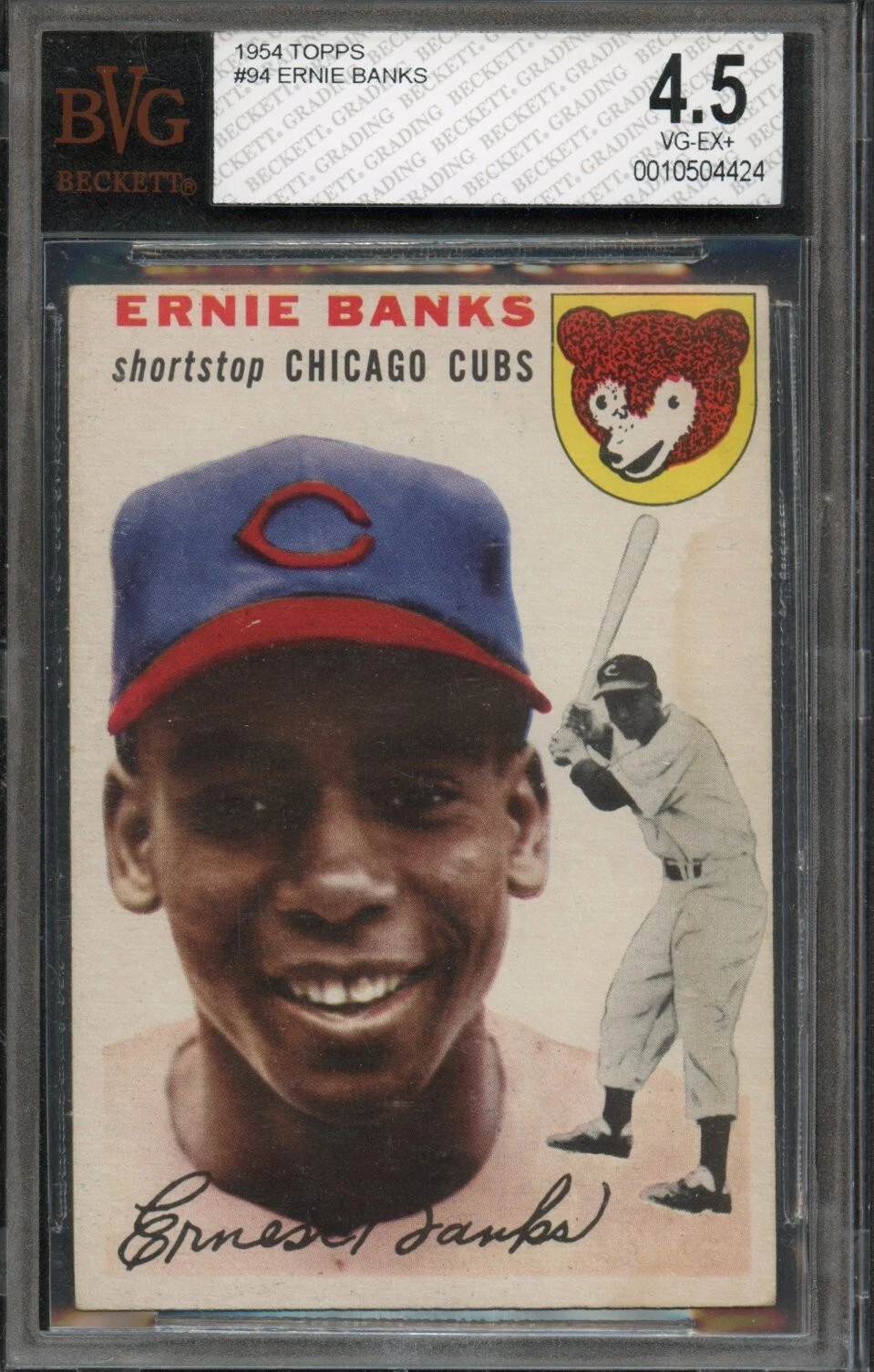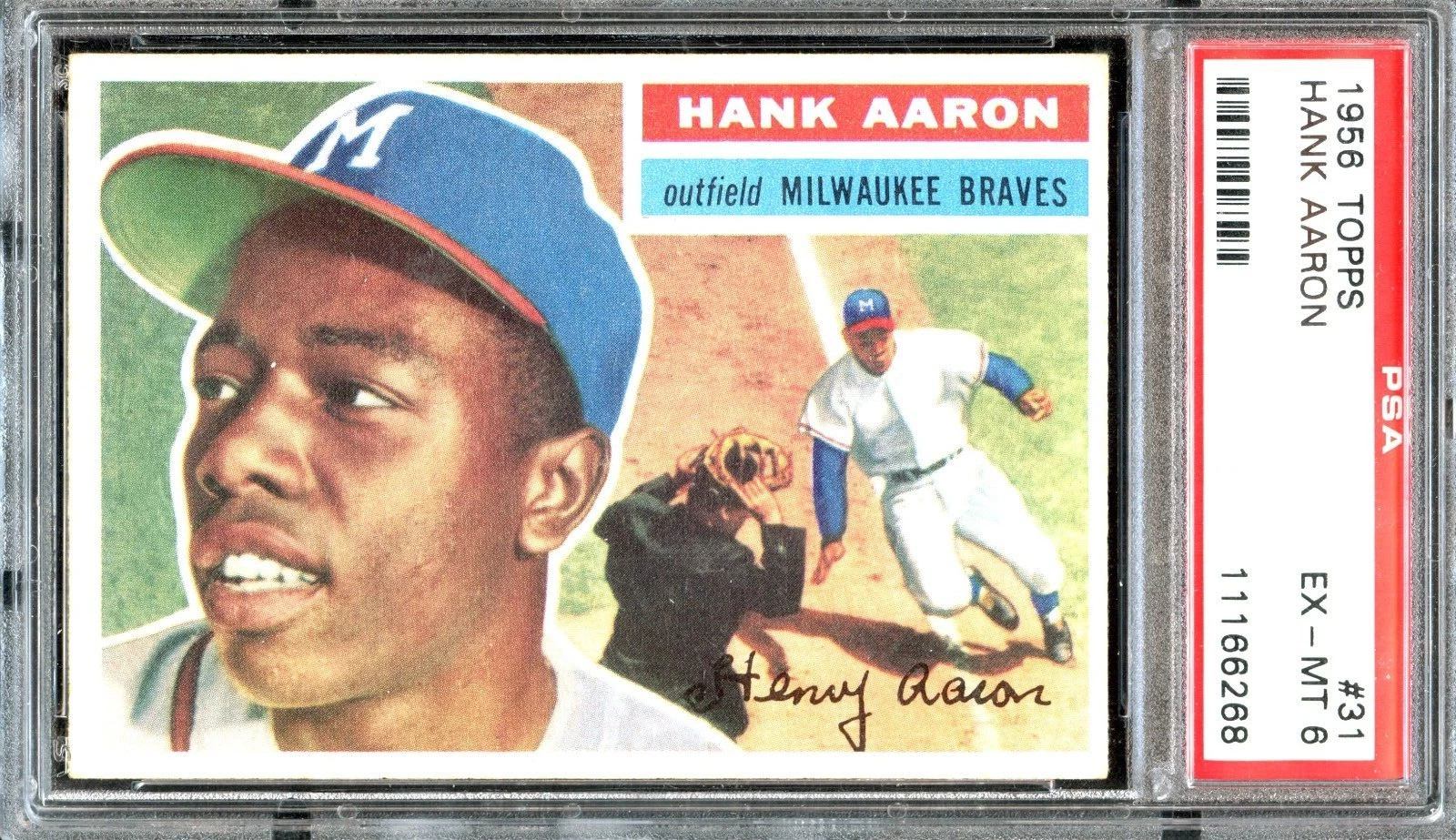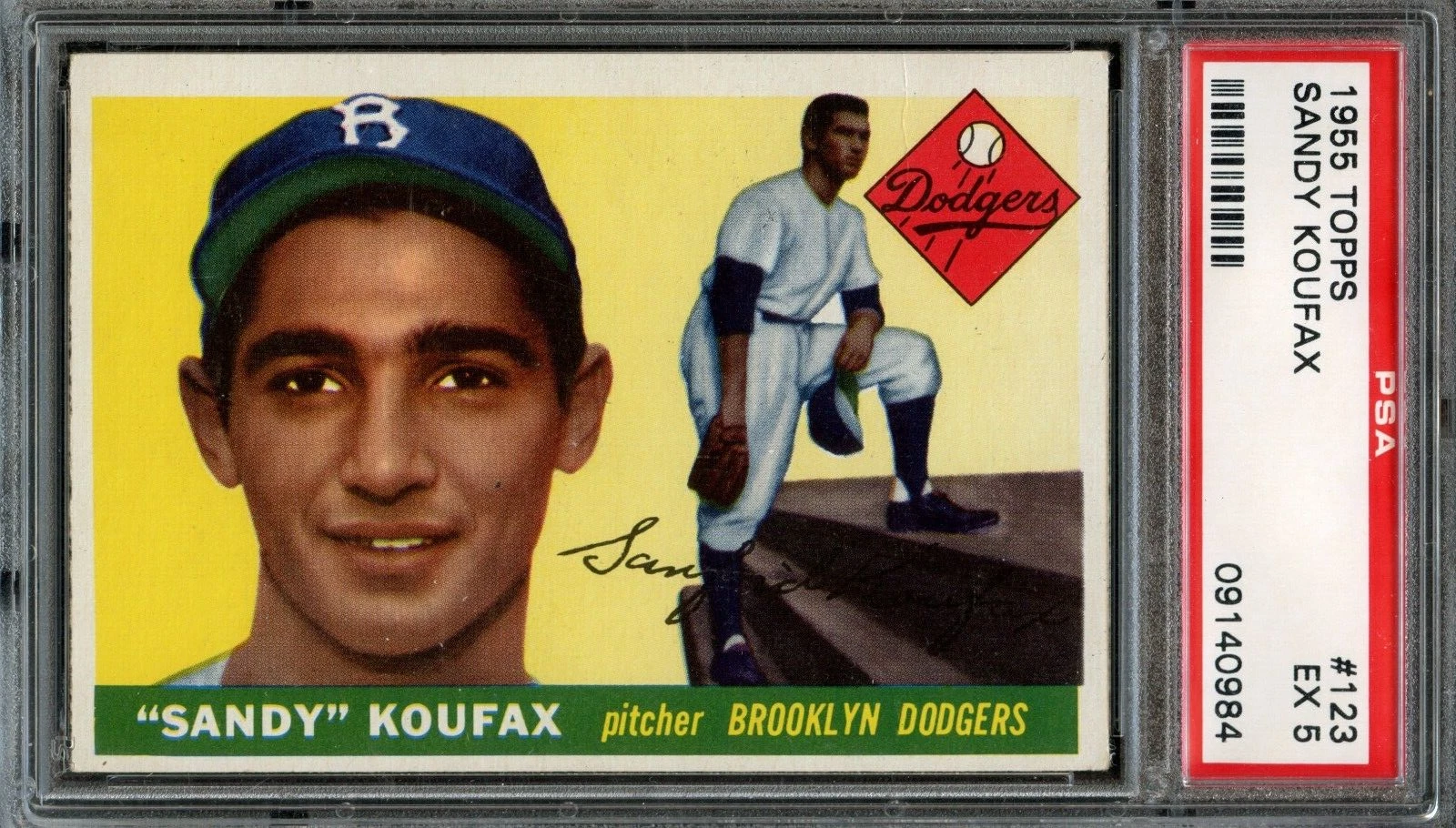
Start with the issued checklist
PSA records 206 issued cards, with numbering extending to 210. Numbers 175, 186, 203 and 209 were not produced. The cards measure approximately 2⅝ by 3¾ inches. Notable rookies include Roberto Clemente, Sandy Koufax and Harmon Killebrew. Mickey Mantle does not appear in this original Topps set.
Those details should shape your want list. Mark the unissued numbers explicitly, and distinguish an actual missing card from an intentional checklist gap. If someone offers a complete set, ask for a numbered inventory rather than relying only on a stated total. Repeated cards can inflate a count without improving completeness.
A compact set still needs a realistic plan
The smaller checklist does not mean each part of the project has the same difficulty or cost. A collector can acquire a substantial number of common cards while still facing the most consequential purchases. Review the cards that matter most to your budget before committing to a particular condition range.
There are several sensible alternatives to a full set: one team, a group of favorite players, a rookie trio, or a selection showing the design’s range of colors. A focused collection is complete when it meets its stated purpose. It does not have to expand into all 206 cards merely because the checklist is shorter than many later sets.
For a full-set plan, separate essential condition requirements from preferences. You might require no missing paper on every card while accepting softer corners on an expensive star. Decide that deliberately instead of buying inconsistent examples and discovering afterward that half the collection needs upgrading.
Look across the entire horizontal composition
A listing thumbnail often makes the large portrait dominant, but condition elsewhere still matters. Inspect the smaller figure, team logo, signature area, colored background and both long edges. A crease can be hard to see when it follows a printed boundary or sits under glare.
Centering should be considered both left to right and top to bottom. Compare border widths and the placement of the design instead of judging solely by how centered the player’s face appears. A portrait positioned off-center within the original composition is not itself evidence of a miscut card.
Check the back with equal care. A clean front can coexist with staining, writing or adhesion damage on the reverse. For a display-focused purchase, that may be acceptable if accurately described. It should still affect how you compare the card with other examples.
Late-series cards require exact comparisons
PSA identifies the later portion of the set, including the high numbers beginning at 161, as more challenging. Clemente falls within that part of the checklist. This is a reason to research the particular card, not a formula that assigns every high number the same premium.
When comparing a lot or near set, ask which late-series numbers are present and what condition they are in. A broad statement such as includes stars does not answer whether the remaining checklist is practical for you. Keep separate notes for a missing entry, a low-grade placeholder and a duplicate intended for trade or sale.
Avoid reading a current listing count as a survival count. The number available from one seller on one day says little about how many examples exist or will be offered elsewhere. It is simply a snapshot of that marketplace selection.
Understand what a grade is telling you
A numeric grade summarizes condition under one company’s standards. It does not tell you which specific compromise you will notice most in a display. Compare the actual card’s centering, color, print clarity and wear, then decide whether the grade and asking terms make sense for your collection.
If a card is described as Authentic or Authentic Altered, treat that designation as distinct from a normal numeric grade. Do not infer that a sharp-looking edge proves original condition. Authentication and alteration questions can require direct professional inspection, particularly when an important rookie card is involved.
A raw card should not be purchased on an assumed future grade. Consider the card as it is offered and add the uncertainty and costs of any later submission. The possibility of grading is a separate decision, not a hidden guarantee inside the current purchase.
Choose storage that suits the format
These oversized cards need appropriately sized sleeves, pockets or holders. Test the fit using the product’s stated dimensions rather than forcing a card into a tight opening. A horizontally composed image can also look awkward in a display designed only for upright cards, so plan the presentation before purchasing a large group.
For graded cards, select a storage arrangement that supports the holders without allowing them to rub together. Keep the card number and certification number in your records so you can distinguish examples even when several holders contain the same player. Clear photographs help document the condition you actually purchased.
Move from the guide to individual listings
Use TrendingArt’s Topps and vintage baseball categories to explore the wider era, then view current eBay listings for specific cards. Check the full description, reverse photographs, holder details and transaction terms. A guide can help you identify the right questions; the live listing establishes what is actually being sold.
Keep your want list current after each purchase. Record original versus later issue, card number, grade or condition notes and whether an upgrade is planned. That simple discipline is particularly useful in a set with unissued numbers and important cards concentrated in a comparatively short checklist.
Common questions
Is a 1955 Topps set complete at 206 cards?+
A basic numbered set contains 206 issued cards. Numbers 175, 186, 203 and 209 were not issued, although the sequence ends at 210.
Are 1955 Topps cards the same size as modern baseball cards?+
No. They measure approximately 2⅝ by 3¾ inches, so choose holders intended for that larger format.
Sources & further reading
Primary references for the terminology and factual details discussed above.
Explore the actual listings.
Read the item description, photographs, condition notes and terms on eBay. Selection and availability change.
Browse Current Sports Cards Inventory ↗Explore Graded & Vintage Baseball Cards ↗