Begin with the product, not just the player
A player can appear on a regular card, an insert, a league-leader card and a specialty issue in the same year. Modern products can add parallels, image variations and autograph versions. Record the full identity instead of assuming every card bearing the same player and season belongs to one checklist.
The distinction matters when comparing photographs or sales. A regular Topps card and a Topps Chrome card may share visual elements while using different card stock and belonging to different products. A familiar design does not establish equivalence. Read the product name and card number before deciding whether two examples are comparable.
Use vintage designs as a map
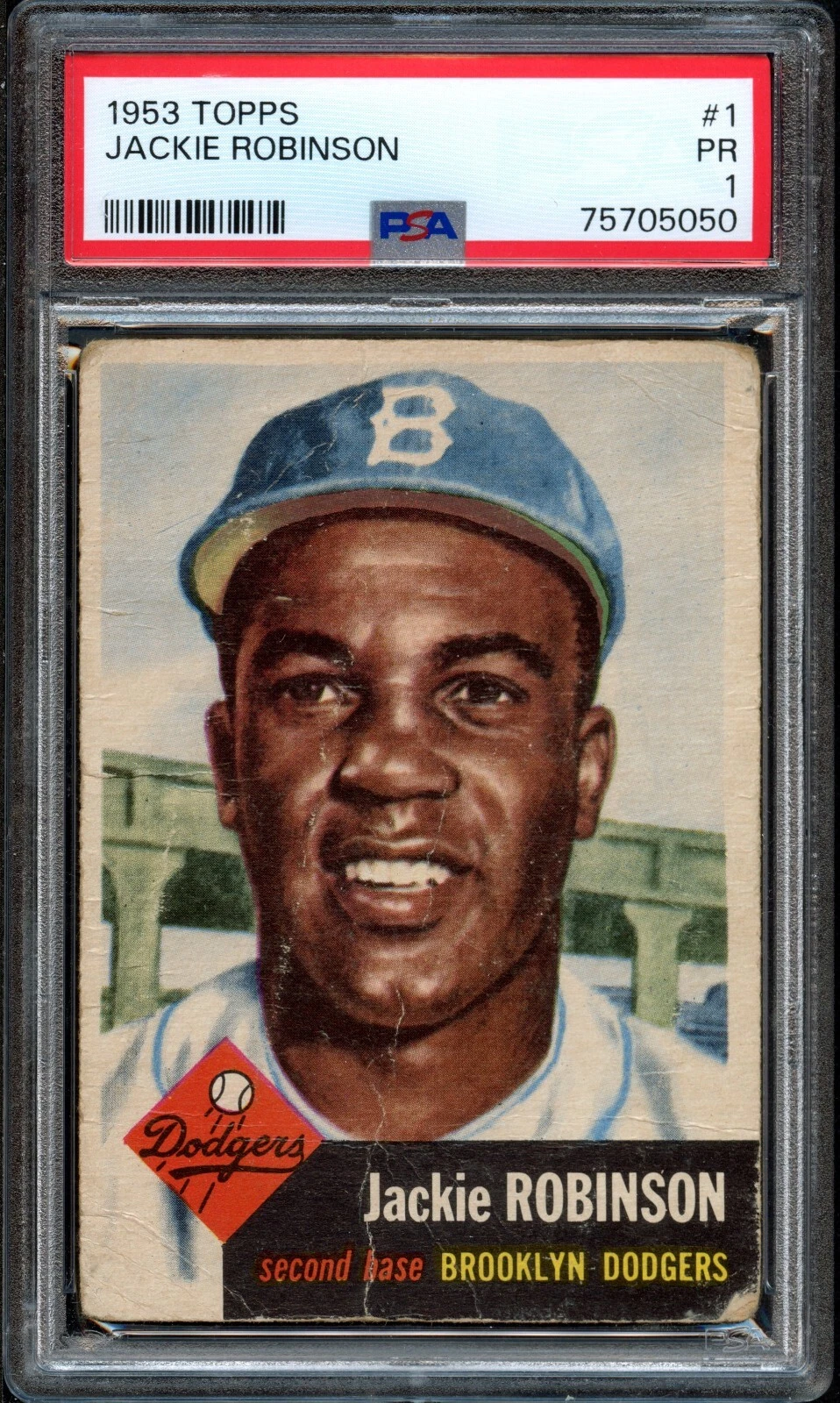
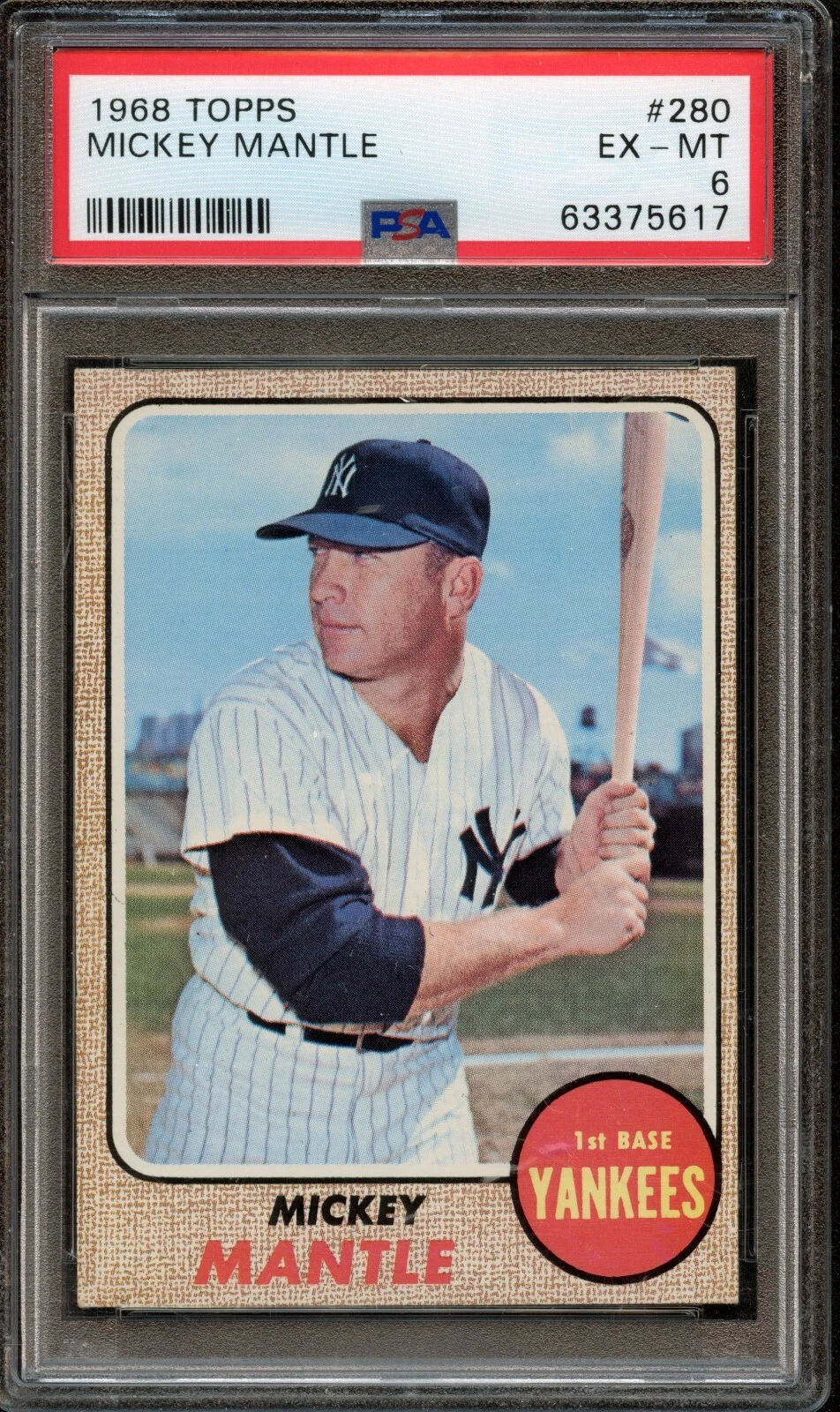
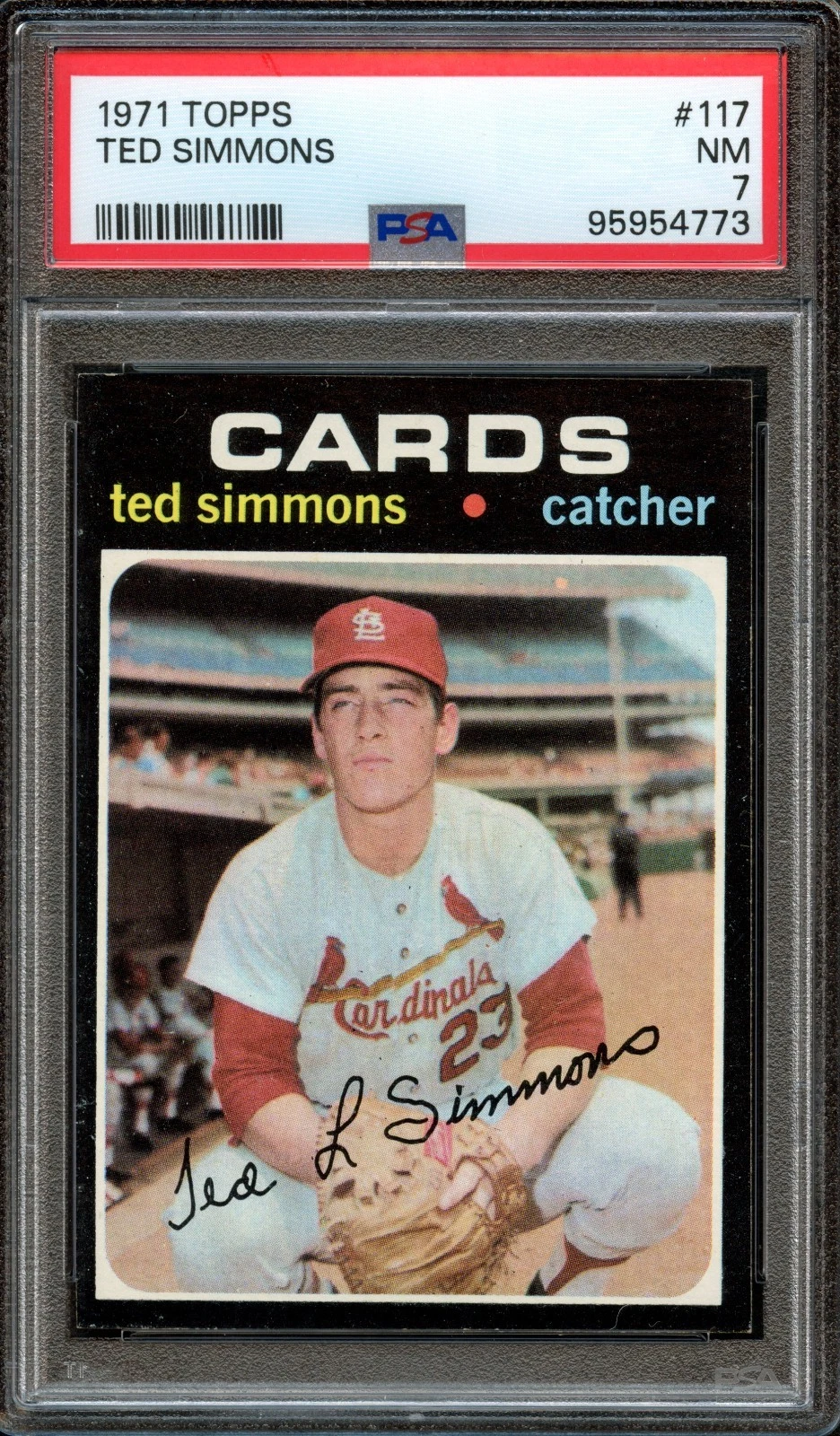
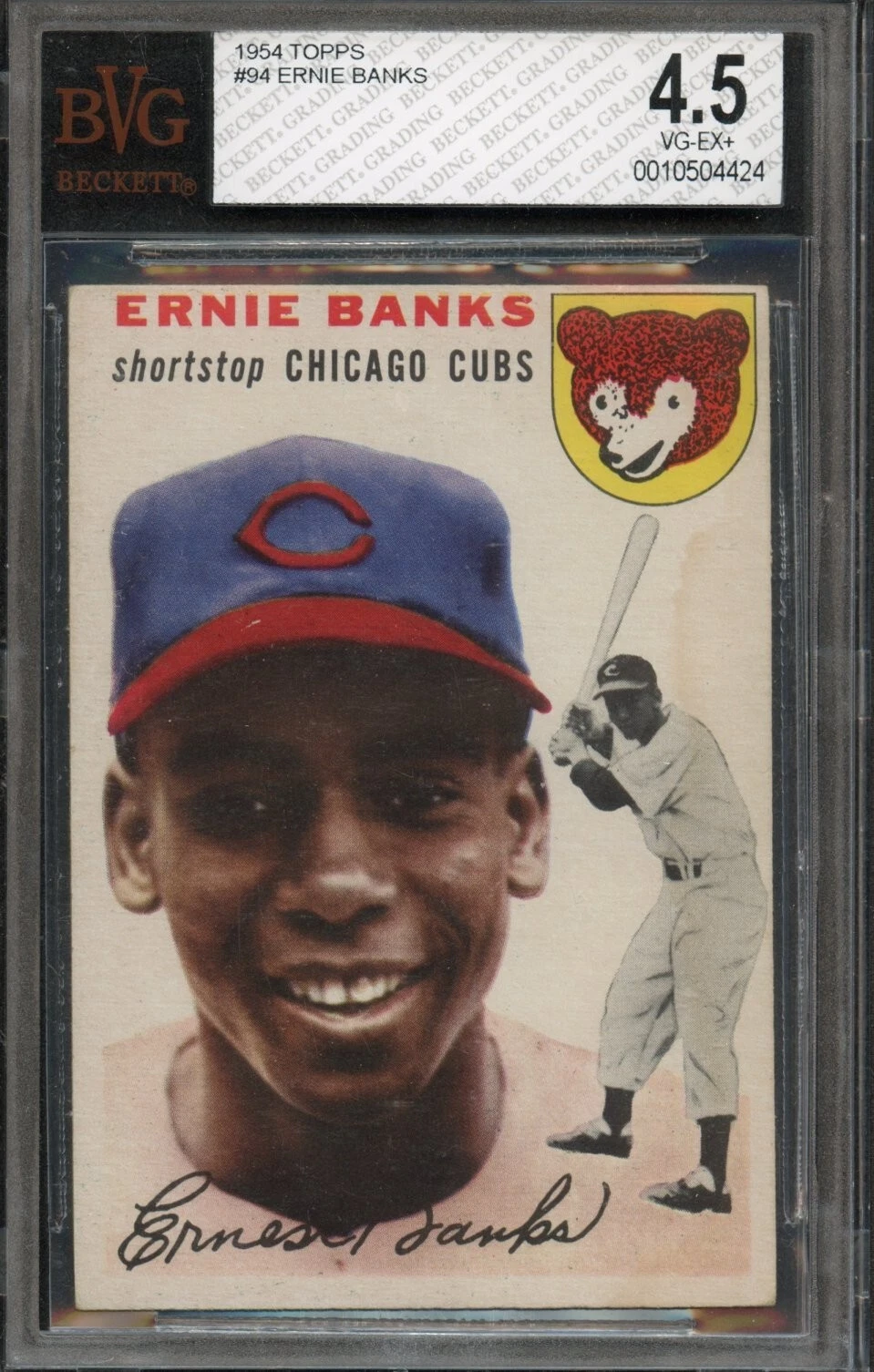
The vintage Topps guides on this site cover 1952, 1953, 1954, 1955, 1956, 1960, 1961, 1968 and 1971. Together they offer several collecting approaches: painted portraits, horizontal compositions, clean photography, patterned borders and the black borders of 1971. A design-focused collection can be satisfying without requiring every card in a set.
For example, you might choose a favorite team from three visually different years, or follow one player through changes in card design. Write down that scope. Otherwise, a general search can become a pile of interesting purchases that never develops into the collection you intended.
Know what a complete set includes
Use a checklist specific to the issue. Do not infer the number of cards from the highest printed card number. Some older Topps sets contain numbers that were never issued; the 1955 set has 206 cards despite its numbering extending to 210. Variations and related inserts can also change what a seller means by complete.
Ask whether a collection is a basic set, a partial set, a master set including specified variations, or a group of cards from several products. A card count alone does not answer that question. For larger purchases, a written checklist of missing numbers and included versions is more useful than a general description such as nearly complete.
Separate original cards from later tributes
Topps has reused historical design language in later products. A newer release can be an appealing collectible in its own right, but it should not be confused with the original vintage issue. Check the reverse, copyright and product information alongside the listing description. Graded labels should also identify the release being offered.
If the seller describes a card as a reprint, archive issue or reproduction, preserve that distinction in your own collection records. When the wording is unclear, ask a direct question about the actual production year and product. A low-resolution front image cannot settle every identification question.
Match condition expectations to the design
A plain white border makes centering easy to compare; a colored edge may emphasize tiny chips; a reflective surface may require several viewing angles. Inspect each issue on its own terms. Do not assume one clean-looking photograph captures the corners, reverse and entire surface.
For vintage cards, prioritize the specific flaws you can and cannot accept. For modern cards, watch for surface or edge defects that may be difficult to see through glare. Grading is helpful, but the holder’s number does not remove the need to assess how the individual card presents.
Browse current Topps inventory
Use TrendingArt’s baseball collection and individual set guides to narrow your search before viewing eBay listings. Individual availability, condition, price and shipping terms belong to the live listing. Keep a checklist for ongoing projects and use descriptive saved searches that include the year, product, player or number, and any essential variation.
Common questions
Are all cards using a vintage Topps design vintage originals?+
No. Later releases can reuse earlier designs. Verify the actual issue year, product name and reverse information.
Sources & further reading
Primary references for the terminology and factual details discussed above.
Explore the actual listings.
Read the item description, photographs, condition notes and terms on eBay. Selection and availability change.
Browse Current Sports Cards Inventory ↗Explore Graded & Vintage Baseball Cards ↗