The core issue at a glance
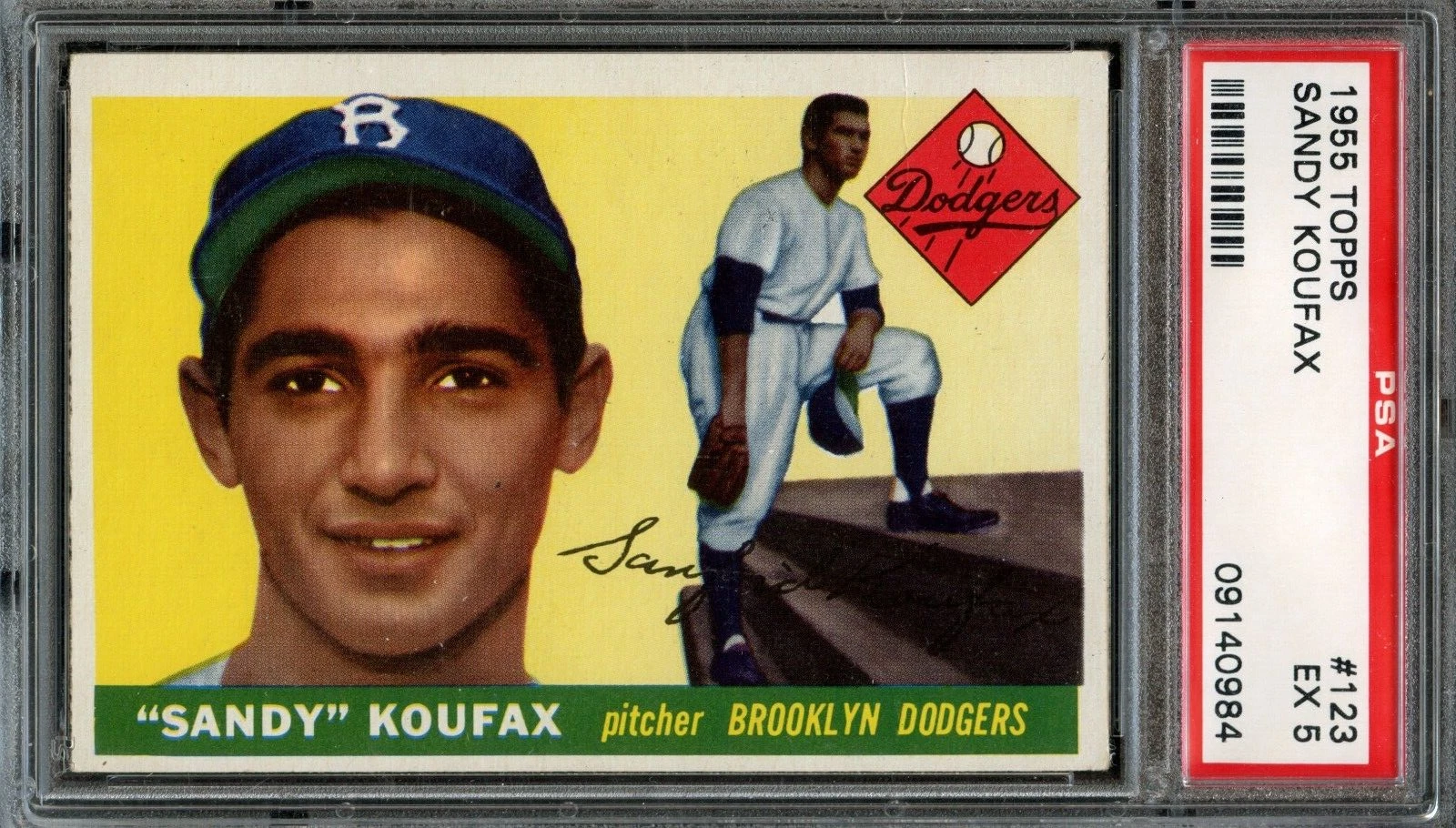
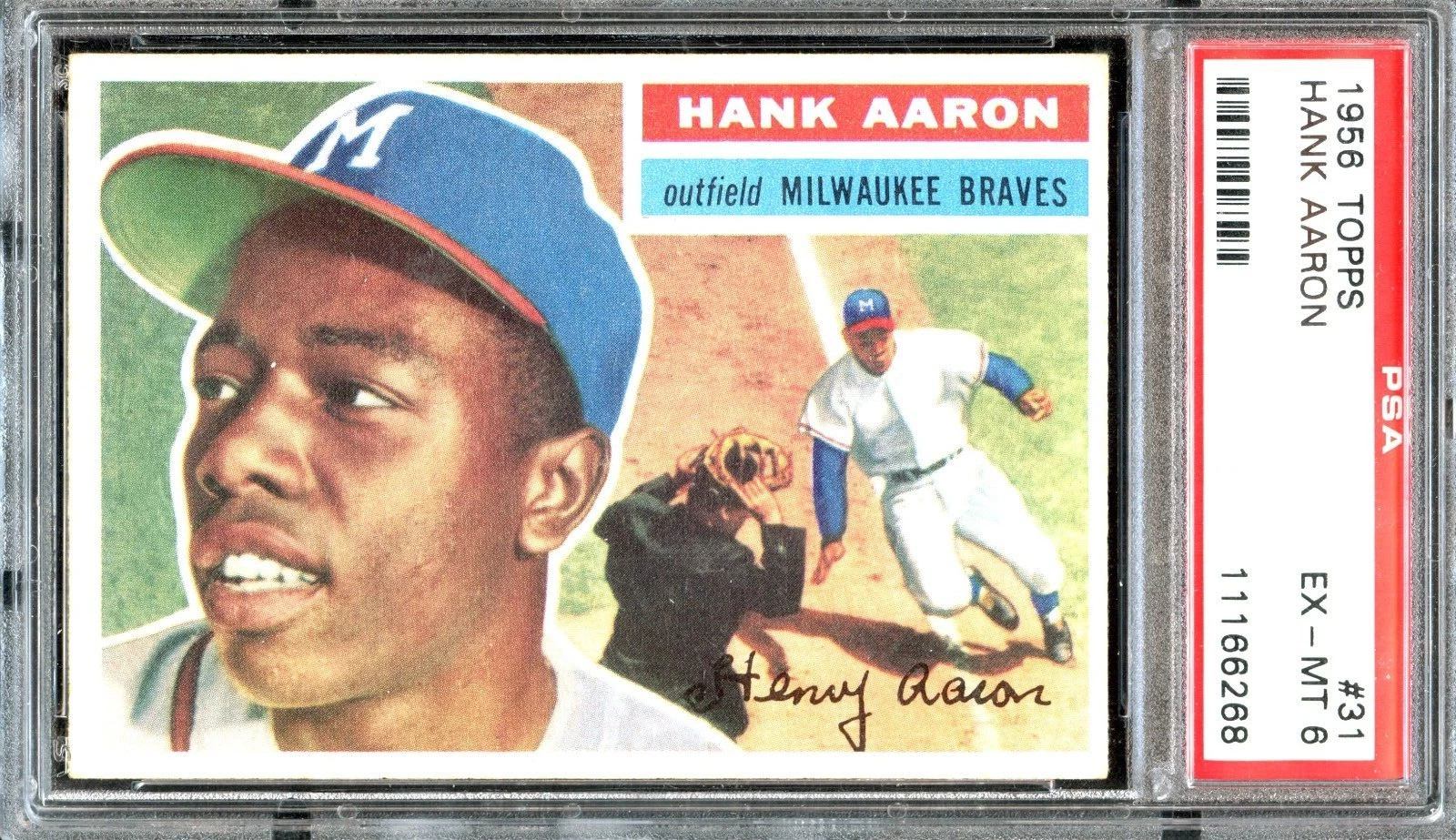
PSA catalogs 340 numbered cards measuring approximately 2⅝ by 3¾ inches, plus two unnumbered checklists. Player cards combine portraits with action scenes. Team cards and league-president cards widen the subject matter. Mickey Mantle appears at number 135, while cards numbered 1 through 180 can be found with white or gray backs.
These are separate dimensions of a collection. The numbered checklist tells you which subjects you need, while the back-stock distinction tells you which version you own. Decide whether you want one example of each number, both back types where applicable, or a narrower player or team collection.
Define a basic set before exploring variations
A useful starting rule is one original card for each required number, with additional variants tracked separately. You can later expand the project, but beginning with an undefined master set makes it hard to tell whether a purchase fills a need or simply adds another example.
If back variations interest you, create a dedicated field for them in your inventory. Do not hide that information in an informal note such as different back. Use consistent labels and keep reverse photographs. The physical difference may be clear in hand but difficult to remember when a collection grows.
Ask sellers to specify what they mean by complete. Does their group include the unnumbered checklists? Does it include one back type or both? Does it include identified team-card varieties? Those questions are more productive than arguing over one universal definition after a purchase.
Read white and gray backs cautiously in photographs
Lighting, scanning and automatic white balance can affect how card stock appears. A yellow-toned photograph is not by itself a reliable reason to classify a back. Compare the actual example with reputable reference material, and ask for a neutral, well-lit reverse photograph if the distinction is important.
Do not confuse ordinary aging, staining or a different camera exposure with a recognized variation. The goal is to identify the issue, not to invent a new version from every color difference. If a graded label identifies a back type, check that the card and certification record agree.
If you collect only one example per number, a back variety may be secondary to overall appearance and condition. If you collect both types, it becomes essential. The same physical detail can have a different role depending on the project, so set your priorities before comparing prices.
Evaluate the portrait and background scene together
A prominent portrait can pull attention away from a crease or abrasion in the action scene. Inspect the whole composition, particularly areas where a printed line could disguise a wrinkle. Ask for angled images if surface condition is difficult to judge from a straight scan.
Look at print clarity, color, centering and the long edges. A card can present attractively with some corner wear, while another with stronger corners may have a distracting surface mark. Compare the actual examples instead of assuming a single grade captures your visual preference.
The reverse contains both identification and condition evidence. Check for writing, staining and paper loss. On checklist cards, determine whether boxes or entries have been marked; a seller should not describe such a card solely by its front appearance.
Team cards create a different collecting route
A team-focused collector may find the team images as meaningful as individual stars. They can anchor a smaller display or provide a visual summary of a franchise collection. Keep team cards distinct from individual player cards in your checklist so related subjects do not become confused.
When a listing claims a team-card variation, verify the specific feature through a specialist checklist or a recognized grading label. Do not infer a premium from the word variation alone. You need to know what differs, whether the distinction is recognized and whether it is relevant to the set you are building.
For a collection offered as a lot, request individual images of the team and checklist cards rather than accepting only the star-card photographs. These supporting pieces can have condition problems or version differences that materially affect whether the group meets your needs.
Plan the holder and the collecting format
The larger dimensions require suitable protection. Avoid tight modern card pockets or holders that press against the corners. A raw binder project, a mixed collection and a fully graded set all require different storage space and handling routines. Decide which format best supports how you want to view the cards.
If grading is part of the plan, keep authentication, condition and variation attribution separate in your thinking. A numeric grade does not automatically answer every cataloging question. Read the label and service description rather than assuming a submission will include every attribution you might want.
Buy against a precise list
Before opening current inventory, identify the number, player or team, acceptable back type and condition priorities. That makes a search easier to evaluate and prevents duplicate purchases disguised by different photographs. Record both the front and reverse after the card arrives.
TrendingArt’s baseball category and related Topps guides connect this issue with neighboring years. Follow current eBay listings for the actual card and sale terms. Availability of a particular number or back type changes; the lasting value of a checklist is that it lets you evaluate each new opportunity consistently.
Common questions
Does every 1956 Topps card have both white and gray backs?+
No. The recognized white/gray back distinction applies to cards 1–180. Do not assume every card in the set has two back-stock versions.
Should I collect both back types?+
Only if that is part of your intended checklist. A basic numbered collection and a variation-focused collection are different projects.
Sources & further reading
Primary references for the terminology and factual details discussed above.
Explore the actual listings.
Read the item description, photographs, condition notes and terms on eBay. Selection and availability change.
Browse Current Sports Cards Inventory ↗Explore Graded & Vintage Baseball Cards ↗