Establish the issue before shopping
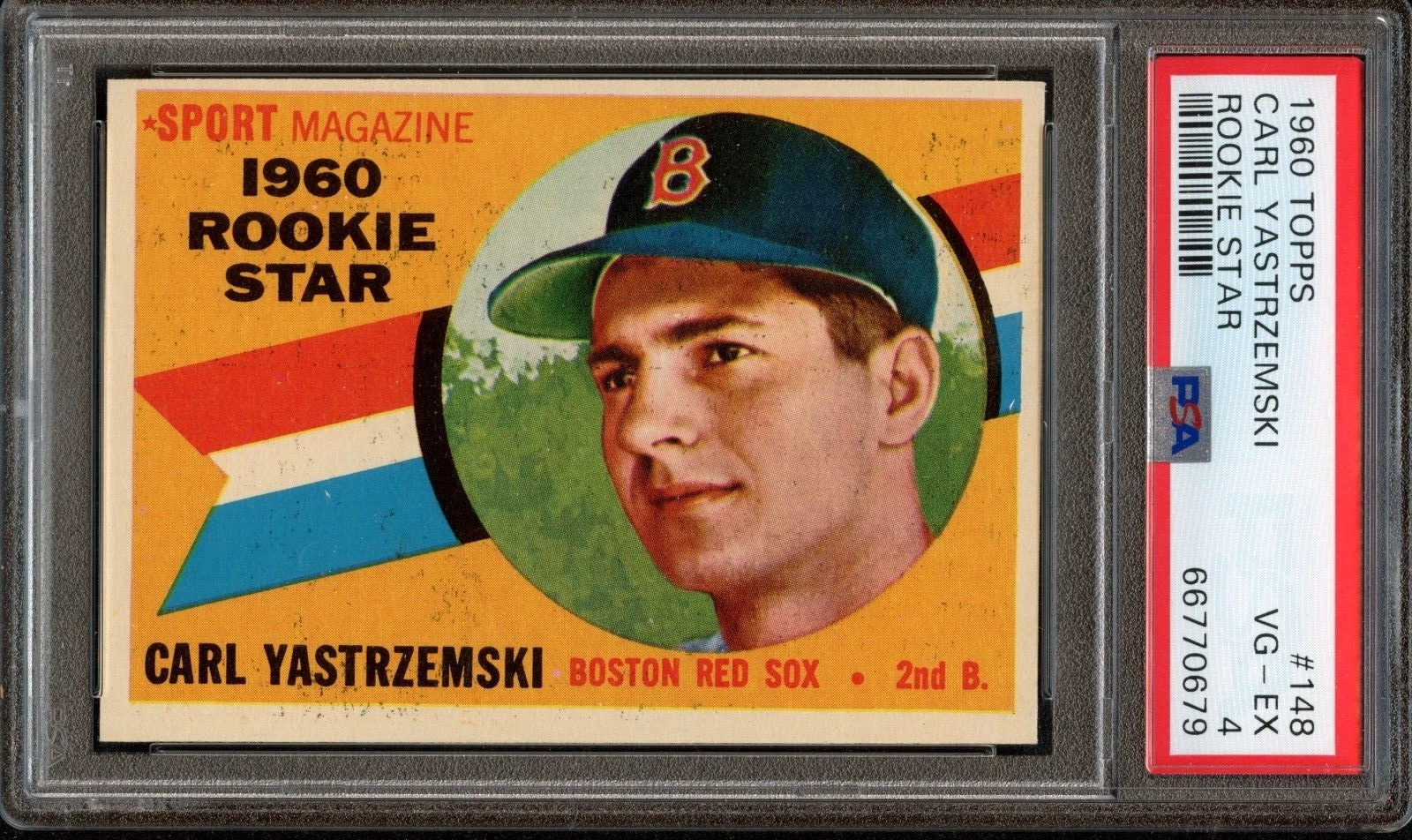
PSA lists 572 cards measuring approximately 2½ by 3½ inches. The familiar player-card design pairs a color image with a smaller black-and-white image. Notable rookie entries include Carl Yastrzemski and Willie McCovey. The high-number portion runs from 507 through 572, and cards 375 through 440 have recognized white- and gray-stock backs.
These details create several possible projects: the numbered set, a player selection, a run of high numbers or a back-variation collection. Do not let a general listing title decide the scope for you. Write the exact kind of collection you want and maintain separate records for optional variants.
Use the design to compare individual examples
Horizontal cards invite a wide scan of the image, but a prominent portrait can still dominate attention. Inspect the entire card, including the smaller image, lettering, colored panels, border and reverse. A sharp face does not establish that all corners and surface areas are equally clean.
Compare the top and bottom borders as well as the left and right sides. Determine whether an apparent imbalance comes from the intended layout or from the physical cut. The design itself is not symmetrical, so visual judgment should be anchored in the original card rather than a general expectation of equal space around a player.
Large areas of color can make abrasions or printing differences noticeable. Ask for images without heavy filters or excessive contrast. If a listing photograph seems unusually vivid, another neutral-light image may be useful for evaluating the actual appearance.
Read rookie terminology at the card level
The set contains rookie-themed material, but the word rookie in a title is not enough to identify the specific card. Record the player, number and card type. When comparing sales, match that identity instead of collecting every result that includes the player’s name and year.
A card can be interesting because it is an early appearance, because it belongs to a rookie subset or because collectors recognize it as a rookie card. Those descriptions are related but should not be substituted casually. If the designation affects your purchase, verify it with a reliable issue reference.
For a collection centered on Yastrzemski or McCovey, compare several copies of the exact card before selecting a condition range. The condition feature that bothers you most may differ from the one that dominates the overall grade. A well-balanced image can matter more to a display than a small numerical increase.
Keep back-stock variations separate from damage
Within the recognized range, white and gray stock represent an issue distinction. Dirt, aging, staining and camera color shifts are different matters. A photograph should show enough of the reverse to assess both identity and condition. Avoid assigning a version from a warm or dark image alone.
A practical record includes card number, back type, grade or condition notes and a reverse image. If the variation is not important to your project, you can still record it without treating it as a buying priority. That keeps the collection accurately cataloged while preserving focus.
When a seller offers a group as a master set, ask for the precise checklist used. The term can conceal different assumptions about stock variations and other distinctions. Agreement on the actual included cards is more useful than agreement on a broad label.
Budget for the end of the checklist
A large set can progress quickly at first and slowly later. The final missing cards may require a different level of patience from the early purchases. Review the high-number run and your desired key cards before setting a condition standard you may not want to maintain across the full checklist.
For a starter lot, calculate useful unique cards rather than total cards. Duplicates and cards below your minimum standard do not advance the project in the same way. Photograph or list exceptions so you know which pieces are temporary placeholders and which you consider finished purchases.
A collection can be coherent without every card sharing the same grade. You may instead use consistent rules about creases, paper loss, centering or eye appeal. Choose rules that match the experience you want and apply them consistently.
Distinguish the original card from a later design reuse
A horizontal design associated with 1960 can reappear in a later collectible. Verify the actual production year, product and card number through the description and reverse. Do not use the visual style alone to classify a card as vintage.
For graded examples, match the holder description with the physical card and certification record. For raw cards, make sure the listing provides enough detail to establish the issue. If the information is incomplete, ask a narrow question about the exact version rather than relying on a seller’s general description of vintage or rare.
Build a repeatable buying routine
Search with the year and card number, compare front and reverse, check the relevant variant, then review the complete sale terms. Save the details after purchase so you can later distinguish duplicates, upgrades and cards with different backs. This routine is more useful than trying to remember every listing you considered.
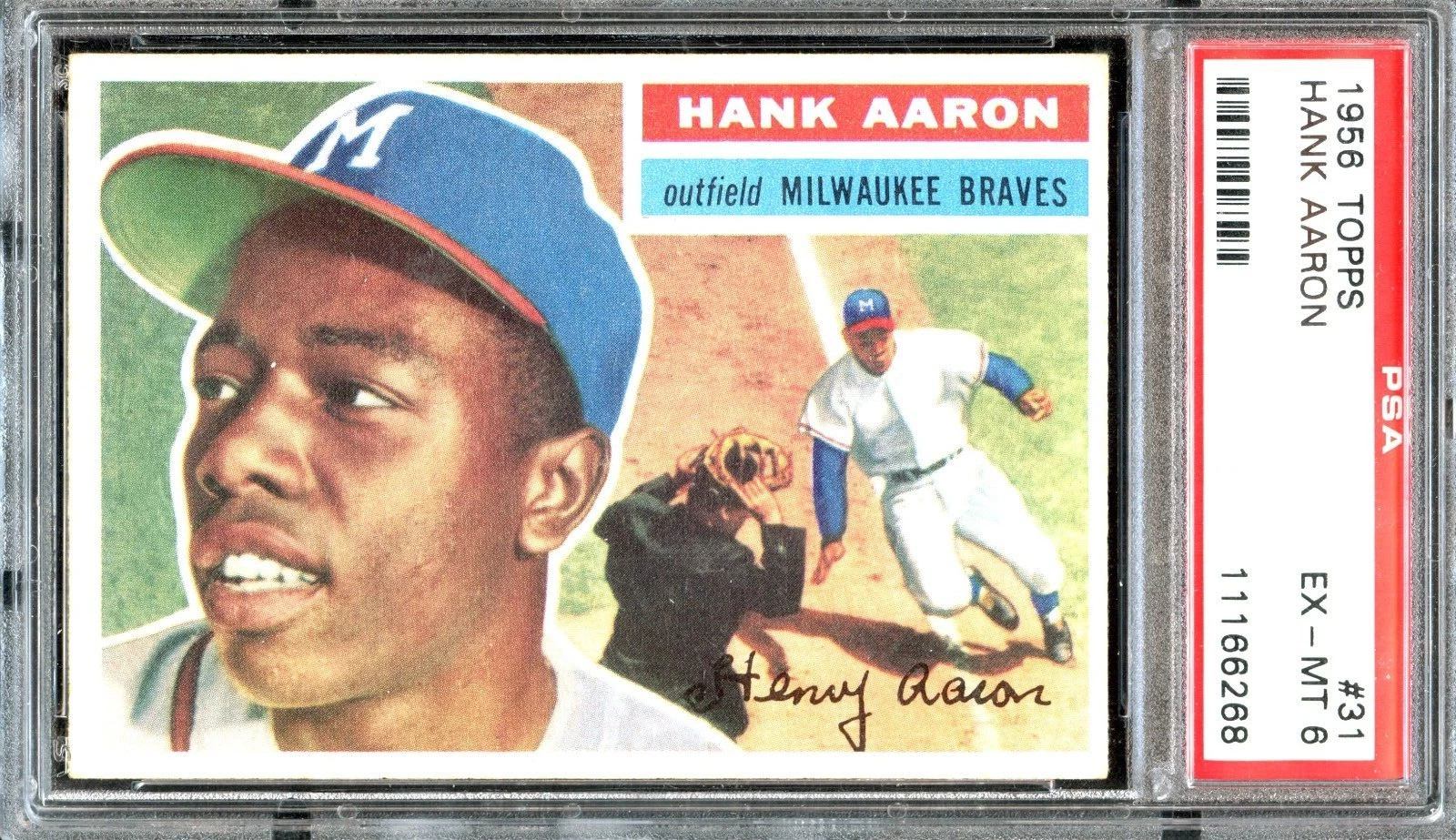
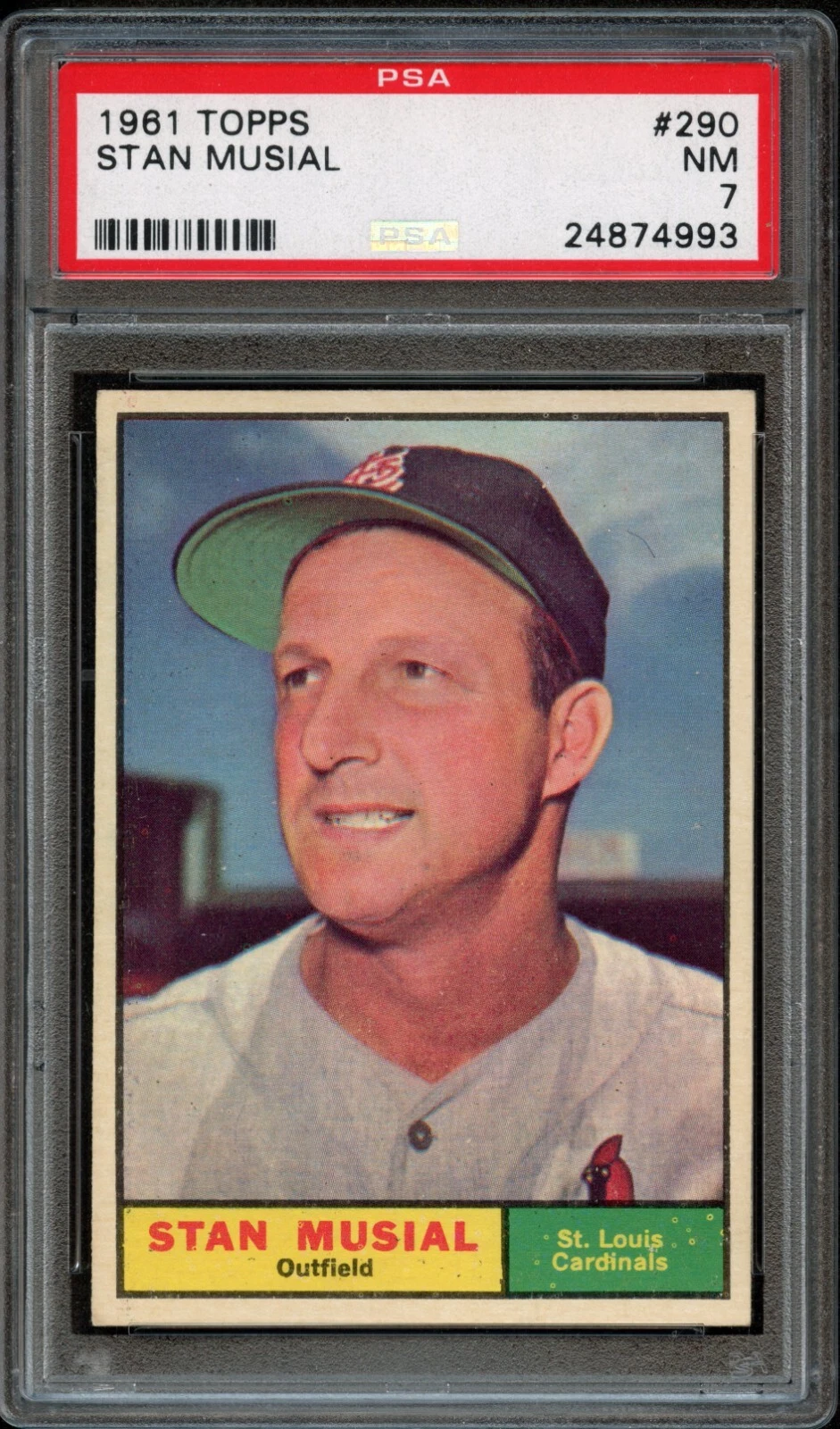
Browse TrendingArt’s Topps baseball category for related collecting paths and follow current eBay inventory for specific offerings. The 1956 and 1961 guides provide useful contrasts: one for an earlier horizontal design and the other for the return to a predominantly vertical player-card presentation.
Common questions
Are all 1960 Topps cards white-back or gray-back variations?+
The recognized two-stock range discussed here is cards 375–440. Check the particular card rather than generalizing to the entire set.
Should the highest-numbered cards be compared with ordinary low numbers?+
Use the exact card and relevant series context. Player, condition and version remain essential; a broad common-card comparison can be misleading.
Sources & further reading
Primary references for the terminology and factual details discussed above.
Explore the actual listings.
Read the item description, photographs, condition notes and terms on eBay. Selection and availability change.
Browse Current Sports Cards Inventory ↗Explore Graded & Vintage Baseball Cards ↗