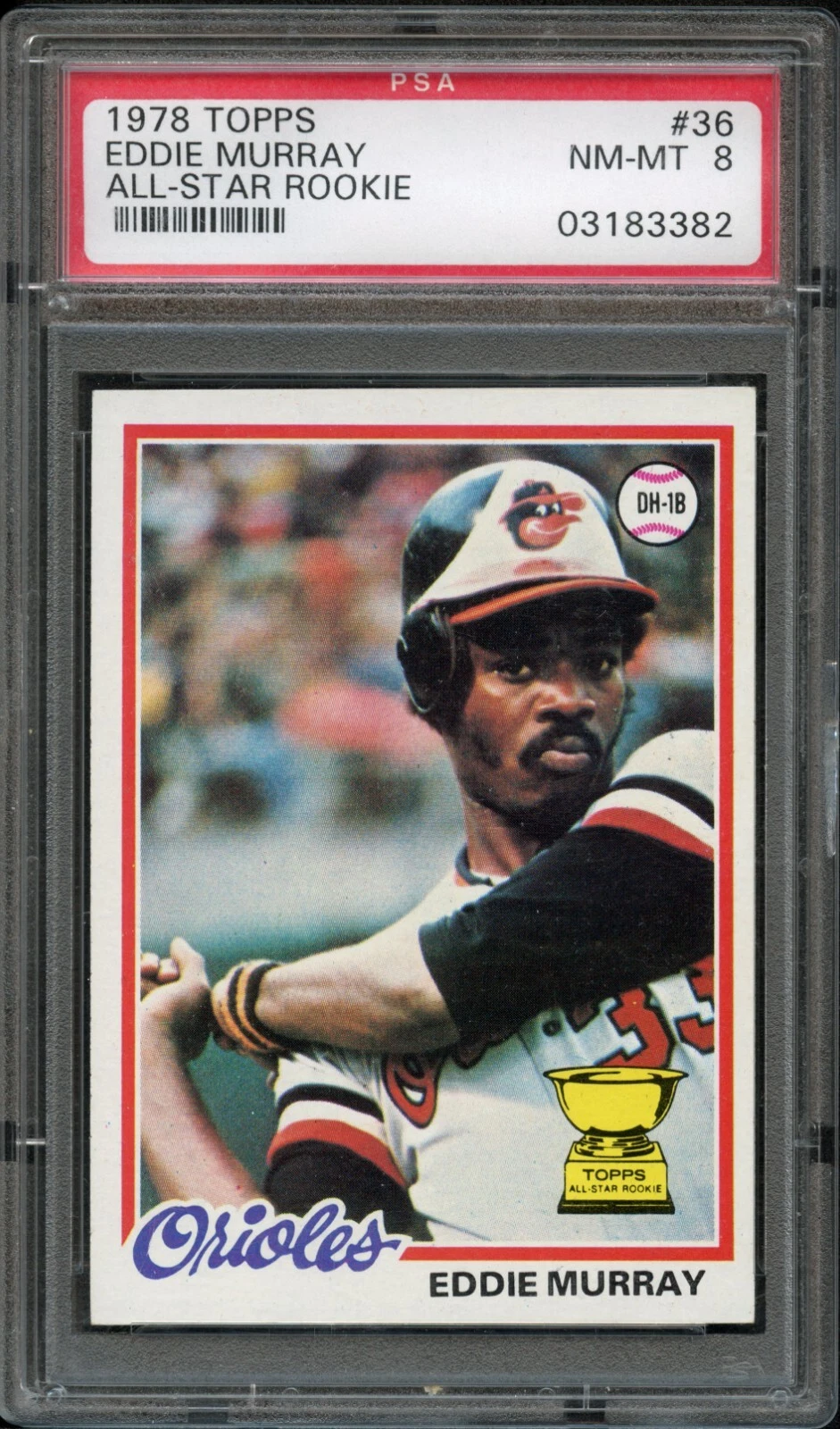
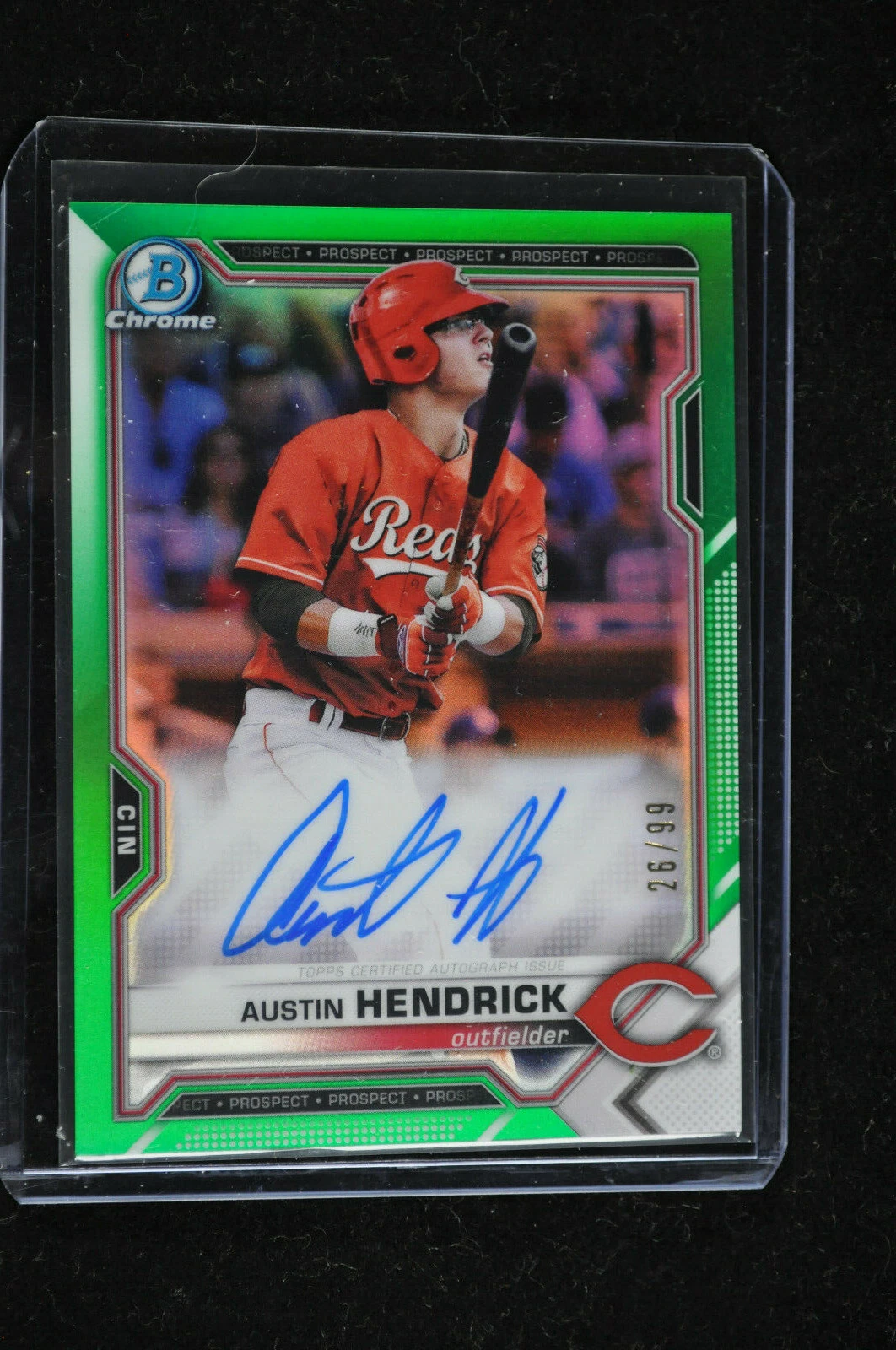
1948 Bowman: a 48-card photographic start
The 1948 set contains 48 small black-and-white cards. The simple fronts contrast with the bright backgrounds associated with later Bowman releases. The checklist includes important early cards of Stan Musial, Yogi Berra, Warren Spahn and Ralph Kiner, making the short set much more than a collection of ordinary portraits.
A small checklist should not be mistaken for an effortless project. Before buying a starter group, write down exactly which major subjects are absent and compare the condition of the cards you actually receive. For individual purchases, inspect the photo surface and reverse lettering rather than judging only the apparent whiteness of the border.
1949 Bowman: color and name variations
The 1949 issue expands to 240 cards and adds color to photographic images. Pastel backgrounds give the portraits a different character from 1948. Some cards exist with different front-name treatments, and reverse stock or printing distinctions also matter to variant collectors.
A basic card-number collection and a variation collection need separate checklists. Ask which version a listing supplies when its title mentions a name variation. A seller’s group photograph may show enough to identify the year while still being too small to establish the relevant name or reverse detail.
1950 Bowman: full-color artwork
The 1950 set grows to 252 cards and presents full-color artwork. It retains the small format but replaces the earlier look with fuller illustrated scenes and portraits. Within the higher-numbered portion, copyright-line differences provide another reason to read the reverse instead of treating it solely as a condition photograph.
Collectors who enjoy the artwork can build a representative group around backgrounds, uniforms or a favorite club. Set builders should record number, subject and any chosen copyright variant independently. If variants are optional, mark them as such so an interesting extra does not distort the basic completion percentage.
How to inspect a small Bowman card
Use images large enough to show the entire perimeter and legible reverse text. A card that is physically small can still be photographed in useful detail. Check corner rounding, edge interruptions, creases through the portrait and any contrast between the front and back that suggests staining or mounting damage.
Do not infer original dimensions from the shape of a seller’s crop. Compare the card with the holder label and a reliable reference, and request clarification if the attribution or physical appearance conflicts. A holder is useful documentation, but the actual card should still match the claimed issue.
Choosing a collection across the three years
A type collection can use one card per year to make the change in printing style visible. A team run highlights the growth in checklist coverage. A player run may have gaps because a player’s inclusion is not guaranteed across every season; verify the checklist before assuming a missing example exists.
Keep basic sets, recognized variants and upgraded duplicates in separate inventory fields. Save the source and both images for each card. When comparing sales, use the same year and version, then consider grade and visual condition. A strong result for one celebrated rookie is not a price rule for the entire early Bowman family.
Sources & further reading
Primary references for the terminology and factual details discussed above.
Explore the actual listings.
Read the item description, photographs, condition notes and terms on eBay. Selection and availability change.
Browse Current Sports Cards Inventory ↗Explore Graded & Vintage Baseball Cards ↗