Identification comes before the grade
The year, manufacturer, product, player, number and variety establish what the card is. Condition cannot be interpreted usefully until that identity is right. Two cards that look similar can belong to different releases, use different materials or represent different parallels.
Before submitting, gather the exact checklist information and photograph both sides. Do not guess an obscure variation because its name sounds more desirable. If the grading company does not recognize an issue or attribution, ask about its research process before shipping the card. A submission is not a reliable way to force an unsupported catalog claim onto a label.
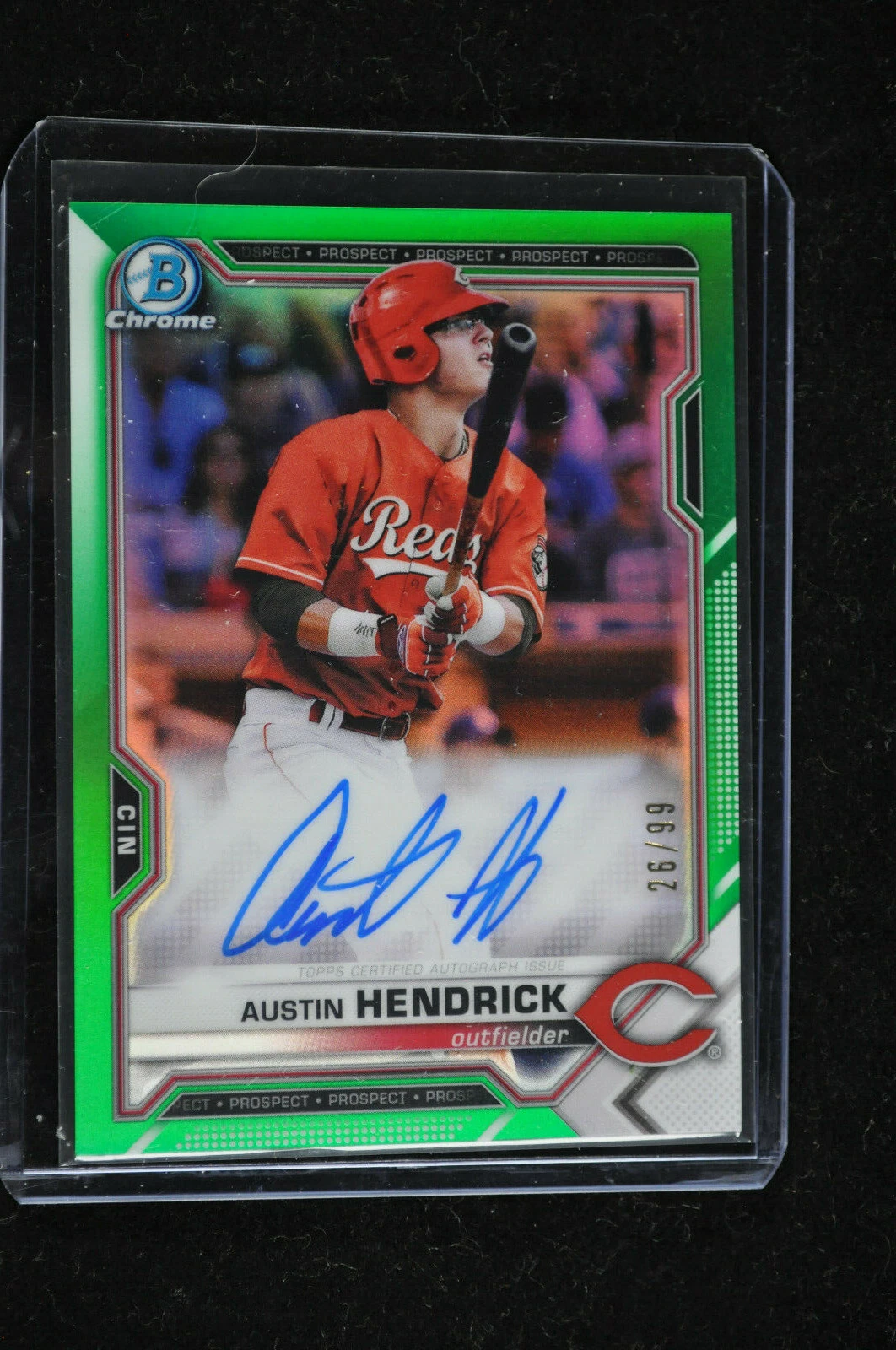
Record serial numbering, autograph status and any relevant issue details separately. These fields help you review the eventual label and catch an identification question promptly.
Authentication and condition answer different questions
Authentication concerns whether the item is genuine within the service’s assessment. Condition grading concerns its physical state under the company’s criteria. An authentic card can be heavily worn, and a visually sharp card can raise authenticity or alteration concerns.
Some outcomes may use an Authentic or Authentic Altered designation rather than a numeric grade; other items may be returned without encapsulation. Read the company’s definitions and submission options. Do not assume every genuine-looking card will receive a number or that paying a fee guarantees the label you hoped for.
For autographed cards, establish whether the service includes autograph authentication, card grading, autograph grading or some combination. Those services describe different things. A signature grade should not be mistaken for the condition grade of the cardboard.
What the condition review examines
Corners, edges, centering and surface are useful categories for your own inspection. They help organize observations even when the company’s final grade is not a simple arithmetic average. Look at the front and reverse, and distinguish printing characteristics from later damage where the evidence allows.
Write observations rather than assigning certainty too early: small white chip at the lower edge, faint surface line near the portrait, uneven side borders. Specific notes are more useful than simply writing mint. They also help you compare your initial assessment with the eventual result without rewriting your memory.
Use appropriate lighting and avoid handling the surface unnecessarily. A scan may show centering clearly but miss a shallow dent; an angled photograph may reveal the dent but distort border measurements. Different views answer different questions.
What happens during a submission
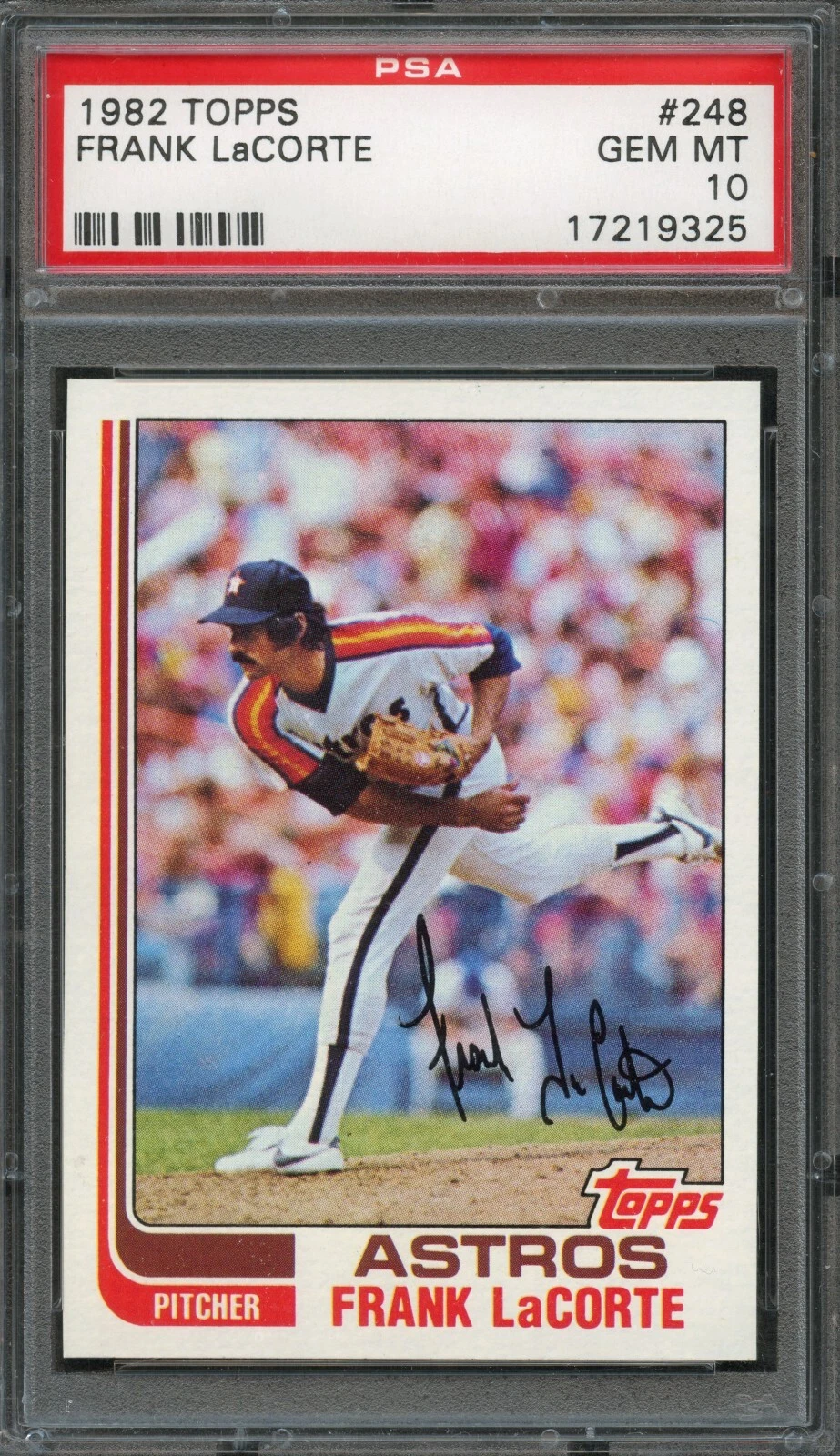
The exact workflow varies by company. PSA describes choosing items, creating a submission, shipping or delivering them, authenticity and condition evaluation, sealing eligible items in a tamper-evident holder, and returning or otherwise routing the completed items. Consult the chosen company’s current instructions for the applicable process.
Before sending anything, confirm that the service accepts the item’s size and type. Review required holders, packing, declared value, shipping arrangements and service level. Fees and turnaround estimates can change, so a general collector guide should not substitute for the actual order terms.
Keep a list of the submitted cards and images of their condition. Retain shipping and order records. For a group submission through another party, understand who is responsible for communication, insurance arrangements, payment and return delivery.
Decide whether grading solves a real need
A useful reason might be authentication of a meaningful vintage card, consistent documentation for a collection, participation in a registry, or clearer condition information for a potential sale. Sentimental preservation can also be a valid reason if you understand the cost.
Grading every inexpensive card is not automatically necessary. A suitable raw-card holder may meet a storage goal without a professional assessment. If your only reason is an assumed increase in sale proceeds, compare the complete costs and multiple plausible outcomes rather than relying on the best possible grade.
Consider buying an already graded example if your goal is to own one particular issue at one particular grade. That can offer a known description at a known purchase price, whereas submission adds uncertainty and time. The better choice depends on what you already own and what you want to accomplish.
Understand the holder and label
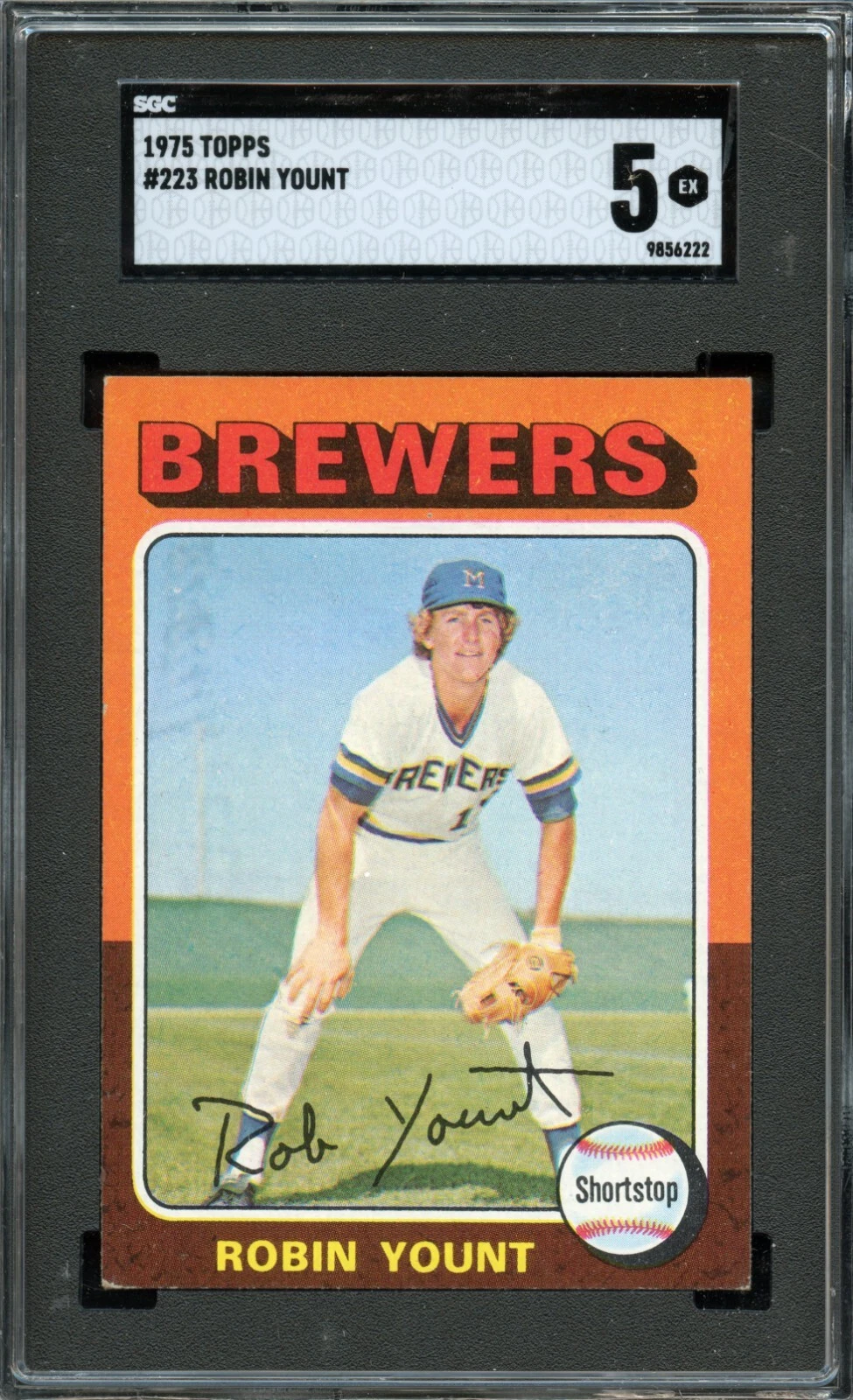
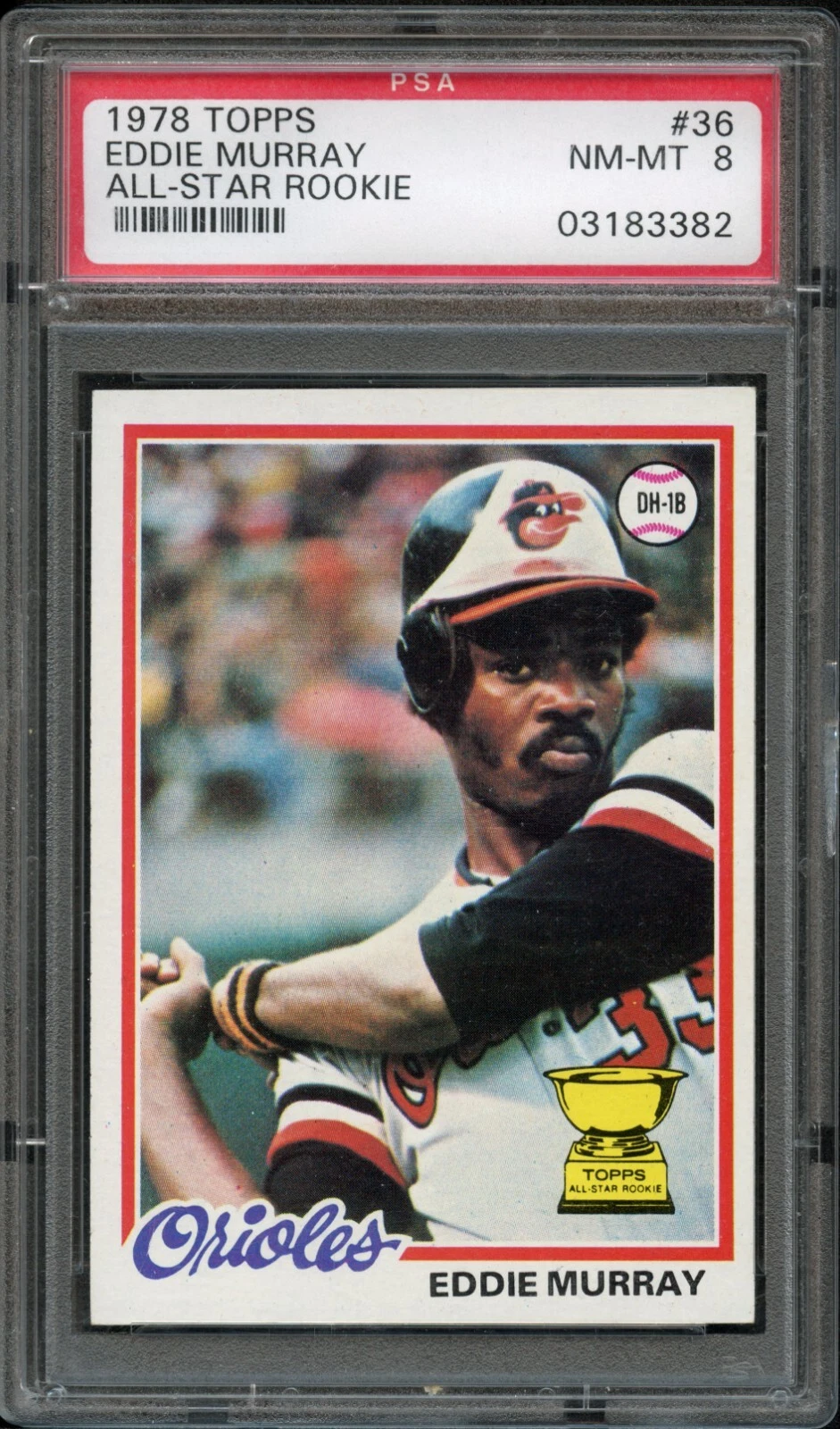
A holder identifies a certified object and protects it from routine handling, but it should still be treated carefully. Inspect its condition and confirm that the label matches the card. Use the company’s verification tool when available and compare any reference images.
A numeric grade is not a complete narrative of every physical feature. Cards with the same overall grade can differ in the location and appearance of their flaws. Subgrades or notes, where provided, add information but do not eliminate the need to view the actual card.
Separate damage to the holder from damage to the card. If a holder is cracked or appears compromised, consult the grading company about the appropriate service rather than improvising a repair.
Avoid treatments that change the collectible
Do not trim edges, add color, press creases or apply surface products in an attempt to secure a higher grade. Such actions can alter the card and affect how a grading service classifies it. Preserve and document what you own instead of trying to recreate a condition it no longer has.
If you disagree with a result, review the company’s formal review or inquiry options. A disappointed expectation is not evidence of an error. Compare the published standard, any notes and the physical card, then decide whether another paid process is justified.
Use grading information while shopping
TrendingArt’s sports-card categories let you explore current marketplace offerings without assuming one grading company or grade is appropriate for every collection. Read the individual listing for the exact service, designation, images and transaction terms.
The related guides compare grading systems, explain raw-versus-graded choices and clarify what PSA 10 means. Together they support a more precise purchase: identify the card, understand the assessment, inspect the example and decide whether it serves the collection you intend to build.
Common questions
Does grading repair a card?+
No. It assesses and documents the existing item. Encapsulation is not restoration.
Will every submission receive a numeric grade?+
No. Eligibility, authenticity, alteration and other findings can lead to different designations or a return without a numeric grade.
Is an autograph grade the same as a card grade?+
No. One concerns the signature assessment and the other the card’s condition. Read the actual service and label.
Sources & further reading
Primary references for the terminology and factual details discussed above.
Explore the actual listings.
Read the item description, photographs, condition notes and terms on eBay. Selection and availability change.
Browse Current Sports Cards Inventory ↗Explore Graded & Collectible Sports Cards ↗